


Key Takeaways:
- Mange is an unfortunate skin disease that’s caused by tiny mites that live either on or under your dog’s skin. They lead to bouts of severe itching.
- It also causes red, inflamed, thickened, bumpy skin, hair loss and even sickness in severe cases.
- Fortunately mange in dogs is completely curable, especially with the right treatment. This can include vet-prescribed medication, quarantining and a balanced diet to help support recovery.
Has your dog suddenly started to suffer from intense itching, scratching, scabs and hair loss? It could be allergies, poor gut health, parasites, or inflammation, or it could possibly be mange.
It's quite rare in the UK, but still a possibility. Especially if your dog's been in close contact with unknown dogs, bedding that's new to them (like at doggy day care), been in close proximity to foxes or anything else that's at risk of carrying the mites that cause mange (also known as scabies).
Mange is curable, but getting the right treatment as soon as possible is key to soothing your dog's pain, itching, and getting their skin & coat back on track. Here, we've explored everything you need to know if you suspect your dog has mange including what it is, the signs to look out for, diagnosis, treatment, prevention, and aftercare.
What is mange?
Mange is a skin condition that’s caused by microscopic mites burrowing into a pet’s skin and hair follicles, or by autoimmune issues. Any mammal can catch mange, so it’s important you look for signs of it on both your dogs and cats. Mange is treatable and can be cured, so getting the right treatment quickly will soothe their itching, and prevent your pet from doing too much damage to their skin.
Common types of mange
There are two main types of mange:
Sarcoptic mange (also known as scabies) Demodectic mange (commonly called red mange).
Sarcoptic mange is the most contagious form of the skin condition. Microscopic mites burrow under the skin and lay their eggs in the hair follicles. They then hatch and develop into adult mites, living for up to a month. These mites irritate the skin, causing intense itching and discomfort. They also spread easily from pet to pet via contact or shared bedding, toys and towels.
Demodectic mange is rarer and doesn’t spread between pets and humans. It’s most often passed between a mum and her pups. If a dog has a healthy immune system, they can fight off this type of mange. But if your pet has any problems with their immunity, then they’re more at risk of developing demodectic mange. It can be localised to patches or generalised across the body.

Signs of mange in dogs
The first sign of mange you’re likely to spot is that your dog will be scratching more than usual. So much so that they start to damage their skin, leading to open sores, scabs and hair loss.
They’ll most likely be scratching hairless areas, such as the ears, armpits and belly, which is where the mites like best. In some cases, particularly with demodectic mange, your dog will have skin that shows some redness or bumps.
It’s important that, if you spot these signs, you seek out treatment as quickly as possible. Otherwise, your dog could start to become deeply uncomfortable and start to develop other symptoms such as:
Weight loss
Depression
Decreased appetite
Lethargy
Enlarged lymph nodes
The symptoms of mange are similar to those of other conditions like food or environmental allergies, inflammation or hotspots, which is why it’s also important to get a vet’s advice if you spot any of them.
How do you tell the difference between mange and allergies?
The main difference between mange and an allergic reaction is that the latter will be triggered by a specific irritant, such as food, pollen, or their environment. If your pooch comes in contact with these, they’ll have a widespread breakout of redness on their skin. Mange, on the other hand, often appears as patches of crusty, bald and rough skin.
How do you tell the difference between mange and other parasites?
Mange is caused by parasitic mites. However, fleas, lice, ticks and worms can also cause skin irritation. If you spot any of the following signs, you should get your dog’s skin checked for general parasites:
Red, blotchy, scaly or bumpy skin
Small specks in their fur, which could be the parasites themselves
Your dog is scratching more than usual, or even biting their skin
The condition of their fur changes to be patchy, rough, dull or matted

What causes mange?
Mange is caused by mites that burrow under the skin and into the hair follicles, causing irritation. Demodectic mange is rarer and usually only caught by puppies or dogs with weak immune systems.
Is mange contagious?
Sarcoptic mange is highly contagious and spreads when there’s physical contact between mammals or shared bedding, blankets and toys. Demodectic mange isn’t typically contagious, as it only spreads to dogs with undeveloped immune systems (like puppies).
Can humans catch mange?
Yes, the mites that cause mange can pass to humans and cause temporary skin irritation, such as a rash. However mites can’t live or reproduce on a human host, so they don’t have to take any treatment.
Can my dog give other dogs mange?
Yes, mange is highly contagious between dogs. This is because the mites that cause it spread through direct contact, shared bedding, blankets and toys. If your dog has mange, it’s important they’re kept away from other pooches or cats until they’ve been fully treated.
Diagnosis
To diagnose mange, you’ll need to take your dog to a vet. They’ll do a physical exam and ask about your pooch’s symptoms. It’s likely they’ll take a look at your dog’s skin, taking a deep skin scraping to look at under the microscope. This usually means scratching the surface of the skin until it bleeds a little. If they’re still unsure that a pet has mange, a vet might take hair or skin samples to be properly tested.
Treatment
Once a vet diagnoses the type of mite that’s causing your dog’s mange, they’ll prescribe medication. This will likely include:
Topical (spot-ons, chews or dips) or oral antiparasitic medication that will kill the mites
Soothing relief to stop your dog scratching, such as medicated shampoos, anti-itch tablets or anti-inflammatories
Antibiotics or antifungals if your dog has broken their skin or caught an infection
While your dog is following this treatment plan, it’s important that you keep them separate from other pets like dogs or cats to prevent it spreading. Avoid touching them as much as possible to prevent the mites from spreading to your own skin.
It’s also recommended that you wash your dog’s bed, blankets and fabric toys in a 60° cycle to kill any mites in the material. Vacuum any carpets, sofas or crates where your dog often plays or sleeps.
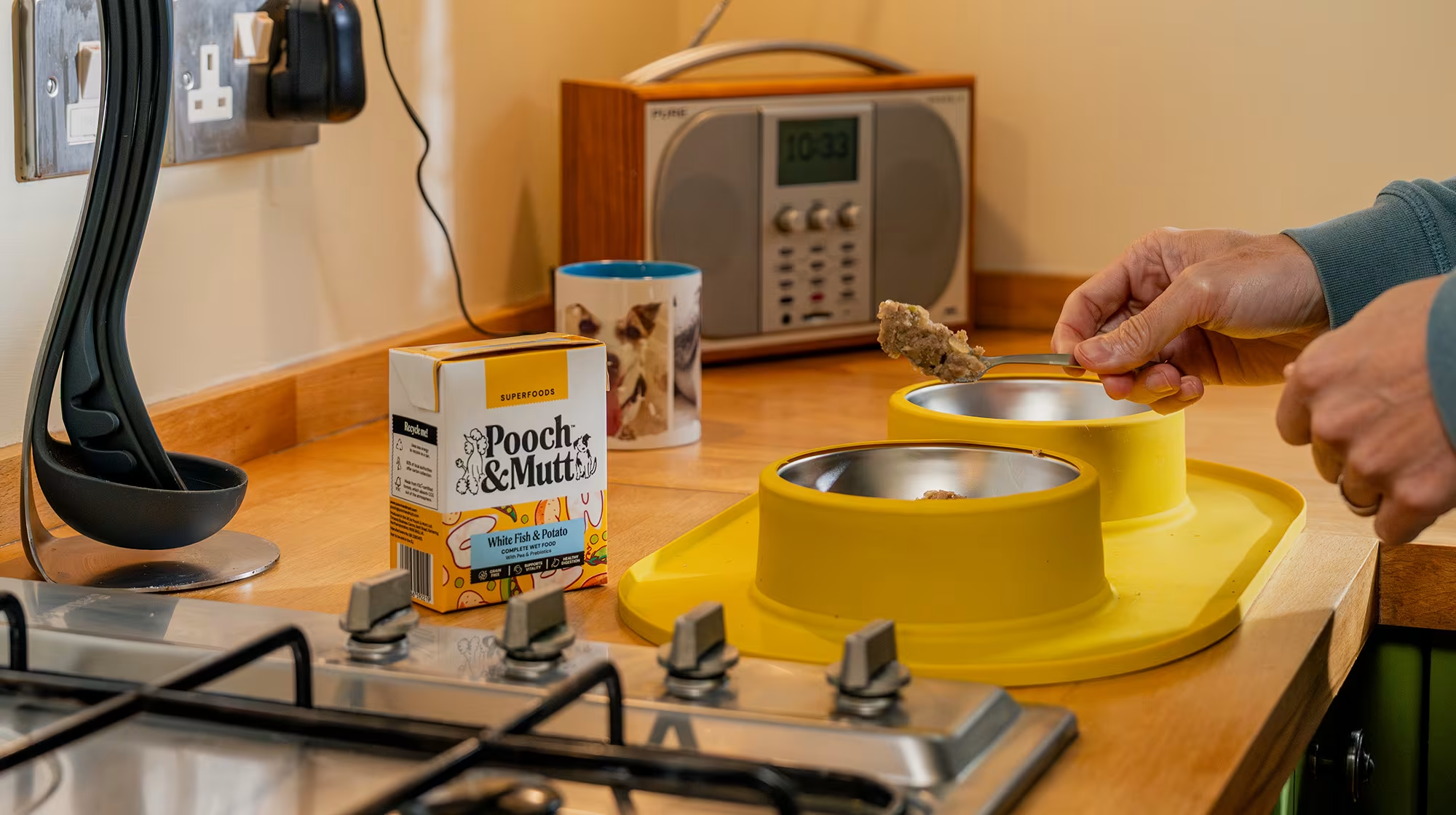
To support your dog on the road of recovery, focusing on a complete, balanced, and gut healthy diet will help get them back on track, boost their immune system, and help their skin recover. Foods with gentle proteins like White Fish and Salmon, as well as those packed with Omega-3s and Collagen are great for supporting skin health, as well as their overall wellness. Hypoallergenic dog food could be an ideal choice, as these recipes are formulated to reduce allergen triggers, and allergy symptoms like irritated and inflamed skin.
Plus, there’s a particularly strong link between your dog’s gut and skin health, often referred to as the gut-skin axis. So you might not just want to focus on skin loving ingredients, but also prebiotics, postbiotics, and gut-skin supplements to help support their recovery.
Can mange be cured?
With a course of the right treatment your dog should stop scratching in a day or two and the mange should be cured completely within a few weeks. However, when discussing this with our resident vet, Dr Linda Simon, she highlights that severe cases could take months to fully recover.
Prevention
To help prevent your dog from getting mange, it’s important that you keep up with their routine parasite treatments. These are usually given monthly and will help keep the mites that cause mange at bay.
Making sure your dog has a regular grooming routine will also help you spot any changes to their skin or fur, helping them get the right treatment quickly.
Again, making sure that your dog has healthy diet, and their gut health is in tip top shape will help support their skin health and overall immunity. So even if they do catch mange, they’ll be able to recover from their symptoms more quickly.
Hypoallergenic Range
-

 from
fromCurrent price: £15.99
Skin & Coat Dry Dog Food -

 from
fromCurrent price: £3.99
Skin & Coat Postbiotic Meaty Treats -

 from
fromCurrent price: £47.99
The Skin & Coat Bundle -

 from
fromCurrent price: £2.49
Fish, Potato & Pea Wet Dog Food -

 from
fromOriginal price:
£11.49Current price: £9.49
Salmon Oil For Dogs -

 from
fromCurrent price: £8.49
Health & Digestion Dry Dog Food -

 from
fromCurrent price: £1.99
Health & Digestion Complete Wet Dog Food
FAQs
How can I tell if my dog got mange?
The first sign that your dog has mange will be that they’re scratching more than usual. They may also have red, scaly or bumpy skin and fur that’s patchy or matted. A vet will need to diagnose mange, so if you spot these symptoms, you should get your pooch booked in for a check-up.
How do you get rid of mange on dogs?
To get rid of mange, your vet will prescribe medications to help kill the mites and repair the skin. This may include antiparasitic treatments, antibiotics or antifungals based on your pooch’s condition and needs.
Can a dog recover from mange on its own?
No, the mites that cause mange can reproduce and continue to live on a dog’s skin for weeks. So to get your pooch back to their happy, healthy selves, you should get them treatment from a vet as soon as possible.
Can I touch a dog with mange?
It’s not really ideal, especially if it’s not your dog and you have another dog at home - you’re at risk of passing it on! Touching a dog with mange risks the mites spreading to your skin. Although these mites won’t live on your skin for very long, they can cause rashes and irritation. Be sure to wash your hands and arms thoroughly after touching your dog or handling any materials they’ve been in contact with.
How much does a vet charge to treat mange?
Depending on the type of mange and how much treatment your dog needs, a vet will charge between £150 and £2000.


