


Key Takeaways:
- Dogs lick their paws just to clean, groom or self-soothe. But if they seem overly distracted or obsessed with paw-licking, it could point towards a health issue.
- Your pooch could have a paw injury, a bacterial or yeast infection, fleas, or they may be suffering from food or environmental allergies, which present as itchy, irritated paws.
- A vet can assess what’s behind your dog’s paw irritation, and may suggest a diet switch or lifestyle changes you can make at home.
Dogs love licking and nuzzling their paws to stay neat and clean.
But it’s always worth a check, as it also could be down to an injury, or something stuck in their paw pad, like a thorn or a stone.
If your dog is a serial paw-licker and you often find them going to town on their toes, it’s definitely time to investigate.
With guidance from resident Vet Linda, we've explored into common symptoms, causes, and preventative tips for this common habit.
Top reasons your dog is licking their paws
Allergies
Paws are one of the most common places to be triggered by allergies in dogs.
Environmental triggers like pollen, grass, or dust mites, or even food allergies like Chicken or Beef, can cause skin irritation of the paws.
Their paws are also the easiest place to lick and bite to find relief from skin irritation.
If it is something they’re doing excessively, it can cause brown staining of the fur around their toes, especially on lighter coloured dogs.
Seasonal dry skin
In the winter, your dog’s paw pads can become dry and irritated, which can even result in cracked paws, especially if they’ve been walking on cold or icy ground.
In the summer, it’s possible your pooch may have burnt their paws on hot ground or sand.
If it’s particularly hot outside, you can test the floor with your own hand. If you can stand the heat, neither can your dog’s feet!
Paw pad injuries
The paw pads can be found at the bottom of your dog’s feet, and consist of seven thick pads of skin. Being what consistently meet the floor as they navigate the world, they’re one of the most likely places to get injured on a walk.
Standing on sharp sticks, stones or glass, or suffering from a small graze or burning their feet on a hot surface can cause injury. This often leads to them repeatedly licking the area.
Broken or ingrown nail
A broken or ingrown claw can often go unnoticed, and it’s constant licking that could first get your attention. To double-check, gently inspect your dog’s paw for any unusually sharp or bloody nails.
A broken or ingrown claw can be uncomfortable for your pooch and might become very sore or infected if it goes unnoticed for long enough. Be sure to take them if a vet if it looks particularly infected or painful.
Something stuck in their paw
Does your dog have something stuck in their paw pad or between their toes? This could be anything from small stones, seeds, sharp grass or plants, a splinter, or other miscellaneous objects.
If your dog growls or doesn’t like their paw being touched, this could point towards something being there that shouldn’t.
Parasites, fleas & ticks
Fleas, ticks and other parasites can get into the warm nooks and crannies of a dog’s body, such as in between their toes, and cause itchiness, swollen bites and soreness. Also, keep an eye out for insect stings, which can cause your pooch a lot of pain in one localised area.
Joint pain & arthritis
If your dog suffers from joint pain or is diagnosed with arthritis, they may nuzzle at their paws often, particularly if they’re older or overweight. Licking can be a way to deal with chronic discomfort.
Infection
Long-term irritation on your dog’s paws can attract bacteria, which leads to an infection, or they may pick up a fungal infection. If their paws show swelling, redness, discharge or an unpleasant smell, this might be what’s affecting your poor pooch.
Yeast Dermatitis
An overgrowth of yeast between your dog’s toes can often cause yeast dermatitis, which can manifest as itchiness and soreness.
If your pooch is suffering from a yeast infection, you might notice a corn-like smell coming from their paws (it may even smell like your favourite bag of crisps), as well as waxiness and browning of your dog’s fur.
Stress & anxiety
Stress can show up in your dog’s body as paw itchiness and irritation, or your dog might just lick their paws excessively as a soothing habit when they’re anxious.
If your pooch is an anxious pup in general, stress could be the culprit of their paw licking addiction.
Imbalance of bacteria in the gut
An imbalance of bacteria that live within their gut affects all kinds of things in a dog’s body, from their mood, to their immunity, to their skin & coat health.
A common side effect of a gut imbalance is ‘leaky gut syndrome’. This is when the gut is not prepared to fight off any toxins, and the gut lining becomes permeable - letting all those nasties leak into their blood stream. This can then cause a knock-on effect, worsening allergy symptoms and infections - including in their paws.
It can also lead to issues with nutrient absorption, meaning all that skin-boosting goodness they should be getting from their diet isn’t being drawn out properly and instead comes out as waste in their poop. This leaves their skin health unsupported and can lead to irritation and itchiness.
When to see a vet
Paw-licking isn’t usually an emergency unless your pooch has an obvious injury, but it’s something to pay attention to. Visit the vet as soon as you can if you also spot symptoms such as:
Redness and swelling
An unusual or unpleasant odour from their paws
Rust-stained or browning fur
Whining, growling or distress, as if in pain
Oozing, weeping or bleeding
Limping or having trouble walking
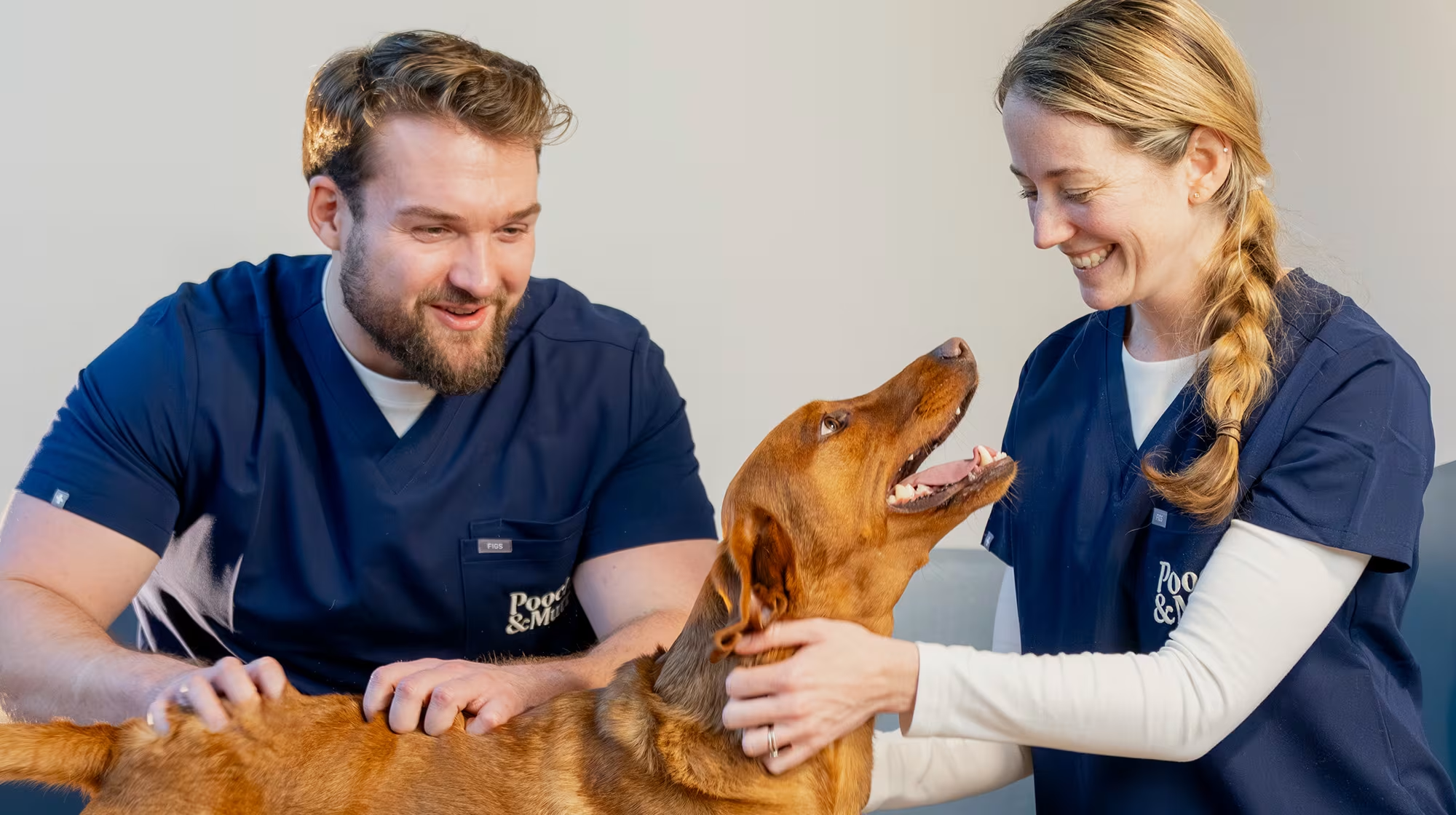
Your vet can identify what might be going on under the surface and get your pooch the right treatment.
Should I stop my dog licking their paws?
Dogs can lick their paws completely innocently, just because they’re grooming or calming themselves, so you don’t always need to stop it.
However, if the licking is accompanied by any concerning symptoms, or it has become excessive (your pooch intensely licks their paws for many days), that’s the time to book in for a vet visit.
Trying to get your dog to stop licking won’t help much in these scenarios - instead, a vet can help you tackle the root cause, so they will eventually stop on their own.
Treatment & Prevention
You can generally treat and prevent your dog’s paw-licking with a mix of vet treatment and some lifestyle tweaks at home.
Treatment by a vet
Your vet will likely examine your dog’s paws to assess whether they have an injury, an infection, fleas, or perhaps skin irritation caused by an allergy.
Depending on the problem, your vet might remove any sharp objects from your dog’s paw, treat and dress any injuries with antiseptic, or maybe apply a topical cream to soothe your pooch’s poor feet. If there’s an infection, you might be prescribed antibiotics.
If fleas are the cause, you’ll be given treatment to rid your pooch and house of the infestation, and put on preventative flea treatments.
If the vet suspects an allergy, or a food allergy or intolerance, they might suggest a change of food, an elimination diet, or a Gut Health Test.
Your dog might have to wear a cone or neck collar so as not to nuzzle at their paws while they heal - or you could try special socks for dogs. However, keep in mind that socks prevent proper ventilation and can lead to moist paws and infections. They should only be used as a very temporary solution, and never if an infection is present.
Home remedies to stop your dog licking their paws
Once any serious issues have been cleared up by your vet, you could try these at-home tips and lifestyle changes to stop paw-licking.
Distract your pooch from their paws
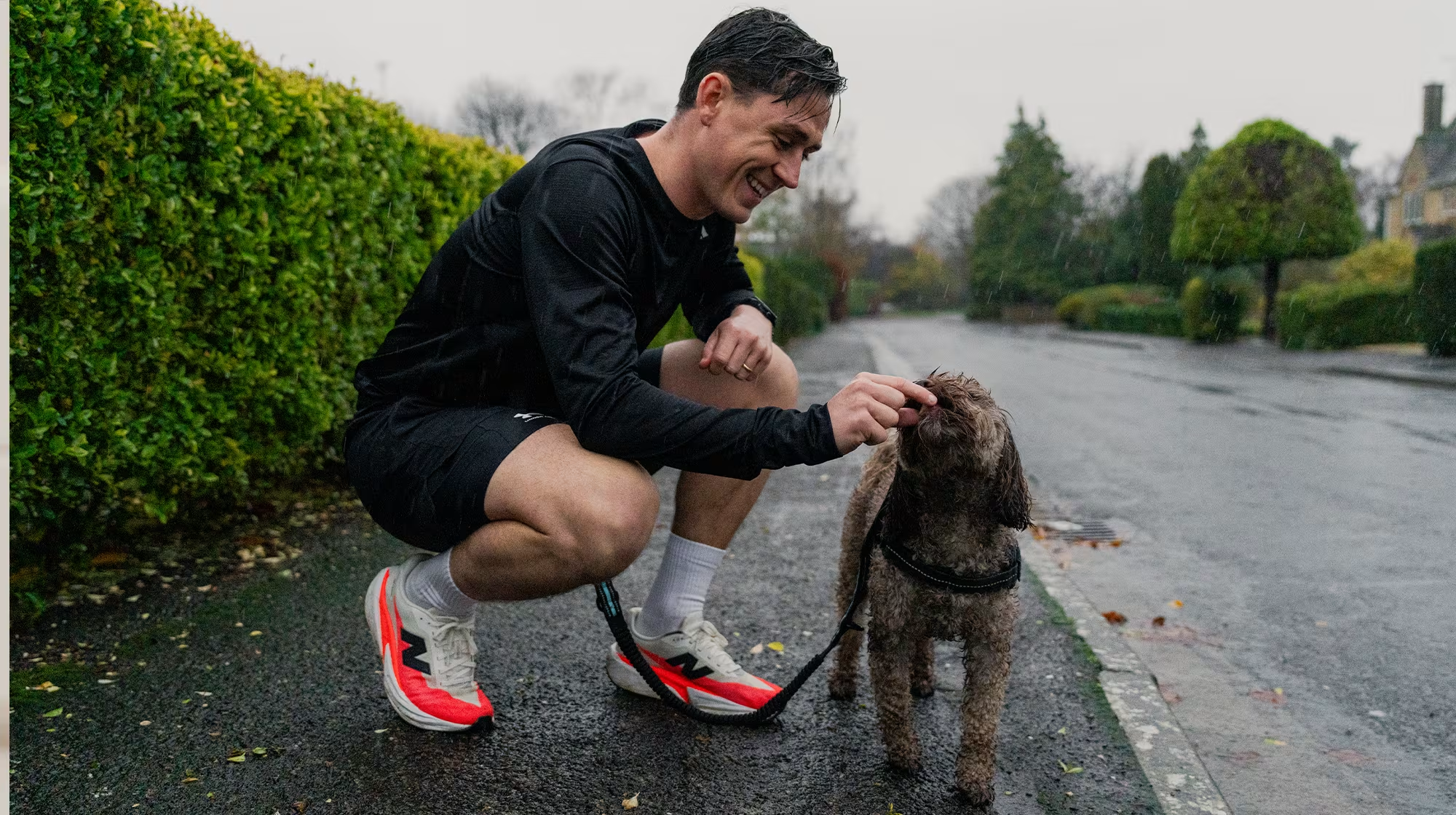
If your dog licks their paws as a habit, try diverting them with play time, training games, puzzles, or a long-lasting chew.
Consider allergies and diet changes
Your vet might suggest an elimination diet or switching up your dog’s food.
A great place to start is hypoallergenic dry food, dry food for sensitive stomachs, or something that's just a little gentler on the tum.
Check ingredients lists for wholesome ingredients like high quality proteins, nutrient rich fruits and veggies, and added postbiotics, which can help balance a dog’s gut without triggers.
Supplements for dogs
Supplements can make a big difference to your dog’s health, adding that little helping hand to reduce flare-ups and skin infections.
Our Gut-Skin Support, for example, is a daily supplement designed to balance the gut-skin axis and have your dog feeling more harmonious in their body.
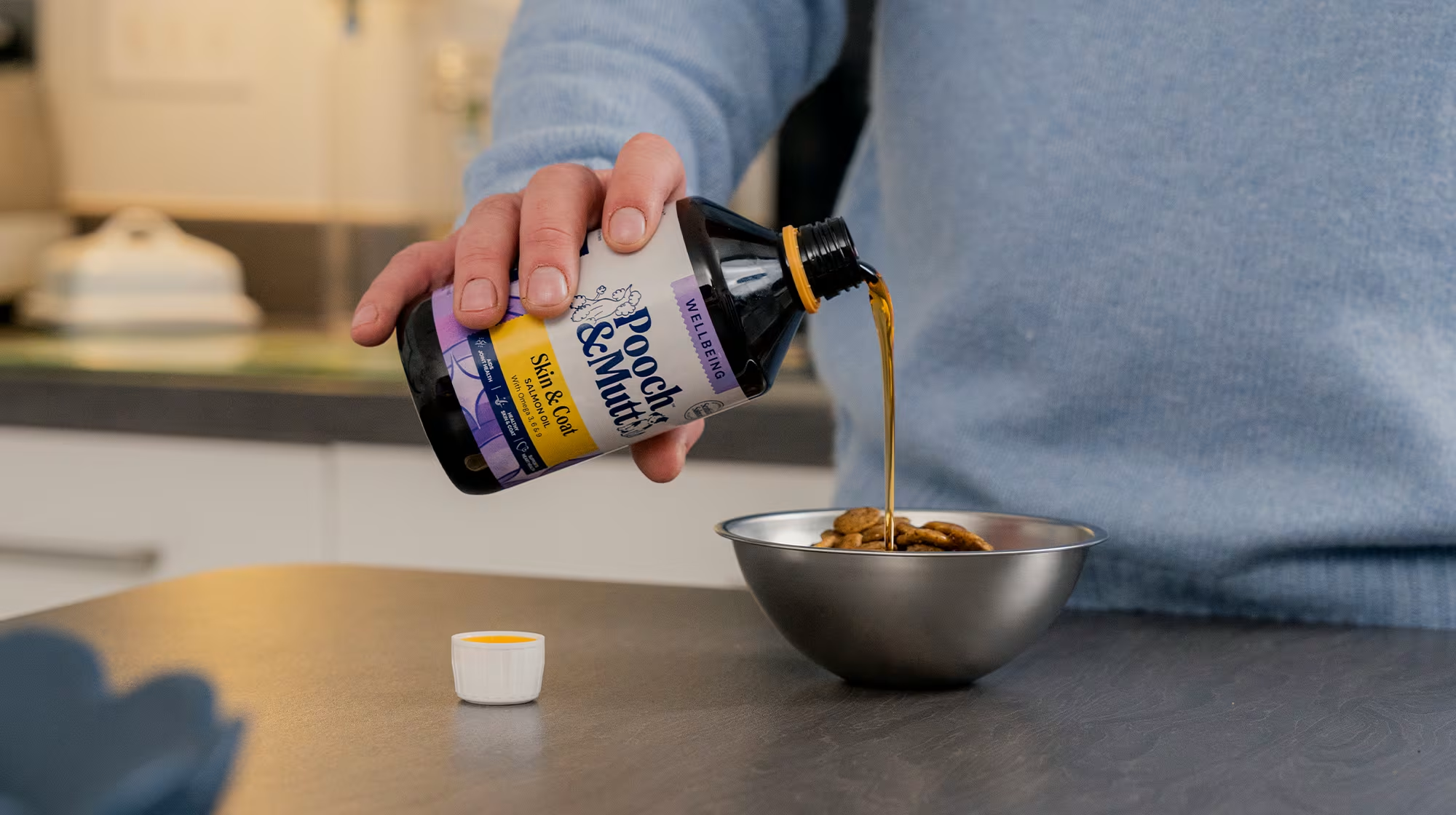
Salmon oil is also a great choice for giving their skin & coat health a little boost. Packed with Omega-3s, it helps keep their skin supple and hydrated, deterring irritation and itchiness.
Collagen is also a gold star ingredient that’s great for maintaining the skin’s elasticity, and combatting dryness, which is a big culprit for itchiness.
Keeping their paws clean
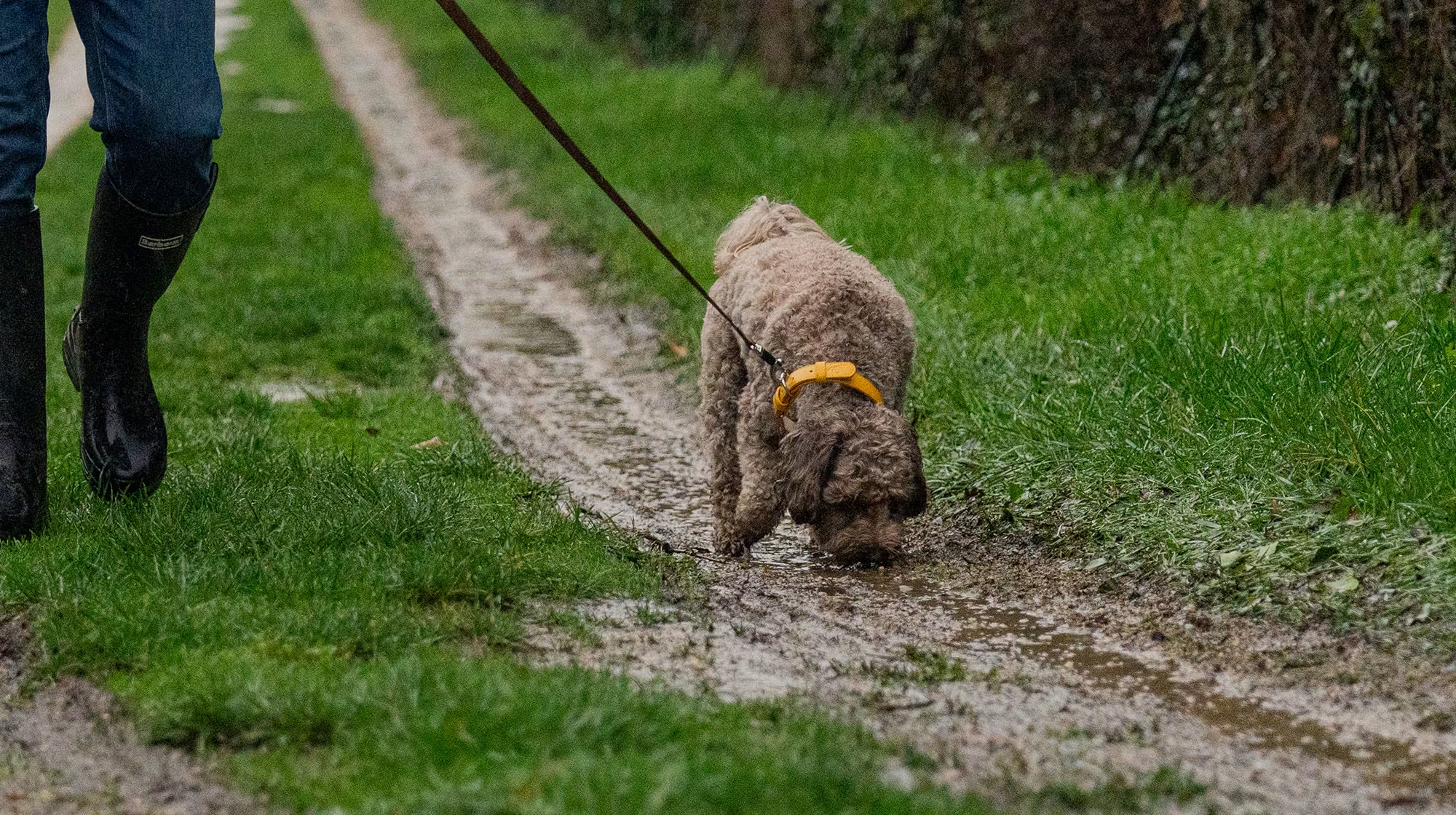
If you take your dog out for muddy or sandy walks, clean off your dog’s paws with a soft brush or a damp cloth when you get home. Just so any bits of dirt and debris don’t get permanently stuck in their fur or between their toes.
Try soaking their paws in warm salt water
Try giving your dog’s paws a brief soak in warm salt water, or pat them with a warm, damp cloth. Just be sure to gently dry them well, as moist skin can worsen an infection.
Boots and socks for dogs
Your vet might suggest special socks for your dog to wear to deter your dog’s licking while their paws are healing.
Some dog owners put booties on their dogs to protect their sensitive paw pads. These can be especially useful when the ground is very hot or cold, or when going for walks on rugged terrain.
Trigger avoidance
Consider keeping a ‘reaction diary’ to see if you notice certain things trigger more licking.
If, for example, your dog licks a lot after walking on grass, this could indicate a grass allergy.
For these dogs, see if it helps to walk them on pavements instead.
What to feed my dog who keeps licking their paws?
Dog foods with a novel protein are less likely to trigger a skin reaction in dogs and are a lot easier to digest.
Dog foods with a simple recipe are gentle on their stomachs and will contain less junk, like additives and fillers, which often trigger allergies.
Hypoallergenic dog food should be free of common allergens in dogs, like Chicken or Beef, but still contain high-quality proteins and gently-digestible nutrients. This way, they can have a complete diet without exacerbating allergy symptoms, like itching.
Supplements that support skin & coat like Salmon oil & Collagen
Skin & Coat
Support healthy skin and a shiny coat with our Skin & Coat range. Carefully selected ingredients help ease itching, boost skin health, and provide a glossy coat — for the ultimate glow-up.
-

 from
fromCurrent price: £15.99
Skin & Coat Dry Dog Food -

 from
fromOriginal price:
£11.49Current price: £9.49
Salmon Oil For Dogs -

 from
fromCurrent price: £3.99
Skin & Coat Postbiotic Meaty Treats -

 from
fromCurrent price: £18.99
Gut-Skin Support Supplement -

 from
fromOriginal price:
£10.99Current price: £8.99
Bionic Biotic Probiotic Powder For Dogs -

 from
fromCurrent price: £47.99
The Skin & Coat Bundle
FAQs
When should I worry about my dog licking his paws?
Your dog licking their paws is most often a self soothing behaviour, but if it's constant and comes along with any sides of bleeding or discharge from the paw, a corn-like yeasty smell, limping, whimpering, or aggression when touched, you should see a vet.
These aligning symptoms point towards potential infection, injury, or something stuck in their paw pad or between their toes that could need medical attention.
Why does my dog lick his front legs so much?
Mainly because they're easy to reach!
Many dogs adopt paw licking as a self soothing mechanism, and will often do it when they feel anxious or bored. They often opt for their front paws because, well, they're right there.
If paw licking is becoming a noticeably, regular thing, especially on one particular foot, be sure to inspect that paw for any signs of injury or infection. If you notice a reluctance to give you their paw, or any signs of
Is it good for a dog to lick their paws?
Definitely when they're licking their paws a normal amount. It can just be a normal self soothing act, or a part of self grooming.
However, if the licking becomes excessive, it could be a sign of allergies, injury, or infection.
If you can see any signs of irritation or bleeding, or can't seem to find any source of pain but your dog seems to be suffering, be sure to get them checked by a vet.
This post was originally published in May 2026, but has been updated for comprehensiveness.


