


Key Takeaways:
- The condition of your dogs skin and coat isn't just down to grooming, it can also indicate their overall health. A dry, dull coat and itchy skin can even indicate things like food allergies or issues with their gut health.
- Maintaining the health of their coat can include bathing and brushing as frequently as their coat type requires, feeding a complete, health and balanced diet, dietary supplements specially tailored to skin & coat health, preventing ticks and fleas, and of course, getting in helpful nutrients like Omega-3, Zinc, and Biotin.
- If dietary changes aren't helping the health of your dog's skin & coat, be sure to check in with your vet.
They may be a lot hairier, but in a lot of ways, dogs are like us. They function best on nutritious and varied foods, feel great after exercise, and have an added spring in their step when they look particularly well groomed.
Achieving that gorgeous, just-groomed look is a key part of being a responsible dog parent - but there are plenty of ways to get their coat looking and feeling as glorious as a Crufts contestant without a weekly visit to the doggy beauty parlour.
Read on for our easy, expert advice on improving your dog’s coat condition and skin, for flouncy fur that begs for admiration.
What does a dog’s coat condition mean?
You may think your dog’s hairdo is intended purely for warmth and a side of cuteness, but it’s actually a big indicator of physical health. Just like humans, dogs have different hair types - from curly, fluffy or coarse to long-haired and short-haired - and therefore, variable signs of whether their coat is in a good or iffy condition. Be sure to read up on how your dog’s coat should look and feel based on their breed, and do everything possible to ensure they feel light, comfortable and relaxed in their own skin.
What does it mean if my dog’s coat is shiny?
A shiny coat on your dog is ideal - especially if strangers slow down and swoon in the street - but at the very least, a healthy dog’s coat should be as soft as possible and free of dandruff and greasiness. This happens when your dog’s coat and skin is producing just the right amount of natural oils, and is generally in good health.
Don’t worry if your dog’s fur is more matte than glossy, though, as there are plenty of good reasons why their coat might not shine. White fur doesn’t reflect light like darker coloured fur, for example, and it’s tough to achieve a shine on dogs with a short and wiry coat. Other dogs simply love to roll about in the dust and dirt, so if you get any amount of shine on their fur, it may only last a few minutes - but this doesn’t necessarily mean that their coat isn’t healthy.
My dog’s coat is dry, or their skin is itchy and flaky?
On the other hand, if your dog’s hair is dry, lacklustre or brittle, it could mean that something is wrong. Dry fur, excess shedding, dandruff and itchy skin are all signs that your dog’s diet may need an adjustment. Otherwise, they could have an allergy to something in their environment, or a skin infection such as seborrhea (for which a dog overproduces oil, causing the skin to be red, flaky and itchy).
Keep an eye out for signs of discomfort in your dog; if their coat or skin needs attention they’ll likely scratch more and have trouble relaxing.
What contributes to a dog’s healthy skin and coat?
The good news is that with regular care, it’s easy to get your dog’s gorgeous locks looking and feeling in tip-top condition.
The ideal coat and skincare routine for dogs includes regular brushing, bathing, grooming and styling (just so that they don’t have fur in their eyes or dragging at their feet). You should also feed your dog a varied and nutritious diet, perhaps including supplements; ensure they get regular exercise to boost their physical and mental wellbeing; and of course, give them lots of love.
How to make your dog’s coat shiny & improve your dog’s skin
Let’s get more specific with ways to improve your dog’s coat condition…
Bathe your dog at a suitable frequency
Dogs don’t need to be bathed as much as humans - their delicate skin needs time to produce its own natural oils, and they’re relatively adept at cleaning themselves. Bathing your dog every three months is a fail-safe option for most breeds - unless your dog gets particularly messy on a regular basis (you live in the muddy countryside, or if it’s long-haired, for example) and could benefit from a bath more often.
Regularly brush your dog
A regularly brushed dog is a soft and shiny dog, so be sure to get the comb out as often as you can, despite how wriggly or resistant your pooch may be. Brushing every couple of days is ideal, whether they have stubby, sheep-like or swishy fur.
Feed your dog a complete and balanced diet
Sure, we’re obsessed with using dog food for a healthy coat at Pooch & Mutt - but there really is no greater cure for your dog’s ailments than balanced, natural foods packed with varied ingredients and nutrients. If your dog’s pet food is of a more basic variety, or if you’re feeding your dog human fare (mostly cooked chicken, for instance), it could be that their diet is lacking essential nutrients and causing their coat to appear lacklustre.
Give your dog skin and coat supplements
Sometimes tracking down specific nutrient-rich foods isn’t convenient, so be sure your dog is getting all the goodness they need by adding supplements to their diet. There is a range of powerful skin and coat supplements for dogs that are tasty and easy to administer…
Fish oil and omega 3 for dogs
Fish oil is our number one recommendation for a gorgeous coat as it’s a real doggy wonder product.
It’s rich with Omega 3 fatty acids essential for a nourished coat and healthy skin - so much so, that a dry coat and itchiness can be indicative of an Omega 3 deficiency in your dog’s diet.
As a powerful anti-inflammatory, Omega 3 is also great for dogs’ joints, mobility and heart health (1)(2), so you can’t go wrong with a supplement such as our Salmon Oil for dogs.
Collagen for dogs
Collagen occurs in your dog's body naturally, but does naturally decline with time. Collagen benefits many areas of their body, including skin and coat health.
Collagen is the main component of the dermis layer of skin (the middle layer). This is responsible for keeping their skin firm, resilient, and helps reduce dryness, itchiness and flakes. Then of course, having healthy skin helps contribute to a shiny, luscious, and healthy coat.
You can easily get more Collagen into their diet via their food, chews, and supplements. Pooch & Mutt's Bone Broth for dogs is packed with Collagen, and is great for tackling fussy eaters and boosting their hydration.
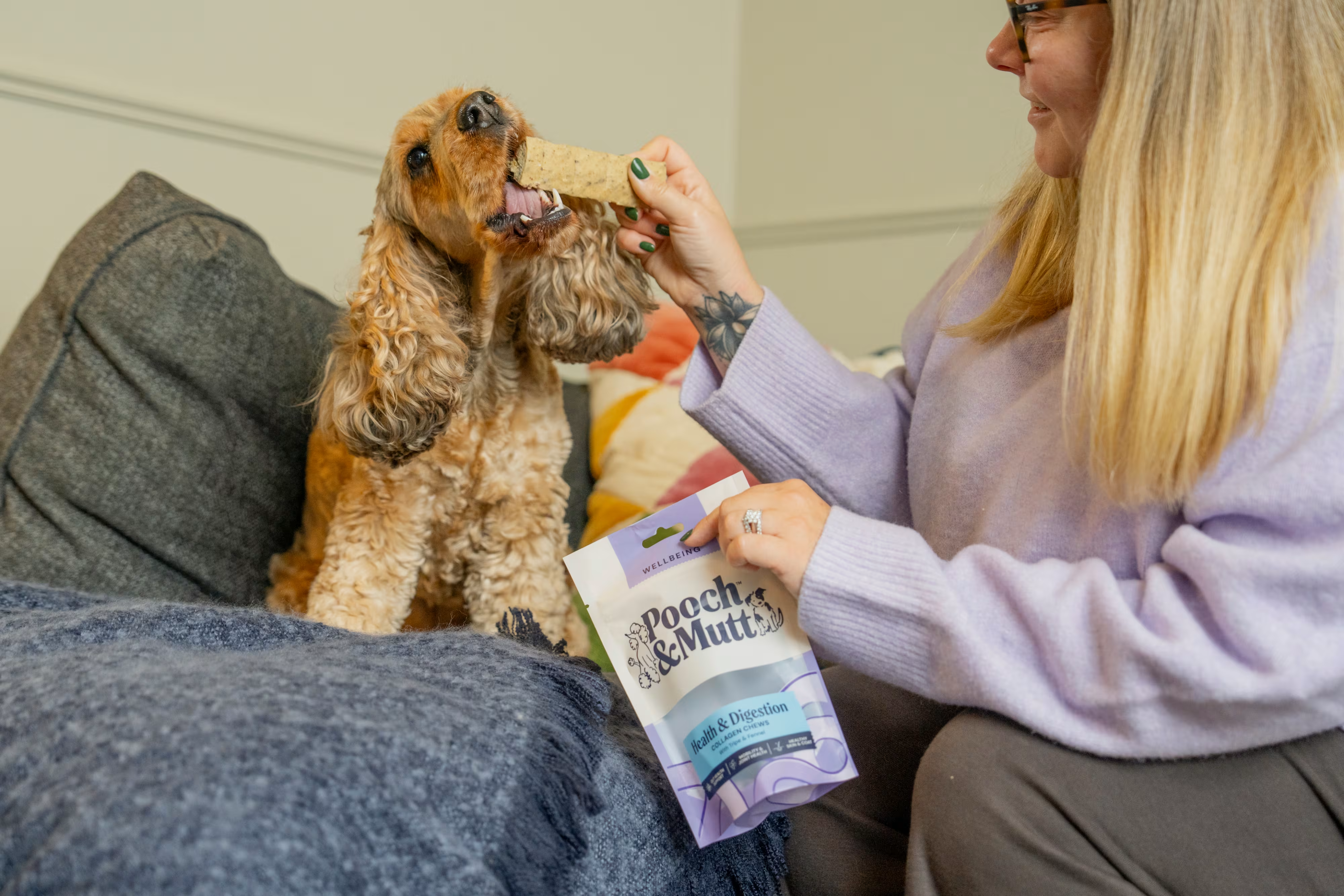
For an extra convenient Collagen kick, we also have our range of long-lasting Collagen dog chews. These pack all the skin, coat, and joint benefits of Collagen, into a delicious chew your pooch can happily gnaw on. Whether you opt for a Calm & Relax Collagen Chew, Health & Digestion, or want to appeal to their primal side with our Beef Collagen Chew, your dog can be safely occupied, and get in some goodness.
Read more about the benefits of Collagen for dogs in our article 'Is Collagen good for dogs?'.
Zinc for dogs
Zinc is an important mineral in a dog’s diet, not only beneficial for ensuring a beautiful coat and skin, but also good thyroid function and healthy immunity. As dogs don’t produce zinc in their bodies independently, dry, flaky skin in dogs can be a sign of a zinc deficiency (3). Feed your dog zinc via fresh meats such as turkey, beef, pork or lamb, or top up with a tasty supplement you can easily add to their meals.
Biotin for dogs
Biotin for dogs is a complex B vitamin proven to improve dogs’ coat and skin (4), as well as essential for maintaining processes in your dog’s body such as muscle formation, healthy digestion and thyroid function. As well as other signs, a biotin deficiency can show up in dogs through dry, scaly skin, a scruffy or unkempt appearance, brittle fur, skin lesions and excessive shedding.
Raw offal such as kidney, liver and heart are great natural sources of biotin for dogs, but if your dog isn’t keen on raw foods, a supplement can work just as well. Our probiotic supplement for healthy skin and coat contains biotin, zinc and fish oil and other antioxidants in a convenient powder format, so is a great place to start.
Protect them against fleas and parasites
A no-brainer, but the last thing your dog’s skin needs is a flea or tick infestation. Flea treatments are easy to sort out at your local vet and pays for itself multiple times over when it comes to your dog’s (and your) comfort - so be sure to nuke those itchy pests at the source.
Talk to your vet
After following the above steps, your pooch should be looking and feeling pampered, soft and fancy free - but if their coat and skin still seems less than its best, talk to your vet about other potential causes of the problem.
If you have any specific questions about your dog’s coat and skin, get in touch with us today. For some tasty supplements to improve your dog’s coat and skin, try our Bionic Biotic or Salmon Oil for Dogs supplements. We also offer a full Skin & Coat Bundle which contain vet-approved food specifically for a soft & shiny coat, Salmon oil supplement and Skin & Coat tailored treats.
Skin & Coat
Support healthy skin and a shiny coat with our Skin & Coat range. Carefully selected ingredients help ease itching, boost skin health, and provide a glossy coat — for the ultimate glow-up.
-

 from
fromCurrent price: £15.99
Skin & Coat Dry Dog Food -

 from
fromOriginal price:
£11.49Current price: £9.49
Salmon Oil For Dogs -

 from
fromCurrent price: £3.99
Skin & Coat Postbiotic Meaty Treats -

 from
fromCurrent price: £18.99
Gut-Skin Support Supplement -

 from
fromOriginal price:
£10.99Current price: £8.99
Bionic Biotic Probiotic Powder For Dogs -

 from
fromCurrent price: £47.99
The Skin & Coat Bundle
FAQs
What foods help with your dog's skin & coat?
There's a number of dog-safe foods that are naturally rich in nutrients which specifically boost skin & coat health. These include:
Salmon
Herring
Eggs
Linseed
Sweet Potato
Spinach, Kale & Kelp
Many of these ingredients we pack into our Skin & Coat food range so you can easily bring all these goodies into your dog's diet.
How does your dog's skin & coat health link to their gut health?
The health your dog's skin & coat is directly linked to their gut health. This is because the bacteria that lives within the gut plays a key role in producing and absorbing many vitamins, minerals and nutrients that help boost skin & coat health (as well as joint health, digestive health, heart health, and their overall wellbeing).
If the bacteria needed to help your dog absorb the nutrients needed to maintain their skin & coat is lacking, this can result in red, itchy, and dry skin as well as exacerbated allergies.
Do parasites impact your dog's skin & coat health?
Yes, both external and internal parasites can lead to red, itchy and inflamed skin, and even hair loss.
External parasites like fleas, ticks, and mites cause extreme itching which then leads to sore, dry skin and even hair loss due to excessive itching.
Internal parasites like worms can lead to digestive issues and nutrient deficiencies which means their skin & coat aren't getting what they need to be at their best.
How do you know if your dog's skin and coat are healthy?
Depending on their coat type, and what's normal for them, a health dog coat should be soft, smooth and shiny - not dry, coarse, or brittle.
Their skin should be smooth, supple, clear - not greasy, flaky, red or sore.
Some dog breeds, like Dachshunds, can have naturally blotchy skin. But if you notice new patches on your dog's skin, or instances of hyperpigmentation, then be sure to check with your vet.
Should I bathe my dog if they're itching and licking themselves?
If your dog is constantly licking and itching, bathing them more won't be the answer.
It may be that bathing them too often is leading to skin irritation, as excessive bathing can strip their coat of natural oils and impact their skin health.
Constant itching and licking of the body or the paws requires some extra attention and investigation. It might be allergies, gut health issues, external parasites like fleas, ticks, or mites, or they have may have an injury.
Be sure to give your dog the once over for injuries, bleeding, or any parasites. If they're clear, be sure to assess their diet, and don't hesitate to check with a vet if you're concerned.
Why is my dog so itchy but has no fleas?
Fleas and other external parasites aren't the only reason your dog might be constantly itching.
Itchy, inflamed skin can also be put to allergies, both environmental or from their diet, as well as issues with their gut health. Internal parasites like worms can also lead to skin & coat issues.
If fleas, and any other external parasites have been ruled out, be sure to think about investigating further. Whether that's with a Gut Health Test, changing their diet, or speaking to your vet about potential allergies.
This post was originally published in August 2022, but has been updated for comprehensiveness.


How much fish oil to put in my mastiff’s food ? He is about 200 lbs an about 8 years old
Hi Jason, we'd advise feeding 3-4tsp/day here :)
Hi my four year old schnauzer has developed a terrible itching issue. I’ve been giving an egg a day and her food doesn’t seem to help flea meds advantage. Frontline don’t work then to the vet all they want is my money with no results I’m on a fixed income, so I really need your help. My poor baby.
What supplements have omega 3.& 6, zinc, biotin?? My korso sheds & I'm just trying to control it & make his coat shiny & health plz. Ty
Hi June, we would advise taking a look at our Bionic Biotic supplement, as it contains these ingredients to help with healthy skin & coat. :)
Great tips, thanks- except for getting flea treatments at the vet! Thought everyone knew by now that the standard vet flea treatments are quite toxic and have often proved very harmful to our furry friends. Please research natural flea treatment alternatives- I’ve had lots of success with these and so have countless others. Cheers!
Hello I have a 13 week old cockapoo and his been very itchy so I've taken chicken out of his diet and gone grain free his still itchy so I'm thinking of taking out all poultry? When I went into pets at home earlier u only do a chicken puppy food when I looked on ur website it's says all ur food is suitable for puppies is that right? As I'd like to try this food for itchy skin if his allowed?
Hi Hayley, it might be worth taking a look at our Skin & Coat dry food, this is suitable for puppies from 8 weeks old and contains additional ingredients to help prevent itching and scratching. :)
Hi I need help my 4 year old dog has her coat dry and I have try grooming and shampoos for hair but they do not help and I do not really now if her coat is like that or what I need to do to make it healthy.
Hi Daya, Coat issues are really common and you’re not alone. While grooming helps, coat health usually comes from diet. A dry coat can often benefit from more omega-3 and omega-6 fatty acids and good-quality nutrition. A diet designed for skin support, such as our Skin & Coat dry food, plus adding salmon oil, can really help improve dryness and shine. If you’d like more specific advice, feel free to reach out to the team at pooch@poochandmutt.com :)