


Key Takeaways:
- Most cases of GI (Gastrointestinal) upset in dogs will be mild and require minimal intervention.
- There’s a wide range of potential causes for canine stomach upset, and it’s not always easy to know what the trigger is.
- For most patients, a bland diet and recovery time will resolve symptoms. However, seek veterinary care if your dog’s symptoms worsen, there’s blood in their stools or vomit, and they haven’t eaten or drunk for over 24 hours.
Although stomach upset in dogs is a common issue, this doesn’t offer a lot of reassurance when it’s your pooch who’s experiencing the symptoms.
It can be worrying to see our pets uncomfortable or unwell, especially if the symptoms appear suddenly.
I’m Vet Linda, resident vet at Pooch & Mutt, and I’m here to explore the most common causes of sudden gastrointestinal symptoms. We’ll also cover how you can support your dog, and when veterinary intervention is advised.
Thankfully, most dogs will be back to normal within a few days and with minimal intervention.
Reasons why your dog might suddenly have sickness and diarrhoea
When dogs feel under the weather, it’s completely natural to look at their food first - it’s often the most obvious place to start.
The good news is that high-quality recipes from reputable brands go through strict testing to ensure they’re safe and nutritious. More often than not, upset tummies tend to come from the unexpected extras dogs manage to get their paws on along the way, or other underlying health conditions.
Here’s a round-up of the most common causes of digestive upset in dogs I encounter in my consulting room.
Accidentally eating something they shouldn't
In the vet world, we call this ‘dietary indiscretion’.
Dogs are notorious for eating out of bins, picking up things on their walks, and snaffling human food from countertops.
If you’re suspicious that your dog has eaten something they shouldn’t, you might be able to spot a clue, such as food stains on your dog’s face, a chewed-up bin bag, or some missing dinner!
Puppies are the biggest offenders, particularly larger breeds that can be difficult to keep away from bins and dinner plates. Many human foods aren’t suitable for a dog’s gut, due to high levels of sodium, sugar, or fat.
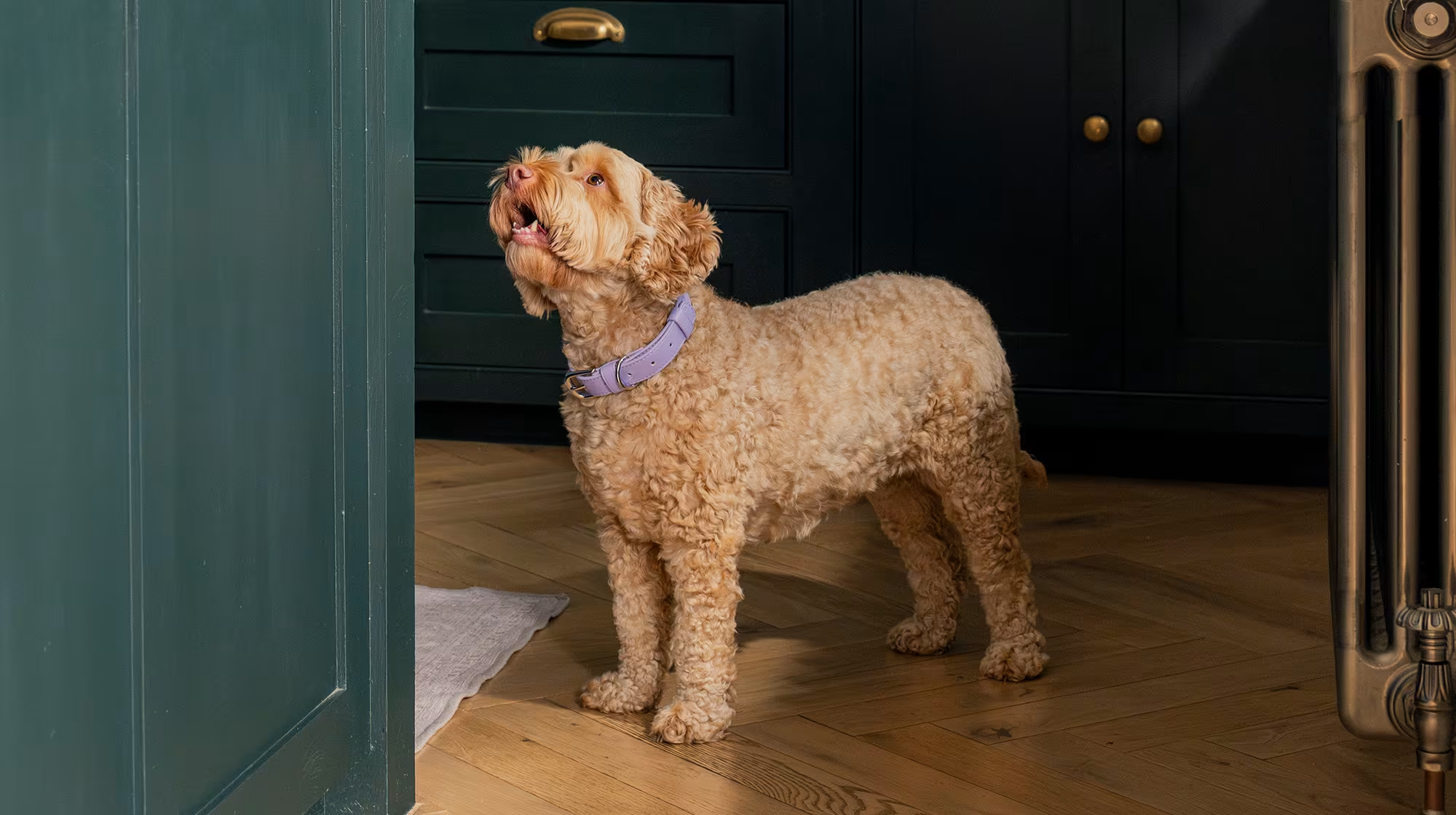
It’s also common for dogs to snack on things they find whilst out on a walk - posing the risk of them eating something mouldy, rotten, or full of harmful bacteria. Whilst out and about, it can be even harder to prevent consumption.
So when they secretly, or accidentally, chow down, it can lead to digestive upset, including sudden vomiting and runny poos.
Whilst all dog owners wish they had eyes in the back of their heads, we sometimes miss these secret snacking sessions! But if you do witness your dog eating something not intended for them, check in with your vet to see if intervention is needed. This may mean inducing vomiting if the food is deemed toxic or high-risk.
In my experience, this is the most common reason dogs will present with vomiting and diarrhoea. We can help prevent incidents by keeping bins closed, keeping food far away from prying noses, and using a basket muzzle on walks for repeat offenders.
In reality, it can be difficult to be in complete control of what your dog ingests, so if they do manage to snag something, it’s good to keep an eye on them and act accordingly to any symptoms they may start to show.
Obstruction
Some of the most common items that I see causing obstructions of the stomach and gut include tennis balls, plastic toys, corn cobs, and socks.
When a dog has a blockage, they may experience signs including:
Persistent gagging or vomiting
Food refusal
These cases do require prompt veterinary care, as the sooner we can remove the blockage, the quicker they can be on the road to recovery.
Toxicity and poisoning
Some foods, plants, and items are toxic to our pets, including:
Chocolate
Grapes
Chewing gum containing xylitol
Daffodils
Cigarette butts
The signs they cause vary depending on what has been eaten and in what quantity. However, for most toxins, vomiting and diarrhoea are early and consistent features.
If you suspect something toxic has been eaten, contact your vet urgently. They may be able to induce vomiting before the toxin causes serious effects. If possible, take a bit of what was eaten to the vets with you, whether that’s the rest of the item or a packet it came in. This way, we can also identify what’s been consumed and plan treatment accordingly.
Viral or bacterial infections
I very commonly treat dogs with viral or bacterial gastroenteritis. These will be infections that the dog has picked up from another dog, or from parks or walking paths.
Often, as signs don’t last long and patients respond to general therapy, we don’t identify the specific cause of infection. This is because it can be both costly and time-consuming.
Some common types of infection in dogs include:
Salmonellosis
Campylobacteriosis
Coronavirus infection
As well as an upset stomach, your dog may experience lethargy, dehydration, and a fever.
Therapy tends to include intravenous fluids, anti-nausea medicine, a bland diet and medication such as antibiotics or anti-pyretics.
Changing their diet too quickly
Most owners assume that only puppies need a slow diet transition, but the same approach also applies to many adult dogs.
Those who have sensitive stomachs can become unwell if they’re suddenly switched to a new food, especially when changing brands.
This can lead to digestive problems such as diarrhoea and sickness.
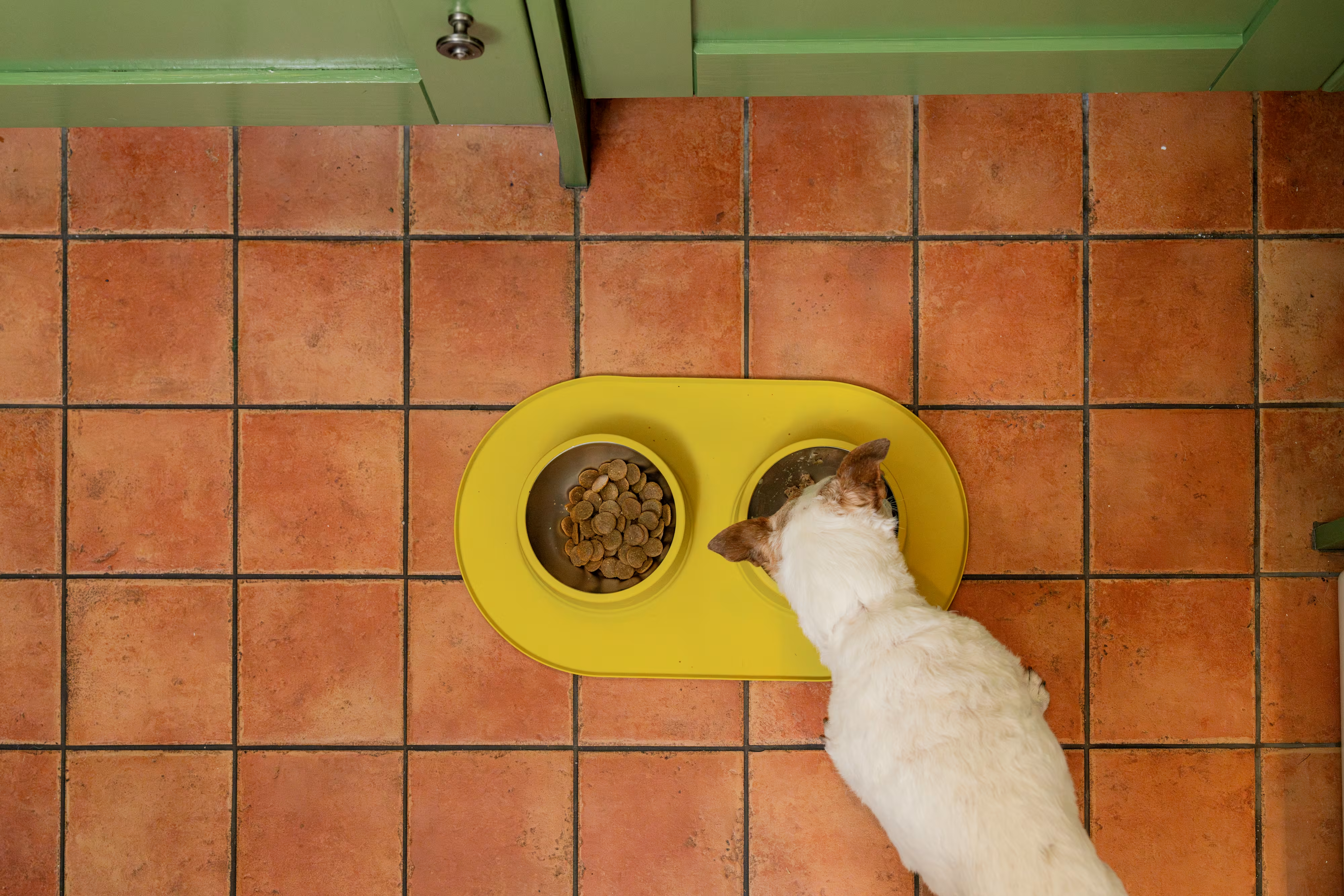
Ideally, any diet change should be made incrementally, over the course of around 10 days. This means gradually mixing in their new food with their old, bit by bit, until it’s just their new food they’re eating.
This gives you the chance to monitor your dog for any signs, and gives your dog the chance to become accustomed to the new ingredients without becoming unwell.
Parasites
Common parasites I encounter that cause sickness and diarrhoea include Giardia, Coccidia, and Roundworms.
Affected pets tend to have very runny and frequent stools.
Other signs may include:
Weight loss
Vomiting
Although some worms (such as Roundworm) are visible in the stool, many parasites aren’t.
Young puppies are at the highest risk, but dogs of any age can be affected.
We’ll generally advise that dogs are treated with routine parasite prevention every few months, particularly as several parasites can be passed on to the humans in the family.
Stress & Anxiety
Stress and anxiety in dogs lead to the release of stress hormones and adrenaline.
With dogs that commonly suffer from stress, we’ll often see a change in gut motility and there may even be an imbalance within the gut microflora (dysbiosis).
As well as soft stool or diarrhoea, you can notice symptoms such as:
Mucus in the stool
Weight loss
Reduced appetite
Where possible, identify what your dog finds stressful and avoid or manage these situations.
Triggers can include being in kennels, trips to groomers, and spending too long home alone. Stress management isn’t always easy, but strategies include:
The use of calming foods and supplements, such as Pooch & Mutt’s Calming range.
In some cases, a vet-prescribed anxiolytic medicine
Assessment from a qualified canine behaviourist, and implementation of a specific plan (e.g. becoming slowly desensitised to the grooming experience)
Providing mental enrichment in the form of things like long lasting chews, food puzzles, and sniffing games
Pre-existing medical conditions
Of course, for some dogs, vomiting and diarrhoea will be symptoms of an ongoing medical issue. They’re a common symptom of a range of diseases, including:
Hormonal disorders such as Cushing’s Disease
CIE (previously known as IBD)
Certain cancers
With medical conditions like this, a work-up can be done to identify the issue, so a long-term treatment plan can begin.
If their sickness and diarrhoea are persistent, and alongside other serious symptoms like lethargy, not eating, not drinking, or major changes in their temperament, be sure to bring them to the vet for a check.
Reactions to medication
Many medicines will cause GI upset, and this will typically be listed as a ‘potential side effect’ on the packet.
We can see vomiting and diarrhoea caused by antibiotics, corticosteroids, and non-steroidal anti-inflammatories, to name a few.
If your pet is currently taking medicine, chat to your vet about expected side effects and how they can be managed.
Sometimes, providing antacids, probiotics or anti-nausea medicine alongside them can make all the difference.
How long should I wait to take my dog to the vet for vomiting and diarrhoea?
Milder cases of mild GI upset in a dog who’s coping well aren’t always concerning.
However, a dog should always be seen if:
Their symptoms are persisting for more than 24 hours
They’re unable to hold down water
Their gums are pale or dry
Their vomit or stool contains blood
They seem weak or lethargic
They have obvious stomach bloating or seem uncomfortable or distressed
You suspect they’ve ingested something toxic or indigestible

General treatment and advice
If your pooch is suddenly suffering from sickness and runny poos, I’d recommend taking the following action:
Stick to a bland diet. Something like chicken, egg, or white fish with rice works very well for a couple of days. Another option is a limited ingredient commercial diet, like Pooch & Mutt’s White Fish and Potato wet food. If after switching up their food, your dog’s appetite still isn’t 100% there, offering their meals warm could increase the chances it’s eaten.
Alongside their water, you can provide a rehydration solution or dog-safe bone broth.
I’m also a big fan of probiotics, and research has shown that giving them for a few days can speed up a dog’s recovery from stomach upset.
Be sure to encourage plenty of rest in your dog, too; no need for exercise until they’re recovered.
If, after getting the all clear from their vet, their digestive symptoms still persist, it may be worth investigating their gut health.
The health and bacterial balance of their gut can have a huge impact on their overall health and wellbeing.
Consistent runny poos and sickness, along with skin irritation, smelly farts, or even increased stress and anxiety, can indicate something funny’s going on in their tummy.
The best way to take a peek into what is going on inside your dog’s gut is a Gut Health Test. With just a little sample of your dog’s poo, Pooch & Mutt’s microbiologists assess how equipped your dog’s gut is to fight off nasties, get the most out of their diet, and support overall health and wellbeing.
Find out more about Gut Health Testing for dogs at Pooch & Mutt here.
FAQs
Why does an abrupt diet change cause stomach upset in dogs?
As the gut bacteria and digestive enzymes haven’t had time to adapt to the new food, this can lead to inefficient digestion and an upset stomach in some pets. However, this can be easily avoided by slowly transitioning them to their new food, temporarily switching to a blander diet, or focusing on getting postbiotics into their diet.
Is my dog guaranteed to get a stomach upset if they eat human food?
No, some dogs cope fine with human food. However, anything very greasy, spicy, dairy-rich, mouldy, or rotten could still pose an issue - even to those with a stomach of steel!
Could my dog food be causing my dog’s stomach upset?
When your dog suddenly seems ill out of nowhere, it’s easy to jump to switching up their diet first. But constantly switching up your dog’s food can actually exacerbate digestive symptoms. If you feed your dog a high-quality recipe from a reputable brand, you’re safe in the knowledge that their food goes through rigorous testing to ensure safety and optimal nutrition. It’s common for your dog’s sudden digestive illness to have been caused by something else, like something they shouldn’t have eaten (like scraps from a walk, or something from your plate), or in a more serious case, an underlying health condition.
In a small number of cases, their dog food may be the culprit, especially if the diet was recently changed and this was done abruptly, without a transition period. There is also a risk from food that has been left out too long, particularly in warm weather.
Sensitive Stomachs
-

 from
fromCurrent price: £1.99
Health & Digestion Complete Wet Dog Food -

 from
fromCurrent price: £8.49
Health & Digestion Dry Dog Food -

 from
fromCurrent price: £2.49
Fish, Potato & Pea Wet Dog Food -

 from
fromCurrent price: £3.99
Health & Digestion Postbiotic Fish Treats -

 from
fromCurrent price: £64.99
The Health & Digestion Bundle -

 from
fromCurrent price: £5.99
Health & Digestion Bone Broth For Dogs -

 from
fromCurrent price: £3.99
Dental Postbiotic Meaty Treats -

 from
fromCurrent price: £3.99
Cheddar Cheese Postbiotic Treats -

 from
fromCurrent price: £19.99
Gastrointestinal Dry Dog Food


