


Sometimes it seems like dogs will eat pretty much anything they can land their snouts on, but that definitely doesn’t mean that they should. Though many pooches have turbo guts that can withstand all manner of meats and treats, others have sensitive stomachs that require a little more TLC when it comes to diet.
Read on to understand what causes a sensitive stomach in dogs and what gut-friendly foods will ease their tummy issues.
What causes dogs’ sensitive stomachs?
You may hear that your neighbour’s pooch has the bowel regularity of a vegan athlete and wonder ‘But why does my dog have such a sensitive stomach?’ There are plenty of causes, and though many of them are preventable, sometimes it’s simply your dog’s genes and nothing to be ashamed of or panicked about (keep reading for a list of dog breeds prone to tummy issues).
Diet
Naturally, the first consideration is your dog’s daily food. Does your pooch eat a lot of human leftovers, a glut of treats each day, or any sugary, creamy or overly fatty foods? Then it stands to reason that they’d suffer from stomach aches, gassiness and dodgy poops quite often. Aside from this, it could be that dogs on a wet food diet could benefit more from dry food, or perhaps they’re on a grain-heavy or raw food diet that doesn’t suit the way their particular gut functions. See also: food allergies (further in the article).
Hazards at home
Before you point the finger at your dog’s food bowl, consider what else in the house your dog could be ingesting. Ensure all human food is out of reach, cleaning and laundry products are in secure cupboards, and that your dog has no access to the tools, screws and toxic substances you may keep in the garden, garage or shed. Also, keep the toilet seat down between uses - as to a dog, any water is for drinking.
Sickness
Your pooch may have eaten something they shouldn’t have from around the house or even just some spoiled food - and then contracted a stomach bug such as gastroenteritis. This occurs when harmful bacteria in the stomach causes bouts of vomiting and diarrhoea in your dog and they can’t keep their food down. There are other causes of gastroenteritis in dogs; so keep a close eye on them, and take them to a vet immediately if symptoms seem severe.
Allergies
Dogs with food allergies are prone to stomach sensitivity, meaning certain foods will trigger an undesirable physical reaction. Common food allergies in dogs include grain, dairy and wheat, and could result in your dog getting itchy skin, bloat, gas, diarrhoea, vomiting or nausea. You may need to put your dog on a stripped back diet to identify the triggering culprit.
Stress
Believe it or not, stomach sensitivity is directly linked to mood and behaviour in dogs and vice versa, due to the strength of the gut-brain axis. This means a pooch that suffers from stress and anxiety is more likely to have a delicate tum and toilet issues. Doing all you can to reduce your dog’s anxiety and stress levels could help.
Dog breeds prone to sensitive stomachs
Sadly not all dog breeds are created equal when it comes to tummy trouble - there are some that are more prone to sensitive stomachs than others. Boxers, Shih Tzus, Labradors, Great Danes and Yorkshire Terriers are a few examples; however any dog can suffer from a sensitive stomach.
Best dog food for sensitive stomachs
Once you’ve identified your pooch has a sensitive stomach, your first port of call should be to opt for food that’s easy for dogs to digest. Some helpful ingredients could include:
Fish, such as cod or herring
White or sweet potato
Pumpkin
Lean chicken
Broth
Best dog food for sensitive stomach and diarrhoea
Using a combination of the ingredients above, you can feed your dog meals that are very easy on their digestive system and won’t exacerbate symptoms such as stomach pain or diarrhoea. Natural, sensitive stomach dog food would help as it's that’s both gentle and tasty, and will stop diarrhoea symptoms promptly.
Is grain-free dog food better for sensitive stomachs?
Though lots of dog owners feed their pooch rice and chicken when they’ve been unwell, many vets will recommend a grain-free diet when a dog is suffering from a stomach bug. This is because grain is a common food allergy in dogs and so might trigger a secondary reaction - the last thing your pooch needs when battling a dodgy tum.
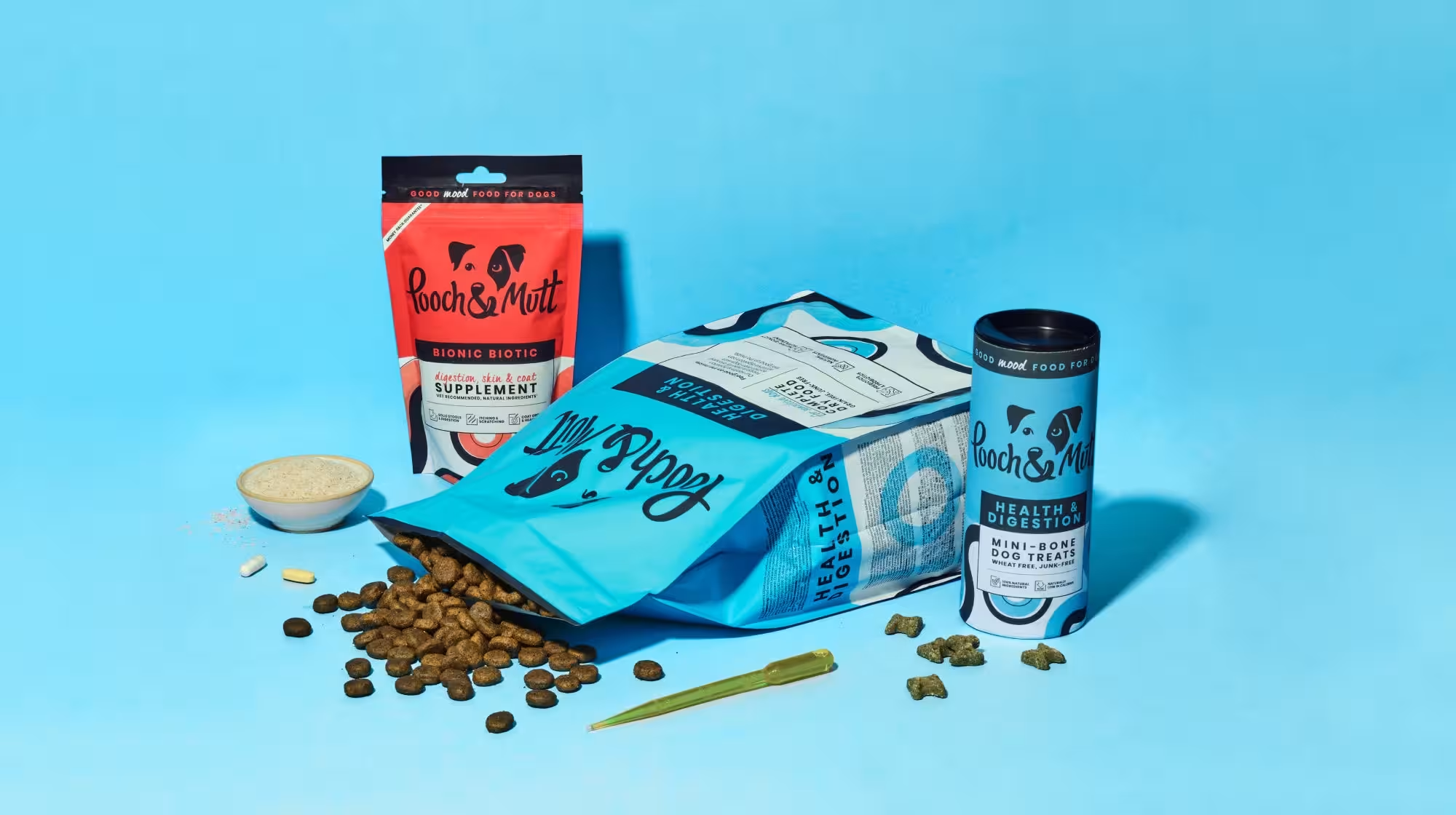
At Pooch & Mutt our natural food for dogs is entirely grain-free, instead made up of healthy proteins, fruit, vegetables and supplements. Our grain free dog food is intended for maximum tastiness and health benefits, while carrying a much lower risk of an allergic reaction.
Do probiotics help dogs with sensitive stomachs?
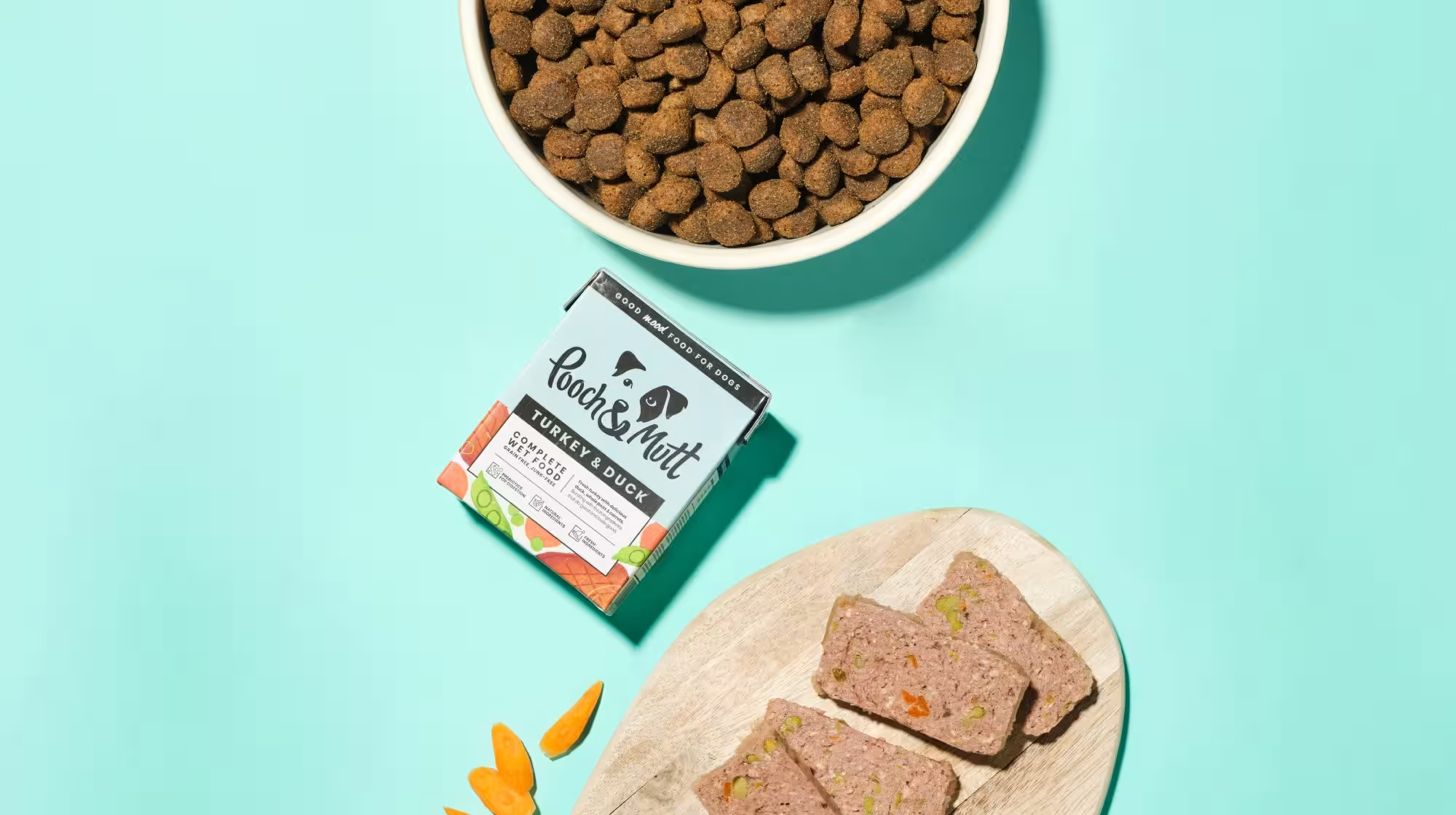
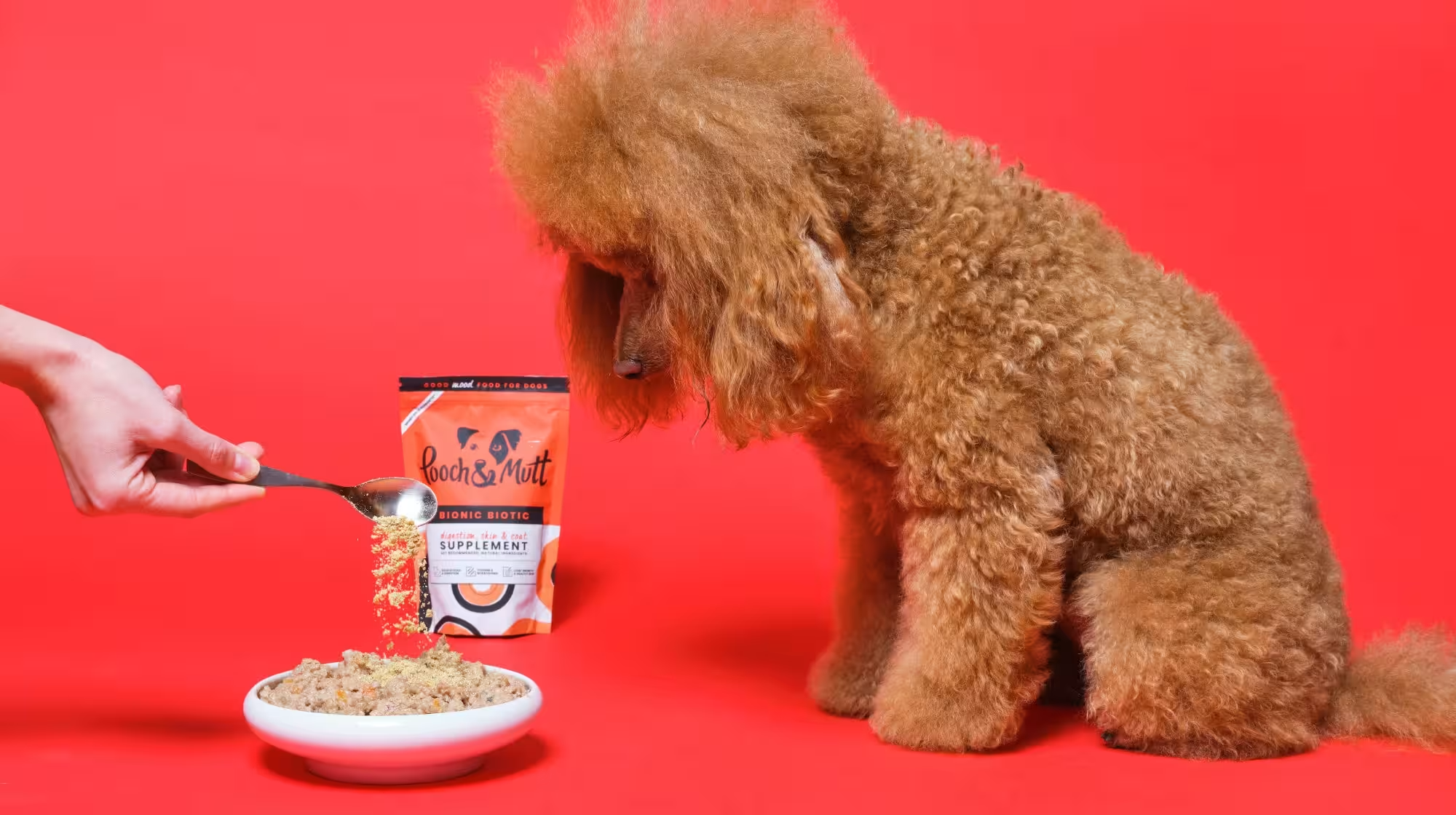
Sure do! Probiotics provide a helpful boost of the ‘friendly bacteria’ in your dog’s gut microbiome, ensuring their stomach and digestive tract is balanced and well-functioning. At Pooch & Mutt, we’re big believers in the positive ways probiotics help dogs with sensitive stomachs - and they’re easily included in your dog’s diet, either as part of your dog’s food or as a supplement.
Specific probiotics are especially important for rebalancing your dog’s gut bacteria after a bout of sickness, diarrhoea or antibiotics, and to get them back to tail-wagging shape in a much shorter time.
Best puppy food for sensitive stomachs
Puppies are extremely prone to sensitive tummies, and they can stem from a number of internal and external factors.
Factors such as stress, environmental changes, diet changes and a developing digestive system mean that during a puppy’s first few days with you, they may experience loose stools and other signs of tummy sensitivity. To help ease a puppy’s tummy sensitivity, you should temporarily make their diet as plain and simple as possible - with a focus on natural foods known to soothe digestion and help their tummy and poops. Like older dogs, classic, natural foods known to help puppy digestive issues include:
Boiled, plain chicken
Plain white rice
Cooked pumpkin
Cooked sweet or white potato
With a simple, bland diet and a couple of weeks to settle into their new home, a puppy’s digestive system should settle and their poops return to normal. However, if they’re still having issues after 12 weeks old, speak to your vet to investigate whether some other issues might be at play.
Your puppy’s poop can tell you a lot about their digestive health. Make sure to keep an eye on it in their first few weeks or months at home, with the help of a Poop Chart. If your puppy’s poop’s causing any concern, contact your vet asap. Once your pup’s digestive problems have subsided, they can return to their normal diet.
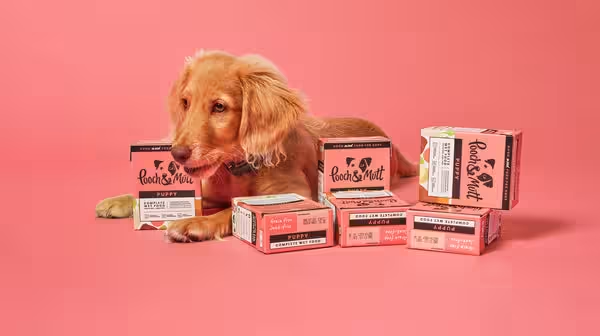
That said, their diet should still consider the natural sensitivity of puppy tummies, and should always focus on their overall health and development. Pooch & Mutt puppy food utilises many of the aforementioned, puppy-safe ingredients like chicken and white potato, to inject all that goodness into their everyday diet.
Whilst also using grain-free recipes, feeding our puppy food means you can easily keep on top of their sensitive tummy issues, nutrition and development - giving them the best possible start to their new life with you.
Senior dog food for sensitive stomachs
Dogs with advancing years will often develop stomach sensitivity, and just like humans, will find certain foods harder to digest than when they were young.
To ensure your beloved senior pooch receives a diet that offers lots of health benefits, is gentle on the stomach but still tasty, you can opt for a specially formulated, hypoallergenic dog food for senior dogs, plus a range of useful supplements. Salmon oil is a great option for all-round health benefits, glucosamine can help ease sore or ageing joints, and a multibiotic supplement will encourage healthy gut and bowel function.


Dry Superfood For Senior Dogs
A complete, grain free senior dog superfood, to help support them in their golden years. This premium recipe includes a rainbow of ingredients, to provide essential goodness for your senior dog to thrive.
-
Grain free
-
Antioxidant rich
-
Chicken & Superfoods
Current price: £8.99
Whatever the reason your dog has a sensitive tum, by packing their diet with a combo of digestible ingredients, probiotics and supplements, they’ll be as energised, happy and healthy as the dog next door.
Get in touch with Pooch & Mutt for more information about what to feed a dog with digestion issues, and check out our range of tasty, all-natural dog food for sensitive stomachs.
This post was originally published in March 2023, but has been updated for comprehensiveness.


What about mercury levels in cod or whitefish? Is it safe for my schnauzer?
Hi, I have been feeding my dog pooch and mutt health and digestion and he loves it the last few bags have been different size and colour pieces , dark brown is the normal one and thin or light brown was in the last bag but I brought 2 small bags same date but both different colour and size ....why ?
Hi Sandra, our kibble colour & sizing can differ through various batches and this is due to the cooking process we use. A matter of a few seconds difference between batches, can cause this alteration but all batches contain the same ingredients and nutrition value confirm by our QC testing :)
Hi do you do Tim’s of wet food or pouches for dogs 16 months with sensitive stomach and also what is the equivalent in kibble I want to do a 50/50 split dry and wet. ( not raw) she is 16. Kg how much should she get per day thanks !
Hi Barbara, We do have our Health & Digestion range which is suitable for those with sensitive tummies, we have both a wet food sachet and a dry food available which can be mixed together. If doing a 50/50 split, we would simply halve the guidelines given on both product pages and this would give you the total amount of wet & dry per day, to split across all meals. If you would like further advice on this, reach out to the team on pooch@poochandmutt.com :)
Hi Barbara, We do have a range of options that may be suitable for your pooch. Our Health & Digestion range in particular may be a good choice as it is specifically designed for those with digestive issues and sensitive tummies. Please do reach out to the team at pooch@poochandmutt.com where they will be more than happy to give you some more specific recommendations, along with some feeding guidelines for your pooch :)
It seems that my boxer about 4 years old and we have had her 1 year from a puppy mill. She must have been a puppy mill mom. She seems to throw up white frothy stuff sometimes a lot. What to do?
Hi Donna, It may be worth speaking with your vet regarding this, there are multiple reasons a pooch could be bringing up white foam and your vet knows your pooches history best to advise here.