


Key Takeaways:
- Giardia is caused by a single-celled parasite that causes acute diarrhoea in some dogs, though others can carry it without symptoms. It’s very common in puppies.
- It can be passed on through poop and poo particles, in water, the environment, or the air, and it can infect other animals and even humans.
- If your pooch has diarrhoea, it could be Giardia. Especially if paired with mucus, and sometimes blood. It isn’t usually serious, and most dogs make a full recovery, but your vet will need to diagnose and treat it with medication.
If your pooch or puppy has a case of sudden diarrhoea, they might be carrying a sickness-causing parasite called Giardia.
In this article, we’ll go into the symptoms and causes of Giardia, and give you some tips on how to curb this usually non-life-threatening, but nasty and infectious illness.
What is Giardia?
Giardia is caused by a single-celled parasite, which can be ingested by a dog and then clings to the intestinal wall.
These parasites are quite hardy and can last a long time outside of the body, which is why they’re susceptible to infecting others. Whether that’s humans or other dogs and animals.
It’s a common cause of diarrhoea across different species.
Often, a Giardia parasite can exist in a dog’s body without any symptoms, but it can still spread and cause sickness and acute diarrhoea in others, and it can especially affect puppies or immunocompromised dogs.
Symptoms of Giardia
The main symptom of Giardia in dogs is diarrhoea, which can either come on suddenly or is intermittent.
Your dog will have an urgent need to poop, and their stools will be watery, smell bad and may include a jelly-like mucus and sometimes, blood. There are other symptoms that might present, however. Here is a full list of Giardia symptoms:
Diarrhoea that either comes on suddenly or is intermittent
Loose, greasy and/or pale stools
Occasional blood or mucus in poop
Vomiting
Weight loss
Appetite changes
Fatigue, lack of energy
What does Giardia poop look like?
If your pooch has Giardia, their poop will likely be loose, watery or greasy, and sometimes pale in colour. They will want to poop suddenly, and it will have a particularly bad smell.
Occasionally, there might be subtle streaks of blood or mucus in the stool. This can be alarming, but it’s usually a symptom of the sickness - just take note of it so you can report back to your vet.
How do dogs get Giardia?
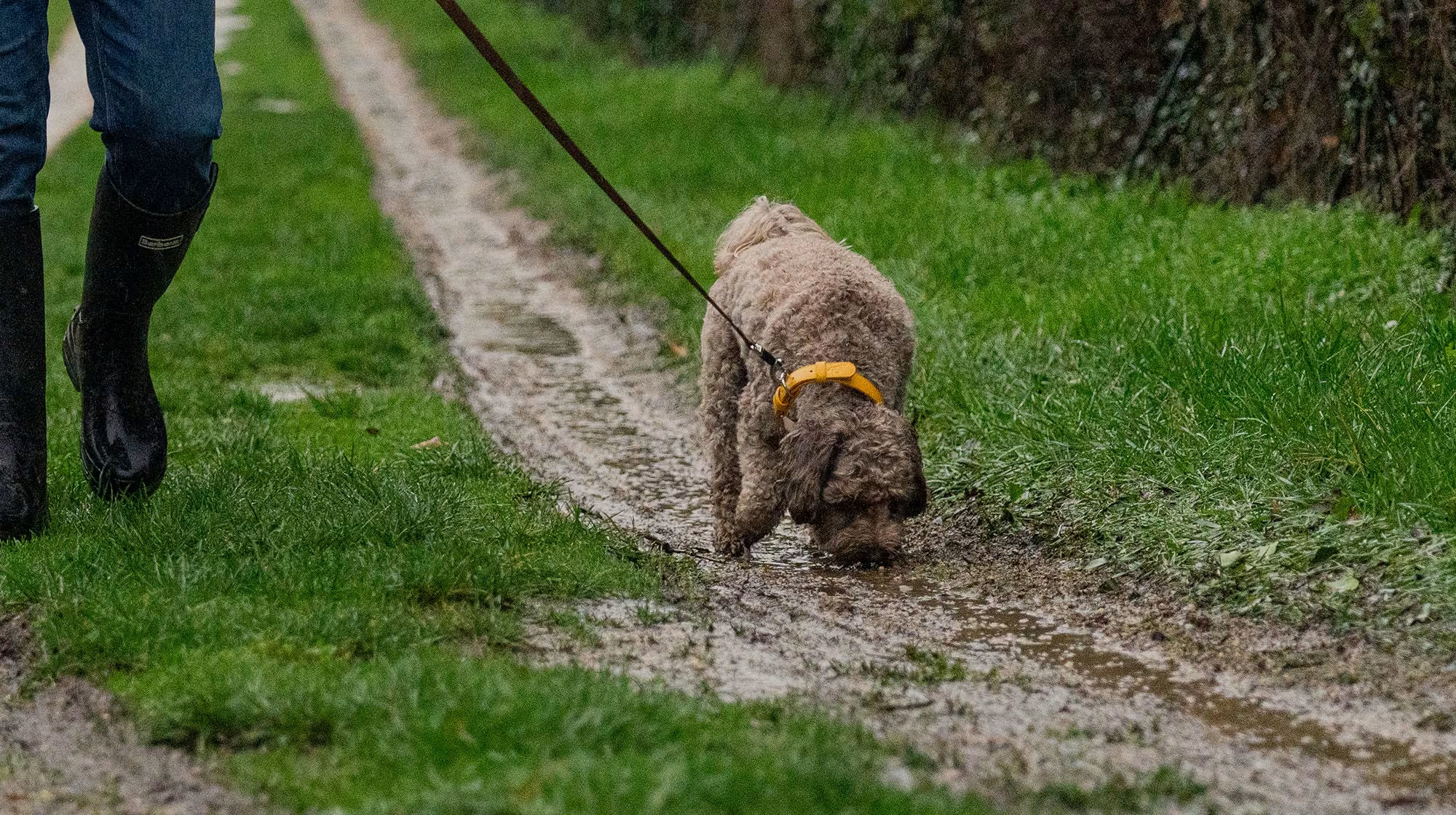
Giardia spreads through poop or poo particles, which can be carried in the air, surroundings, or infected water. If a dog eats poop (which they sometimes do), drinks from a dodgy puddle or even an old water bowl, or comes into contact with another infected dog, they might contract Giardia.
It’s most common in high-risk environments with lots of dogs in one space, such as dog shelters, dog parks, or among street dogs abroad.
Giardia in puppies
Though Giardia isn’t usually serious for most dogs, it can be rather impactful for a puppy.
As their immunity and body are still developing, they might suffer from diarrhoea and sickness for a while, and will need special care and attention as they recover.
It’s very important to get advice from a vet if your puppy has sudden diarrhoea, so you can identify the root cause quickly and get it treated.
Can Giardia spread to other pets?
Yes! Giardia is extremely contagious and not only can spread from dog to dog, but to your other pets too!
Cats and other household pets like rats, hamsters, chinchillas, and even birds are susceptible to catching Giardia if your dog is infected its made its way into your home.
Giardia can survive outside the body for a good while, so can easily spread to other pets through exposure to infected poop, shared water sources, and even bedding and surfaces. This is what makes acting and treating fast is crucial when it comes to Giardia.
When to see a vet
If your dog is a puppy and they have diarrhoea, get in touch with a vet as soon as you can. Giardia in puppies can be more serious than in healthy adult dogs.
If your adult dog has diarrhoea that doesn’t clear up after 48 hours, or you spot blood or mucus in their poop, take them to a vet for assessment.
If they have Giardia, they’ll need treatment to kill the parasite or they could be unwell for a while.
How is Giardia diagnosed?
Once you take your pooch to the vet and describe their symptoms, your vet will likely ask for a stool sample.
From this, they can identify whether the Giardia parasite is present, though it might take a few tries, as this tricky organism doesn’t always appear in every stool.
How is Giardia treated?
There are a few steps that vets and you at home can take to go about treating Giardia. The main aim is to get their poops back on track, support any aligning effects of Giardia, and treat any discomfort.
Medication from your vet
A couple of powerful medications are usually prescribed to kill off the parasite and clear the diarrhoea. The first is usually Fenbendazole (sometimes called Panacur), which is a dewormer/anti-parasitic. In stubborn cases, this is combined with an antibiotic called Metronidazole, which clears the gut. Be aware that the Giardia organism can be shifty - it may require more than one round of medication before it’s completely gone.
Diet
After diagnosis and during their recovery, it’s a good idea to only feed them simple, gently digestible dog food with probiotics and postbiotics, so their turbulent tummy can heal. Natural ingredients like Salmon, White Fish, Pumpkin, Sweet Potato and Psyllium husk are easy to digest and make for a delicate diet for recovering pooches. Our Health & Digestion range, consisting of wet food, dry food, and supplements are perfect for getting your dog the nutrients they need, and supporting their gut as they get back on track.
Bathing
Annoyingly, Giardia is very good at surviving outside the body, making reinfection likely. At the beginning of their recovery journey, be sure to pop them in the bath to make sure there’s no lingering bits of poop that may be infected, or that there are no Giardia cysts hiding out in their coats. This way, you can help prevent reinfection and its spread. (Giardia is very contagious, even in humans!).
Cleaning their space
As Giardia cysts can survive outside the body (in poop, in puddles, bedding, and blankets), it’s also a good idea to give the area where your dog lives a little bit of a washdown. Chuck their bedding and jumpers in the wash, wash down couches, and try to keep on top of cleaning up their poop in the garden. This way, you’re doing all you can to prevent spread and reinfection.
A retest
At least 4 weeks after diagnosis and treatment, it’s good to get your dog retested for Giardia to make sure all traces of it have been wiped out. That way, you can identify if more treatment is needed and what next steps in their recovery you need to take. If you’ve not been contacted for a retest, be sure to call up your vet and double-check.
What's the best food for dogs with Giardia?
While your dog is suffering from after effects of Giardia, it’s likely they might be off their food. Giardia can cause substantial tummy upset, impacting their appetite, as well as their digestive and gut health.
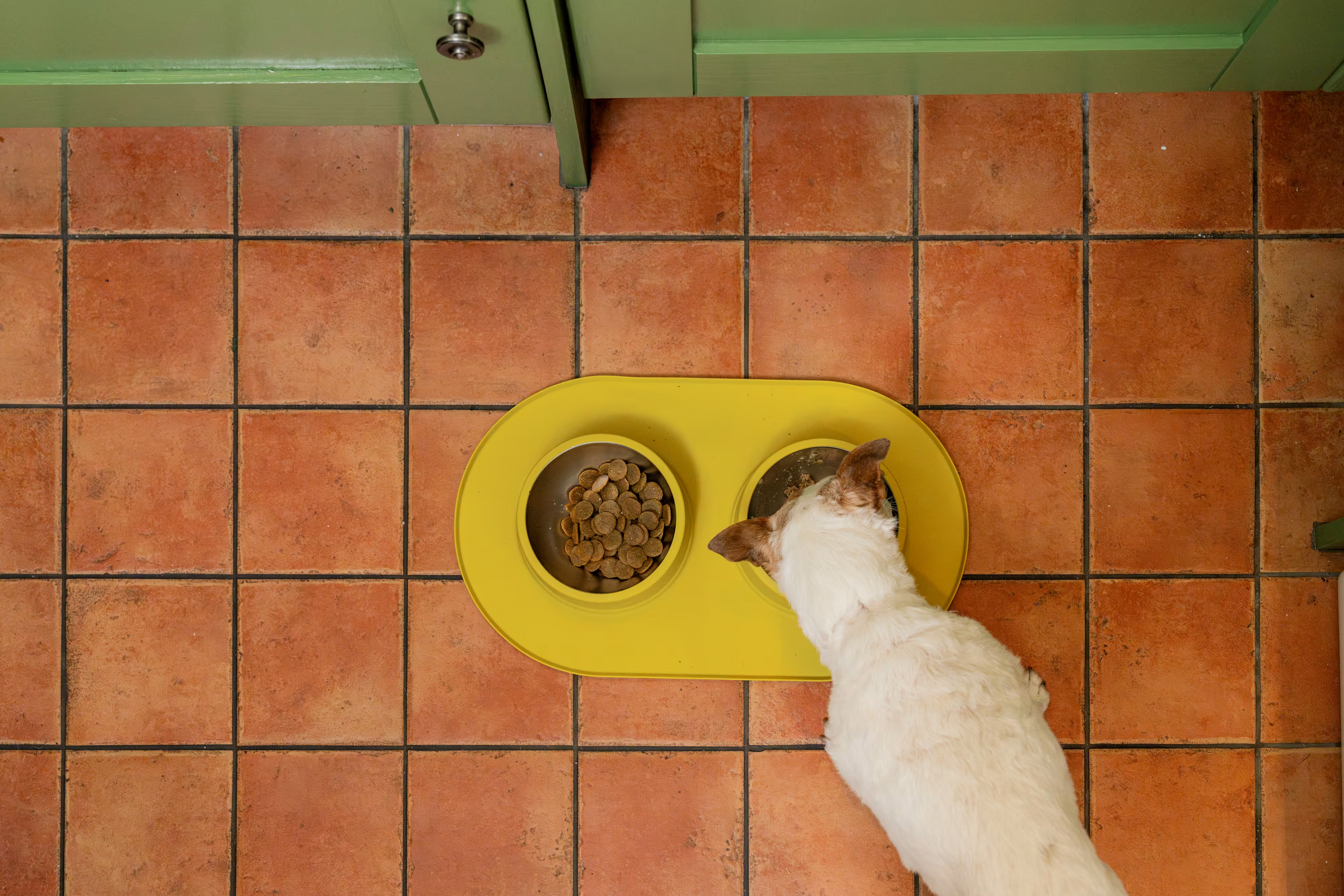
So, in their recovery time, perhaps consider feeding them gentle, digestible, plain ingredients. This will help support their recovery, aid health and digestion, and keep them well fed. When finding the best diet for dogs with Giardia, perhaps focus on including ingredients like:
Salmon, Herring and other White Fish
Potato and Sweet Potato
Plain Chicken or Turkey
Pumpkin
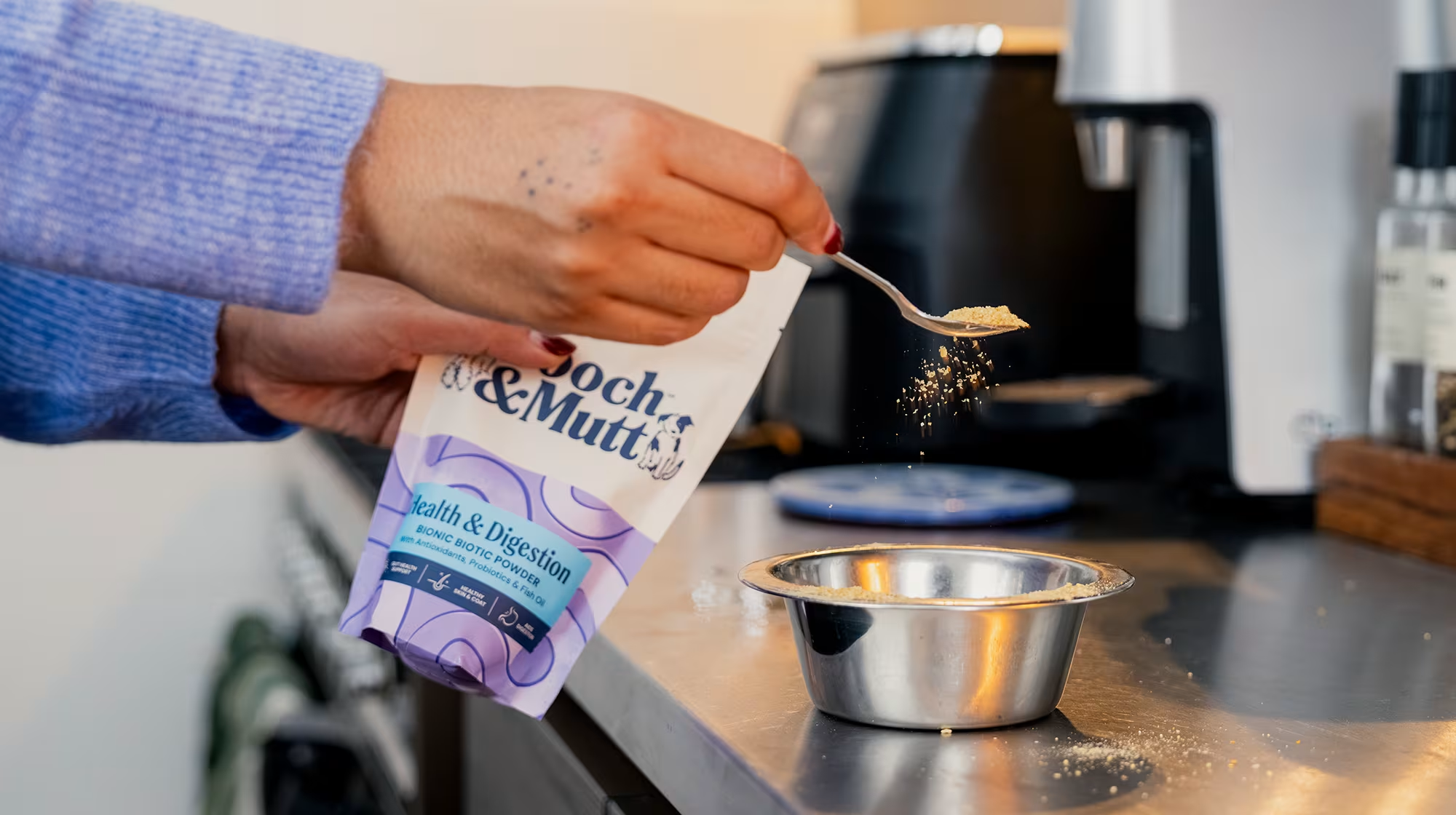
Adding supplements to your dog's diet also provides extra support during this time. Fibre Supplements help support their runny poos, and Immunity Support gives their gut a helping hand when it comes to boosting their recovery and fighting off any other nasties.
For more severe, long-term cases, our Veterinary Food for Gastrointestinal issues is approved by vets, and is formulated to replenish a dog’s gut with digestible proteins, plus healing Prebiotics and Postbiotics, without triggering more sickness.
What are the long-term effects of Giardia?
If treated completely and early on, the outlook is good for dogs with Giardia.
However, due to the impact Giardia can have on your dog’s intestinal wall, it’d be good to consider the long term impact it could have on their gut health, as well as their gut microbiome.
Dogs who’ve had Giardia as puppies may have digestive and gut troubles later in life, even after treatment.
Even if Giardia hasn’t had a lasting impact on their gut health, the medication used to treat it would’ve significantly knocked the delicate balance of bacteria in their gut. Bacteria play a huge role in supporting their overall health and wellbeing. This means intervening in their gut health, like with a Gut Health Test, could be the first step in getting your pooch back on track.
A Gut Health Test would highlight any cases of dysbiosis (or an unbalanced microbiome) and help specifically target areas for improvement that could, in turn, help alleviate other symptoms (like runny poos, skin irritation, and even stress and anxiety).
Find out more about Gut Health Tests here.
It’s also good to consider how your pooch won’t be immune to the parasite and could pick it up again. Remember that immunocompromised dogs and puppies are particularly vulnerable to becoming unwell if they contract Giardia.
What happens if you leave Giardia untreated?
Giardia can clear up on its own after a few weeks, but it isn’t recommended to try it.
During that time, your pooch will be feeling very unwell and may become dehydrated or lose a lot of weight.
Also, the longer the Giardia parasite is left in the body, the more likely it is to spread to other animals or humans, and it could cause long-term damage to the intestine or gut.
We’re sure you’ll agree, it’s best to get your poorly pooch to a vet so they can get treated and well as soon as possible.
Preventing Giardia
Preventing worms and parasites can be tricky business, especially Giardia. Your dog could be unknowingly coming into contacted with infected soil, water sources, and surfaces without even realising.
But there are some things to keep in mind that could help keep Giardia at bay, reduce the spread, and help your dog avoid infection.
You could consider:
Keep on top of picking up poop and cleaning their toilet area
Not letting your dog drink from communal bowls and other water sources like puddles, streams, and rivers
Cleaning bedding, collars, jumpers, and blankets on a regular basis
Having a good hygiene routine after walks, including cleaning their paws, coat, and leads
To help avoid reinfection, hygiene and cleaning is key. But you could also consider:
Keeping up with regular bathing and grooming (considering their coat type)
Re-evaluating going to areas populated with dogs like dog parks, doggy day care, and group walks
Keeping an eye on their poop for any changes
Sensitive Stomachs
-

 from
fromCurrent price: £1.99
Health & Digestion Complete Wet Dog Food -

 from
fromCurrent price: £8.49
Health & Digestion Dry Dog Food -

 from
fromCurrent price: £2.49
Fish, Potato & Pea Wet Dog Food -

 from
fromCurrent price: £3.99
Health & Digestion Postbiotic Fish Treats -

 from
fromCurrent price: £64.99
The Health & Digestion Bundle -

 from
fromCurrent price: £5.99
Health & Digestion Bone Broth For Dogs -

 from
fromCurrent price: £3.99
Dental Postbiotic Meaty Treats -

 from
fromCurrent price: £3.99
Cheddar Cheese Postbiotic Treats -

 from
fromCurrent price: £19.99
Gastrointestinal Dry Dog Food
FAQs
How long does it take for Giardia to go away?
Once your pooch is on the right medication, the symptoms of Giardia can go away very quickly, usually within 2-3 days. In the best case, the parasite will be gone within a week - but your vet may need to do another stool test to check it’s gone completely. As the parasite can be elusive and doesn’t always appear in poop, it might take a few tries.
Do I need to disinfect my house if my dog has Giardia?
As the Giardia germ can get everywhere and is surprisingly hardy, it is a good idea to have a clean of your home if your dog is unwell. If you can, machine-wash their blankets and toys, clean and vacuum floors and disinfect surfaces. Deep cleaning their food and water bowls is also a big one, as Giardia loves to linger in water.
Can I bring my dog around other dogs if he has Giardia?
If your pooch is unwell with a diarrhoea bug, it’s best to keep them away from other dogs as much as possible until they feel better. Giardia is very easily contracted by other dogs, so keeping them a fair distance from others is advised to prevent the spread of the sickness.
This post was originally published in March 2026, but has been updated for comprehensiveness.


