


Key Takeaways:
- A luxating patella is when your dog’s kneecap slips out of place, causing your dog to walk differently, limp, hop, and potentially feel pain and discomfort.
- It’s a common issue in smaller dog breeds - but it can also appear in other breeds due to injury, bone misalignment, or joint issues.
- A vet can assess the severity of your dog’s luxating patella. In severe cases, knee surgery can be the best option.
Have you noticed your dog tends to walk with a hopping or skipping motion, or occasionally limps when out on walks?
They could have a luxating patella, the term for when a kneecap (patella), slips out of its natural groove when walking.
We’re exploring the signs and causes of this common condition, and the best ways to treat a luxating patella in dogs.
What is a Luxating Patella?
A patella is the scientific name for a kneecap. A luxating patella means the kneecap is often slipping out of place.
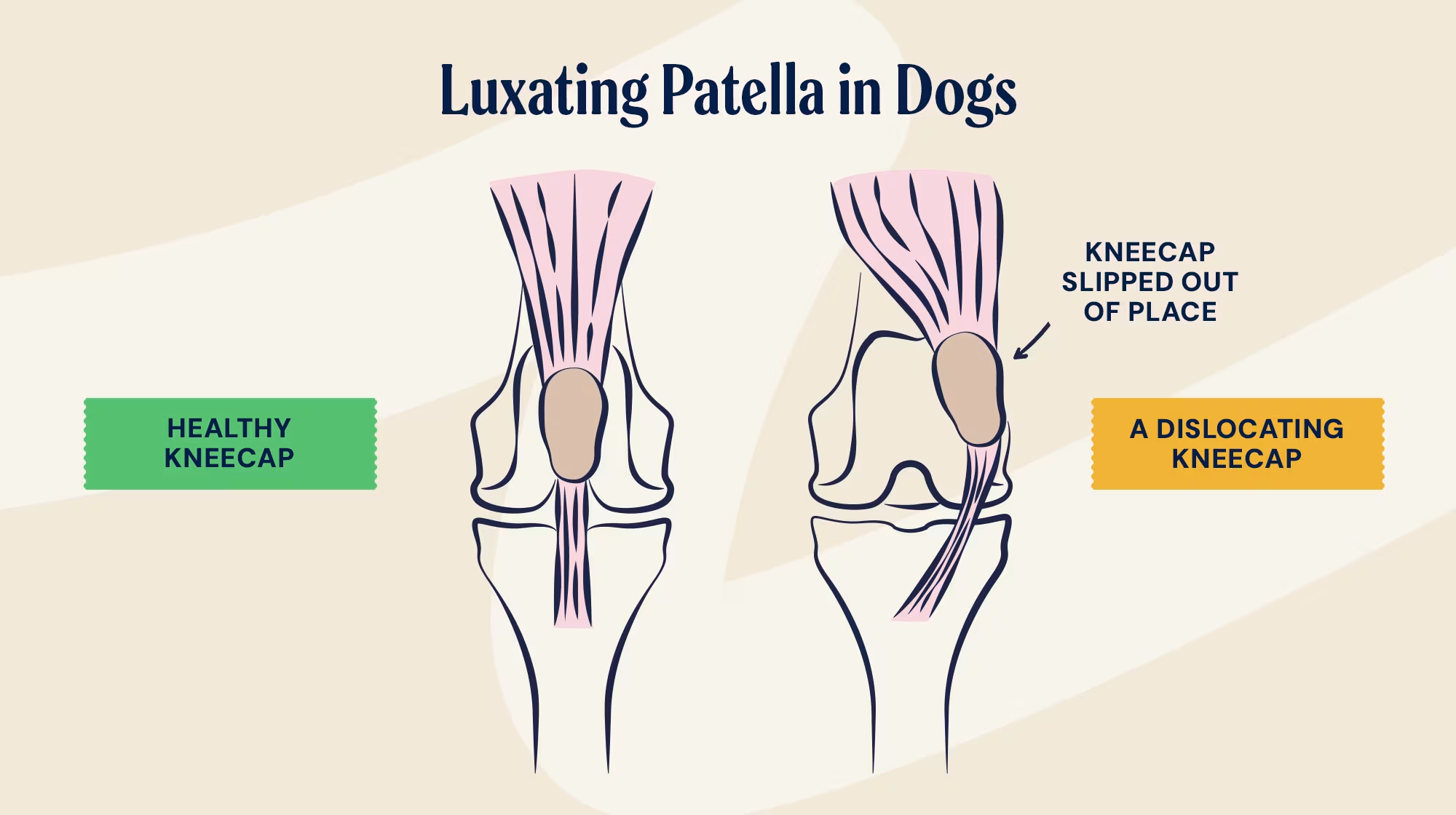
It’s quite a common condition, particularly in small and toy dog breeds, and in many cases can lead to joint conditions such as arthritis.
A luxating patella can make movement a struggle for your pooch, and may put significant stress on their joints. Especially as many dogs change their gait (often skipping or hopping along) in order to get around comfortably.
Symptoms of a Luxating Patella
Some of the most common signs that your dog might have a luxating patella include:
Hopping or skipping. To avoid their kneecap shifting out of place, your pooch may naturally adopt a hop or skip movement when they walk, which can come on suddenly.
Limping or refusing to walk. A luxating kneecap can be painful or uncomfortable when your dog moves. They might limp when out on a walk, or feel unable to walk altogether.
Signs of pain when knee is touched. Your dog might cry or flinch when their affected knee is touched, or growl to warn you off.
Swelling, reddening of the knee. Sometimes a luxating patella can reddening or swelling, much like a sprain or sore joint muscles.
Suddenly unable to walk. If the patella ‘pops out’ during a walk, your pooch might go from walking just fine, to suddenly limping or hopping. This makes it different to a gradual onset limp
Causes of a Luxating Patella
The main causes of your dog’s luxating patella are:
Genetics/breed. Though all dog breeds can get a luxating patella, smaller dogs are more prone to the condition. Genetics is the most common cause.
Injury or trauma to the knee or leg can cause the patella to move out of position. Larger dog breeds will usually get a luxating patella due to injury.
Bone misalignment or abnormality, perhaps from birth, can prevent the patella from sitting snugly in its natural groove.
Weak joints in the knees can mean the patella has a lack of support, and is more likely to pop out of position.
What breeds are prone to a Luxating Patella?
Small and toy dog breeds are more likely to get a luxating patella due to their skeletal structure, weaker muscles, and the way their leg bones move when they walk.
This includes dogs such as:
Miniature and Toy Poodles
However, any size or dog breed can get it, particularly if they’ve suffered an injury.
When to see a vet
It’s advised to take your dog to the vet if you notice:
Your dog limping, hopping or skipping on more than one walk
The limping is now persistent
They seem to be in pain
They are refusing to walk, jump, move, or you’ve noticed their knee ‘pops’ out of place, it’s a good idea to take them to the vet for a check-up.
Your vet can examine their limbs, give them an x-ray and potentially diagnose luxating patella, and it’s severity.

Treatment for a Luxating Patella
If a vet has diagnosed a luxating patella in your dog, they will also grade their condition from 1 to 4, 1 being the mildest case and 4 the most severe.
Mild Luxating Patella - Grades 1 & 2
If your dog’s luxating patella is mild, your vet will give it a Grade 1 or 2.
This means the kneecap only causes only mild discomfort, pops out occasionally but is usually in the right position. This can be treated with pain medications, diet, exercise, and joint supplements.
Severe Luxating Patella - Grades 3 & 4
Grade 3 or 4 is considered a severe case of luxating patella.
This means your dog’s kneecap often pops out, or is permanently out of place. It significantly hinders their mobility, and/or causes pain that impacts their quality of life.
For a severe luxating patella it’s likely you’ll be offered surgery to improve the skeletal structure of your dog’s knee.
Surgery for a Luxating Patella
Surgery for a severe luxating patella should realign the kneecap comfortably, so it no longer slips out of place while your dog walks and moves. A vet could do this by either:
Deepening the trochlear groove (where the kneecap sits)
Adjusting the patellar ligament (which connects the kneecap to the shin bone)
In some severe cases where the bone is misaligned, they'll completely reshapw the knee bone.
What is the cost of surgery for a luxating patella?
The average cost for luxating patella surgery can range from anywhere between £1000 and anything over £5,000 per knee.
Cost will depend on the type of surgery they have, and the severity or grade of their luxating patella. Be sure to discuss all avenues of treatment for your pooch, including the breakdown of costs.
Care & Prevention
Sadly, many dogs with a luxating patella will develop arthritis as they age.
If you know your dog has a luxating patella, they will need special care and exercise throughout their lives to stay comfortable and mobile, and to slow down the onset of arthritis or other joint conditions.
To keep your dog comfortable, and slow down the development of long term joint issues, you could consider:
Help your dog maintain a healthy weight
Maintaining a healthy weight is one of the best ways for your dog to take stress off their knee(s) and other joints.
To keep them lean and light on their feet, feed your dog high-quality dog food full of whole proteins, and nutritious veggies and fruit - avoiding cheaper food full of preservatives, filler ingredients, and sugar.
Try to opt for healthy dog treats, so even when they’re getting a little reward, it’s still doing them some good!
This move will have countless benefits for your pooch, nourishing their body and mind as well as keeping them from piling on the pounds.
If your vet has recommended your dog should shed a few pounds to alleviate pressure on their joints, you can opt for a low fat diet for your dog. This means focusing a little less on the treats, and more on a diet with lean proteins and plenty of dog-safe fruit and veggies!
Diet and supplements that target joint & mobility health
Choosing delicious, nutritious food is key to their physical health, and switching to joint-friendly dog food can go a long way in supporting your dog’s knees, and helping prevent further damage.
Dog food for joint care usually contains ingredients scientifically-proven to build resilience and reduce inflammation in joints, such as Green-lipped mussels, Collagen, Glucosamine, Chondroitin and Salmon Oil.
Joint-care supplements for dogs also offer these ingredients in a concentrated format, and act as a great, easy way to guarantee a boost for your dog’s joints through their diet.
Slow down with gentle walks and plenty of down time
A pooch with a wayward patella will need to take things slow most of the time.
Regular exercise is just as important as ever, but try to focus on steady and relaxed walks, rather than tearing across fields or endless zoomies around the house!
Exercise could just look a little different for your dog with a luxating patella. Instead of vigorous hikes, you could try off lead walks on grass, swimming, or off lead scent games. To relieve pressure from their joints, try to shy away from walking on hard surfaces, like concrete or paving.
And of course, after a longer walk, your pooch will need down time to rest their legs more often.
Regular vet and physio check-ups
Have a vet regularly check your dog’s knees to stay on top of their condition and tackle any further problems that might crop up.
Your vet can also recommend a physiotherapist, who can show you some safe, beneficial exercises to strengthen your dog’s legs and knees.
Joint Care
Support healthy joints and maximum movement with our Joint & Mobility range. Carefully selected ingredients help improve mobility, soothe aches and pains, and reduce inflammation — helping bring joy back to joints.
-

 from
fromCurrent price: £15.99
Joint Care Dry Dog Food -

 from
fromOriginal price:
£10.99Current price: £8.99
Mobile Bones Dog Joint Supplement -

 from
fromCurrent price: £14.99
Joint Tablets For Dogs -

 from
fromOriginal price:
£11.49Current price: £9.49
Salmon Oil For Dogs -

 from
fromCurrent price: £18.99
Gut-Joint Matrix Supplement -

 from
fromCurrent price: £35.99
Joint Health and Inflammation Bundle -

 from
fromCurrent price: £24.49
The Joint Care Bundle
FAQs
Should you walk a dog with a luxating patella?
Absolutely, as dogs need their walks! However, rest time is an essential part of treatment for your pooch’s patella.
Gentle, low-impact exercise is one of the best things you can do for their physical and mental health. Walking keeps your dog’s muscles and joints limber and strong, helps slow the onset of arthritis as they age, and also boosts their wellbeing!
The goal is to keep your dog active, but without putting stress on their joints. Get guidance from your vet over how to walk your particular dog safely - but the best tip is to keep it light and easy, so your dog’s knees aren’t strained or pushed.
What happens if a luxating patella is left untreated?
No matter the severity of your dog’s luxating patella, without the right care and treatment it can worsen quickly over time.
Your pooch could get an injury, damage their knee further, or develop arthritis at a much younger age than if they’d had treatment.
Getting them on a diet and supplement plan that specifically targets joint health, physiotherapy, exercise, and possible surgery for their patella problem means they will live a longer, more comfortable future.
Can a dog live with luxating patella?
Yes, a dog can certainly live with a luxating patella, especially if it's a milder cases. Those with more severe cases will most likely develop arthritis, which does progressively get worse with time. That said, a targeted diet, an adapted lifestyle, and less vigorous walks can help alleviate symptoms and keep your pooch comfortable for as long as possible. If you have any queries about what changes to make for your dog whilst living with joint issues, be sure to speak to your vet.


