


Key Takeaways:
- Bloat in dogs is when a dog’s belly fills with gas, fluid or food that can’t be released. Without immediate treatment, it can be fatal.
- Signs of bloat in dogs can include a swollen belly, signs of pain, retching with no sick, restlessness, quick breaths or excessive panting, and in severe cases, they may collapse.
- If your dog shows any of the above symptoms, immediately call a vet for guidance. Ignoring bloat can prove life-threatening within a matter of hours.
Bloat is a serious condition in which a dog’s belly fills with gas, fluid or food that can’t be released. Bloat can be highly dangerous if the dog doesn’t get emergency treatment, as it can reduce or even cut off their blood supply. This can prove fatal, so if you believe your dog might have bloat right now, it’s urgent that you call a vet right away. Read on to learn about the signs of bloat in dogs, how a vet will treat bloat, and tips on how to reduce the likelihood of bloat for your dog in the future.
Signs of bloat
Knowing the symptoms of bloat can help you keep your dog safe, as you can seek treatment as soon as you notice them. Here are the main signs to watch out for:
A swollen or hard belly that gets progressively worse with time
Your dog seems in pain - whining, agitated and looking at their stomach
They may try to be sick, but not produce anything.
Pay attention if your dog is retching with no result
Restless behaviour, such as pacing and an inability to relax
Quick breaths or excessive panting
In severe cases, they may collapse
Why can bloat be fatal?
Bloat poses several serious dangers for dogs:
It can damage or tear their stomach wall, reduce blood supply to their organs, and make it harder for your dog to breathe.
In severe cases, it can cause the stomach to rotate or twist, also called Gastric Dilatation Volvulus (GDV), which can send your dog into shock, cause irreversible damage to their stomach lining and organs, or prove fatal.
What to do if you suspect your dog has bloat
If your dog shows any of the above symptoms, immediately call a vet for guidance - as ignoring bloat can prove life-threatening within a matter of hours. They will likely ask you to bring your dog in for emergency treatment. In the meantime, keep your dog calm and comfortable - don’t encourage movement but don’t force them to lie down either. Avoid giving your dog food or drink, or massaging their stomach in any way.
What causes bloat?
Sometimes bloat will come on for no reason at all, so it’s not always preventable. However, certain circumstances can trigger an attack of bloat in dogs, such as:
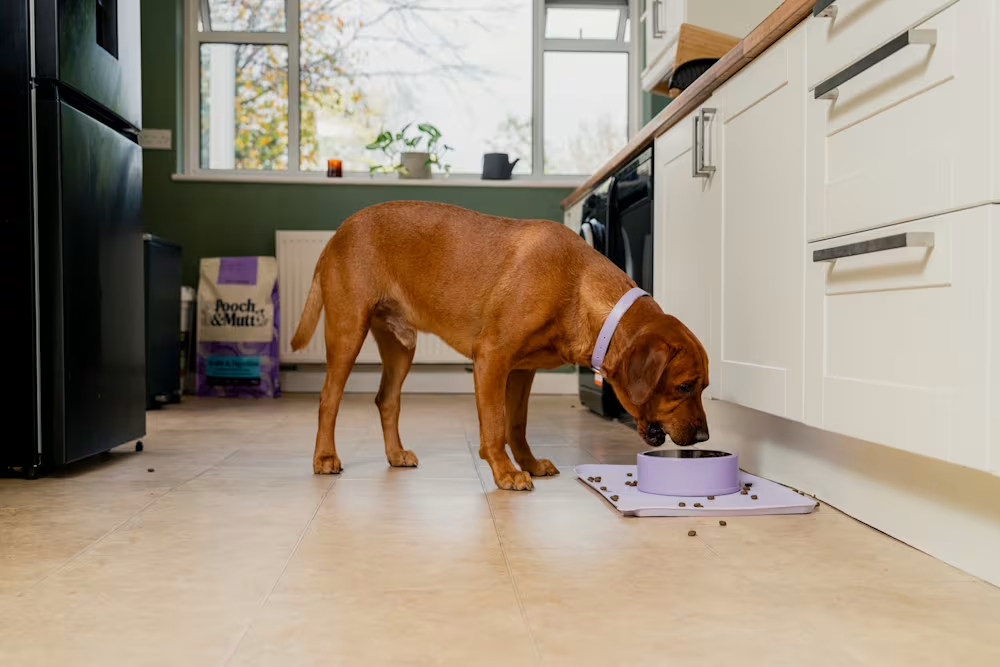
Eating a big meal once a day, or eating big meals too quickly.
Vigorous exercise or excitement too close to mealtimes.
Swallowing lots of air is common when wolfing down food.
Stressful situations - like changes in routine, heightened emotion from owners, surgery, lots of visitors, or a house move.
Food that is very dry, very high in fat, or hard to digest.
Breed can be a factor, as deep-chested dogs are more likely to get bloat
There is some evidence that male dogs, heavier dogs, older dogs, or dogs with a family history of bloat may be more likely to suffer.
How to prevent bloat
Though bloat can sometimes come on for no reason at all, there are nutrition and lifestyle changes that may have some impact. Here are some ways to prevent bloat in dogs…
If your dog eats one large meal a day, encourage them to eat slowly by feeding smaller portion sizes, more often - around two or three times a day instead. A slow feeding bowl can also help them slow down. Vet Linda says: 'Many other sources may advise to elevate food bowls, however this doesn't help with prevention and is outdated advice'.
Mealtimes should be calm and routine - it’s best not to hype your dog up when they’re hungry, or get them too excited right before a meal.
Rather than feed your dog immediately before or after a walk, create space between exercise and mealtimes, so your pooch has time to transition and calm down for each activity.
Consider what your dog eats - are they regularly getting high-quality food, full of whole proteins and nutritious ingredients that are easy for them to digest?
If your dog is a high-risk breed (such as a Great Dane or German Shepherd), you might consider preventative gastropexy - where the stomach is pinned into place to prevent it from being twisted. Your vet will be happy to discuss whether this is the right option for you.
The difference between bloat and a twisted stomach
Though the symptoms of bloat and a twisted stomach are very similar, a twisted stomach (called GDV, Gastric Dilatation-Volvulus) requires emergency surgery as it can cut off your dog’s blood supply and cause damage to the stomach lining and/or other organs. Sometimes, bloat can cause the stomach to rotate or twist. This is why it’s vital for you to take your dog to the vet immediately after noticing bloat symptoms, as only they can assess the severity of your dog’s condition.
How to treat bloat
Call your vet as a matter of emergency as soon as you spot the signs of bloat in your dog, as they can quickly assess and provide treatment. The sooner your pooch is seen, the higher the likelihood of them fully recovering.
How will a vet treat bloat?
Your vet will likely take an X-ray to assess the severity of your dog’s bloat. Often, they’ll be hospitalised so their stomach can be decompressed, perhaps with a surgical tube leading to the gut. Your dog may be hooked up to an IV drip to support circulation and blood pressure. In severe cases, your dog may require surgery, especially if it turns out their stomach is twisted. While in recovery, it’s common for your dog to be put on antibiotics and painkillers to soothe any damage done to the stomach wall, and for your dog to go on numerous gentle walks to encourage regular movement in the digestive system.
What dog breeds are more susceptible to bloat?
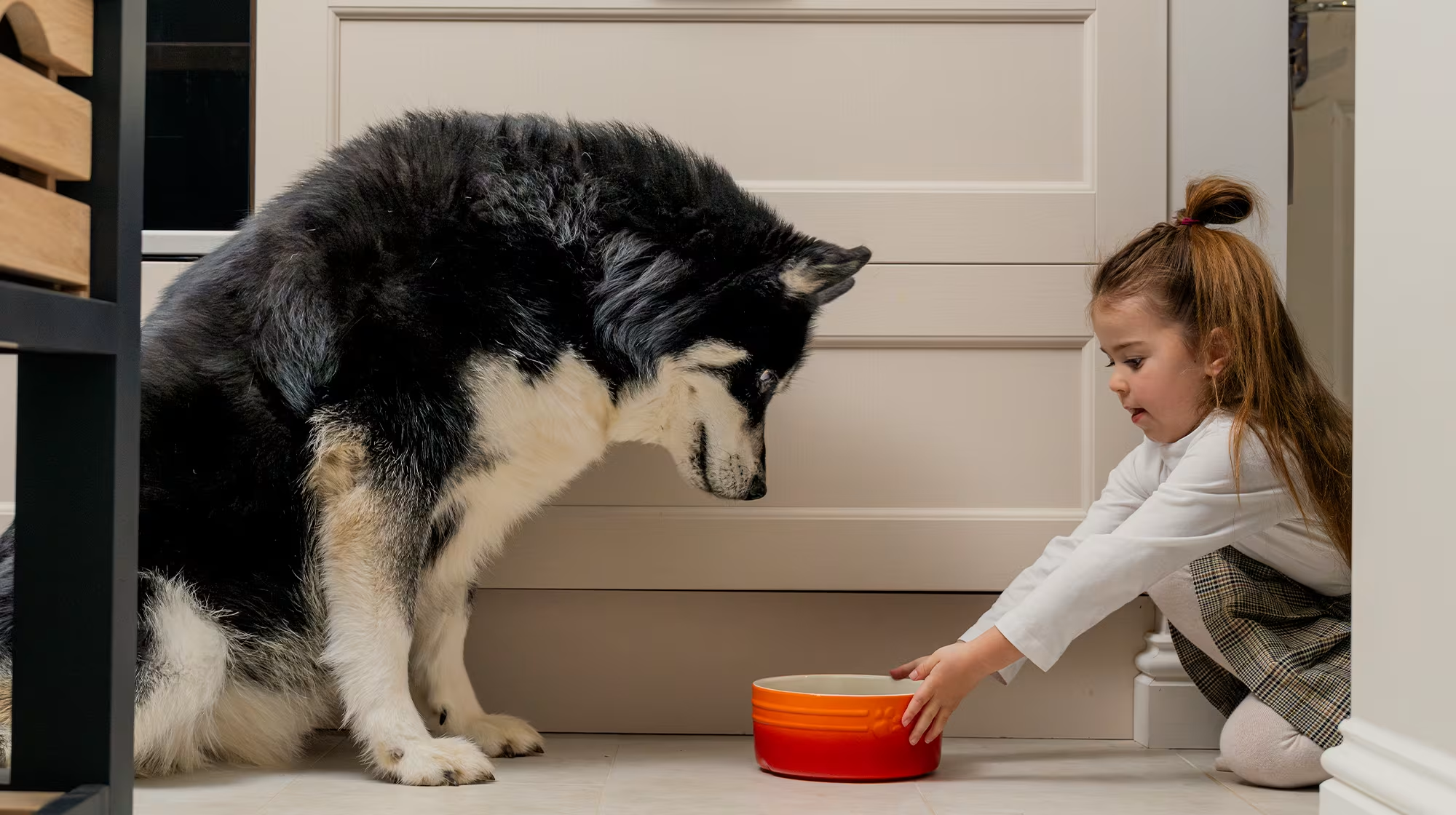
Though all dogs can suffer from bloat, genetics sometimes play a part - for instance, deep-chested dogs are more susceptible. Dog breeds more likely to get bloat include:
Great Danes
Standard Poodles
Weimaraners
What to feed a dog who gets bloat?
Certain kinds of food can cause havoc in a dog’s digestive system and be a bigger culprit for causing bloat than other foods, such as high-fat food, food full of preservatives or particularly dry kibble.
Introducing gently digestible ingredients into your dog’s meals can soothe the environment in their gut and intestines, meaning they don’t retain gas or fluid as much. White fish, soft potatoes and easy to eat vegetables like peas and carrots are a great option; as is dog food for boosted digestion (ours is packed with tasty, gut-friendly ingredients like Turkey, Herring, Fennel and Hemp).
Transitioning from dry food to wet food can also help, but switch your dog’s meals gradually so their body isn’t shocked by the sudden change.
Or why not try some nifty supplements for gut health to ease your pooch’s digestion? Natural ingredients like Turmeric, Spirulina, Chicory Root and other probiotics and prebiotics can promote harmony in your dog’s gut and make digestion easier. Remember to always chat to your vet before trying a new supplement.
Digestion
Support sensitive stomachs with our Health & Digestion range. Gut-friendly ingredients aid digestion, nutrient absorption, and overall vitality — to nurture digestive health with ease.
-

 from
fromCurrent price: £8.49
Health & Digestion Dry Dog Food -

 from
fromCurrent price: £1.99
Health & Digestion Complete Wet Dog Food -

 from
fromCurrent price: £4.99
Health & Digestion Fish Hide Chews -

 from
fromCurrent price: £2.49
Fish, Potato & Pea Wet Dog Food -

 from
fromCurrent price: £5.99
Health & Digestion Beef Collagen Chews -

 from
fromCurrent price: £3.99
Health & Digestion Postbiotic Fish Treats -

 from
fromCurrent price: £64.99
The Health & Digestion Bundle -

 from
fromCurrent price: £5.99
Health & Digestion Bone Broth For Dogs -

 from
fromCurrent price: £3.99
Dental Postbiotic Meaty Treats -

 from
fromCurrent price: £3.99
Cheddar Cheese Postbiotic Treats -

 from
fromCurrent price: £19.99
Gastrointestinal Dry Dog Food
This post was originally published in February 2026, but has been updated for comprehensiveness.


