


Key Takeaways:
- Hot spots, also called Acute Moist Dermatitis, are inflamed patches on your dog's skin that become irritated, weepy, and sore.
- Excessive itching or scratching can cause hot spots, stemming from skin irritation like a rash or insect bite. They worsen and spread if bacteria get into them.
- Hot spots usually clear up relatively easily with treatment from your vet and time to heal, and can be prevented by a healthy diet. One that uses natural ingredients to target skin & coat health and alleviate symptoms of allergies.
Ever noticed an angry, oozing spot on your pooch that they can’t seem to stop nuzzling and scratching? It could be a hot spot, as they’re relatively common for dogs.
Early on they generally look worse than they are, so it’s understandable if you’re not sure what to make of it. In this article, we’ll explore what causes hot spots in dogs, what signs of hot spots to look out for, and how to clear them up quickly with the right treatment.
What are hot spots on dogs?
Hot spots are angry and inflamed patches on your dog’s skin.
A hot spot will often start as an insect bite, a rash, or other skin irritation (like from allergies) that might attract bacteria and become infected.
As they’re itchy or sore, your pooch will likely keep nuzzling and licking the hot spot, which extends the healing process and can worsen the wound.
What do hot spots look like on dogs?
Hot spots aren’t pretty!
They’re usually reddened and swollen, hairless, and might develop a scab-like or crusty appearance.
Often they’ll seem wet, smell bad, or ooze pus if very infected.
They can appear anywhere on a dog’s body, but if your pooch can reach it with their nose or paw, it’s more likely to be nudged, scratched and disturbed as it tries to heal.
What causes hot spots on dogs?
Hot spots start as skin irritation, which can develop for a few reasons:
Allergies
Common allergies in dogs include an ingredient in their food, something in their environment like dust mites or grass, or even flea bites. Allergies might lead to a rash, swelling, or raised bumps on the skin.
Moisture
Staying wet after swimming, bathing, or being outside in the rain can trap moisture in the layers of a dog’s coat and skin, and irritation can develop.
Grooming issues
If your pooch hasn’t been groomed in a while, their fur can mat, tangle, and become grimy - ideal conditions for bacteria and soreness to breed on the skin.
Boredom or stress
An anxious or bored dog might lick or nuzzle their skin out of habit, eventually causing skin irritation if they’re always nudging the same areas.
What breeds are prone to hot spots?
Any dog can suffer from hot spots, but those with long, double coats or those with natural skin folds may be more prone.
Dogs such as Golden Retrievers, Labradors, Collies, German Shepherds, Newfoundlands, St Bernards, and Siberian Huskies can be prone.
As well as any flat-nosed breeds like Pugs and French Bulldogs, or dogs with natural skin folds like Shar-peis or English Bulldogs.
Dogs that are prone to allergies are also susceptible to hot spots, including Cavapoos, some Terriers, and Cocker Spaniels.
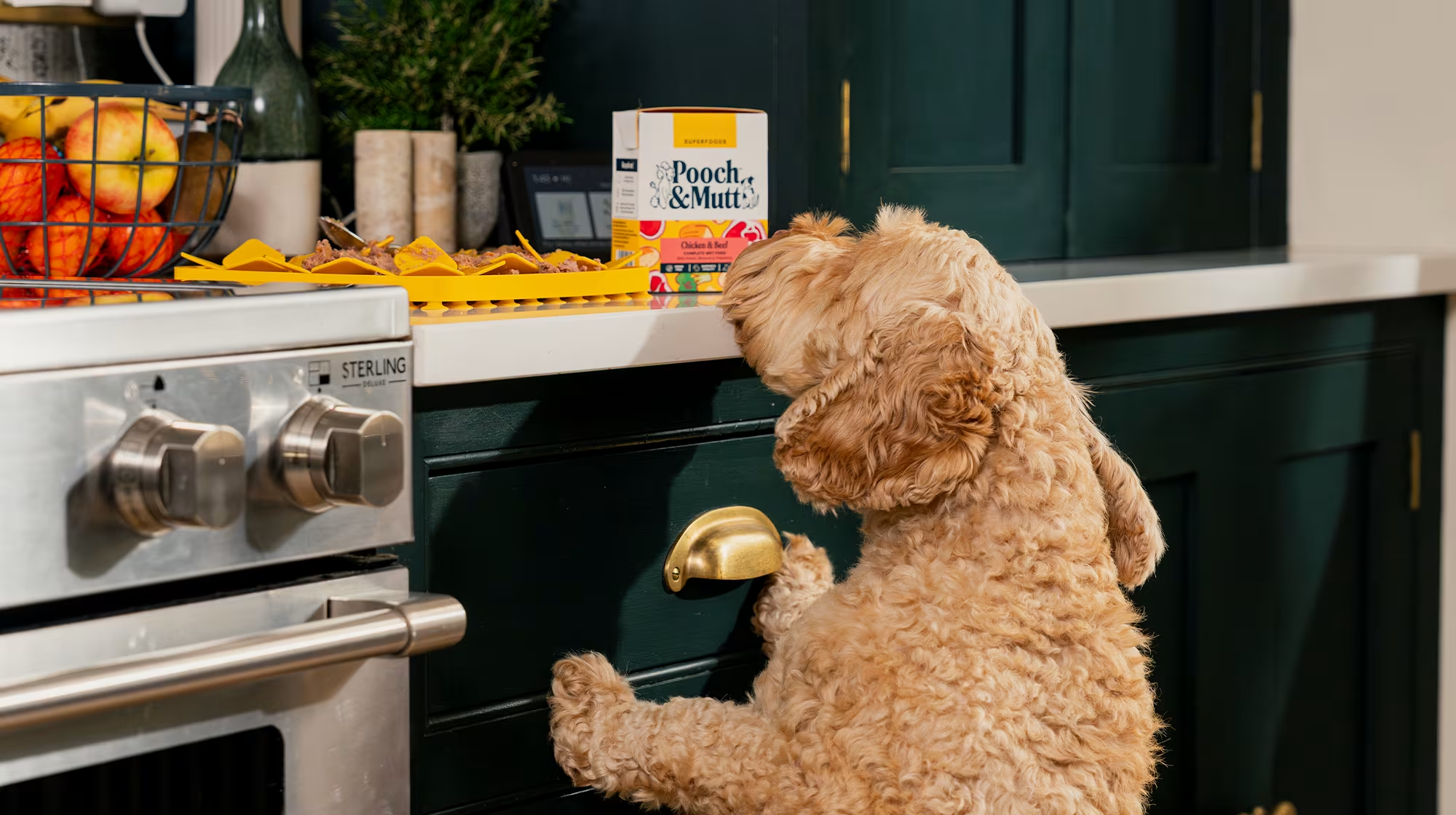
Hot spot treatment for dogs
Hot spots won’t clear up on their own without treatment to tackle the infection, heal the wound, and stop your pooch from licking or scratching it. This requires a vet visit.
What will the vet do to treat hot spots?
Your vet will examine your dog’s hot spot(s) and then focus on stopping the spread of the infection.
Usually, treatment will include:
Trimming the sore area
Gently cleaning the area with an antiseptic wipe or solution, making sure it’s dry and gets air
For very gunky hot spots, your vet might bathe your dog with a gentle, medicated shampoo.
Some vets may offer Corticosteroids or NSAIDs to reduce inflammation and provide some pain relief.
An inflatable collar or cone can prevent them from nuzzling the wound, as it must be left alone to heal. For severe infections, your pooch might be put on antibiotics for a few days.
Inflammation, allergies and skin issues can also be made worse if your dog’s gut health isn’t up to scratch. An imbalance of the delicate ecosystem of bacteria that lives within the gut can also allow more harmful bacteria to escape the gut and cause havoc across the body.
You can assess the bacterial balance of your dog’s gut with a Gut Health Test. With one sample of their poop, the scientists in our lab can analyse a sample of the bacteria present, and we can then advise you on how to get things back on track.

Can you treat hot spots on dogs at home?
Pooch & Mutt's resident Vet Linda says:
“I'd always advise vet care over treating hot spots at home, as a true hot spot is quite painful for the dog, and the sooner we start treatment, the better.”
But if you do discover a hot spot developing on your dog, then you could do the following while waiting to see a vet.
Trim fur around the wound, clean it with an antiseptic (one that’s safe for dogs)
Provide some kind of barrier between your pooch and the hot spot so it stays dry (like a doggy t-shirt or inflatable collar, if you have one).
Always be sure to get in touch with a vet so they can assess the severity and get your sore pooch the right treatment for fast healing.
Under any circumstances, don’t be tempted to use human-grade ointments and creams, like petroleum jelly or hydrocortisone (including Vaseline and Sudocrem). Not only are they not made for pooch skin, but they can also urge your dog to lick the area more. So if you’re looking to use some kind of medicated treatment, be sure to speak to your vet.
Helping your dog’s hot spot to heal
It will take a few days for your dog’s hotspot(s) to settle down and no longer irritate your dog. The most important element is that they’re unable to scratch or lick it, so it stays dry and heals.
While your dog’s hotspots are healing, keep an eye on them and try to distract them each time they try to reach and poke at their skin. Enrichment activities can help with this, like training games, playing fetch with their favourite toy, or offering a puzzle or lick mat.
Long-lasting chews make for a great distraction and also calms your dog down (like our Calming Fish Hide Chew), or you could use some Calming Dog Treats with mood-boosting ingredients, like Turkey & Hemp.
Remember to keep your dog’s hot spot(s) clean and dry, and soon the redness and infection should settle down. Get in touch with your vet if they don’t appear to be improving.
Try and avoid puddles, lakes, and bodies of water whilst on walks. But if your dog does happen to get wet, like at bath time, just make sure the hot spot is left to completely dry.
How to prevent hot spots on dogs
Though topical treatment of hot spots is important, working out why they’re happening is important, too.
If your pooch has an unknown food allergy, for instance, they might keep getting the same itchy skin irritation, and painful hot spots are more likely to recur.
Preventing hot spots in dogs can include:
A specialised diet
Dog food for allergies If you suspect a specific food is triggering your dog’s skin issues, you could try to identify your dog’s food allergy, usually with an elimination diet or a trip to the vet.
From there, your pooch might benefit from specialist dog food for allergies. This food often contains a novel protein, such as Salmon, and in some cases a hydrolysed protein, which can cleverly bypass an allergic reaction. Dog food for skin & coat health Dry, flaky skin that’s susceptible to irritation or rashes can cause your pooch to itch like crazy, leading to breaks in the skin that become hot spots. A high-quality dog food for skin and coat health will ensure your pooch stays soft, shiny and comfortable in their own skin.
Food for skin & coat condition tends to include nourishing, anti-inflammatory supplements like Salmon Oil, Collagen and Linseed, and healthy, tasty hypoallergenic proteins such as Herring.
Calming Food for Dogs An anxious dog is more prone to scratching or licking their skin when they’re bored or on edge. This can lead to hair thinning, soreness, and even bleeding.
Calming food for dogs often contains Postbiotics to promote harmony in the gut, as digestion and mood are intrinsically linked through the gut-brain axis.
It also uses naturally soothing ingredients such as Turkey, Hemp, or Chamomile. Adding these natural relaxants to your dog’s diet can go a long way in boosting their wellbeing, so they go easy on the scratching fits, and hot spots stay far away.

Regular flea and worming treatment
Fleas and some parasites can lead to inflammation and itchy skin, which your pooch will try to scratch with constant licking and increase the risk of hot spots.
Keeping on top of bathing and grooming
Specifically for longer-haired breeds, keeping on top of their grooming and bathing routine will help prevent hot spots from developing. Not only does it help avoid matting and opportunities for trapped moisture, but it also helps keep bacteria and other nasties at bay.
Keeping them occupied
Stress, boredom and anxiety can lead to increased licking and chewing, which can consequently lead to hot spots.
Be sure to keep their mouths and minds occupied with the likes of a long-lasting chew, licky mats, treat puzzles, and snuffle balls.
Recommended dog food to help prevent hot spots
-

 from
fromCurrent price: £15.99
Skin & Coat Dry Dog Food -

 from
fromCurrent price: £8.49
Calm & Relaxed Dry Dog Food -

 from
fromCurrent price: £8.49
Health & Digestion Dry Dog Food -

 from
fromCurrent price: £19.99
Sensitivity Dry Dog Food For Allergies -

 from
fromCurrent price: £20.99
Salmon Complete Dry Dog Food with Insect -

 from
fromOriginal price:
£11.49Current price: £9.49
Salmon Oil For Dogs -

 from
fromCurrent price: £18.99
Gut-Skin Support Supplement
FAQs
Do hot spots on dogs go away?
Hot spots won’t necessarily go away on their own, especially if your dog is left to lick at it.
Hot spots and irritated skin should always be tended to, ideally by a vet. This way, you can prevent or intervene with infection, and quickly get them on the mend.
If you do notice your dog constantly licking at what you believe to be a hot spot, then try to distract them while you get them an appointment at the vet.
How are hot spots different from a regular rash or skin irritation?
Hot spots, or Acute Moist Dermatitis, differ from a rash or just skin irritation mainly due to how they appear ‘wet’. Other skin issues are often dry and flaky, but hot spots remain wet, can ooze, and can sadly be quite painful for your pooch.
Where dry, skin irritation would benefit from moisture, keeping hot spots clean and dry is crucial in their healing.
Can hot spots appear anywhere on the body?
Yes, your dog can develop hot spots anywhere on their body, but they’re more often found on their head, neck, hips, and limbs.
Usually, hot spots can be found on places where they can reach to lick and nibble at, so when checking your dog’s skin health, be sure to focus on these areas.
What happens if a hot spot is left untreated?
If your dog’s hot spot is left untreated, it could allow for infection to take hold and worsen.
This can lead to other complications like hair loss, harder-to-treat ulcers, long-term skin damage, and a bacterial infection that may need a course of antibiotics.


