


Key Takeaways:
- Hyperpigmentation in dogs can look like dark or black discoloured patches on the skin. They're often found on hairless parts of the body like the belly, groin, armpits and legs, but can spread to the face and ears.
- For some breeds, like Dachshunds, hyperpigmentation can be completely normal and not linked to any other health condition. This is referred to as primary hyperpigmentation.
- More commonly, hyperpigmentation occurs as a symptom of another underlying health condition. This is called secondary hyperpigmentation. This can be caused by obesity, allergies, skin conditions, lupus, skin mites, hormonal imbalances like Cushing's or Hypothyroidism, and sometimes cancer.
- There's no cure for primary hyperpigmentation, but it can be improved once the underlying cause has been addressed and treated. With any sudden changes in your dog's skin, be sure to contact your vet.
Have you noticed patches or speckles of your dog’s skin thickening and darkening in colour?
This is often the main sign of hyperpigmentation.
Though it’s not always serious, it’s important to pay attention all the same, as your dog’s changing skin colour can have a few underlying causes that will probably need treatment.
In this article, we’ll discuss the different kinds of hyperpigmentation in dogs and what it means for your dog’s health.
What is hyperpigmentation in dogs?
Hyperpigmentation is a term for when a dog’s skin changes colour.
It usually manifests as a darkening and thickening of the skin that starts in speckles or patches, and spreads throughout the body.
Rarely, this can be a natural skin tone change with no underlying cause, called primary hyperpigmentation. This most often occurs in Dachshunds, but less commonly it can appear in other dog breeds.
Most of the time, hyperpigmentation is a symptom of one or more underlying health issues.
This is called secondary hyperpigmentation, and it’s the condition that’ll often need treatment.
What causes hyperpigmentation in dogs?
Secondary hyperpigmentation is often a symptom of health conditions that cause chronic inflammation, such as:
Obesity. Hyperpigmentation can often occur in obese dogs due to skin folds and rubbing skin, leading to chronic irritation and skin thickening.
Breeds prone to this condition include Labradors, Golden Retrievers, Rottweilers, and Cocker Spaniels.
Skin allergies or skin conditions, like contact dermatitis.
Breeds prone to this condition include Terriers including West Highland Terriers, Yorkshire Terriers and Bull Terriers, Golden Retrievers, Labradors and French Bulldogs.
Hormonal imbalances like hypothyroidism or Cushing’s disease.
Breeds prone to this can condition include Golden Retrievers, Dobermans, Dachshunds, Miniature Schnauzers, Cocker Spaniels, Irish Setters, Miniature Poodles, Boxers, Boston Terriers, and Yorkshire Terriers.
Lupus.
Breeds prone to this condition can include German Shepherds, Huskies, and Collies.
Demodicosis (skin mites).
Breeds prone to this condition can include English Bulldogs, Shar-Peis, Pugs, French Bulldogs, and Boxers as puppies.
Adult dogs that are prone to skin mites include Shih-Tzus, West Highland Terriers, and Border Terriers.
Sometimes it’s a hormonal imbalance from the health condition that may cause the dark patches, as hormones can increase melanin in the skin. Primary hyperpigmentation is caused by genetics. It’s most common in Dachshunds, but rarely it can occur in other dog breeds.

What does hyperpigmentation look like in dogs?
The most common sign of hyperpigmentation is the thickened, dark or black spots on the skin.
These spots usually appear in areas of the body that are hairless, such as the armpits, belly, groin and legs - but the dark spots can spread to other parts of the body like the face and ears.
If your dog has primary hyperpigmentation (rare in most dogs and breed-specific), there will likely be no other symptoms. However, if the patches are due to an underlying cause, they will be accompanied by symptoms of that particular health issue.
For instance:
If it’s due to allergies, for instance, you may notice your dog also has bowel and digestion issues, itchiness, ear infections or lethargy. If the skin's infected, there may be reddening skin around the dark patches.
If the hyperpigmentation is due to obesity, your pooch could have a lack of energy, joint pain, or problems getting upstairs or into a car.
If it’s due to skin infections such as contact dermatitis, your dog might be excessively itchy, with scabs and oozing spots on their skin.
Can hyperpigmentation in dogs mean cancer?
Skin cancer in dogs can cause black or dark spots and other pigment changes on the skin.
The type of pigment changes can differ according to the type of tumour. This is often referred to as Cutaneous tumour-related hyperpigmentation and can also result in significant changes in the skin texture and appearance.
Any sudden skin colour or texture change in your dog should always be investigated by your vet, but especially if their skin's firm, raised, or oozing.
Is hyperpigmentation in dogs dangerous?
Hyperpigmentation isn’t an emergency, but it shouldn’t be ignored, as you’ll want to identify the root cause. This will improve your pup’s overall health and in turn, reduce the darkening skin patches.
If sudden skin changes and hyperpigmentation are alongside other concerning symptoms and skin changes, be sure to check in with your vet.

How to treat hyperpigmentation in dogs
As soon as you notice new dark patches of skin on your dog, even if they’re only pin-prick-sized at first or don’t seem to be bothering your pooch, take note of any other symptoms you’ve noticed and call your vet for guidance.
Your vet can carry out a thorough assessment as well as any necessary blood tests to identify the underlying cause.
Once the core issue has been diagnosed, they’ll put your dog on a treatment and lifestyle plan to tackle their inflammation, and the spread of your dog’s hyperpigmentation should slow down.
If their skin patches are itchy or flaky, your vet may also prescribe a specialist shampoo or topical cream to soothe any irritation.
There's no treatment or cure for primary hyperpigmentation, as it’s often a cosmetic issue with no underlying health problem.
However, hyperpigmentation can significantly improve once the underlying cause has been addressed and treated. More severe skin disease can lead to permanent pigment changes.
What does healthy skin look like for dogs?
No matter what colour your dog’s natural skin's (pink, brown, blueish, tan or even if they are naturally covered in coloured spots), healthy skin for a dog should be evenly coloured, smooth and soft, with no redness, flakiness or scabs.
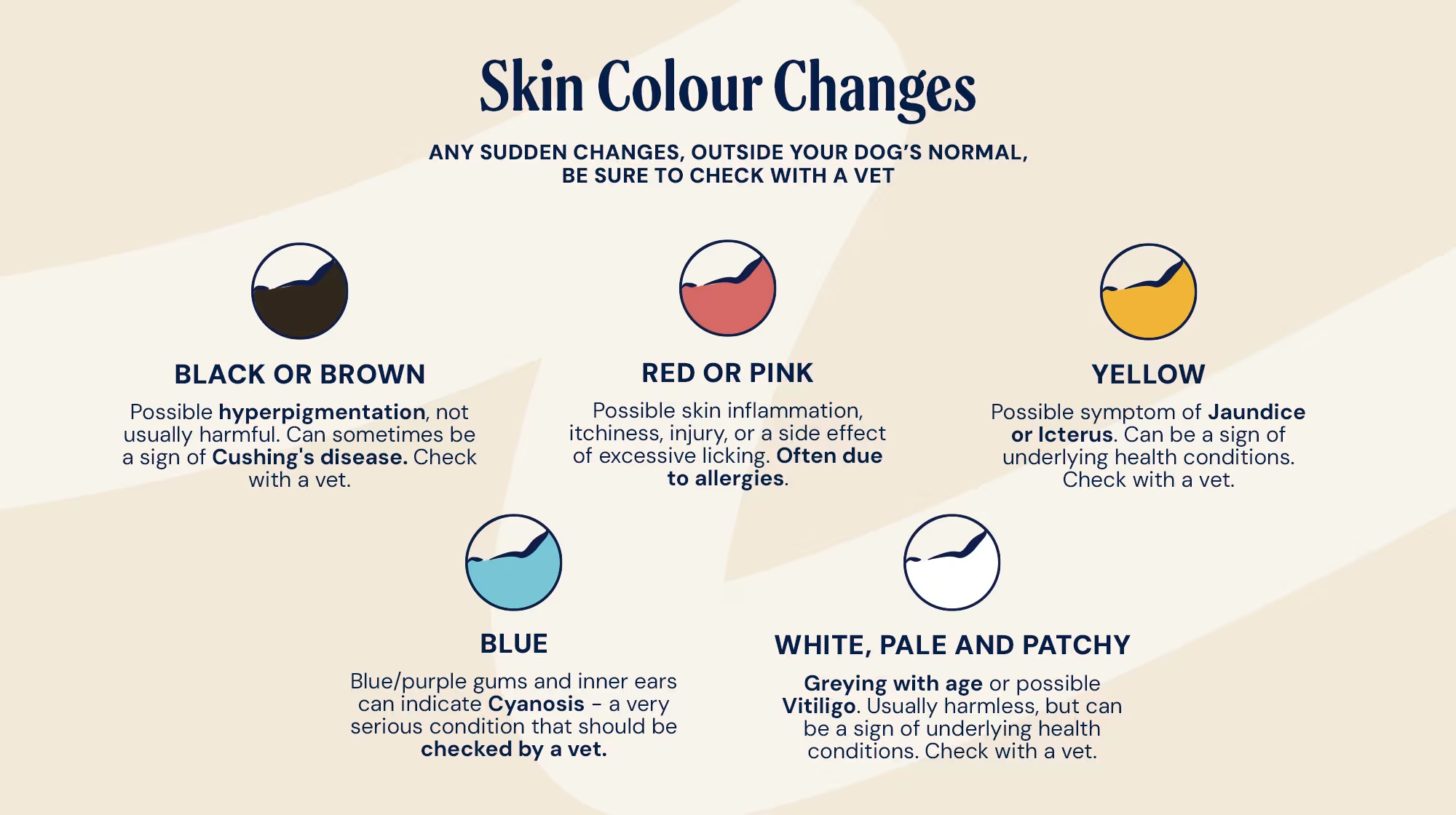
It shouldn’t smell strong, feel greasy or overly dry, or look thickened in patches.
The biggest sign your dog’s skin's healthy is that they won’t be bothered by it; they won’t be nuzzling themselves excessively or overly itching and scratching.
Your dog’s skin can be kept in top-notch condition with help from their diet. Shopping for dog food that specifically targets skin and coat health will be packed with ingredients that naturally boost their skin’s health.
These may include Collagen, Omega-3s, Linseed, Salmon Oil and Postbiotics that help keep their gut fighting fit.


Skin & Coat Dry Dog Food
A specially formulated skin and coat food, ideal for dogs with dry and itchy skin, or skin allergies. This gentle dry dog food helps soothe irritation, support healthy skin, and promote a glossy coat.
-
For sensitive, dry & itchy skin
-
Hypoallergenic
-
Fresh Herring protein
Current price: £15.99
FAQs
When to worry about hyperpigmentation in dogs?
Any sudden changes to your dog's skin or anything that isn't their normal should always be investigated by a vet.
Any new skin changes that get worse, spread rapidly, and occur alongside other symptoms like swelling, bleeding, vomiting, lethargy, and a change of appetite, may indicate underlying health conditions and you should contact your vet.
Can Cushing's disease cause hyperpigmentation?
Hyperpigmentation is a common side effect of Cushing's Disease, and is caused by the hormonal imbalance, particularly high cortisol levels. This is most common in older dogs. If your older dog develops thickening and darkening of the skin, alongside increased thirst, peeing a lot more, a swollen gut or an increased appetite, be sure to check in with a vet.
Can hyperpigmentation in dogs be reversed?
When hyperpigmentation in dogs has occurred as a symptom of other conditions, such as allergies, excessive friction or infection, it can fade during recovery. Some cases of natural hyperpigmentation can also improve over time.
References:
1. PetMD: Hyperpigmentation in Dogs - Barri J. Morrison, DVM
This post was originally published in February 2026, but has been updated for comprehensiveness.


