


Key Takeaways:
- Dandruff in dogs isn’t usually serious, but can be a symptom of something going on in your dog’s body, diet or environment that’s affecting their skin.
-Dogs can get dry dandruff or oily dandruff, dry being the most common.
- Tweaking your dog’s food, grooming routine and flea protection can all help get rid of dandruff, as well as visiting your vet to rule out any health conditions.
Have you spotted white, dusty flakes on your pooch’s fur? It could be dandruff.
Just like us, a dog’s skin health and likelihood of a flaky coat can change a lot due to their environment, grooming habits, diet, and environment. This means dandruff can appear on your dog even when it feels like you haven’t done anything differently.
So, how can you tackle your dog’s dandruff? Read on to get the lowdown on dandruff in dogs, and how to rid your pooch of these pesky flakes.
Signs your dog has dandruff
If your dog has a case of dandruff, you’ll see one or more of the following signs:
Tiny white or grey flakes that you can see on your dog’s fur, especially near the root. Or left behind on bedding or soft furnishings.
Their skin is dry, rough or flaky or has redness and irritation.
Your dog is always itching and scratching, rubbing themselves against furniture, or even biting their skin for relief.
They have a dull or lacklustre coat that seems drier and less soft and shiny than usual.
If it’s oily dandruff, they might have greasy or matted fur, and smell like they need a bath.
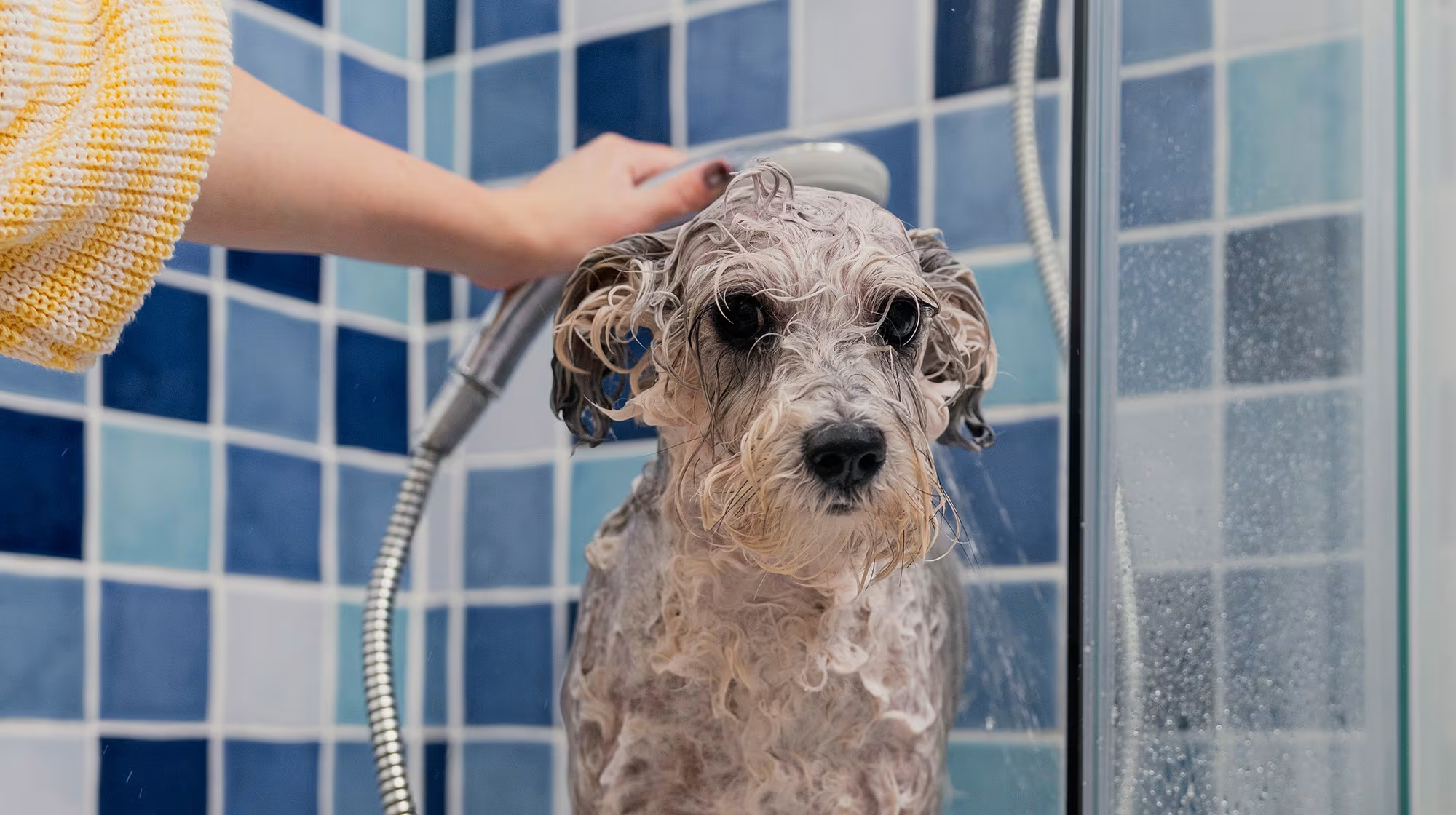
What does dog dandruff look like?
There are two types of dandruff dogs can get: dry dandruff, and oily dandruff.
Dry dandruff (seborrhoea sicca) is the more common type. Your dog’s skin will feel rough and tight, causing tiny white flakes that are dry and dusty. You’ll see the flakes on the skin or on their bed, or wherever they’ve been having a scratching fest. Oily dandruff (seborrhoea oleosa) is less common. Your dog’s coat might look greasy and matted, the dandruff flakes are waxier and more yellow, and your dog might smell a bit grimy, like they need a bath.
Treatment for dandruff in dogs
It’s a good idea to talk to your vet if your pooch has chronic dandruff, particularly if constant itching is disrupting their everyday life, and their skin is cracked or is developing sores. If they have a more minor case of dandruff, here are a few simple things to try at home to get them flake-free and boost their skin health.
Treating dog dandruff at home
Brush your dog regularly to keep their fur soft and unmatted. Depending on coat type, brushing 2-3 times a week or even every day can help.
Try switching their food to a high-quality recipe that prioritises skin health superfoods. You can focus on recipes full of whole proteins, fresh veggies, and powerful supplements to nourish the gut and skin. Standout ingredients include lean meats, Sweet Potato, Pumpkin, Collagen and plenty of Omega-3s.
Speaking of, try to get more oily fish in your dog’s diet, as they’re rich in omega-3 and -6 fatty acids, which reduce inflammation and soothe skin from the inside out.
Get their gut health on track. There is a strong link between your dog's gut health, and the condition of their skin and coat. Getting their gut health on track, and ensuring a balance gut microbiome, can help keep inflammation at bay, and keep their skin supple and healthy.
Consider tweaking their bathing routine, so they’re getting the right frequency of baths for their coat type. How often you wash your dog will depend on their age, breed, coat type, and skin condition.
Look into medicated shampoos that will zap dandruff as well as moisturising your dog’s skin.
What's the best shampoo for dog dandruff?
Try to avoid shampoos with harsh, artificial ingredients or alcohol, as these can strip your dog's skin of natural oils and actually make dandruff worse.
Look out for ingredients like Oatmeal or Aloe vera for their soothing qualities. Some shampoos for dog dandruff also contain Salicylic acid, which breaks down dead skin cells, or Zinc pyrithione and Selenium sulphide, which slow skin cell overproduction.
Remember whether your dog has dry dandruff or oily dandruff, as treating them is slightly different. Carefully read the packaging, or chat to your vet for more advice.
When speaking to resident vet, Vet Linda, about using medicated shampoos for dandruff and other skin conditions in dogs, she advises:
"I find that shampoos are an often over-looked part of the treatment plan. When used correctly they can make a real difference. I like to start using them in the earlier stages of skin disease, as they can prevent things from worsening."
"Which shampoo we advise on is dependent on many factors including the appearance of the dog's skin, the presence of any secondary skin infections and on the dog's coat type. I am a big fan of medicated washes which contain Chlorhexidine, with Malaseb being a good example. This is a great all-rounder, especially if we are suspicious of secondary skin infections brewing."
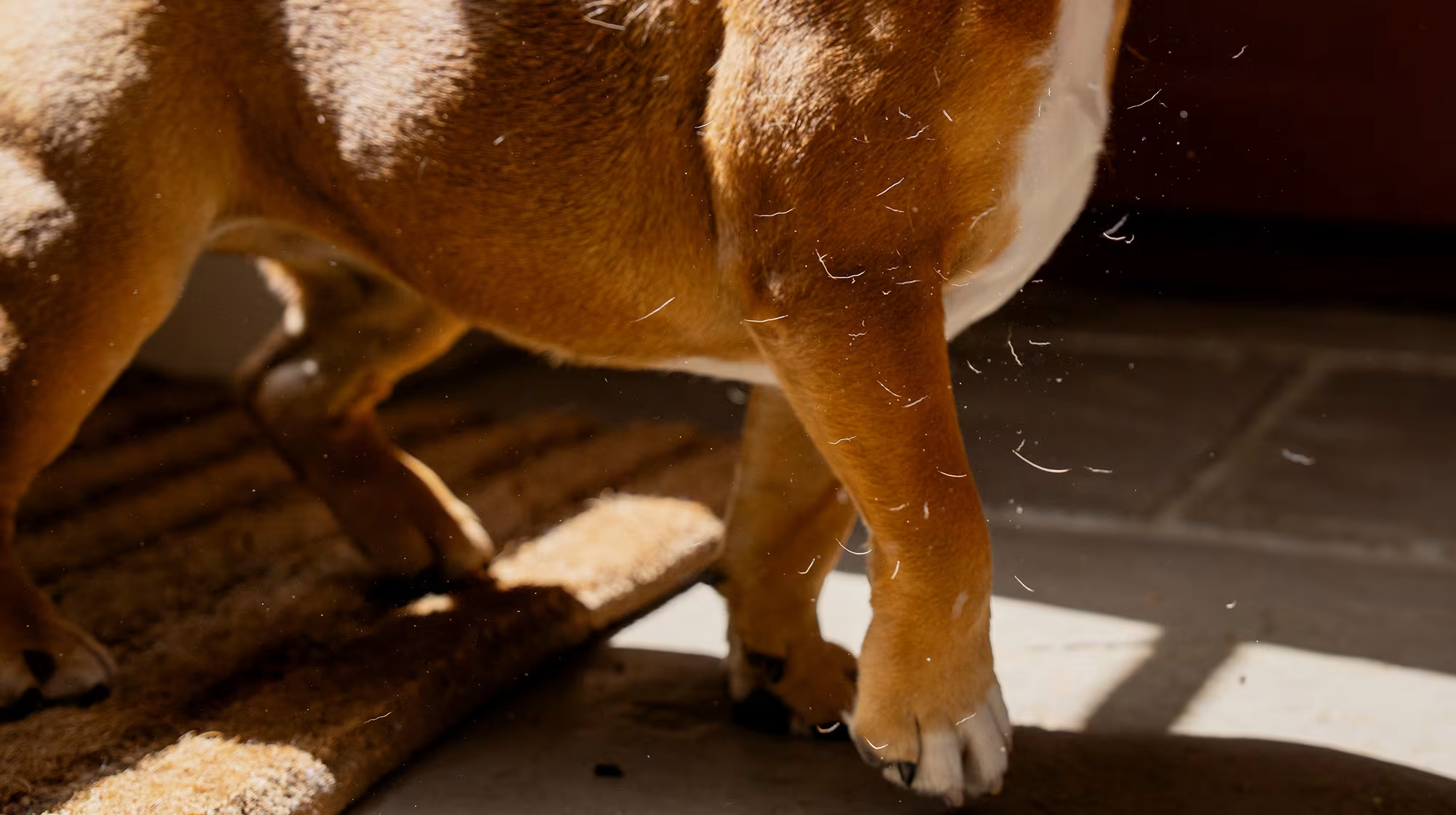
Why does my dog have dandruff?
Dogs can get dandruff for so many reasons, but it’s usually a symptom of an underlying issue, whether that be grooming, allergies, or more.
Here are the most common cause:
Having hindered mobility, perhaps due to arthritis, being overweight, or having sore joints. This can prevent your pooch from grooming themselves as much as they used to.
Their bathing routine might not suit their coat type, grooming products might be too drying, or they may need more regular brushing to stay clean and fresh. Vet Linda tells us that 'over-bathing' is a big culprit for dandruff in dogs, as it strips away a lot of the naturally occurring oils in their coat. So it's always good to check how often you should be washing your dog's coat.
A low-quality or unsuitable dog food bulked with ‘filler’ ingredients and high levels of preservatives can make your dog’s skin and coat feel dry and flaky.
Allergies, either to certain foods or environmental triggers, can trigger skin irritation, redness or itchiness.
Stress and anxiety can cause excessive scratching and biting the skin, which can lead to dandruff.
Exposure to dry air can cause the skin to dry out and get dandruff, most commonly in the cold winter months when central heating is on more often.
Fleas or dust mites can cause excessive itching and dandruff.
Skin conditions, like contact dermatitis or a fungal infection.
Hypothyroidism or other hormonal conditions that affect the skin.
More serious autoimmune disorders, like Pemphigus foliaceus or Lupus, can cause extreme drying and scaling of your dog’s skin, though these are rarer causes of dandruff.
Why is my dog's dandruff worse in the winter?
Cold air, central heating and low humidity can dry out a pooch’s skin in the cold winter months, so dry dandruff is quicker to form and send your dog into itchy fits. Plus, you may be bathing your dog less often in the cold winter months, which can make them itchier, or the coldness may worsen existing skin conditions.
What breeds are prone to dandruff?
Though all dogs can get dandruff, it’s more common in breeds that are prone to the underlying causes.
Dandruff can be linked to their coat type, their genetic propensity for allergies, skin issues, arthritis or other mobility conditions; or because they naturally have lots of folds in their skin (paws up, Shar-Peis!).
Dogs like Cocker Spaniels, West Highland Terriers, Basset Hounds, Labradors, Golden Retrievers, German Shepherds, Dachshunds, and Shar-Peis all come under this umbrella, so if you have a pooch of any of these breeds, you may notice dandruff more frequently.

Can poor gut health in dogs cause dandruff?
Yes, it can.
The health of your dog’s skin is intrinsically linked to the gut via the gut-skin axis. It’s incredible how many bodily processes are affected by gut turbulence; and dry, flaky skin can be a result of an imbalanced gut microbiome impacting your dog’s immune function and ability to fight inflammation.
That’s why treating a dog’s health hang-ups (including skin & coat condition) with a varied diet of natural, whole ingredients is one of the best medicines there is.
Investigating whether your dog’s gut is worsening their dandruff can be easily done via a dog Gut Health Test. This helps analyse the bacteria within their gut, and whether it’s balanced enough to rightly support their overall health.
When to see a vet
There are times when your pooch might have dandruff due to a more serious underlying health issue that needs treatment. Take your dog to the vet if you catch symptoms alongside dandruff such as:
Hair loss or patchiness
Reddened, weeping sores or hotspots
An unpleasant smell on the skin that comes back quickly after bathing
Excessive itching that means they can’t sit still
Changes in appetite
Low energy
Your vet will be able to delve deeper into what’s causing your pooch’s skin issues, and prescribe specialist medication or treatment (e.g. an antifungal cream, soothing skin sprays, or antibiotics).
Prevention
The best way to treat doggy dandruff is to look into preventative measures that keep their skin smooth, supple, and healthy.
Create the perfect grooming routine for your pooch. Get to know the ideal bathing and brushing schedule for their breed, and identify the best shampoos that have your dog’s skin & coat at their softest.
Glow up their diet with juicy, high-quality proteins and supplements. A balanced diet full of skin-nourishing ingredients can really work its magic on your dog’s gut microbiome and skin barrier. You could consider Collagen treats for dogs, adding Salmon Oil, or utilising Skin Support supplements to give their diet that extra skin health boost.
Identify trigger foods in your dog and adjust their meals accordingly. Whether through an elimination diet or working with your vet, this can make a huge difference to your dog’s health and overall comfort in their skin.
Keep fleas and parasites at bay by keeping their flea prevention treatment up to date, and look over your dog’s skin every week, and after forest walks, to check they’re safe from intruders.
Go for regular vet check-ups. If dandruff occurs all of a sudden, and you know your dog’s grooming routine and diet choices are the best they could be, your vet can check them over for any health issues that may have cropped up.
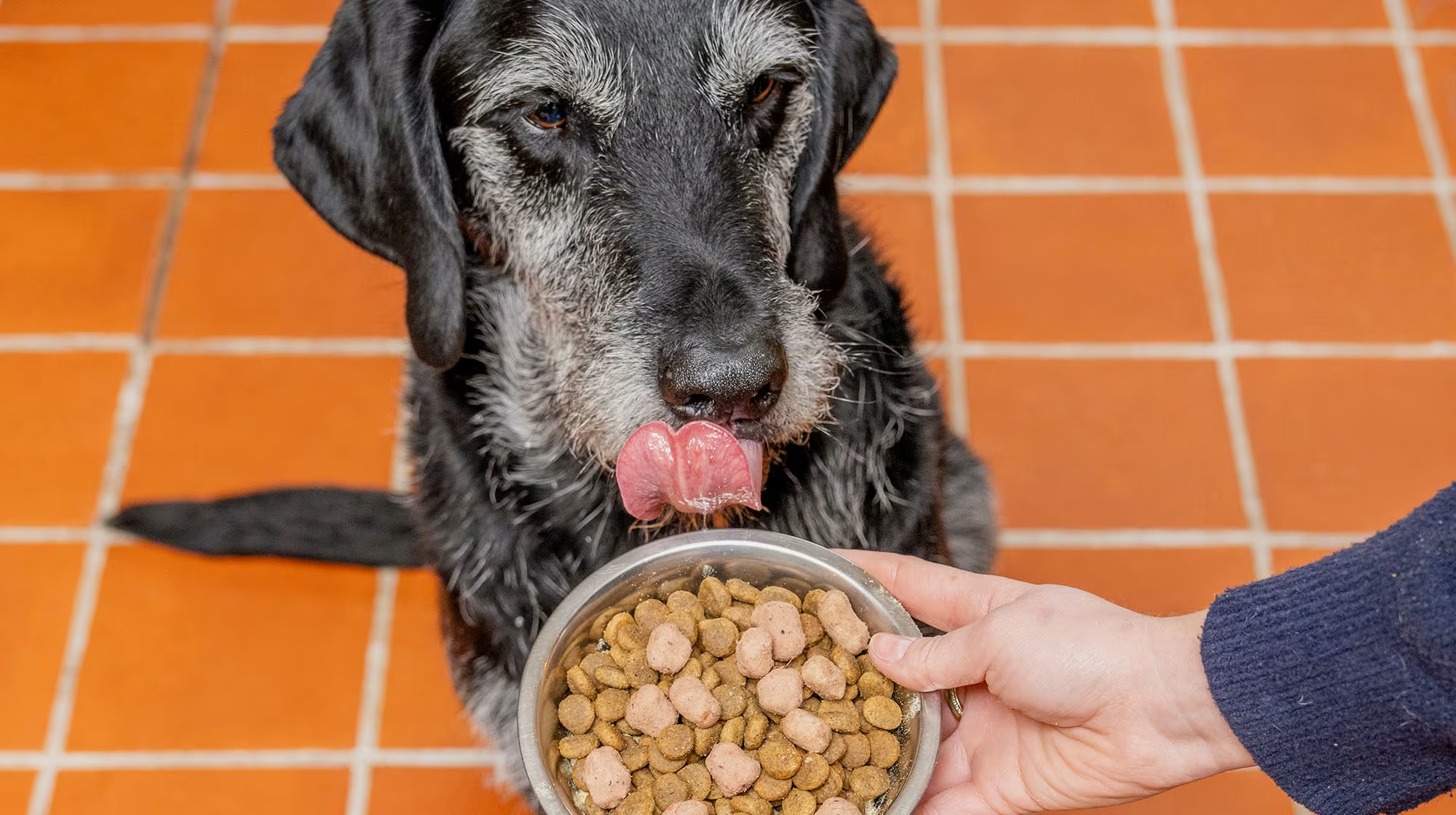
What's the best food for dogs with dandruff?
Oily fish, rich in Omegas-3 and -6: such as Salmon and Herring, or as a concentrated supplement like Salmon Oil for Dogs. These essential fatty acids contribute to repairing the skin barrier, reducing inflammation and nourishing your dog’s coat and skin.
Other whole proteins like Fresh Chicken and Turkey, rich in amino acids, which help repair the skin barrier and naturally support muscle and tissue regeneration.
Hypoallergenic dog food, or easily digestible recipes like our Fresh range or White Fish and Potato Wet Food are gentle on the gut - perfect for identifying an allergen or trigger food.
Natural supplements for skin & coat health in dogs, such as Salmon Oil, Glucosamine & Chondroitin, Collagen, Linseed, Psyllium Husk, or our Gut-Skin Postbiotic supplement.
Skin & Coat
Support healthy skin and a shiny coat with our Skin & Coat range. Carefully selected ingredients help ease itching, boost skin health, and provide a glossy coat — for the ultimate glow-up.
-

 from
fromCurrent price: £15.99
Skin & Coat Dry Dog Food -

 from
fromOriginal price:
£11.49Current price: £9.49
Salmon Oil For Dogs -

 from
fromCurrent price: £3.99
Skin & Coat Postbiotic Meaty Treats -

 from
fromCurrent price: £18.99
Gut-Skin Support Supplement -

 from
fromOriginal price:
£10.99Current price: £8.99
Bionic Biotic Probiotic Powder For Dogs -

 from
fromCurrent price: £47.99
The Skin & Coat Bundle
FAQs
What can be mistaken for dog dandruff?
Sometimes the small white flakes on your dog’s coat and skin aren’t dandruff at all.
Cheyletellia mites are often called ‘moving dandruff’ because of how easily they can fool the human eye. Get in touch with your vet if you notice the flakes on the move!
Ringworm is a fungal infection that looks like dry, scaly patches on the skin, and can produce dandruff-like flakes.
Other forms of skin irritation, such as hot spots, contact dermatitis from a new shampoo, or cleaning products, can cause flaky skin that mimics dandruff.
Can I just brush out dog dandruff?
Brushing your dog can definitely help remove the flakes of dandruff and keep their coat looking fresher and cleaner. However, brushing alone usually isn’t enough to stop dandruff returning, as there’s usually a root cause caused by diet, environment, grooming routine, fleas or parasites, or a skin issue or health condition.
Remember to talk to your vet if you’re concerned - they can help identify what’s going on under the surface to cause your pooch’s dandruff.
How does diet help skin and coat issues in dogs?
Your dog's diet brings a wide range of extra nutrients, vitamins and minerals into their body, which help support their overall health and wellbeing - including their skin and coat! Plus, their skin and coat health is linked directly to their gut microbiome, which plays a HUGE role in keeping their skin and coat healthy. Our Skin & Coat range is packed with natural ingredients that have been specifically selected for their skin and coat boosting properties. Herring, for example, is rich in essential fatty acids that help support skin barrier function and help prevent itching and scratching. Collagen is a structural protein that is essential for healthy skin. Linseed, as well as our Salmon Oil add-on, are packed with omega-3 fatty acids which your dog's body can't produce on its own, and they add necessary moisture and richness to the skin. As well as all this, it's packed with natural pre- and probiotics to keep their gut happy!
What's the best dry dog food for skin allergies?
The best dry dog food for skin allergies are those labelled as 'Hypoallergenic' or specialised for dogs with sensitivity issues. This is because some foods, especially common allergens, can worsen skin allergy symptoms. They should also be beneficial for the gut, as gut issues can make symptoms like irritation, redness, and hair loss worse. The best dry dog foods for skin allergies often contain:
Anti-inflammatory ingredients such as Turmeric, Omega-3 fatty acids like those found in fish, Blueberries and Sweet Potatoes
Ingredients that are easily digestible & benefit their gut health, like heaps of Postbiotics, Sweet and White Potato, Pumpkin, and Psyllium husk
Hydrolysed proteins
A novel protein like Duck, Salmon, Herring and Venison
Ingredients that target skin & coat health like Salmon Oil and Collagen
We make sure to include all of the above across our Skin & Coat, Hypoallergenic, and Sensitivity dry food to help you target and alleviate your dog's irritating symptoms.
How to probiotics help your dog's skin & coat health?
Adding regular and everyday probiotics to your dog's diet can help improve their skin & coat health thanks to the live cultures helping balance out their gut (and supporting the gut-skin axis). This in turns helps to:
Reducing inflammation that would otherwise cause the itching and irritation
Help boost the health of the skin barrier, keeping it soft, supple, and healthy
Manage other conditions that can lead to skin irritation like Yeast infections.
This post was originally published in June 2026, but has been updated for comprehensiveness.


