


Key Takeaways:
- How often you give your dog a bath is directly linked to their breed, coat type, and whether they have a skin condition - but the general advice is one bath every 2-3 months.
- Washing your pooch too often for their coat type can impact their skin & coat health. It’s all about getting to know their ideal bathing schedule for optimum comfort and freshness!
- There are ways to keep your dog clean and healthy between baths, like brushing, wiping, using dog deodorising products, and focusing on a diet that targets and supports their skin & coat health.
How often your dog needs a bath depends mostly on their breed and coat type, but also on their health condition and the circumstances.
So - to bath or not to bath? That’s what you might be asking yourself when you have a muddy pooch on your porch after a long walk - and you’d be right to wonder!
In this article, we’ll go into how often dogs of different coat types need bathing, and how to freshen them up in other ways between baths.
When to wash your dog according to coat type and breed
Coat type is the biggest sway factor when it comes to washing your dog. Whether your dog is a long-haired breed, short-haired, double-coated, or has no fur at all, each breed and coat type needs a specialised approach:
Coat type | Breed example | When to wash | Why? |
Long-haired | Shih Tzu, Afghan Hound, Yorkshire Terrier | Every 4-6 weeks | Long hair traps more dirt and can get matted easily. |
Short-haired | Every 6-10 weeks | Short-haired dogs stay cleaner for longer. | |
Curly or Wavy coat | Every 3-6 weeks | Curly coat needs deep conditioning to maintain curl quality, and it can trap a lot of dirt. | |
Double-coated | Every 8-12 weeks | A double coat is self-cleaning and needs its natural oils to stay healthy, so it benefits from fewer baths. | |
Oily | Bassett Hound, Cocker Spaniel, Bloodhound | Every 3-6 weeks | Increased oil production means coat can get greasy and smelly quickly. |
Hairless | Chinese Crested, Mexican Hairless | Every 1-2 weeks | Hairless dogs need frequent cleaning to protect their sensitive skin. |
How to wash your dog
We’ve written lots about grooming your dog, step-by-step - but here's how to give your dog a bath, step by step.
Maintain a calm, soothing environment during bath times, as if you seem overwhelmed or stressed, they will pick up on your emotions. Be sure to have treats on hand to reward good behaviour and you could also get the towel ready before they’re in the bath, so it’s on hand for when you’re done.
Before putting them in the water/turning on the shower, be sure to test the water’s temperature. Due to a dog’s higher body temperature, lukewarm (or around 35-38 degrees) is perfect.
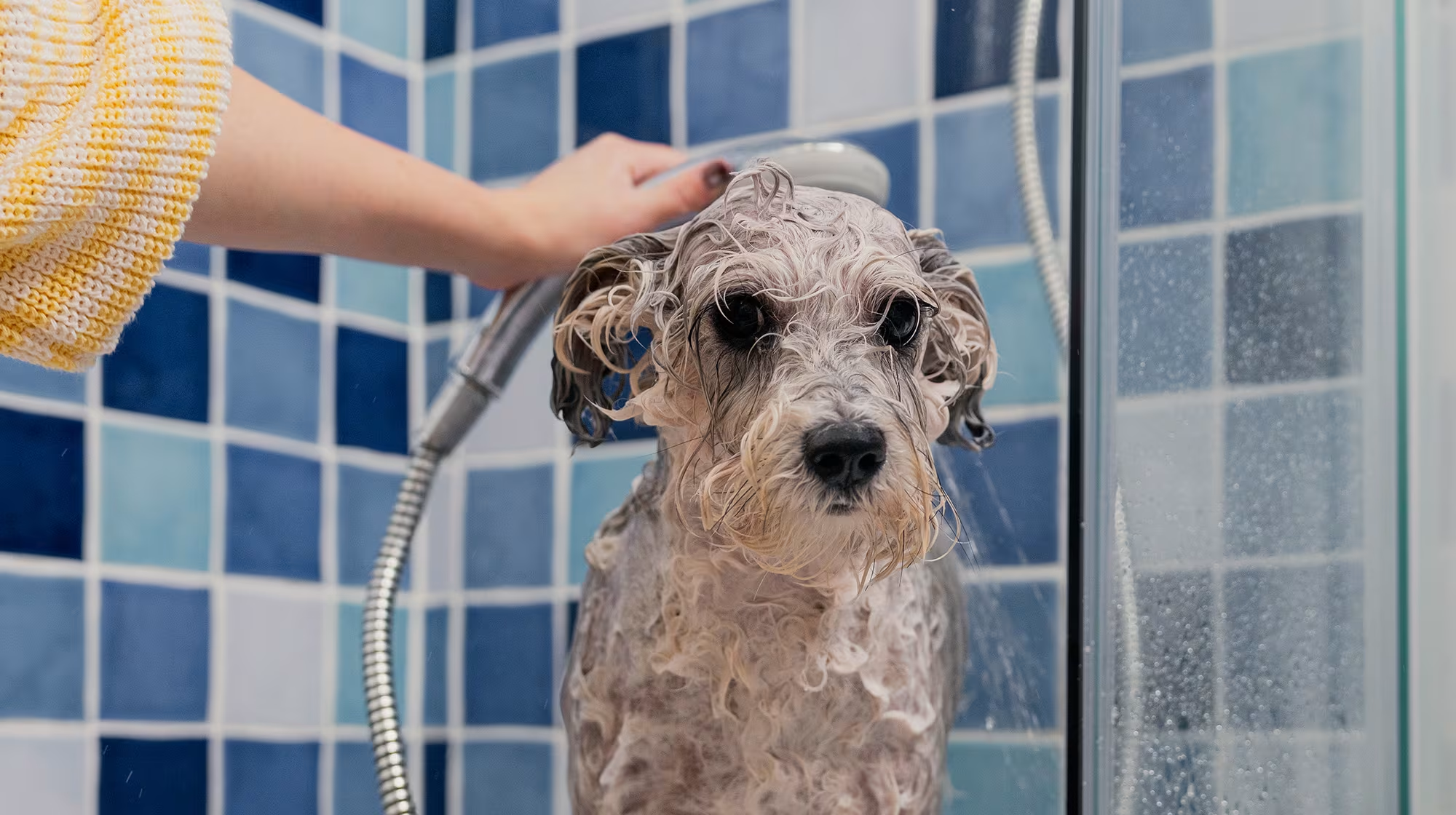
If you’re able, and their size permits it, slowly lower your dog into the bath. Try not to let them jump in, as this may lead to slips and injuries.
Slowly get your dog wet using the shower or a jug of water. Get all of their coat wet, trying to avoid their eyes and ears, especially if they’re already quite nervous.
Use your dog shampoo of choice, mixing it with lots of water to get a good lather. Massage this into their coat, be sure to focus on any particularly dirty areas, or any dry areas if using a medicated shampoo.
You can opt for a dog-safe conditioner if you’re looking for a particularly shiny coat! Just be sure that every bit of product is rinsed out before moving on to drying.
Get them in a towel and start the drying process, being gentle if they have particularly sensitive skin. Some short-haired dogs will dry in no time, others may need a good 10-15 mins with the hairdryer.
If you are using a hairdryer, be sure it’s not too hot. If you have a long-haired breed, make sure you have a brush on hand to avoid mats and tangles.
If they’ve gotten through it well, be sure to give them a big reward! Whether that’s a cuddle (especially now they’re squeaky clean), or a high-reward treat.
How to keep dogs clean and healthy between bathing
There are loads of ways to keep your pooch’s skin & coat healthy, clean and smelling great between baths:
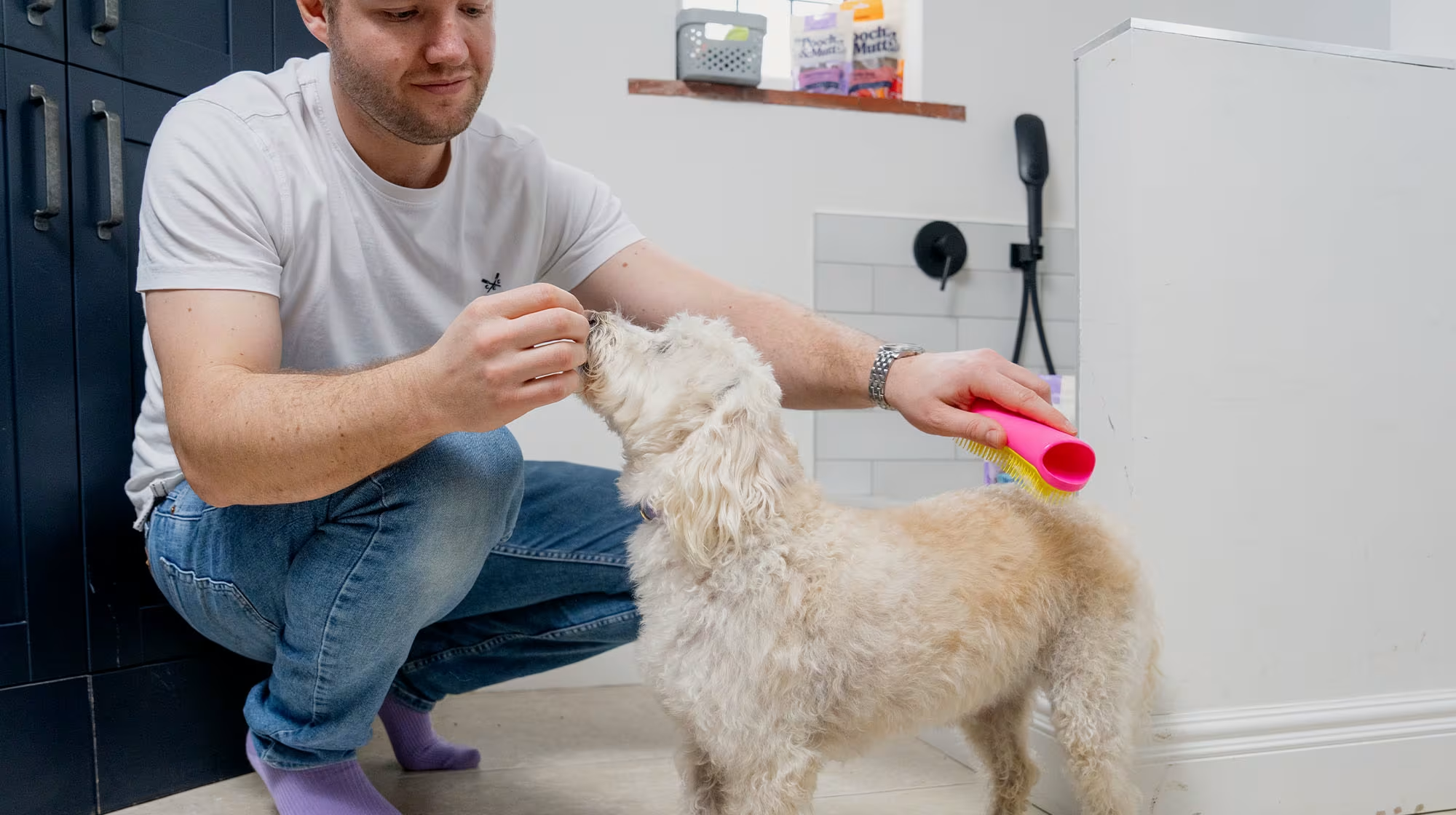
Wipes for dogs are great for pulling grime and goo off their eyes, nose, ears and mouth - and for wiping their bum when necessary!
Regular brushing and combing goes a long way in removing dust, seeds, grassy bits. and general dirt from your pooch’s fur.
When you go out, try to avoid excessively muddy areas, ponds and puddles, and bring a decent towel with you on walks - this way you can tackle your dog’s grubby or sandy coat straight after a beach day or country outing.
Focusing on cleaning their paws with a good brush and a soft cloth.
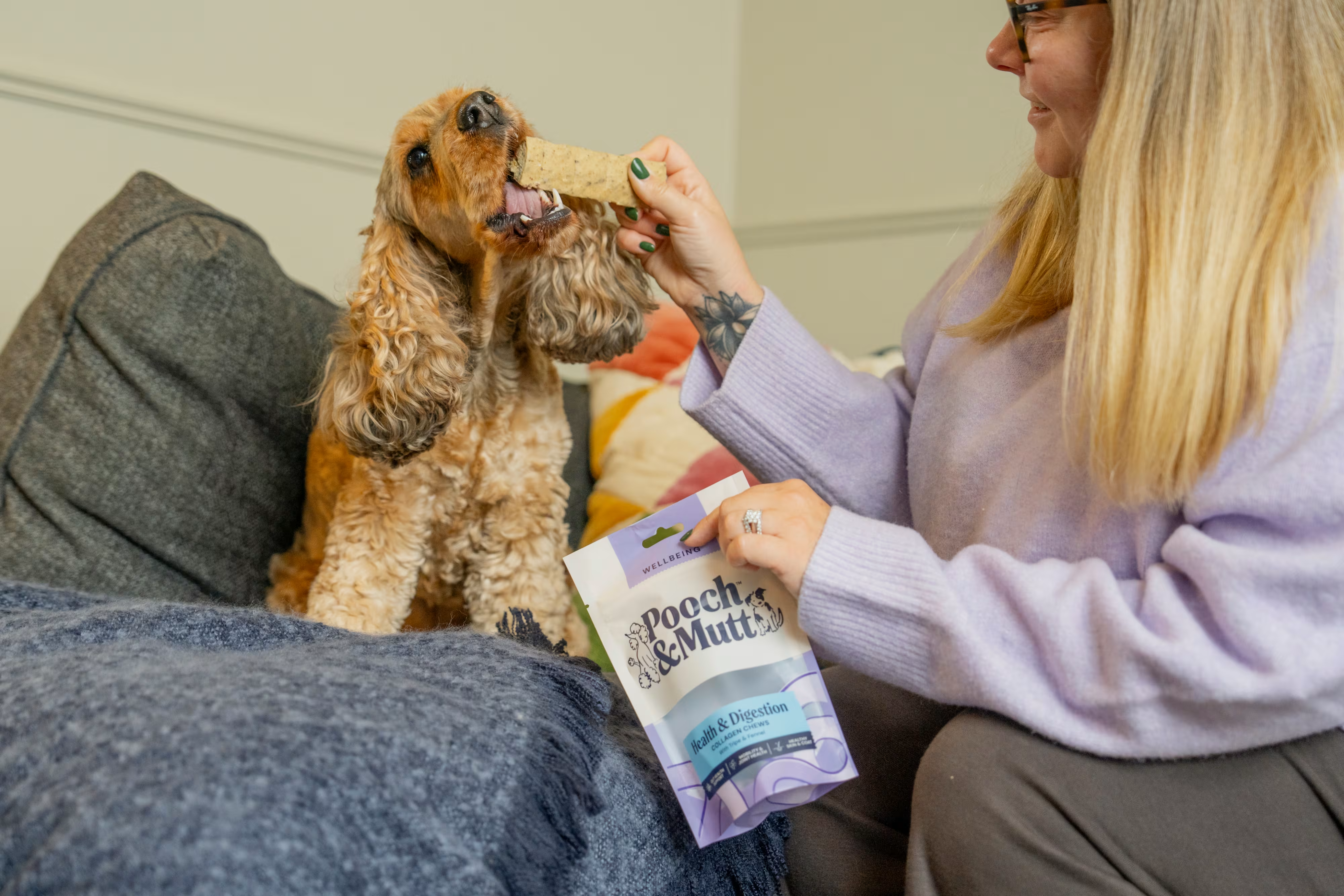
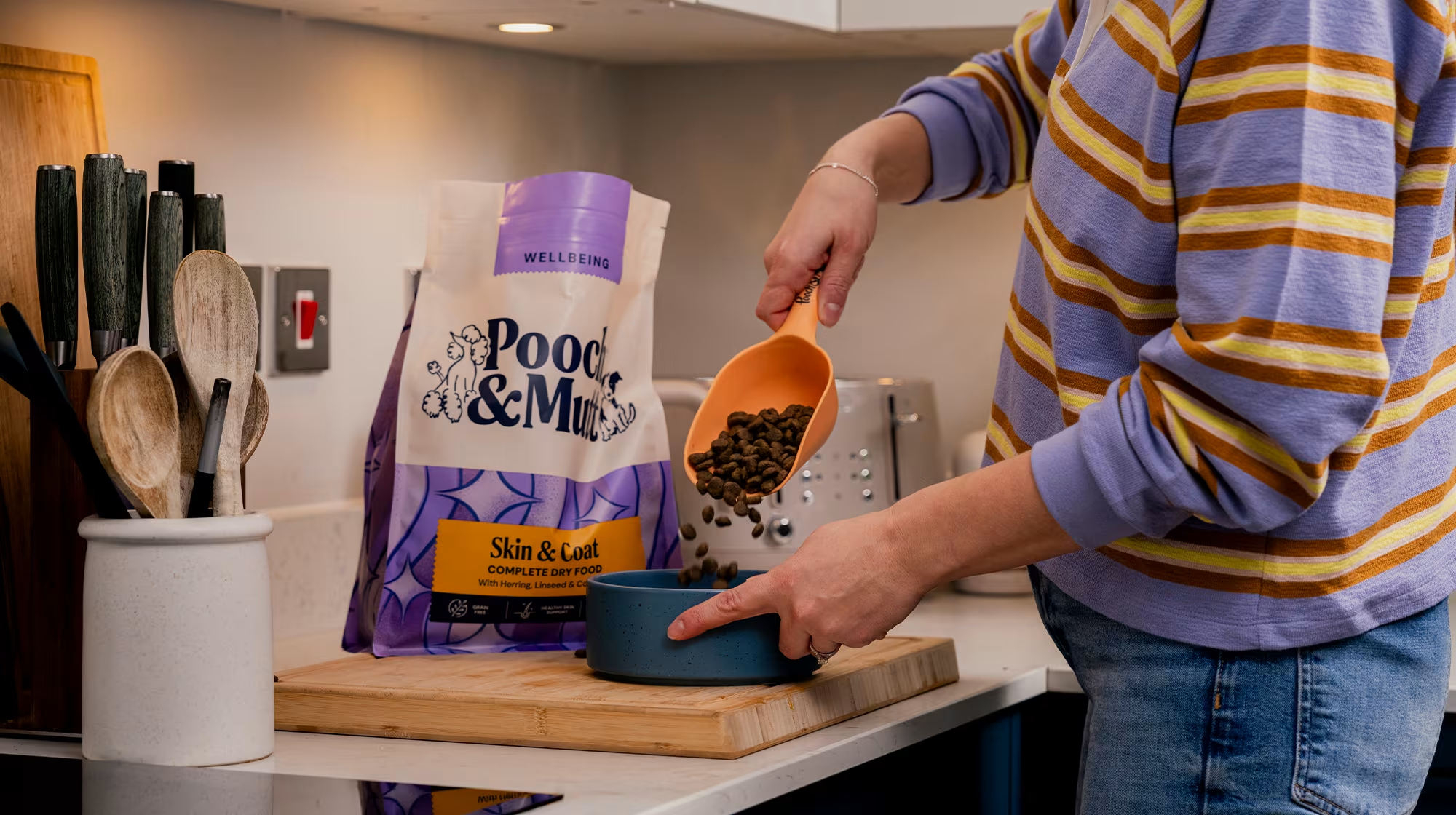
A diet that focuses on boosting their skin & coat is a great way to give them a boost. Of course, their health on the inside has a huge impact on their health on the outside. Dog food for a healthy skin & coat usually includes nutritious ingredients such as Salmon Oil, which is full of Omega-3 fatty acids to nourish skin. Natural supplements for boosting skin and coat condition include Quercetin, Echinacea, Sea Kelp and Collagen.
Why is it important to bathe your dog?
Dogs definitely need baths, just not as often as we humans do!
Dogs are pretty clean without regular deep-bathing, and their coats maintain cleanliness well (muddy dog walks aside).
A well-timed bath gives important health boosts to your dog’s coat and skin, and makes them feel comfortable and cared for.
A good bath can:
Help reduce itchiness and irritation
Gets their coat looking fresh
Helps reduce smells and deeply embedded grime
Prevents matting and oil-build up that can lead to hot spots.
Bathing your pooch also helps you keep an eye on their skin health. You can take the time to inspect their skin for hyperpigmentation, ticks and fleas (though overbathing can wash away flea treatments so, try to do this after bathing).
Bathing can also help keep some parasites and worms away, as it rids them of any eggs that may be lingering in their fur. (Like Giardia, for example.)
How often should you bathe a puppy?
Puppy skin is sensitive and delicate, so baths aren’t necessary when they’re less than 8 weeks old.
If they’re between 2 and 6 months, a bath every 4-8 weeks is fine.
Bathe your pup if they get particularly smelly or dirty, or if your vet has recommended they bathe more often (usually for coat type or health reasons).
You can also use a puppy-specific shampoo, which is gentler than shampoo for adult dogs.
Signs your dog needs a bath
If you’ve lost track of when your dog last had a bath, there are usually signs they’re due a wash. Start running the water if you’ve noticed the following:
Your dog is unavoidably smelly, and/or their coat feels unpleasant. It might be greasy, sticky, or matted, with locks of their fur stuck together.
Their coat might lack shine and softness, and just seem flat and dull.
Visible dirt and crumbs within their fur, especially in long or curly coated breeds.
A big sign is they seem uncomfortable - they might be itchy and scratching more often, overly hot, or seem heavy in their coat.
They’re excessively muddy or dirty. If they’ve jumped entirely into a deep mud puddle, for instance, and you can barely see their fur, a bath is probably the most sensible option!
Things to consider
How often your dog needs a bath is really specific for each dog, depending on their breed & needs. Try to think about:
Where they live.
A dog who lives in the muddy countryside, or a working dog like a sniffer dog or farm dog, might need to be bathed more often than one living in a town or city.
Their health & safety.
If you think your pooch may have rolled in something toxic, such as blue-green algae, poisonous fungi, or something else nasty, it might be safer to rinse them off in the bath than just rub them down with a towel.
If they’ve rolled in fox poop or any other poop, the smell alone will get you running a bath, but it’s best to get them cleaned to avoid any spread of parasites and worms.
Special care should also be taken if your pooch has known skin conditions, as this can impact their bathing schedule and what products you use.
Chat to your vet, as they can help you get the balance just right for your dog’s skin and coat condition.
What medical conditions require more frequent bathing for dogs?
Though bathing advice is often based on your dog’s breed and coat type, dogs with skin conditions will have their own recommended schedule.
Dry or sensitive skin, or conditions such as eczema or dermatitis, for instance, shouldn’t be disturbed by bathing too often.
Dogs with yeast overgrowth and allergies may benefit from more regular medicated washes, as well as those with seborrheic dermatitis. After diagnosis, they often need a couple of baths a week in the initial treatment phase.
Your vet can advise you on whether more or less bathing would be beneficial for your particular pooch’s needs and medical conditions.
What are the risks of bathing your dog too often?
Though you might love your pooch to be as clean as possible, overbathing can strip your dog’s skin and coat of the natural oils that keep it smooth, hydrated and healthy. This can lead to all kinds of discomfort in your pooch including:
Dry skin
Red, hot and irritated skin
In worst cases, rashes
A brittle coat
They’ll also be more vulnerable to infections.
Skin & Coat
Support healthy skin and a shiny coat with our Skin & Coat range. Carefully selected ingredients help ease itching, boost skin health, and provide a glossy coat — for the ultimate glow-up.
-

 from
fromCurrent price: £15.99
Skin & Coat Dry Dog Food -

 from
fromOriginal price:
£11.49Current price: £9.49
Salmon Oil For Dogs -

 from
fromCurrent price: £3.99
Skin & Coat Postbiotic Meaty Treats -

 from
fromCurrent price: £18.99
Gut-Skin Support Supplement -

 from
fromOriginal price:
£10.99Current price: £8.99
Bionic Biotic Probiotic Powder For Dogs -

 from
fromCurrent price: £47.99
The Skin & Coat Bundle
FAQs
Can I use human shampoo on my dog?
It’s not usually recommended. Human skin is very different to a dog’s, meaning the formulation of human shampoo doesn’t have the same effects on a dog’s coat and skin, and can actually cause irritation. There are lots of great dog-specific shampoo and conditioners to use instead, many of which are hypoallergenic and specially formulated for different coat types.
Why does my dog smell worse after a bath?
That ‘wet dog’ smell is infamous for a reason - it’s certainly strong! This smell comes from water getting trapped within layers of fur and promoting yeast and dampness, which is why your dog can sometimes smell worse, even after bathing. To prevent this pong, give them a thorough dry after a bath - a good towelling, or even with a hairdryer on a cool setting - rather than letting them dry off naturally.
Can you bathe my dog once a week?
It all comes down to their breed, their coat type, medical condition, and how mucky they get!
Dogs with yeast overgrowth and allergies for example benefit from more regular medicated washes, as well as those with seborrheic dermatitis. They often need a couple of baths a week in the initial treatment phase.
If your dog loves to swim, get muddy, or they're a working dog, it may be they require a weekly dip in the bath. However, bathing your dog too much can actually be a detriment to their skin & coat health, as it washes away the natural oils that actually help them keep themselves clean. This can actually lead to irritation, and leave them vulnerable to infection. Be sure to consider your dog's lifestyle, breed, and coat type when deciding on their bathing schedule. There are plenty of ways you can keep on top of their coat without having to give them a full bath, like dog-safe wipes and giving their paws a good wipe after a particularly muddy walk.
This post was originally published in March 2026, but has been updated for comprehensiveness.


