


Key Takeaways:
- Harvest mites can latch on to dogs as they’re walking in overgrown outdoor spaces.
- When they bite, they release enzymes which can irritate your dog’s skin and cause them to scratch.
- The best way to treat harvest mite bites is to go to a vet, as they’ll recommend removal treatments and anti-inflammatories to soothe skin irritation
One minute, your pooch is bounding around the garden, happily sniffing at the borders in the sunshine (and probably trying to dig them up too).
Next, they’re scratching behind their ears or nibbling their own feet. If you peek through your pet’s fur and spot reddish-orange dots, they’ve likely been bitten by harvest mites.
A close relation to the spider (don’t freak out), these creepy crawlies love nothing more than digging into a pet’s skin, which can leave them itching to the point of distraction.
To soothe the skin and stop the scratching, it’s important to get harvest mites treated as soon as they’re spotted. Here are some tips on what to look for and what to do.
What are harvest mites?
Harvest mites (also known as chiggers, berry bugs or red bugs) are tiny bugs that live in overgrown gardens, woodlands, hedges and tall grass.
They’re related to spiders, have six legs and are a reddish-orange colour, which is usually what you can see on a pet’s skin.
Before they’re fully developed (at the larvae stage), they feed by attaching themselves to warm-blooded animals (like your passing pooch). Using their fang-like mouth, they cut into the skin and spit out digestive enzymes. These break down the skin, causing it to itch or flare up.
When are harvest mites most active?
Harvest mites love the warmer weather. Hot, dry days are their ideal feasting time, especially between the months of August and October.
Although with rising temperatures arriving earlier and lasting longer, harvest mites can appear in July and November too.
How do dogs get them?
If your pet loves bounding through the grass, exploring the woods or having a good sniff around the hedges, then they could be bitten by any harvest mites lurking nearby.
Harvest mite larvae will attach to any warm-blooded animal that passes them. So if your dog catches them, it’s not because they’ve been up to no good; it’s just bad luck.
Signs of harvest mites
The first sign that your pet has picked up harvest mites is that they’re itching, scratching, licking or nibbling their skin more than usual. They enjoy biting hot spots like their:
Toes
Feet
Legs
Genitals
Armpits
Tummy
Ears (though less often)
So if your pet’s skin seems irritated, look for signs in these areas first.
What do harvest mite bites look like?
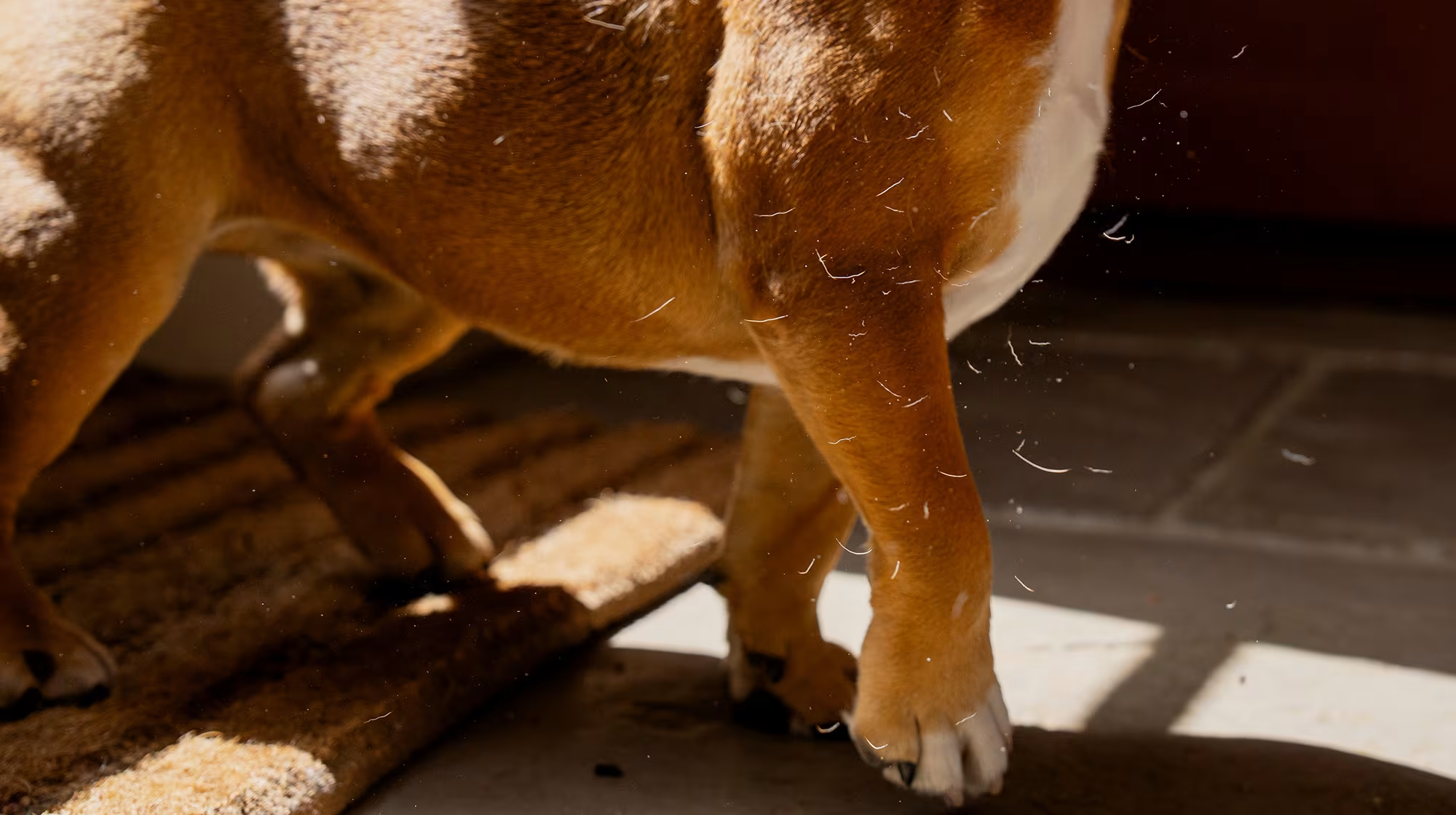
The skin might also be red, angry or inflamed in patches where the harvest mites have bitten. If they’re left to their own devices, a pet might keep scratching their skin to the point where they lose their fur, making it sparse and stubbly.
In the worst cases, pets might accidentally open up the skin and cause infections that ooze pus or moisture. If this does happen, it’s best to check in with your vet to prevent or treat a possible infection.
What could be mistaken for harvest mites?
There are several different types of mites and bugs that can be mistaken for harvest mites. Fleas and ticks can also make your pooch itch. They’re also equally as difficult to spot.
There are lots of other reasons why your dog might start scratching more regularly. Dermatitis, a bacterial infection or an allergic reaction to pollen, seeds or soil can all make their skin feel uncomfortable.
That’s why, if you spot your pet scratching more than normal, getting a vet to look them over will help them get the right treatment quickly.
Harvest mites vs ear mites
Both harvest mites and ear mites are difficult to spot and can cause itchy, inflamed skin. But there are a few key differences which are important to know:
Both types can be found in the ears, but only harvest mites latch on to other parts of the body, like the feet and legs. Plus, ear mites tend to locate themselves deep inside the ear canal.
Dogs and cats can pick up harvest mites from the outdoors, while ear mites are passed from pet to pet.
Harvest mites only appear seasonally, while ear mites can be caught year-round.
Each type of mite needs a different treatment, so it’s important to get a pet’s skin looked at by a vet before buying any spot-on, washes or lotions.
Treating harvest mites
To effectively treat harvest mites, you should get your pet looked at by a vet. This is because there’s no single way to kill them, so a vet might need to use a combination of different treatments to soothe your pet’s skin.
For example, they might use a spray to get rid of the mites and anti-inflammatory or steroid creams to calm down their skin and stop the scratching.
If your pet has broken the skin and it is infected, then they might need a course of antibiotics to clear it up.
Once your pet has been seen by a vet and started treatment, their skin should become more comfortable quite quickly.
As much as you want to stop your pet’s pain, don’t be tempted to use home remedies such as rubbing alcohol or special shampoos without professional advice, as this might actually make the problem worse.
Prevention & aftercare
The main way to prevent your pet from picking up harvest mites is by avoiding walks in places where they could be lurking.
There’s nothing nicer than a stroll through the woods, grassy fields or overgrown parklands. But try to choose different routes on hotter or drier days. Or take your pooch in the early morning or evening, when the mites are less active. (Plus, we usually want to avoid walking dogs in the heat anyway!)
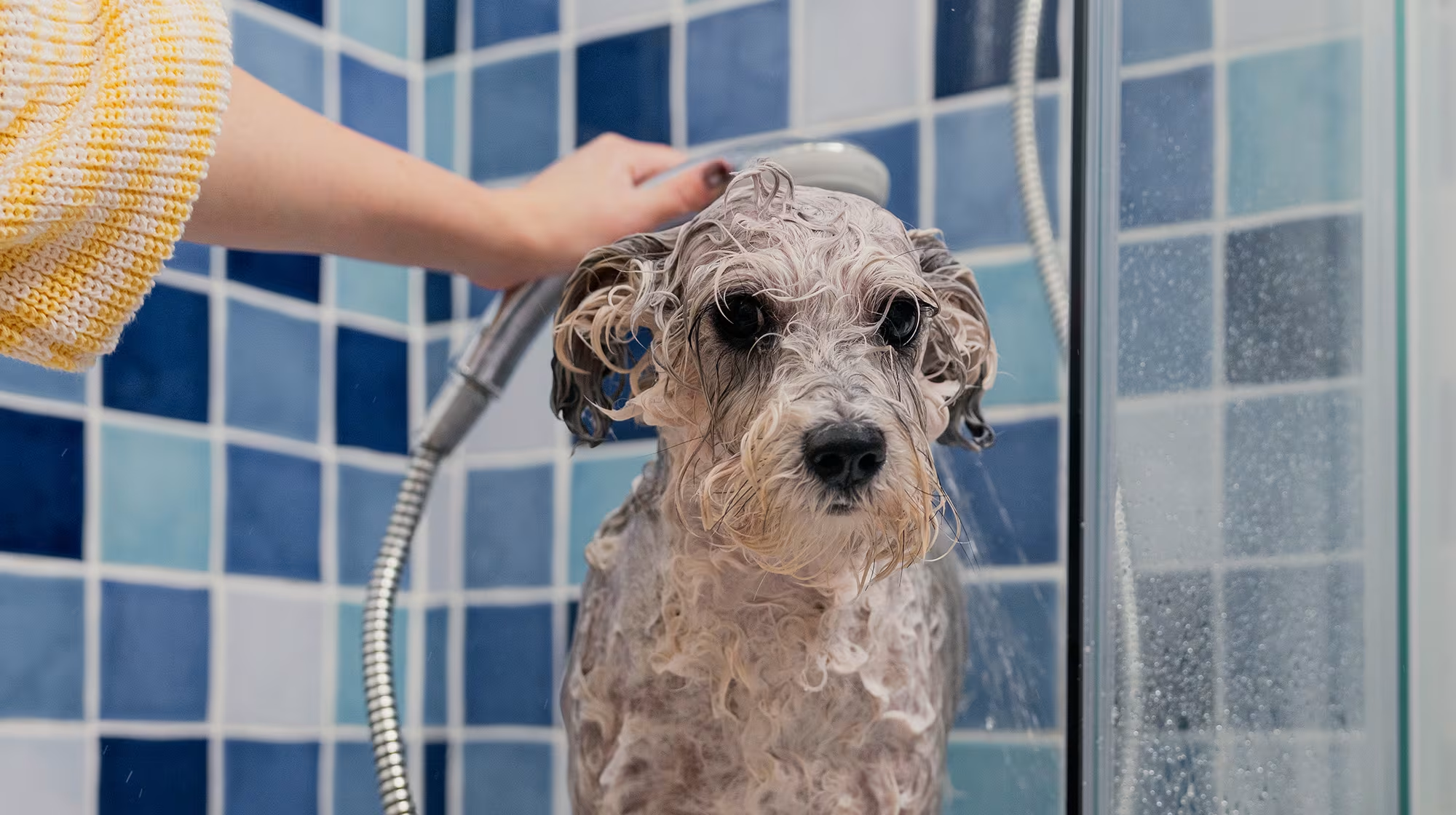
Giving your pet a rinse or wash after returning from a walk, particularly on their legs, genitals and belly, can also dislodge mites and stop them from biting.
If you suspect your pet picked up mites on a particular walk, avoid these areas as they recover and during the summer and autumn.
Giving your pet the best possible chance of recovering from symptoms and infections is also key.
Believe it or not, your dog's gut health also has a huge impact on your dog's skin & coat health, as well as how well they can fight and bounce back from infection. So, perfecting their diet and introducing the right supplements can help ensure great gut health, balance, and consequently, healthier skin and more resilient skin.
Best dog food to support itchy skin
Including these ingredients in their diet can help their skin bounce back:
Quercetin: a powerful natural antioxidant that supports immune defences and maintains healthy skin.
Flaxseeds: a natural source of Omega-3 fatty acids, which help maintain a healthy coat and good skin.
Lean proteins: A variety of quality protein sources like Turkey and Salmon support a healthier gut microbiome.
Vegetables: The vitamins in leafy greens and root vegetables help a pet’s skin to glow and repair.
Pre, pro and postbiotics: Help maintain a balanced gut microbiome, supporting better skin and coat health.
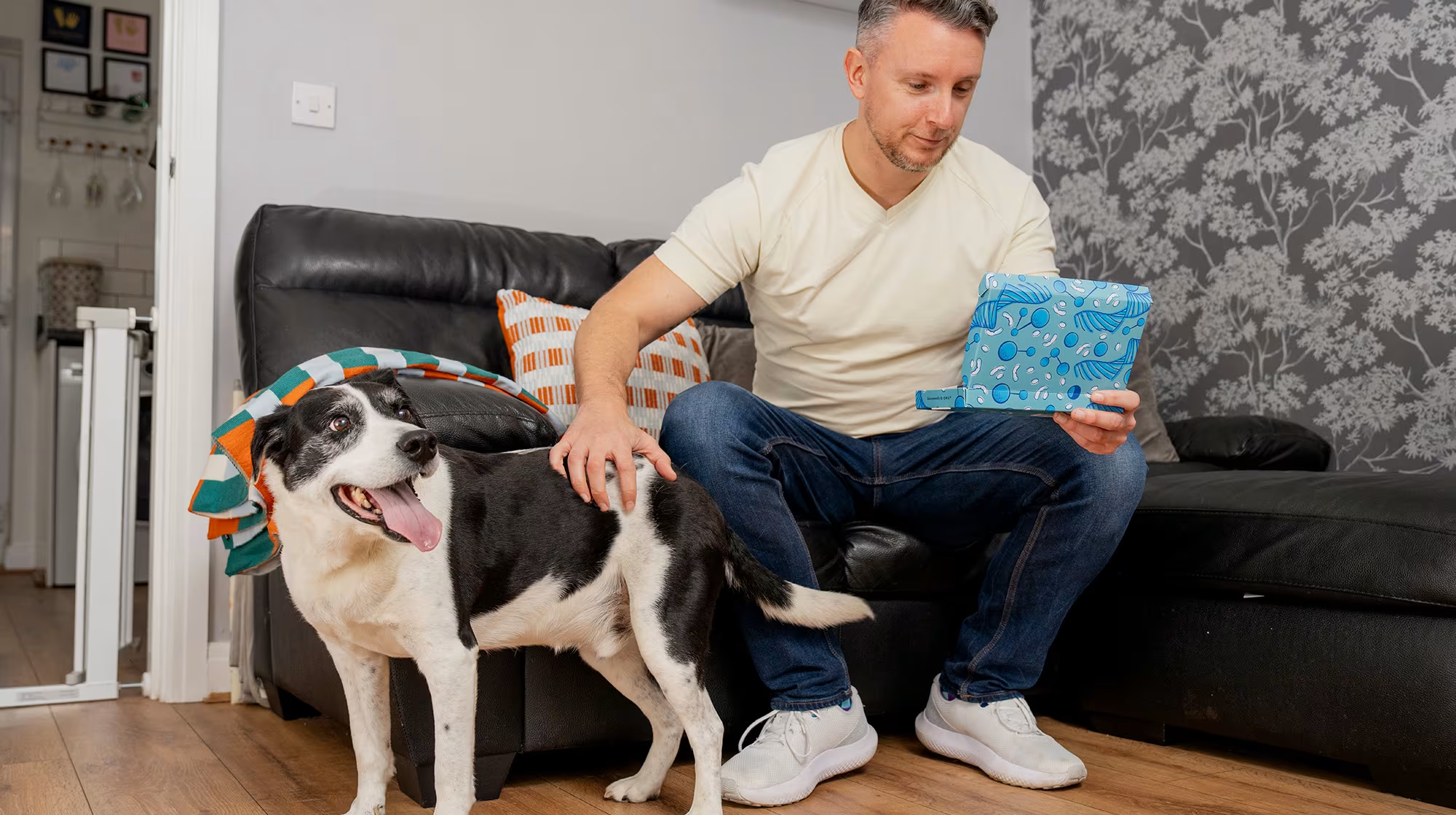
If you’re not sure which supplements and foods would best support your dog’s wellness, including improving their skin and coat, then a Gut Health Test can be a good starting point. Quick and easy to use at home, the final report can highlight any imbalances in a pet’s microbiome which could be causing or worsening skin irritation and hair loss.
By making recommended lifestyle changes based on these results, you can give your pooch the best chance of maintaining a healthy coat and skin, even if they suffer from harvest mites. This means they spend less time scratching and more time having fun in the sunshine!
Skin & Coat
Support healthy skin and a shiny coat with our Skin & Coat range. Carefully selected ingredients help ease itching, boost skin health, and provide a glossy coat — for the ultimate glow-up.
-

 from
fromCurrent price: £15.99
Skin & Coat Dry Dog Food -

 from
fromOriginal price:
£11.49Current price: £9.49
Salmon Oil For Dogs -

 from
fromCurrent price: £3.99
Skin & Coat Postbiotic Meaty Treats -

 from
fromCurrent price: £18.99
Gut-Skin Support Supplement -

 from
fromOriginal price:
£10.99Current price: £8.99
Bionic Biotic Probiotic Powder For Dogs -

 from
fromCurrent price: £47.99
The Skin & Coat Bundle
FAQs
How do you get rid of harvest mites on dogs?
There is no single treatment which can get rid of harvest mites. So it’s important to get your pooch to a vet quickly if you spot them scratching more than usual. They may recommend a combination of treatments to get rid of harvest mites, including removal sprays, anti-inflammatories, steroids and antibiotics. These will remove the mites and soothe skin irritation or infections.
How long do harvest mites stay on dogs?
The harvest mite larvae will stay attached to your dog while they feed, which is usually between 2 and 3 days (though it can be up to 5). After this point, they drop off an animal’s skin.
How do you know if your dog has harvest mites?
Signs that your dog has harvest mites may include:
Scratching, nibbling or licking areas of their body more than usual
Red, angry or inflamed patches of skin
Tiny specks or dots of red-orange on their skin, which could also look dusty
They might not show all these symptoms, but any skin irritation is worth getting checked by a vet so they can recommend the right treatment and get your pet comfortable again.
Will harvest mites go away on their own?
Harvest mite larvae will drop off a pet’s skin after a few days of feeding. But the main skin irritation is caused by the digestive enzymes they release when feeding. This can last for weeks after a mite has detached from a dog. Skin damage can also be caused by a dog’s constant scratching, which will need separate treatment.
Do harvest mites infest your home?
No, harvest mites can’t infest a home because they live in outdoor environments. So once they drop off, they can’t survive or reproduce indoors. If they are brought inside accidentally by your pet, then keep an eye out for anyone in your household suffering from their bites.
Can you wash off harvest mites?
Yes, you can wash off harvest mites to prevent them from biting. Once they’ve bitten the skin, it’s very difficult to remove them. Rinsing or washing your dog’s skin after a walk in the woods, grassy or overgrown areas is a good way to dislodge harvest mites before they bite and cause problems.
Focus on your dog’s paws, legs, ears and underbelly, as this is where mites are most likely to latch on. Use a soft towel and soap to scrub the mites away from the skin. Make sure you wash any exposed skin to avoid them biting you too!
Can harvest mites spread to humans?
Once a harvest mite larva has latched onto a pet, it will not move to a human. If both you and your dog get bitten, it’s likely that you’ll have picked up mites separately from the outdoor space where you’ve had a walk together.
This post was originally published in July 2026, but has been updated for comprehensiveness.


