


Key Takeaways:
- Adult cats can sleep between 12 and 20 hours a day in short naps. They do so to conserve energy and fuel their love of hunting and other primal instincts.
- They’re most active during the twilight hours or dawn and dusk.
- If your cat is sleeping more than normal and their routine hasn’t changed, you should get them checked by a vet.
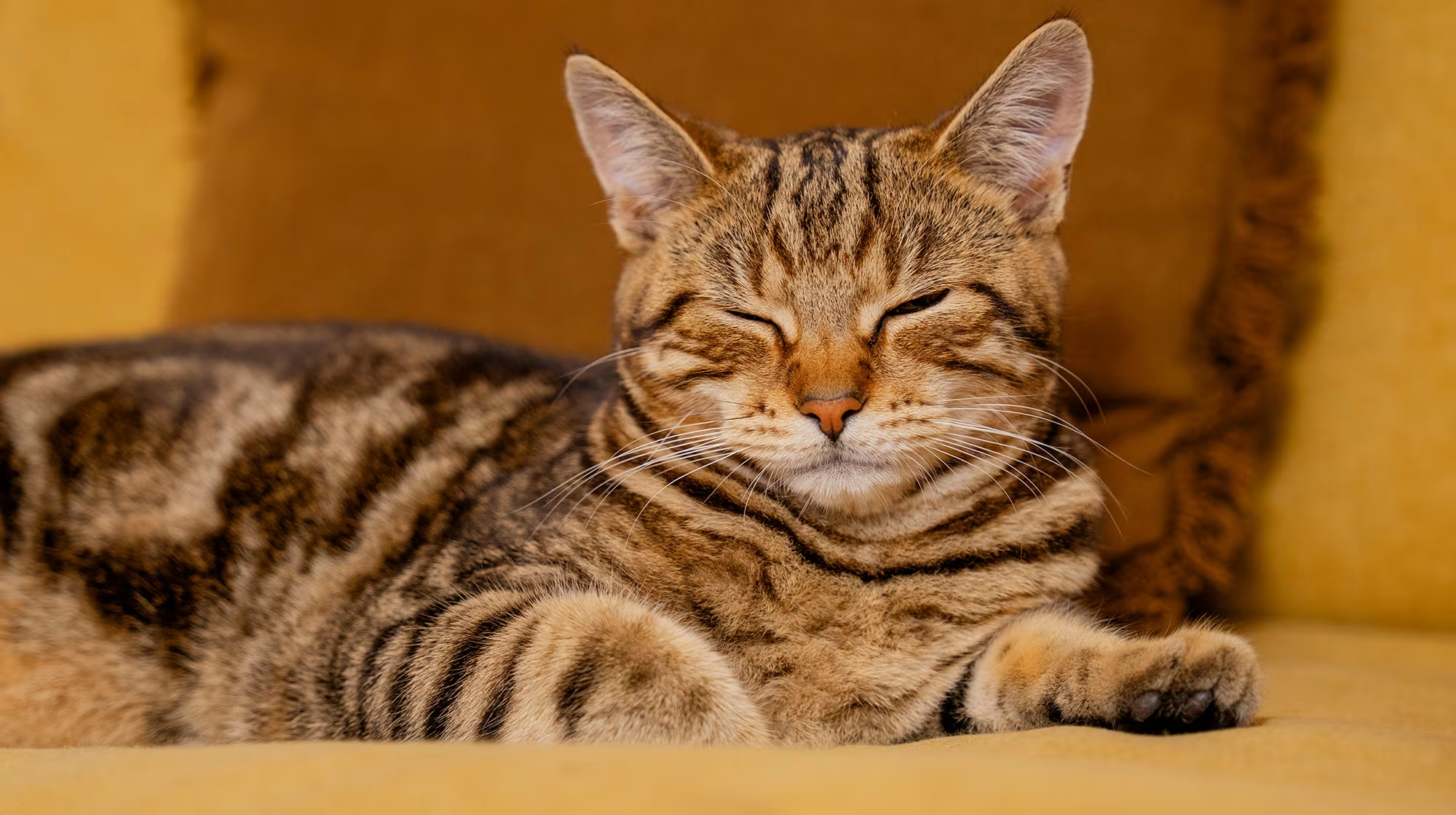
Who doesn’t love a good catnap? Felines love snoozing on the sofa, in the sun or on your lap (and let’s be honest, you love that too). It’s also perfectly natural for kittens and cats to sleep for most of the day.
But your cat’s sleeping patterns are very different to your own. So a cat that seems to be sleeping too much can make any responsible cat owner worry about whether your pet is just resting, or if their sleep is becoming a potential problem.
Here, we’ll go through all the facts and advice you need to know about letting sleeping cats lie.
How much should cats sleep?
Most cats, on average, sleep around 15 hours a day. This can be as little as 12 and as much as 20 hours depending on your cat’s age, lifestyle and health. For example, kittens and older cats tend to sleep for longer.
Cats won’t sleep for this period of time all in one go. Instead, they’ll take catnaps across a day. This can be a light sleep, where they’re dozing but still alert to any potential dangers around them. These rest periods tend to only be between 15 and 30 minutes. When cats are in a safe, comfy space, they’ll go into a deep REM sleep and fully relax for between five and seven minutes.
Across a whole day, a cat will enjoy a mixture of these types of sleep, spending about a quarter of it in deep sleep.
Do cats sleep more in winter?
Cats aren’t usually so keen to explore outside in the winter weather. So if it's wet and cold outside, your outdoor cat might decide to stay in bed for a little longer. The shorter daylight hours also make cats more likely to get cosy and snooze more.
Are cats nocturnal?
Cats aren’t technically nocturnal. Their natural sleeping pattern means they’re most active around the twilight hours of dawn and dusk (known as ‘crepuscular’). These are the times when they’d go out hunting in the wild. So although your cat may be active at night, they’ll mostly be resting while you are also in bed.
Is my cat sleeping too much?
If your cat is sleeping for longer periods than they normally do or is hiding away more often, this could be a normal reaction, or a cause for concern. There are a number of reasons why your cat might be snoozing for longer, including:
They’re conserving their energy after a busy day of play or interactions, including running, stalking and pouncing around your house or outside
They’re recovering from an injury or illness, or due to mental stress or anxiety, so they need the extra sleep to recuperate
They’re bored, so can’t think of anything better to do than sleep. This might be shown with other behaviours like destroying items or meowing endlessly
If nothing has changed in your cat’s routine and they’re sleeping a lot more than usual, it might be worth getting them checked by a vet to see if there’s an underlying issue. Behavioural changes such as not getting up to say ‘hi’ when they wake up, ignoring meal times, physical stiffness or a change in grooming habits are also signs that they may need a check-up.
Of course (as much as we wish they could), our cats can’t talk to us and tell us what’s wrong. So we often have to rely on these changes in behaviour to know when something’s not quite right. These changes within themselves could indicate anything from infection to arthritis, or even issues with their internal organs. If your cat is noticeably not themselves, be sure to get them to a vet.
Why do cats need so much sleep?
Cats need lots of sleep because they use up lots of energy in short bursts. Kittens also use a lot of energy to grow and develop, which is why they need more sleep than adults.
Even if your cat lives indoors, they are (or should be) highly alert and active in between their naps. In the wild, they would have used this drive to hunt prey.
Is my cat’s sleeping position and movement normal?
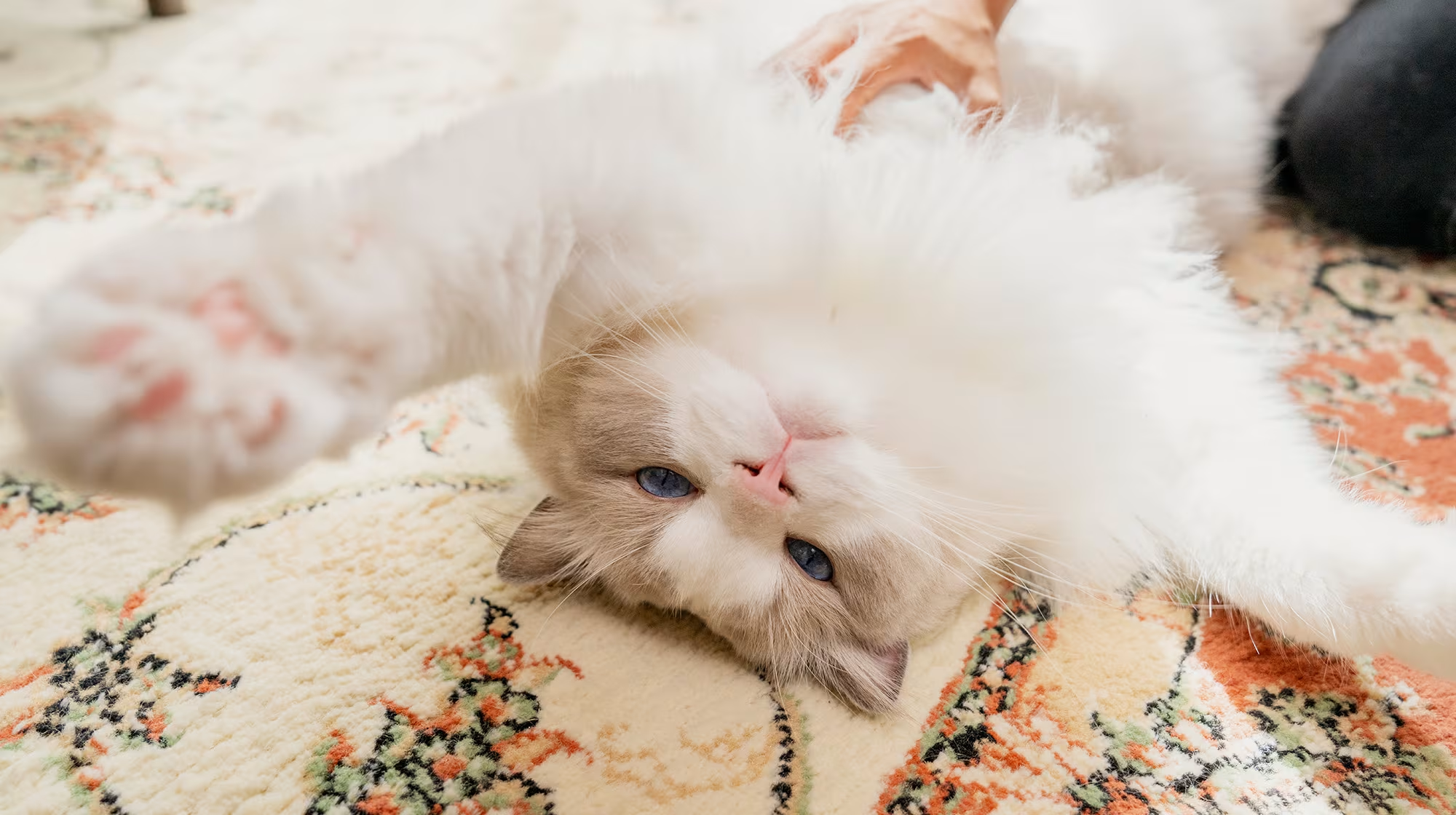
It might look a little odd to us, but if your cat is sleeping on their side, front or with their belly in the air, then this is completely normal.
Twitching or movements as they’re dozing is also not unusual. It’s typically because they’re in a ‘light’ sleep mode, meaning they’re still alert for any dangers in their surroundings. Hence their ears, whiskers and paws flutter.
You should only start worrying if your cat’s body looks very tense and hunched as they’re lying down. This could be a sign that they’re in pain. The same goes for restlessness and constant movement because they can’t find a comfortable position.
If your cat is sleeping in unusual places, this can be a sign that they’re ill or anxious.
How can you support your cat’s sleep?
To help your cats have a more restful sleep and support their overall wellbeing, you can:
Keep them stimulated when they’re awake. Whether it’s with toys, active play or treat-filled puzzle feeders and lick mats, this will tire them out and stop them getting bored
Create a safe, warm and comfortable sleeping space. Even though cats are great at creating their own little nest, having some options in high spots with cushions and blankets is helpful
Build a feeding routine and choose foods with quality proteins and nutrients that will keep them satisfied. This will stop them getting up in the night or daytime looking for snacks
By following the above strategies, your pet will enjoy a peaceful catnap and be back to their bouncy selves during the daytime. If, after a while, they still don’t seem themselves, be sure to get them checked out by your vet - just in case.
Vet-Approved Cat Food
Our grain-free, junk-free dry food for cats is specially formulated to support overall health, wellbeing, and vitality. With no added sugar, all recipes are packed with high-quality protein, natural superfoods, and prebiotics for gold star gut health, ensuring optimal nutrition for your kitty, and peace of mind for you.
-

 from
fromCurrent price: £19.49
Primal Salmon & Herring Dry Cat Food -

 from
fromCurrent price: £19.49
Primal Duck & Turkey Dry Cat Food -

 from
fromCurrent price: £11.99
Dry Superfood For Indoor Cats -

 from
fromCurrent price: £11.99
Dry Superfood For Adult Cats -

 from
fromCurrent price: £11.99
Dry Superfood For Senior Cats -

 from
fromCurrent price: £11.99
Dry Superfood For Kittens -

 from
fromCurrent price: £1.99
Primal Salmon Wet Cat Food -

 from
fromCurrent price: £1.99
Primal Turkey Wet Cat Food -

 from
fromCurrent price: £2.99
Primal Sprat & Salmon Fish Jerky For Cats -

 from
fromCurrent price: £1.49
Wet Superfood For Adult Cats -

 from
fromCurrent price: £1.49
Wet Superfood For Senior Cats -

 from
fromCurrent price: £1.49
Wet Superfood Indoor Cats -

 from
fromCurrent price: £1.49
Wet Superfood For Kittens
FAQs
Is it normal for cats to sleep all day?
It’s normal for cats to sleep for the majority of the day, up to 20 hours in total. They don’t sleep for this time all in one go, but in short ‘catnaps’.
Are cats happier if they sleep with you?
Cats often like to sleep near their trusted person. The warmth and smell of having you close by make them feel safer, more comfortable, and less likely to face danger, meaning they can get into a deeper sleep. Some evidence shows it can help you drift off to a better sleep too!


