


Key Takeaways:
- A cat refusing food can be caused by stress, illness, dental problems, or simply disliking their current food.
- Because cats can become unwell quickly when they don’t eat, you should contact a vet if your cat hasn’t eaten for 24 hours (or 12 hours for kittens).
- Changes in routine, environment, or food can affect a cat’s appetite, but gradual transitions, quiet feeding spaces, and new flavours can help.
If your cat’s stopped eating, it’s worrying - especially when you don’t know why.
Whether it’s down to stress, illness, dental problems, or you simply have a fussy feline (and granted, simple isn’t the word!), it’s important to figure out the reason they’ve lost their appetite. It’s the very first step to getting them feeling like themselves again.
Read on to discover common reasons that cats stop eating, how to spot the signs, and how to help. This includes when to see a vet, how to transition your cat onto new food, and advice for kittens, senior cats, and fussy eaters alike.
Common causes
Stress, anxiety or environmental change
Cats thrive on routine, so even small changes to their environment can cause anxiety and put them off their food.
These can be changes as small as:
Moving their food bowl or litter tray
Unfamiliar guests in the house
Conflict with another cat in the neighbourhood
Picking up on our own stress or anxiety (they’re surprisingly in tune)
Or bigger events like:
Loss of a family member or pet
A new member of the household
Moving house
Noisy gatherings or celebrations like Christmas
Building work in the house or the neighbourhood
Moving from their litter to their forever home as a kitten
Some cats can be more sensitive to change than others (Siamese cats, close your ears), and some will show no symptoms of stress, whilst others may show multiple signs.
So even if your puss seems like their usual self, they could still be stressed, and just not physically showing it.
Alongside not eating, indicators include:
Hiding
Over or under-grooming
Hissing, growling, or biting
Meowing more than normal
Appearing restless
Soiling outside of their litter tray
Flicking their tail or flattening their ears
If your cat’s showing any of the above behaviours, or they’re not eating and have had the medical all-clear from your vet, stress and anxiety could be behind their loss of appetite.
The next steps would be creating an environment which is familiar, calm, and someone where they feel safe. If they don't get their appetite back after a while, it'd be good to check in with a vet.
Cold, flu or a respiratory infection
Unfortunately, not eating can be a sign that your cat’s not feeling well.
For some, it’s due to a virus (such as Cat Flu) making them lose their appetite. Those who are not vaccinated are at much higher risk.
If you notice:
Noisy breathing
Watery eyes
Sneezing
If they do happen to be sneezing a lot, your cat might have a stuffy nose from their cold that’s stopping them from smelling their dinner.
To tempt them, try switching from dry to wet food, as it’s got a much stronger scent.
If your cat’s unwell for more than a few days or their upper-respiratory symptoms get worse (watch out for weeping eyes, runny nose, fast breathing, excessive sneezing, and a fever above 39.5°C), then it’s important to get them checked by a vet.
Sometimes they need a short course of anti-inflammatories and/or antibiotics to shift stubborn infections and feel like themselves again (just like us!).
Your cat might have a serious illness
In rarer cases, loss of appetite can signal serious illness in cats, including:
Intestinal blockage
Diabetes
Kidney disease
Pancreatitis
Inflammatory bowel disease
Cancer
Dental disease
On top of this, a prolonged period of not eating (especially in a cat who is overweight) can lead to Hepatic Lipidosis (also known as ‘fatty liver disease’), which is one of the main reasons vets take loss of appetite so seriously.
This can develop when a cat goes too long without eating. The body begins breaking down fat for energy, which can overwhelm the liver - untreated, it can lead to liver failure or death.
That’s why we advise that you contact a vet immediately if loss of appetite lasts more than 24 hours - or sooner if your cat has any of the following symptoms:
Unusual tiredness or extreme weakness
Breathing difficulties
Signs of pain (growling, hissing, being unusually quiet)
Yellow gums or eyes
Swelling/bloating of the abdomen
Vomiting or diarrhoea
Blood in their stool.
In these cases, your cat is classed as a medical emergency, and you need to get them seen as soon as possible.
Your cat might have a dental issue
If your cat’s experiencing dental problems, it might be too painful for them to eat.
Common signs of dental problems in cats include:
Dropping food while eating
Chewing on one side of the mouth
Bad breath
Swollen or bleeding gums
Reduced grooming
Eating soft, wet food and avoiding dry kibble
Eating in small amounts
Walking away from their food bowl
If you suspect your cat’s struggling with their dental health, get them checked as quickly as possible.
Your vet will examine their mouth and decide on treatment if needed. That could include professional cleaning, antibiotics, or removing damaged teeth.
Left untreated, dental issues can progress rapidly. In the worst cases, untreated dental disease can spread bacteria into the bloodstream and can lead to problems with the heart, liver, and kidneys.
Your cat might be eating elsewhere
You’d be surprised - your cat might be scoring extra meals and treats from your neighbours.
It’s common for cats to do the rounds of the neighbourhood, filling their boots, before coming home and being too full for their usual dinner.
If you suspect your cat’s the local heart-throb, it’s worth asking around your local area (Facebook groups are great for this) and checking they’re not being fed elsewhere.
They may have a food allergy
If your cat is refusing their dinner but seems hungry, it may be that they’re allergic to something in their food.
Allergies in cats not only cause constant itching but also digestive upset. If every time they eat their food they’re experiencing things like abdominal pain and bloating, they’ll link their dinner to feeling extremely uncomfortable and will be less likely to give it another go.
Just like dogs, cats can be allergic to quite common foods such as Chicken, Beef, Fish, and Dairy. If your cat is showing signs of an allergic reaction (like itching or digestive upset), be sure to check in with your vet, who’ll be able to guide you through diagnosis and dietary adaptations.
Your cat might not like their food
Just like us, cats have their preferences - and they might not actually like their current food.
Even if they’ve wolfed it down happily until now, they might be feeling bored or have changed their mind about what they like.
It can help to introduce your cat to some new flavours, treats, and textures, and see what their favourites are.
If you are looking to introduce a new food, be sure to do so gradually to avoid potential tummy upset.
Switching foods too quickly
When changing your cat’s diet, it’s important to transition them onto their new food gradually rather than switching suddenly. A quick change can upset their digestive system and lead to issues - like vomiting, diarrhoea, or your cat refusing to eat.
Cats can be creatures of habit, so introducing new food slowly gives their gut time to adjust, and helps them get used to the new taste and texture.
If your cat struggles with the change, it’s best to slow the transition down and monitor how they respond. If symptoms continue, or your cat stops eating, speak to your vet for advice.
Why is my kitten not eating?
If a kitten stops eating, it’s even more important to act quickly.
Unlike adult cats, kittens have very small energy reserves, so going without food for even a short time can affect their health.
If your kitten has stopped eating for 12 hours or more, it’s important to get them seen by a vet as soon as possible.
For kittens less than 9 weeks of age, missing just one feed can be significant.
There are several common reasons why a kitten might not be eating:
Anxiety
Moving into a new home, separation from their mother and littermates, new owners, not to mention meeting your other pets - being a kitten isn’t easy!
Sometimes getting used to the changes of their new environment can cause a temporary loss of appetite. As they settle, this usually picks up.
They’re adjusting to new food
If your kitten has recently started a new food, sometimes it takes a little while for them to adjust. It can help to mix some of their old food in with the new for a gradual transition over time.
They’re feeling unwell
Kittens are much more vulnerable to illness than adult cats because they haven’t built up an immune system yet.
Infections, parasites, or digestive issues can all cause a loss of appetite.
If your kitten also seems lethargic, has vomiting or diarrhoea, or isn’t drinking water, it’s important to contact a vet immediately.
They’re teething
Kittens are developing their adult teeth around 3 to 6 months old, which can make chewing uncomfortable and reduce their interest in food. If you think your kitten could be teething, try offering them soft, wet food and see if they manage it better.
If teething’s causing your kitten severe pain and they’re struggling to manage wet food, seek further advice from your vet.
Why is my senior cat not eating?
As your cat gets older, it’s not unusual for their appetite to change.
However, a noticeable loss of appetite in senior cats should be monitored closely, as it can be a sign of an underlying health issue.
Common reasons older cats stop eating or eat less than usual include:
Age-related health conditions
On top of the usual common illnesses that can cause a cat to stop eating, senior cats are more prone to several serious conditions, including kidney disease and diabetes. These can cause your cat to lose their appetite, feel nauseous or be too tired to eat.
Dental problems
Sore gums, loose teeth, or infections can make chewing painful, causing your cat to avoid food, especially dry kibble.
If you suspect your cat has a dental problem, try wet food until they are assessed by a vet.
Reduced sense of smell
As cats age, their sense of smell can weaken.
Because cats rely heavily on scent to stimulate their appetite, food might simply seem less appealing than it once did.
Reduced activity levels
Older cats are generally less active, which means they may naturally eat slightly less than they did when they were younger.
That being said, they should still be eating enough and maintaining a stable weight. Activity levels can explain small changes, but not a sudden, complete loss of appetite.
Arthritis or mobility issues
Conditions like joint pain can make it uncomfortable for senior cats to reach their food bowls, particularly if the bowl is on the floor.
If your senior cat stops eating for more than 24 hours, loses weight, or shows symptoms such as vomiting, lethargy, increased thirst, or behavioural changes, it’s important to consult a vet as soon as possible.
Catching these things early can make them much easier to treat and prevent them from getting worse.
When should I see a vet if my cat’s not eating?
A short period of reduced appetite isn’t always a cause for concern, but if your cat stops eating completely, keep a close eye on them.
Cats can become unwell very quickly when they’re not eating, so it’s always best to seek advice as soon as possible.
As a general rule, you should contact a vet if your cat hasn’t eaten for more than 24 hours.
For kittens, this window is even shorter - we’d advise you get them checked at a maximum of twelve hours without eating, as they have smaller energy reserves and can deteriorate more quickly.
You should seek veterinary advice even sooner if your cat’s loss of appetite is accompanied by other symptoms, including:
Vomiting or diarrhoea
Extreme tiredness or weakness
Difficulty breathing
Signs of pain (growling, hiding, or unusual quietness)
Swollen or bloated abdomen
Changes to drinking habits
Even if it turns out to be nothing serious, it’s always best to rule out underlying conditions and have peace of mind.
How to encourage your cat to eat
So you’ve seen a vet, had the all clear, but your cat’s still not eating. What now?
It may be that they’re going through a stint of being particularly fussy, so if you’ve had the all clear from a vet, try out some of these methods:
Offer smaller, more frequent meals throughout the day rather than one or two large portions. This can feel less overwhelming and may tempt reluctant eaters.
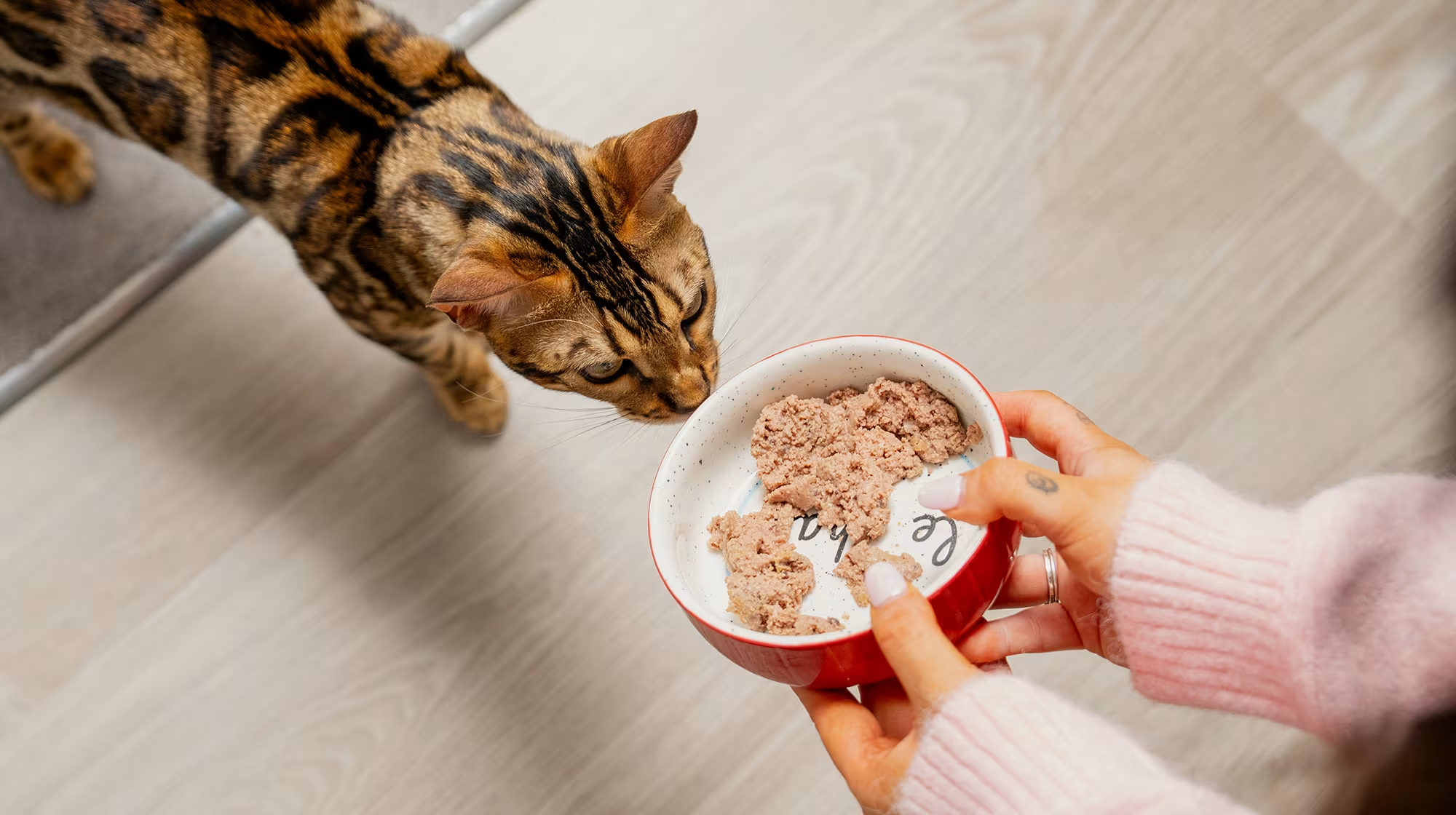
Experiment with ways to make food more appetising. For example, wet food and gravy-based meals can help, as they tend to smell stronger and have softer textures. Also, you can try warming their food up slightly, as it enhances the smell even more.
Spice up meal times and tap into their primal side. Set their food up high on an elevated surface, or create a scavenger hunt with treats to emulate hunting, and encourage them to eat.
It also helps to keep your cat’s mealtimes as quiet and stress-free as possible. Keep their bowl away from busy areas and feed pets separately if you have more than one animal.
Finally, adding a little variety in flavour or texture can help prevent boredom with their meals. Many fussy eaters can be tempted with strongly scented fish-based foods or high-quality treats as a boost alongside their usual diet.
FAQs
Why is my cat not eating much but acting normal?
If your cat’s eating less than usual but otherwise behaving normally, it could be down to minor factors like stress, changes in routine, warmer weather, or eating elsewhere in the neighbourhood.
Some cats simply go through phases of being less interested in food.
However, if the reduced appetite lasts longer than 24 hours or your cat begins showing other symptoms like lethargy, vomiting, or weight loss, it’s important to have them checked by a vet.
My cat seems hungry, but isn’t eating - why?
If your cat appears interested in food but doesn’t eat it, they may be experiencing dental pain, nausea, stress, or simply not enjoying the taste of their food.
In these cases, some cats approach their bowl, sniff the food, and walk away. If this happens repeatedly, it’s worth having your cat checked by a vet to rule out any physical causes.
How long can a cat go without eating?
Cats shouldn’t go without food for long.
As a general rule, if your cat hasn’t eaten for 24 hours, you should contact a vet.
For kittens, the safe window is much shorter - around 12 hours. When cats go too long without eating, they can develop serious conditions such as Hepatic Lipidosis, which requires urgent treatment
Vet-Approved Cat Food
Our grain-free, junk-free dry food for cats is specially formulated to support overall health, wellbeing, and vitality. With no added sugar, all recipes are packed with high-quality protein, natural superfoods, and prebiotics for gold star gut health, ensuring optimal nutrition for your kitty, and peace of mind for you.
-

 from
fromCurrent price: £19.49
Primal Salmon & Herring Dry Cat Food -

 from
fromCurrent price: £19.49
Primal Duck & Turkey Dry Cat Food -

 from
fromCurrent price: £11.99
Dry Superfood For Indoor Cats -

 from
fromCurrent price: £11.99
Dry Superfood For Adult Cats -

 from
fromCurrent price: £11.99
Dry Superfood For Senior Cats -

 from
fromCurrent price: £11.99
Dry Superfood For Kittens -

 from
fromCurrent price: £1.99
Primal Salmon Wet Cat Food -

 from
fromCurrent price: £1.99
Primal Turkey Wet Cat Food -

 from
fromCurrent price: £2.99
Primal Sprat & Salmon Fish Jerky For Cats -

 from
fromCurrent price: £1.49
Wet Superfood For Adult Cats -

 from
fromCurrent price: £1.49
Wet Superfood For Senior Cats -

 from
fromCurrent price: £1.49
Wet Superfood Indoor Cats -

 from
fromCurrent price: £1.49
Wet Superfood For Kittens
This post was originally published in July 2026, but has been updated for comprehensiveness.


