


Key Takeaways:
- A rumbling stomach in dogs is a normal sign of hunger or digestion. But if your pooch’s tum growls constantly, alongside other symptoms, it could be a sign of health issues.
- Loud or persistent stomach gurgling in dogs could point towards allergies, an upset tummy, worms, stress - or they could be having issues digesting their food.
- If your dog's stomach gurgling persists, alongside other symptoms of digestive upset, your vet can assist you in investigating the root cause. It would also be worth investing your dog's gut health, to see if poor gut health, or an imbalance in gut bacteria is to blame.
Dogs’ stomachs tend to rumble and gurgle when they’re hungry or processing a big meal, just like ours do!
However, if you’ve noticed your dog’s gurgling tummy is uncommonly loud or frequent, or if there are other symptoms of gut trouble, then it could be time to visit your vet for advice.
Here are some common reasons for a gurgling stomach in dogs, when it’s time to see a vet, and smart ways you can investigate the root cause.
Reasons why your dog's stomach is gurgling
They’re digesting food
Just like humans, canine stomachs make sounds when they’re processing food, due to the digestive tract rhythmically moving everything through the body.
And of course, every dog is different and some dogs’ tums are louder than others! If your dog has just eaten a big meal, you could be hearing the rumble of regular digestion - scientifically called Borborygmi.
They're hungry
If your dog hasn’t eaten yet and it’s close to mealtime, it could just be that they’re hungry.
Tummies make noises when the stomach is empty, as the digestive system keeps on moving regardless - and sounds reverberate in the body when there’s no food to muffle it.
Upset stomach or diarrhoea
A loudly gurgling stomach could be a symptom of digestive upset, sickness, or diarrhoea.
If there are other signs of illness such as foul-smelling farts, a bloated stomach, loose poops or even vomiting, then the gurgling is likely due to an upset tum.
When asking Vet Linda what she tends to see in her clinic, she states:
"In my clinic, I tend to find that when we can hear the grumbles, diarrhoea is brewing! I'll usually discuss a bland and digestible diet and probiotics, where appropriate. For most dogs, the issue lasts no more than a few days."
If this is severe or continues for more than 24 hours, quickly get in touch with your vet.
They’ve eaten food they’re not used to
Dogs' bodies thrive on routine and consistency, and if your pooch has eaten something new or unknown, their tummy might be loudly responding.
This could mean they’re secretly snacked on something they found in the garden, human leftovers, or a sugary, fatty treat out of the bin. It can also happen if you’ve switched their dog food suddenly, without changing their food slowly and gradually.
If you think your dog might have eaten something toxic, get in touch with your vet, or check out these tips to transition your dog’s food safely.
An imbalance of gut bacteria
A dog’s gut health, and overall wellbeing, thrives when the ecosystem of bacteria that lives within their gut (their microbiome) is rich, varied, and balanced. Meaning each species of bacteria is at an equal level, with no overgrowth or undergrowth.
If there’s an imbalance in your dog’s gut (often called dysbiosis), it can lead to poor gut health, inflammation, and disrupted digestion. Particularly, dysbiosis can lead to an overgrowth of more harmful bacteria which can lead to things like excessive gas build up, malabsorption, which can consequently cause growling and rumbling.
If you notice your dog eating grass, this is sometimes an effect of them sensing that bacterial imbalance in their tummy and trying to find instant relief. If you notice any of these symptoms, it could be worth investigating with a Gut Health Test for Dogs as a first step. This can help you gain an insight into your dog’s microbial diversity, how well their gut is prepared to support overall health and wellbeing, and what diet and supplements they need to get their gut back on track.

Stress & anxiety
Anxiety can show up in a dog’s body as gut or digestive issues, causing a growling stomach as well as excess gas, bloating and diarrhoea.
The gut-brain axis means a dog’s moods or stress levels can trigger turbulence in their digestive system. If this is the case, you might notice other stress signals like attachment anxiety, destructive habits, crying or barking a lot, or fidgety, restless behaviour. They may also seem off their food (which can exacerbate those gurgles!).
Farting or built up gas
Does your dog’s gurgling tummy come with a side of smelly farts? This could be from a food allergy or intolerance, because they ate too quickly, or they aren’t used to the food they just ate.
Healthy dog farts are often odourless, so if you notice they’re particularly stinky, keep an eye on your dog for other symptoms of digestive upset.
IBD and other digestive diseases and conditions
Sometimes, a rumbling stomach is a symptom of a range of gut-based health conditions.
Chronic Inflammatory Enteropathy (CIE) (formally known as Inflammatory Bowel Disease, or IBD) or Irritable Bowel Syndrome (IBS) are conditions that can cause stomach gurgling, digestive upset, diarrhoea, stomach pains, bloating, and blood or mucus in your dog’s poops. Be sure to get in touch with your vet if this sounds familiar.
Food allergies and/or intolerances
A food allergy or intolerance can irritate your dog’s digestive tract and/or cause inflammation. A noisy stomach might come with diarrhoea, smelly farts, bloating, itchy skin and ear infections, or recurring tummy upsets each time they eat.
If you suspect a food-related issue, start by keeping a close eye on your dog after meals. Do symptoms flare up after they eat certain ingredients, but not others?
Your vet may suggest an elimination diet to detect a trigger, or switching to a hypoallergenic or sensitivity dog food.
We know it’s tempting to keep changing your dog’s diet to test how they tolerate it, but try not to switch their food too frequently without a vet’s guidance, as this can make their tummy troubles worse.
Worms or other parasites
Worms and other intestinal parasites can cause tummy growls, as well as diarrhoea, weight loss, interrupted sleep, a dull coat, and bum-scooting due to intense itchiness.
You may even see the tiny worms when they poop or around their bottom.
Puppies are more likely to get worms and parasites, but adult dogs can pick them up too. The best way to avoid worms and parasites is to keep up with a regular, worming schedule for your dog or puppy. If you notice any symptoms, or have any questions on the best worming for your dog, be sure to check in with your vet.
A stomach infection
Bacterial or viral infections can lead to a gurgling stomach as well as sudden vomiting, diarrhoea (sometimes severe), low energy, reduced appetite, and a painful or bloated stomach. Your pooch will generally seem miserable and out of sorts.
Call your vet quickly if you notice any of these symptoms, as it’s best to get treatment for an infection in case it worsens.
Why is my puppy’s stomach growling?
Puppies naturally have sensitive tummies as their digestive and immune system continue to develop. So you might hear their stomach gurgling when nothing is really wrong.
But, be sure to stay alert for other symptoms such as loose stools, sickness or seeming low energy, which might warrant a vet visit. Though puppies sleep a lot (up to 20 hours a day), they should be energetic when awake.
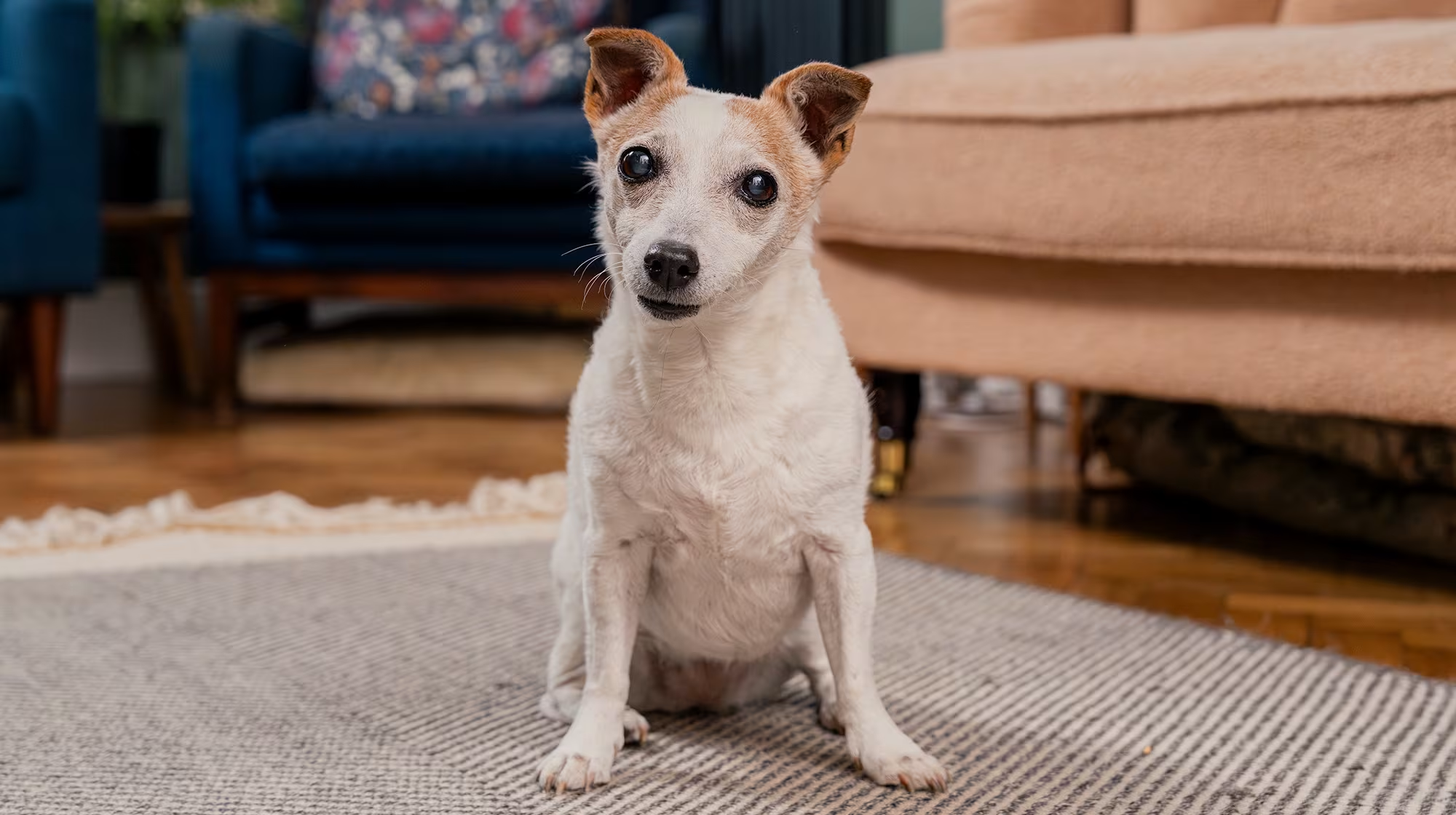
Stomach gurgling in senior dogs
Older dogs tend to develop stomach sensitivity naturally with age.
You may hear their tummy growling after eating, or they may get tired or gassy.
If you’ve noticed other symptoms such as super smelly farts, bloat, tummy pains, lethargy, diarrhoea or sickness, definitely chat it through with your vet.
It might be that your golden-oldie dog might benefit from a switch to a more sensitive diet, or a diet suitable for senior dogs, or a different recipe that’s gently digestible on their tummy. But be sure to check in with your vet before introducing a new food to your sensitive senior, and when switching their food over, do so gradually over time.
When to see a vet
Just like with humans, stomach gurgling can be a completely normal digestive noise.
But if it’s constant, or comes with the symptoms mentioned above like sickness, diarrhoea, tummy pain or lethargy, take your pooch to the vet to chat over what you’ve noticed.
Your vet can examine your dog and have a chat about potential treatments, food allergies or diet changes.
Should I be worried about my dog’s stomach gurgling?
A growling stomach is an emergency if there are other severe symptoms like:
Sudden vomiting
Diarrhoea
Sudden weakness
A hard and swollen stomach
Obvious pain including whimpering, aggression, or a reluctance to move
If you notice any of this, call your vet as an emergency.
What to give your dog for a gurgling stomach
If your dog’s gurgling stomach seems to be a digestive issue and you’re looking for some preventative measures, here’s how you can soothe your dog’s noisy tum.
Offer water (but don’t force it). Make sure your pooch has plenty of fresh water to drink in a few areas around the house. Getting enough water and keeping them hydrated allows their digestive system to run more smoothly.
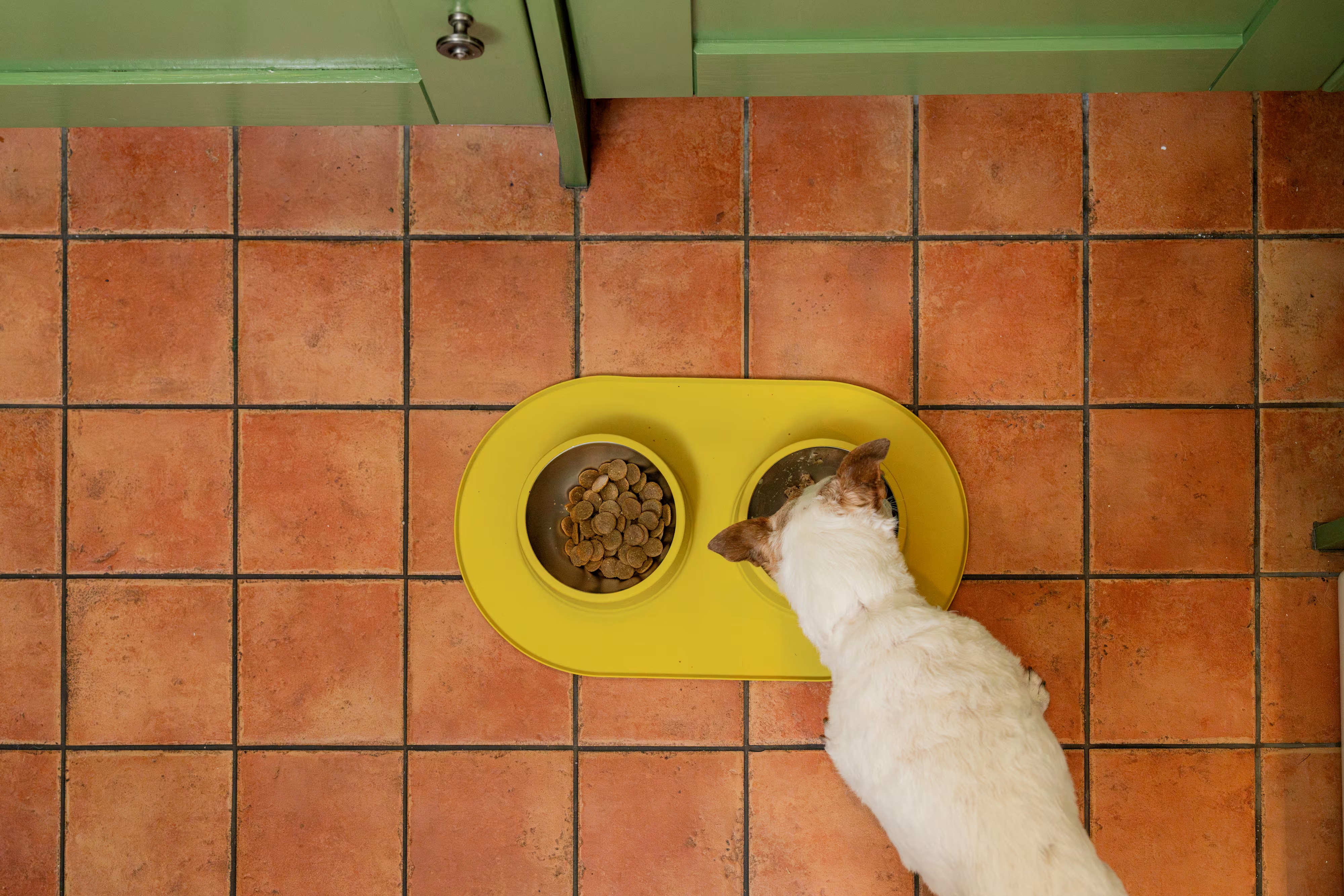
Feed them little and often instead of big portions. If your dog tends to wolf down their food, encourage slower eating with smaller portions, fed throughout the day. Try licky mats or slow feeders as extra tools to encourage calm eating!
Investigate your dog’s gut health. The first step towards optimal health and wellbeing for your dog is maintaining great gut health. With a Gut Health Test for Dogs, (and a small sample of their poop) you can gain incredible insight into what bacteria is living within your dog’s gut, if there’s a good balance, and how ready your dog’s gut is to support their body. Whatever their results, it can also give you a bespoke and targeted supplement plan which can help restore or maintain your dog’s gut and alleviate those pesky symptoms.
Consider a diet change. Your pooch may have developed an intolerance, or simply doesn’t respond well to their current food. Once you’ve done some research into what might suit them instead (or chatted it through with your vet), remember to gradually switch your dog’s food, as a sudden change can worsen gut issues.
What’s the best dog food for a sensitive gut?
If your pooch has a sensitive stomach, why not try the following food for dogs? All our recipes are also natural and grain-free, which many find gentler on a dog’s stomach.
Our Dog food for Health & Digestion is formulated to be gentle on the tummy and promote healthy stools. Contains nourishing whole proteins like Salmon, fibre-rich Sweet Potato, and Psyllium Husk & Seeds to keep poops firm.
Our Sensitivity Dog Food contains tasty, omega-rich proteins like Salmon that are easily digestible on the stomach; as well as Pre- & Postbiotics to balance bacteria in the gut. Great for sensitive tums or dogs with food allergies.
A simple recipe such as Fresh Chicken. This wholesome food contains 50% Chicken as well as Sweet Potato, Apple, Pumpkin, and Salmon Oil, for pooches with fussy palettes and tummies.
Dog food with a novel protein, such as Salmon & Insect. Dog food with novel proteins (Salmon, Insect, Vennison, for example) is less likely to trigger inflammation or a reaction in a dog’s body, so it’s great for dogs with digestive sensitivities. Are you ready to start the investigations towards solving the mystery of your dog’s gurgling stomach?
Our Gut Health Test for dogs is a great first step to understanding the goings-on in their gut microbiome. Order your test kit and receive your results, and targeted supplement plan in 4 weeks.
Digestion
Support sensitive stomachs with our Health & Digestion range. Gut-friendly ingredients aid digestion, nutrient absorption, and overall vitality — to nurture digestive health with ease.
-

 from
fromCurrent price: £8.49
Health & Digestion Dry Dog Food -

 from
fromCurrent price: £1.99
Health & Digestion Complete Wet Dog Food -

 from
fromCurrent price: £4.99
Health & Digestion Fish Hide Chews -

 from
fromCurrent price: £2.49
Fish, Potato & Pea Wet Dog Food -

 from
fromCurrent price: £5.99
Health & Digestion Beef Collagen Chews -

 from
fromCurrent price: £3.99
Health & Digestion Postbiotic Fish Treats -

 from
fromCurrent price: £64.99
The Health & Digestion Bundle -

 from
fromCurrent price: £5.99
Health & Digestion Bone Broth For Dogs -

 from
fromCurrent price: £3.99
Dental Postbiotic Meaty Treats -

 from
fromCurrent price: £3.99
Cheddar Cheese Postbiotic Treats -

 from
fromCurrent price: £19.99
Gastrointestinal Dry Dog Food
FAQs
When to be concerned about dog stomach gurgling?
Your dog's gurgling stomach can be just a normal and natural part of digestion. However, if their gurgling is persistent, and paired with other symptoms of digestive upset like:
Foul smelling farts
Runny poos
Vomitting
Lethargy
Reduced appetite
Blood in their stools
Be sure to check in with your vet.
Does a dog's stomach gurgle with pancreatitis?
A gurgling stomach in dogs can be a symptom of pancreatitis.
If a gurgling stomach comes along with other pancreatitis symptoms such as:
Signs of severe abdominal pain
Reduced appetite
Lethargy
Lots of vomiting
Be sure to check in with your vet, and discuss your concerns.
Why does my dog's stomach make weird noises and he is eating grass?
If your dog's stomach is persistently gurgling, and is paired with lots of grass eating, it could be sign of digestive upset, gut troubles, or even, an imbalance of their delicate gut flora (dysbiosis).
If you think your dog might be suffering from poor gut health, the best place to start is a Gut Health Test. This is a great way to assess the balance of the bacteria in their gut (or their microbiome), and help indicate whether this is the root cause of their symptoms. This can also help map out their treatment, recommending the best possible diet and supplements for your pooch.
What can you give a dog for a gurgling stomach?
If your dog's gurgling stomach is down to a little bit of digestive upset, they might benefit from a more bland, or simple diet, or one that mainly targets gut health and dogs who tend to suffer from sensitive tums.
Alternatively, on a temporary basis, you could try some dog-safe foods that are known to help a recovering tum, include:
Boiled, plain chicken
White rice
Pureed, unseasoned Pumpkin
Plain, Greek Yogurt or Kefir
With introducing any new foods, be sure to speak to your vet first, and introduce them slowly and gradually.
Does my dog need a gut health test?
If your dog’s showing constant issues with digestion, itchy skin, anxiety, runny poos, smelly farts, or bad breath, it might be a good idea to start with their gut. A Gut Health Test can identify areas of imbalance in their gut microbiome and assess how well-equipped their gut is to support their overall health. If, after a Gut Health Test and actioning recommended changes, your dog’s symptoms persist or worsen (i.e., blood in their stools, refusing to eat, lethargy, vomiting), then it’s best to see a vet as soon as possible.


