


Key Takeaways:
- The amount you feed a cat per day changes based on factors like their age, weight and activity level.
- Cats can get a complete diet on either wet or dry food, or even mixing the two. It all depends on your cat's needs and what they prefer.
- Serving several smaller portions across a day and using the right bowls can help your cat have a healthy feeding routine.
Whether your moggie is a greedy guts or picky eater, their energy levels and nutritional needs will change as they grow from a playful kitten to an adult and on to their senior years. Making sure your pet gets enough of the right food, but not too much, will help them stay happy and purring across their whole life.
Of course, you want to know that your cat’s appetite is satisfied. But you don’t want them to gain weight either. Getting this balance can be difficult if you’re feeding more than one pet, have cats with particular needs or are switching their food. This guide will give you all the details you need to approach meal times with confidence.
How much should you feed your cat?
When it comes to Purr & Meow cat food here at Pooch & Mutt, general feeding guidelines according to your cat’s weight can be found on our website or on the back of the packaging.
But for ease, we have listed some right here!
But remember, do always check the feeding guidelines on the back of the food you’re feeding, as they’ll be more in line with the actual food. Plus, guidance may vary depending on our range (ie Primal).
But generally, we recommend:
Kitten Dry Food
Kitten Weight | Age 2-4 months | Age 4-6 months | Age 6-8 months | Age 8-12 months |
2-3 kg | 25-45g per day | 40-50g per day | 45-55g per day | 50-60g per day |
3-4 kg | 45-55g per day | 55-65g per day | 65-75g per day | 70-80g per day |
4-5 kg | 50-55g per day | 60-65g per day | 70-75g per day | 75-80g per day |
5-6 kg | 55g per day | 60g per day | 75g per day | 80g per day |
Kitten Wet Food
Size | Amount Per Day |
Small cats (1-3 kg) | 2 ½ - 3 packs per day |
Medium cats (3-5 kg) | 3-4 packs per day |
Large cats (5-7 kg) | 4- 4½ packs per day |
Giant cats (7kg+) | 4½ + packs per day |
Adult Dry Food
Size | Amount Per Day |
Small cats (1-3 kg) | 50-70g per day |
Medium cats (3-5 kg) | 70-85g per day |
Large cats (5-7 kg) | 85-95g per day |
Giant cats (7kg+) | 95g+ per day |
Adult Wet Food
Size | Amount Per Day |
Small cats (1-3 kg) | 3 - 3½ packs per day |
Medium cats (3-5 kg) | 3½ - 4 packs per day |
Large cats (5-7 kg) | 4 - 4½ packs per day |
Giant cats (7kg+) | 4½ packs per day |
Senior Dry Food
Size | Amount Per Day |
Small cats (1-3 kg) | 60-75g per day |
Medium cats (3-5 kg) | 75 -90g per day |
Large cats (5-7 kg) | 90-105g per day |
Giant cats (7kg+) | 105g+ per day |
Senior Wet Food
Size | Amount Per Day |
Small cats (1-3 kg) | 2-2½ packs per day |
Medium cats (3-5 kg) | 2½ - 3½ packs per day |
Large cats (5-7 kg) | 3½ - 4 packs per day |
Giant cats (7kg+) | 4+ packs per day |
Indoor Cat Dry Food
Size | Amount Per Day (normal activity) | Amount Per Day (low activity or weight reducing) |
Small cats (1-3kg) | 60-75g per day | 50-60g per day |
Medium cats (3-5kg) | 75 - 90g per day | 60-70g per day |
Large cats (5-7kg) | 90-105 per day | 70-90g per day |
Giant cats (7kg+) | 105-115g per day | 90-100g per day |
Indoor Cat Wet Food
Size | Amount Per Day |
Small cats (1-3 kg) | 2½ - 3 packs per day |
Medium cats (3-5 kg) | 3-3½ packs per day |
Large cats (5-7 kg) | 3½-4 packs per day |
Giant cats (7kg+) | 4+ packs per day |
How do you know how much you should feed your cat?
The amount of food your cat needs every day will change based on a few different factors.
Just like humans, each cat’s lifestyle will affect the number of calories they need to stay energised and healthy. To work out how much food your cat needs per day, you need to weigh up the following:
Age
As weaned kittens grow and develop, they need plenty of fuel. Especially as they spend lots of energy exploring. To help them stay full and happy, you should give them more calories per day.
Once your cat hits their first birthday (and is officially an adult), their growth will slow, and their weight starts to settle. From this point, you can set their food amount and create a routine that suits their needs. As your cat ages, they might move less, which means they need fewer calories.
They might also need slightly different foods, such as omega-3 supplements to keep their joints mobile. Older cats might also prefer smaller, regular meals to help their digestion.
Size
The bigger your cat is, the more food they need per day to be happy and move well (We see you, Maine Coones!).
Remember to base your calorie calculations on your cat’s ideal weight. Especially if your vet has said that your cat could do with losing a couple of pounds.
Breed
Each breed has a different shape, size, energy level and metabolism.
While Ragdolls are bigger and love relaxing, Bengals are athletic and energetic. As such, they don’t just have different calorie needs, but nutritional ones as well.
Protein is essential to maintaining a Bengal cat’s muscle, while removing grains will stop a Ragdoll putting on weight. Getting advice from your vet on the best types of food for your cat’s breed will help them get the right nutrients to stay healthy.
Activity levels
How much energy your cat uses day-to-day will affect how much food they need to eat.
For example, if your cat lives indoors and spends most of their day sunbathing, they’ll need less fuel than an active outdoor feline. If a cat’s activity levels change over time, it’s important to adjust their meals to match.
Medical conditions
If a cat has had an operation, an intense set of treatments, or a long-term illness, then this can affect how much food they need.
They need enough nutrients to help them bounce back from their illness, but not so much that they put on weight as they recover. If they’re feeling bad, they might take small meals as they regain their appetite.
Neutered or spayed cats also have a slower metabolism due to a drop in sex hormones, so need fewer calories than fertile felines. Similarly, a cat that’s about to have kittens will need more energy to support growth.
What should you feed your cat?
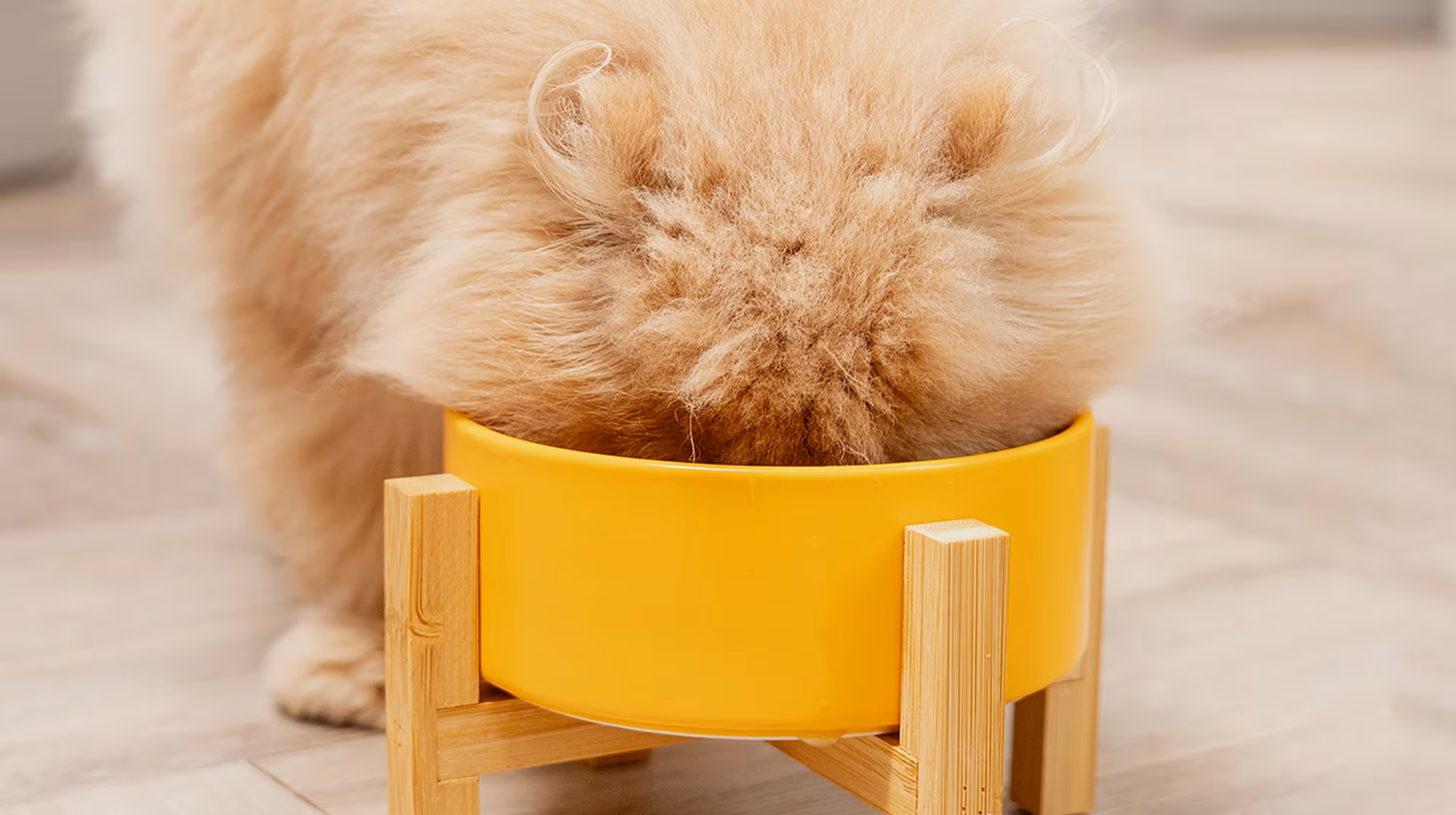
Cats are natural (obligate) carnivores.
This means they need a predominantly meat or fish-based diet full of different vitamins, minerals and proteins to stay healthy.
When aiming for the best possible diet for your cat, protein-rich wet or dry food, balanced with both protein and nutritious fruits, vegetables, and superfoods, is a great and easy option to ensure they’re getting a healthy and complete diet.
Can cats be vegan or vegetarian?
Although plant-based diets can have lots of benefits for humans, cats’ digestive systems haven’t adapted to them. They need amino acids and other nutrients found only in meat, so a vegetarian or vegan diet isn’t recommended for cats.
Resident Vet Linda tells us that Taurine in particular is an essential amino acid that cats need from animal based proteins, contributing to heart health, vision and growth. They’re unable to make Taurine naturally when on a plant based diet, and Taurine deficiency is a big concern for cats. So keeping up with a meaty or fishy diet is crucial.
Not to say that some fruits and veggies aren’t welcome in their diet!
How do you change your cat’s food?
If you do need to change your cat’s food for any reason, do this gradually by offering them increasing amounts of it in a separate bowl close to their normal food.
This will help your them get used to the taste and make it less likely for them to get an upset stomach.
Explore ‘How to transition your cat onto a new food’ for our full guide on safely switching your cat’s food.
Can you give your cats treats?
Occasionally, of course! There’s no problem with giving your cat a treat - everyone deserves a little something once in a while.
Just make sure it is never more than 10% of their daily calorie allowance. Treats for cats or pieces of their usual dry food are good options.
Using puzzle feeders can also help keep them entertained, stimulated, and their hunting instincts on point. Mixing up treats with toys, playtime, and lots of fuss also helps their diet stay balanced and their weight at a healthy level.
When and where should you feed your cats?
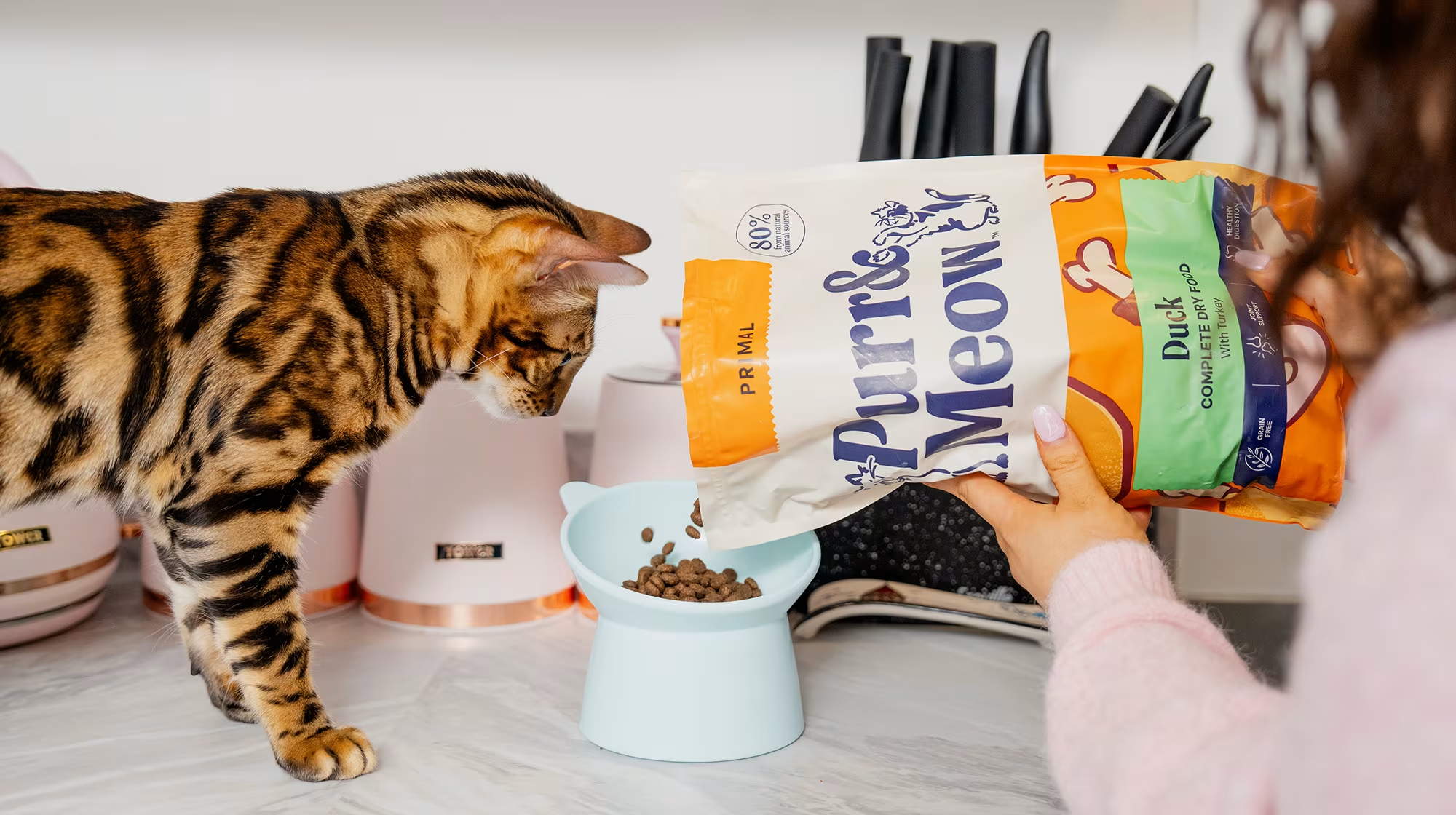
Cats naturally prefer to eat multiple small meals across a day. This is how they would feed in the wild.
So dishing up their dinner between two and four times a day will suit them best. The frequency of feeding might also change with age, with kittens being fed more often than an adult cat. Once your cat is into a routine with you, they should happily eat at these regular times.
To help your cats have a healthy feeding routine, you could consider:
Use a wide, shallow or flat bowl. This helps them see their surroundings while they feed and stops their whiskers brushing against the sides, causing ‘whisker fatigue’. This is where cats can get overstimulated by their whiskers being repeatedly brushed.
Choose bowls made from ceramic or stainless steel, instead of plastic, which traps odours and bacteria that cats are sensitive to.
Wash these bowls regularly and don’t leave food out for too long to prevent smells from building up that cats won’t like.
Let wet food come to room temperature before serving it, as cats don’t really enjoy eating it straight from the fridge.
For fussy eaters, switching to foods with strong odours, like wet food, or adding cat-safe food toppers like fish oil can make their meal more attractive.
Put their food bowls in a quiet area away from their litter box, other pets and distractions, as they don’t like contamination or competition.
A great tip is to try and keep the food bowl away from the water bowl, as cats prefer to keep their food and water sources separate.
Am I feeding my cat enough?
If you’re following a regular feeding routine and your cat stays at a healthy weight, this is a good sign that they’re getting enough food.
If their feeding habits or weight suddenly changes, then we’d suggest getting them checked by a vet.
Weight gain or obesity can cause more serious health problems if it’s left untreated. A vet can help you get to the root cause of any weight changes. They can also recommend the best foods for felines with medical conditions or diseases, helping you get your cat back to their healthy, happy selves.
If your cat is constantly badgering you for more food, even after eating, it could be a sign of something else going on. If you’ve faced this feline fiasco, be sure to explore ‘Why is my cat always hungry?’.
Vet-Approved Cat Food
Our grain-free, junk-free dry food for cats is specially formulated to support overall health, wellbeing, and vitality. With no added sugar, all recipes are packed with high-quality protein, natural superfoods, and prebiotics for gold star gut health, ensuring optimal nutrition for your kitty, and peace of mind for you.
-

 from
fromCurrent price: £19.49
Primal Salmon & Herring Dry Cat Food -

 from
fromCurrent price: £19.49
Primal Duck & Turkey Dry Cat Food -

 from
fromCurrent price: £11.99
Dry Superfood For Indoor Cats -

 from
fromCurrent price: £11.99
Dry Superfood For Adult Cats -

 from
fromCurrent price: £11.99
Dry Superfood For Senior Cats -

 from
fromCurrent price: £11.99
Dry Superfood For Kittens -

 from
fromCurrent price: £1.99
Primal Salmon Wet Cat Food -

 from
fromCurrent price: £1.99
Primal Turkey Wet Cat Food -

 from
fromCurrent price: £2.99
Primal Sprat & Salmon Fish Jerky For Cats -

 from
fromCurrent price: £1.49
Wet Superfood For Adult Cats -

 from
fromCurrent price: £1.49
Wet Superfood For Senior Cats -

 from
fromCurrent price: £1.49
Wet Superfood Indoor Cats -

 from
fromCurrent price: £1.49
Wet Superfood For Kittens
FAQs
How much food should I feed my indoor cat?
You can work out how much food your indoor cat needs by looking at the recommended amount for a pet their size (this is usually on the packaging). Then take off around 10% of this total. Indoor cats tend to be less active, so need fewer calories per day.
Alternatively, to make life a little easier, you can opt for indoor cat food, providing a diet specifically formulated to align with your house cat. Indoor cat food brings a balanced and complete diet, but is often lower calorie than regular cat food.
Is two meals a day enough for a cat?
Generally, two meals of wet food a day, plus one meal of dry food, would be plenty for an adult cat. Younger or older cats may need fewer or more meals across the day.
However, every cat is different, depending on their breed & need. Some cats might also prefer their meals spread out into several smaller portions. Your main priority should be whatever fits your cat’s needs, and keeps them happy & healthy.
How do I know if my cat is hungry?
Signs that your cat is hungry can include:
Pacing near their bowl
Meowing persistently
Seeking out food
It might just be habit or boredom though, so check their weight as well. If they seem to be losing fat and their ribs start to show, it’s a sign your cat might need more food.
Is one cup of food a day enough for a cat?
For most cats, one cup of wet or dry food a day would be too much. Be sure to check the packet of any food you’re giving them to see the recommended amount for your cat’s weight and age.


