


Key Takeaways:
- Switching your cat to a brand new food should be gradual and over a period of up to 8 days.
- This should follow a schedule of dishing up 75% old food and 25% new on days 1 & 2. Then 50/50 on days 3 & 4. Changing to 75% new food and 25% old food on days 5 & 6. Then, eventually feeding them just their new food on days 7 & 8.
- This approach is required to give your cat's gut time to adjust and monitor any adverse reactions, making them minor and manageable. This includes any allergies or intolerances, which may manifest as runny poos, vomiting, itching, and refusing to eat.
Nailing the perfect diet for your cat can be somewhat of a roller coaster.
It’s not just the ingredients, cost, and compatibility you need to consider, but also your cat’s hard-to-impress palate!
And when you’re confident you’ve finally found the ONE, it’s not as simple as placing their new food down.
There’s a recommended, special technique that not only ensures a smooth transition but also makes for the best experience for your cat (and most importantly, their tum).
We’ve got everything you need to know to make the switch as easy and successful as possible.
How to switch cat food: Step by step
The very first step of switching your cat's food, before it even tumbles into their bowl, is finding out how much they should be getting.
The amount you feed your cat depends on a number of factors, like their age, size, or the type of food you're feeding.
Here at Purr & Meow, you can find all our feeding information on site or on the back of the packaging, or on our Feeding Guidelines article.
When it comes to switching your cat’s food, it should take place over 8 days - mixing their old food with their new food until their old food has been completely replaced.
Here’s what this might look like:
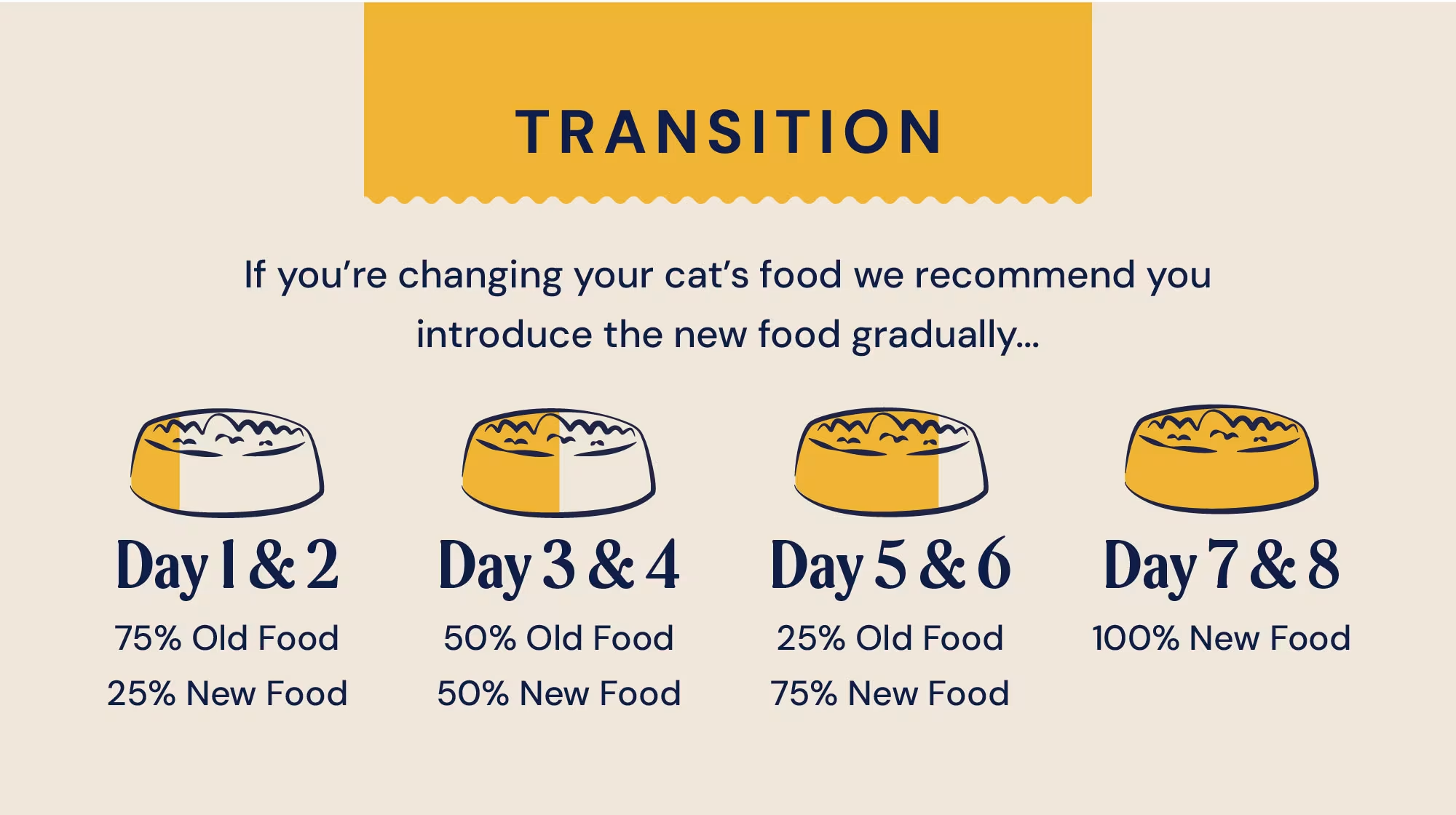
The first couple of days: Days 1 & 2
Measure out their regular food with the amount they require for their size, weight, and needs, removing at least a quarter of the portion. Replace this with their new food.
After mealtimes, keep a close eye on your cat for any signs or symptoms of allergies or intolerances.
Take particular notice of their next poop, as this will be the most immediate sign (checking its colour and consistency), as well as any other signs of discomfort.
Days 3 & 4
If your cat seems happy and healthy and hasn’t had any signs of illness, you can continue with the gradual switch.
This time, split their regular food and new food 50/50 by measuring out half a portion of their regular food and replacing the other half with their new food
Still keep an eye on them after feeding and over the next few days, looking out for any signs of reaction or discomfort.
Day 5 & 6
If things are still looking positive and your cat’s still taking to their new food well, you can continue with the switch.
This time, you can feed them ¾ of their new food and ¼ of their old food.
Even though they’re now eating a diet that consists mostly of their new food, still keep monitoring them - just in case.
The last couple of days: Day 7 & 8
Now we’re in the last few days of the switch; you can feed your cat a bowl consisting of just their new food.
Your cat is now officially switched over to their new diet, but it’s still good to keep a close eye on them. Especially in the first month or so.
If they start to develop any issues or show clear signs of digestive discomfort, be sure to contact your vet. Especially if this consists of blood in their stools, vomiting, or diarrhoea.
How do you transition a kitten onto a new food?
Looking to switch your kitten’s food is extremely common amongst cat parents, especially when they first come home to you.
As they continue to grow and develop, it can be tricky to find the perfect diet - something they love to eat and that sits right with their needs.
Alternatively, when your kitten first comes home to you, they may be eating a diet that doesn’t suit their new lifestyle, so the hunt begins for a new one.
Due to the fragility of your kitten’s developing body, changing their food gradually over time is of the utmost importance.
So, following the same gradual approach for changing your kitten's food, whether they’re new to you or you’re finding the right diet, is definitely recommended.
Despite doing this to avoid digestive upset, kittens commonly have runny or soft poops (especially if they’ve just come home to you). This should resolve as they get older and adjust to their new life and diet.
If this lasts and they start to show other signs of digestive upset, it’d be good to check in with your vet.
How do you transition a cat’s food with a sensitive tummy?
The same, gradual approach over 8 days can still apply to cats with particularly sensitive tums.
But there’s no harm in lengthening the process to allow their delicate digestive system to fully adjust.
Just always avoid making a clear switch straight away, as this can worsen any pre-existing digestive issues.
What happens if you switch your cat’s food too quickly?
Suddenly changing their diet is a little shock to the system - literally! Leading to abdominal discomfort, runny poos, vomiting, and a reduced appetite.
This is down to their gut and the bacteria that live within it.
The little ecosystem of bacteria that lives within your cat’s gut is very delicate. Balanced gut bacteria means their gut is working like a well-oiled machine - supporting their overall health and wellbeing.
Their bacteria are suited to their current diet, rightly equipped to support digestion and absorb all those beneficial nutrients.
Introducing their new food bit by bit gives their gut time to adjust, minimising the risk of digestive upset.
Plus, introducing their new food gradually also gives you time to monitor for any reactions and treat them before they get worse.
The process may take some time - but it’s worth the wait!
Signs to look out for when switching your cat's food
One of the main reasons it’s suggested to switch your cat’s food slowly over time, is to give you the chance to keep an eye out for any unwanted reactions. Mainly, general digestive upset and allergy symptoms. Food allergies are actually quite uncommon in cats, being the third most common allergy cats can experience. (1)
But for those cats that do suffer, it’s often triggered by proteins like Beef, Chicken, and Fish and can cause all sorts of symptoms.
The main signs to look out for when switching your cat’s food include:
Runny poos
Vomiting
Itchy skin
Flatulence
Lethargy
Refusal to eat
What if switching your cat's food has caused tummy upset?
If you spot any of the above symptoms or are worried that your cat may have an allergy, be sure to stop feeding them the new food and contact your vet.
They’ll be able to guide you on what to do next. Whether that’s diagnosing an allergy through an elimination diet or allergy test, or temporarily feeding them a plain, bland diet to help get their tummy back on track. Especially before you try any other new foods.
If their symptoms are particularly bad, they may prescribe anti-nausea medication to help them get back to their old selves.
Common reasons to change your cat’s food
We’ve already mentioned a few, but there are quite a few reasons you may begin to consider switching your cat’s food:
Age
Your cat’s diet should change along with them. Each life stage, from kitten to adult to senior, requires different levels of nutrition in order for them to thrive.
For example, kittens are busy burning energy, whether that’s through causing mischief or their constant growth and development. And this calls for a diet to support them through it.
The same can be said for senior cats. As they age, they become more at risk of many old-age ailments that would benefit from a little support through their diet. Whether that’s for their joint health, their skin & coat health, or their gut health.
Lifestyle
As well as age, a cat’s lifestyle may determine their diet. Especially if you decide to raise them as indoor cats!
Indoor cats require a certain kind of diet to fit their lifestyle. They don’t burn through energy as outdoor cats do, so they may need a diet that helps them maintain their weight and helps keep them zen.
A recent diagnosis
No matter how much we invest in our cat’s diet, health, and wellbeing, we never know what’s around the corner. All we can do is love them and support them in whichever way we can! Including through a specialised diet.
Common health issues in cats that benefit from a change in diet include:
Diabetes
Kidney disease
Urinary or bladder issues
IBD (Inflammatory bowel disease, now referred to as CIE)
Allergies or intolerances
Liver disease
Weight management
Obesity in cats is extremely common and can be tackled by a change in diet. Particularly to a lower-fat, lower-calorie, and leaner food to help them slim down.
On the flip side, if your cat is a little underweight, switching to a high-protein, high-fat diet can help them gain a few pounds until they’re back to a healthy, maintainable weight.
When to see a vet
The minute your cat starts displaying any of the symptoms we’ve discussed, it’s time to check in with a vet.
Especially when it comes along with other concerning symptoms like blood in their stools, extreme lethargy, and no eating or drinking.
If they’re eating and seem to be their normal, happy selves, then keep dishing it up!
FAQs
How long does it take to transition a cat to new food?
It takes a minimum of 8 days to officially switch your cat over to a new food. But of course, every cat’s different, so it may take a little longer.
As long as your cat seems happy, healthy and without any concerning symptoms, taking a little longer to transition won’t do them any harm. Just always avoid switching cold turkey style, without that gradual mixing.
What to do if a cat refuses to eat new food?
Try not to force your cat to eat, as you run the risk of creating a negative experience for them, which may make them even more reluctant to eat. Instead, try to find ways to make their food more appealing.
You can do this by either gradually switching to a new food they may prefer, trying out toppers, moving their food bowl, using cat-friendly bone broths, or feeding them smaller meals more often.
Will a cat starve rather than eat food it doesn't like?
Cats are known to be quite stubborn and would rather go without than eat a meal they don’t like, especially if it’s causing them discomfort.
If they are refusing to eat, be sure to investigate. Not eating for 2-3 days can trigger Hepatic Lipidosis (fatty liver disease) in cats.
If they’re refusing to eat but still seem hungry, be sure to check in with your vet.
Why do cats leave food in their bowls?
Cats will often leave food in their bowls because you may be feeding them too much! Cats only have small stomachs and often require much less food than you think. Cats often benefit from smaller portions, more times throughout the day.
If they’re refusing to eat altogether, especially for a long period of time (longer than 24 hours), be sure to check in with your vet.
Vet-Approved Cat Food
Our grain-free, junk-free dry food for cats is specially formulated to support overall health, wellbeing, and vitality. With no added sugar, all recipes are packed with high-quality protein, natural superfoods, and prebiotics for gold star gut health, ensuring optimal nutrition for your kitty, and peace of mind for you.
-

 from
fromCurrent price: £19.49
Primal Salmon & Herring Dry Cat Food -

 from
fromCurrent price: £19.49
Primal Duck & Turkey Dry Cat Food -

 from
fromCurrent price: £11.99
Dry Superfood For Indoor Cats -

 from
fromCurrent price: £11.99
Dry Superfood For Adult Cats -

 from
fromCurrent price: £11.99
Dry Superfood For Senior Cats -

 from
fromCurrent price: £11.99
Dry Superfood For Kittens -

 from
fromCurrent price: £1.99
Primal Salmon Wet Cat Food -

 from
fromCurrent price: £1.99
Primal Turkey Wet Cat Food -

 from
fromCurrent price: £2.99
Primal Sprat & Salmon Fish Jerky For Cats -

 from
fromCurrent price: £1.49
Wet Superfood For Adult Cats -

 from
fromCurrent price: £1.49
Wet Superfood For Senior Cats -

 from
fromCurrent price: £1.49
Wet Superfood Indoor Cats -

 from
fromCurrent price: £1.49
Wet Superfood For Kittens
References:
(1) Cornell Feline Health Center - Food Allergies
This post was originally published in July 2026, but has been updated for comprehensiveness.


