


Key Takeaways:
- Yes, kittens can eat adult cat food without it causing harm. However, kittens shouldn’t eat a diet predominantly made up of adult cat food. If your kitten eats adult cat food by accident, you shouldn’t worry too much.
- Giving your young cat (under 12 months old) kitten food is essential in keeping them healthy and well fed, as kitten food is specially formulated to support the growth and development of your growing cat.
- Nutritionally complete foods with high levels of protein, fat and calories are ideal for kittens.
Although quality complete adult wet or dry food is packed full of delicious, healthy ingredients, kittens need specific vitamins and minerals which might not be included. Their mischievous, playful nature also means they need more calories to keep moving.
Giving them food with the right balance of nutrients from day one will help them grow and develop well.
What's the difference between kitten food and cat food?
At different ages, cats need different foods. This is because, at each life stage, cats need different nutrients, vitamins and minerals.
Kittens are growing very quickly. Their brains are developing, and they need high energy levels to be able to move and play. This means, compared to adult cats, they need more calories, protein and fat. Minerals such as phosphorus, calcium and sodium also help the healthy growth of teeth and bones. Complete kitten food balances these nutrients.
Kittens have a much higher taurine (an essential amino acid) compared to adults, and they cannot make this nutrient themselves, so require a large amount in their daily diet. A lack of taurine can cause a range of issues, including stunted growth, heart disease and blindness.
Adult cat food is made to help your feline maintain their weight and health. This means the foods are less calorie-dense and protein-rich, but are still nutritiously complete. How much food you give your adult cat will change based on their specific needs. For example, indoor cats need less energy than those who explore the outdoors all day.
Similarly, senior cats (over the age of seven) need extra support with their digestion, joint health and weight management. That’s why their foods tend to be grain-free, full of Omega-3s and lower in calories. This gives them lots of benefits without cutting down on flavour.
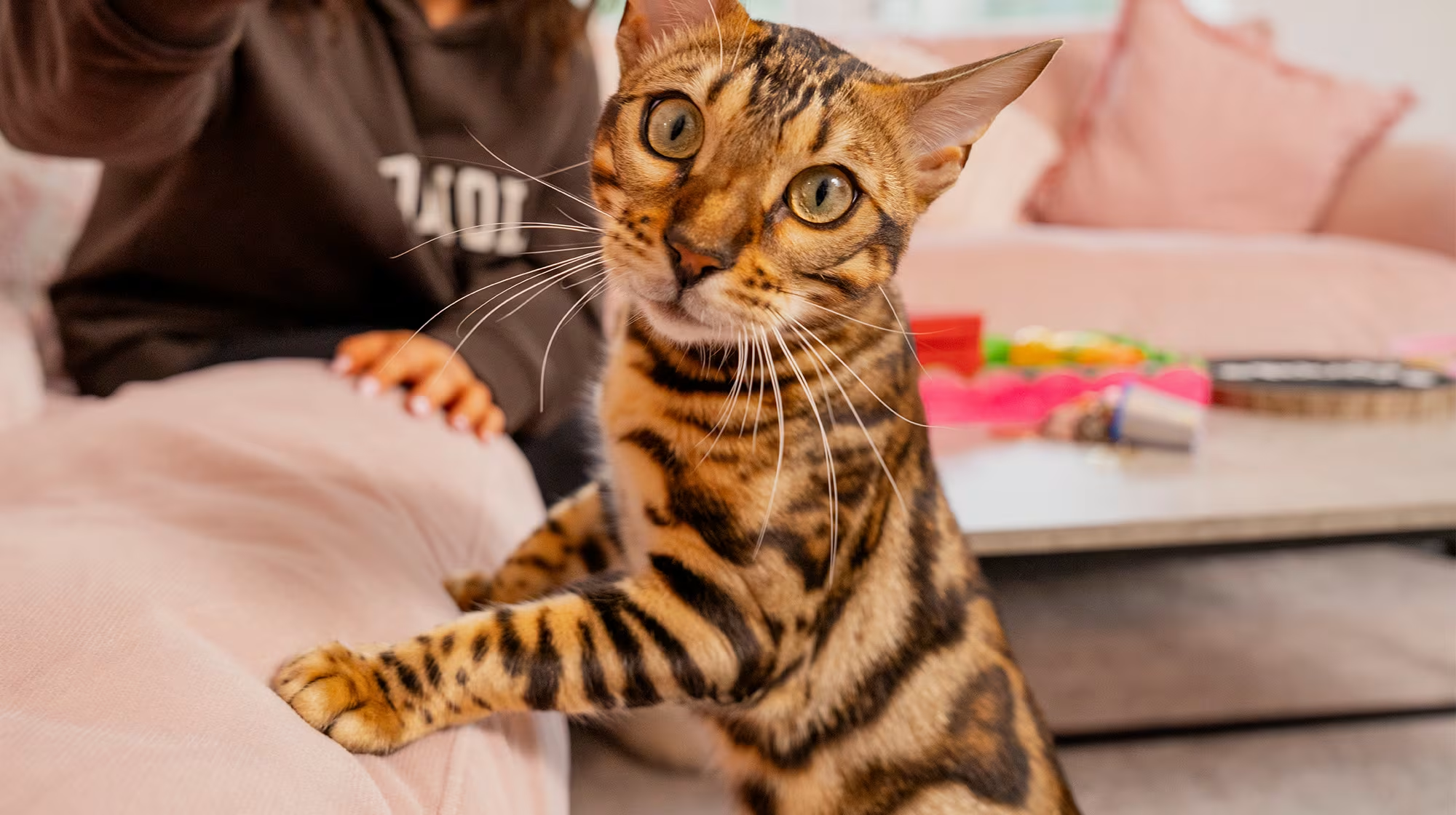
What happens if my kitten eats my older cat’s food?
Whether you accidentally give them the wrong food, or they cheekily sneak some out of another pet’s bowl, you shouldn’t worry too much if your kitten occasionally eats adult cat food. But you shouldn’t feed your kitten adult food regularly.
This is because it isn’t made to meet a kitten’s nutritional and dietary needs. It won’t have enough calories, vitamins and minerals to support their growth, meaning they don’t gain weight as quickly as they should, have weaker immune systems and aren’t as energetic.
It could also start to upset their digestive system, leading to diarrhoea and vomiting.
If you have an adult cat in the house and want to stop your kitten from eating their food, you should:
Create separate feeding areas for each of your cats. This stops them from competing over food, making meal times more relaxed and keeping adult food out of reach of your kitten.
Build a set feeding schedule where your cats’ bowls are taken away after 20 to 30 minutes. This is a good alternative to ‘free feeding’ across the day.
Consider purchasing microchip cat feeders that can help control their intake.
What do kittens eat?
Kittens will be fed their mother’s milk until they’re around eight or nine weeks old.
They start to eat kitten food at four weeks of age and should be fully weaned by nine weeks old.
From this point, they can eat complete wet or dry kitten food.
To work out if a food is suitable for your kitten, it’s best to look at the label. If it says ‘made for kittens’, ‘for kitten growth’ or ‘all life stages’, then you know it’ll have the right nutritional balance for them.
Avoid feeding your kitten dog or adult cat food, as well as any human foods, as they don’t have the nourishment they need.
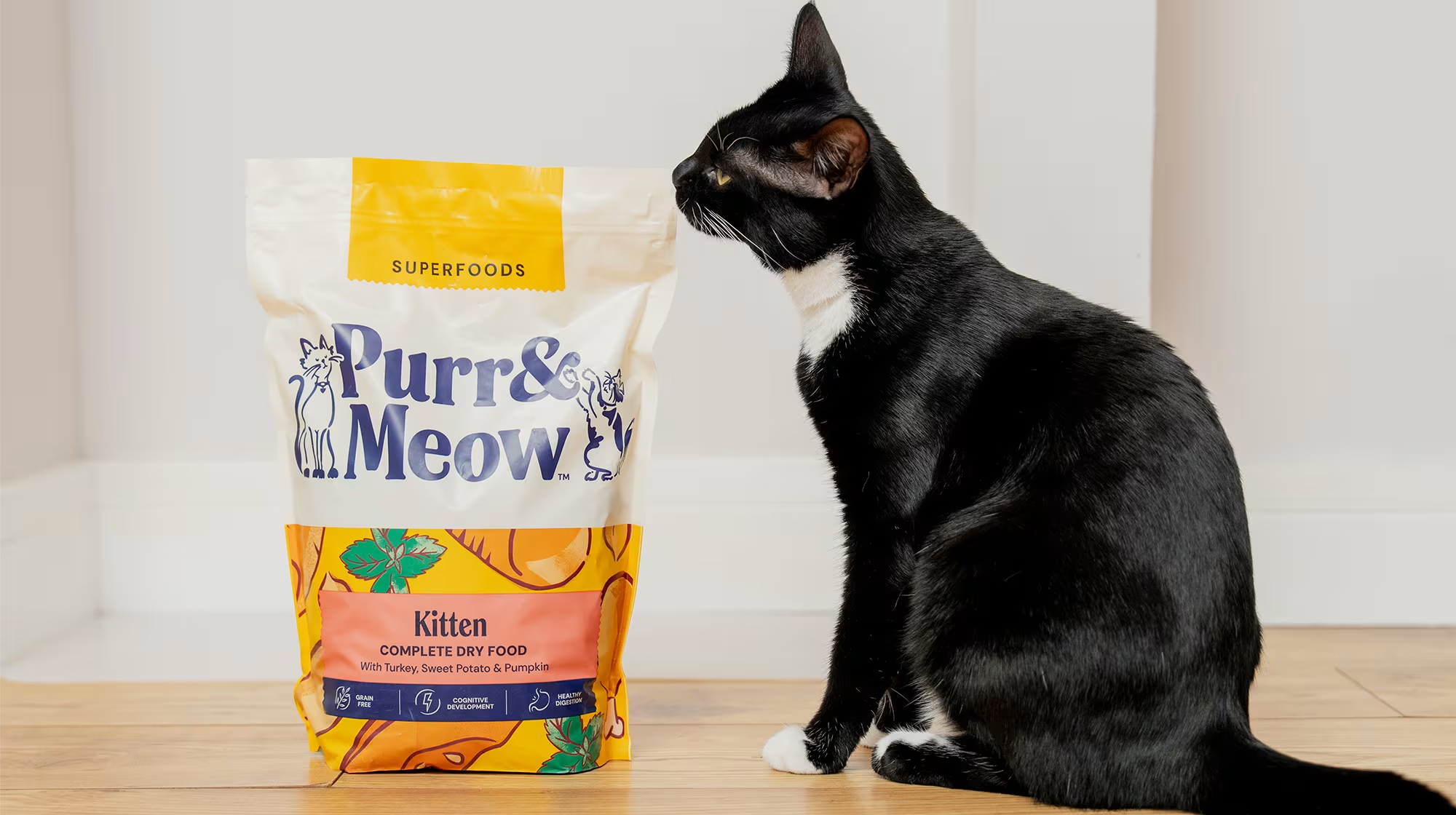
How to switch from kitten to cat food
When your cat reaches the 12-month mark (or has fully matured), you’ll want to start switching them from kitten to adult cat food. Otherwise, they could start gaining weight too rapidly and become obese.
To make this switch as smooth as possible, it’s important to make a gradual transition over a minimum of 8 days. This will give your cat time to get used to the taste and help avoid an upset stomach.
Start by mixing a small amount (about 25%) of adult cat food with their normal food for the first two days. Then gradually add in a greater proportion of adult cat food, decreasing the kitten food. By day 7 or 10, your cat should be eating fully adult food.
We’d recommend getting some tips from your vet before starting this switch to properly support your cat’s nutrition. Some cats might be picky about their new food, so it might take a longer transition period.
We know trying to find the perfect food for your cat can be frustrating, but being patient and putting their health, happiness, and needs first.
When does a kitten become a cat?
A cat is known as a kitten until they reach around 12 months old.
This is because most breeds are fully grown and mature when they get to this age. Some larger cat breeds (like Maine Coons) might not become adults till they’re between 18 months and two years old. This is because they take slightly longer to develop and grow.
Can adult cats eat kitten food?
Yes, adult cats can eat kitten food. It’s not recommended for most healthy adult cats, though, as it contains more calories, protein and fat.
This can cause rapid weight gain if eaten regularly. In some cases, your vet might recommend switching your cat to kitten food, such as if they’re underweight, pregnant, nursing, or have lost their appetite.
Dry & Wet Kitten food
-

 from
fromCurrent price: £11.99
Dry Superfood For Kittens -

 from
fromCurrent price: £1.49
Wet Superfood For Kittens
FAQs
What if I accidentally fed my kitten adult cat food?
If your kitten accidentally eats or is fed adult cat food, you shouldn’t worry too much. But giving your kitten adult cat food regularly isn’t recommended, as it doesn’t have the right nutritional balance for their needs. Instead, give them foods marked ‘for kittens’ or ‘for all life stages’.
My kitten has diarrhoea after eating adult cat food. Help!
If your kitten managed to snaffle some adult cat food, it would not be unexpected for them to develop a mild gastrointestinal upset. This can usually be managed from home by offering a few days of chicken and rice alongside plenty of fluids. For continuous, loose stools, be sure to check in with your vet.


