


Key Takeaways:
- Every dog can have instances of feeling itchy, but if your pooch really can’t stop scratching, nibbling, and biting themselves, it could point to a bigger problem under the surface.
- Fleas, allergies, food intolerances, anxiety, or inflammation stemming from an unbalanced gut could be the cause of your dog’s relentless itching.
- Take your dog to a vet if the itching is severe or you spot bleeding, oozing, hair loss, or hot spots on your pooch, or if it's alongside any digestive upset and lethargy.
Dogs are often scratching themselves - but if your pooch is constantly in a scratching fit, even going as far as biting and nibbling their skin for relief, it’s time to investigate.
There’s a wide range of conditions that cause itching and skin issues, and it’s worth getting to the bottom of, as it can really impact their mood and mental health.
If you’ve been left scratching your head over your itchy dog, let’s get into the ways you can identify the core problem, calm down their irritation, and help them become relaxed in their own skin.
Reasons your dog is constantly itchy
Fleas
The biggest reason for an itchy pooch is usually their age-old nemesis (next to the cat): fleas.
If you suspect fleas are the problem, you will often see their live bodies on your dog’s skin (especially around the neck, belly, behind the ears, and base of the tail).
They might be left behind on bedding or cushions - but are notoriously difficult to catch, as they hop huge distances for their size.
Otherwise, you might spot ‘flea dirt’ (the black specks the adults leave behind) in your dog’s fur, or just see the bumps and itchy bites on your dog’s skin.
Treating fleas on your dog
To treat and prevent fleas, you’ll need to treat your pooch and your home to clear the whole infestation.
For your dog, you can vet-prescribed spot-on treatments, tablets, flea collars, and/or a flea treatment shampoo. These work by killing the adult fleas quickly and preventing new infestations. Remember to treat all pets you have at home to fully break the flea life cycle.
The flea eggs and larvae can live in carpets, bedding, and soft furnishings, so be sure to run a hoover around, wash your dog’s bedding on a hot cycle, and perhaps use a household flea killer spray. Vet Linda's top tip is to empty the vacuum bag outside and away from the house, in order to avoid those eggs flying back in!
Keep a scheduled flea treatment on all your pets to prevent the fleas coming back; monthly spot-on treatments or flea collars are easy and reliable.
Why is my dog always itchy but has no fleas?
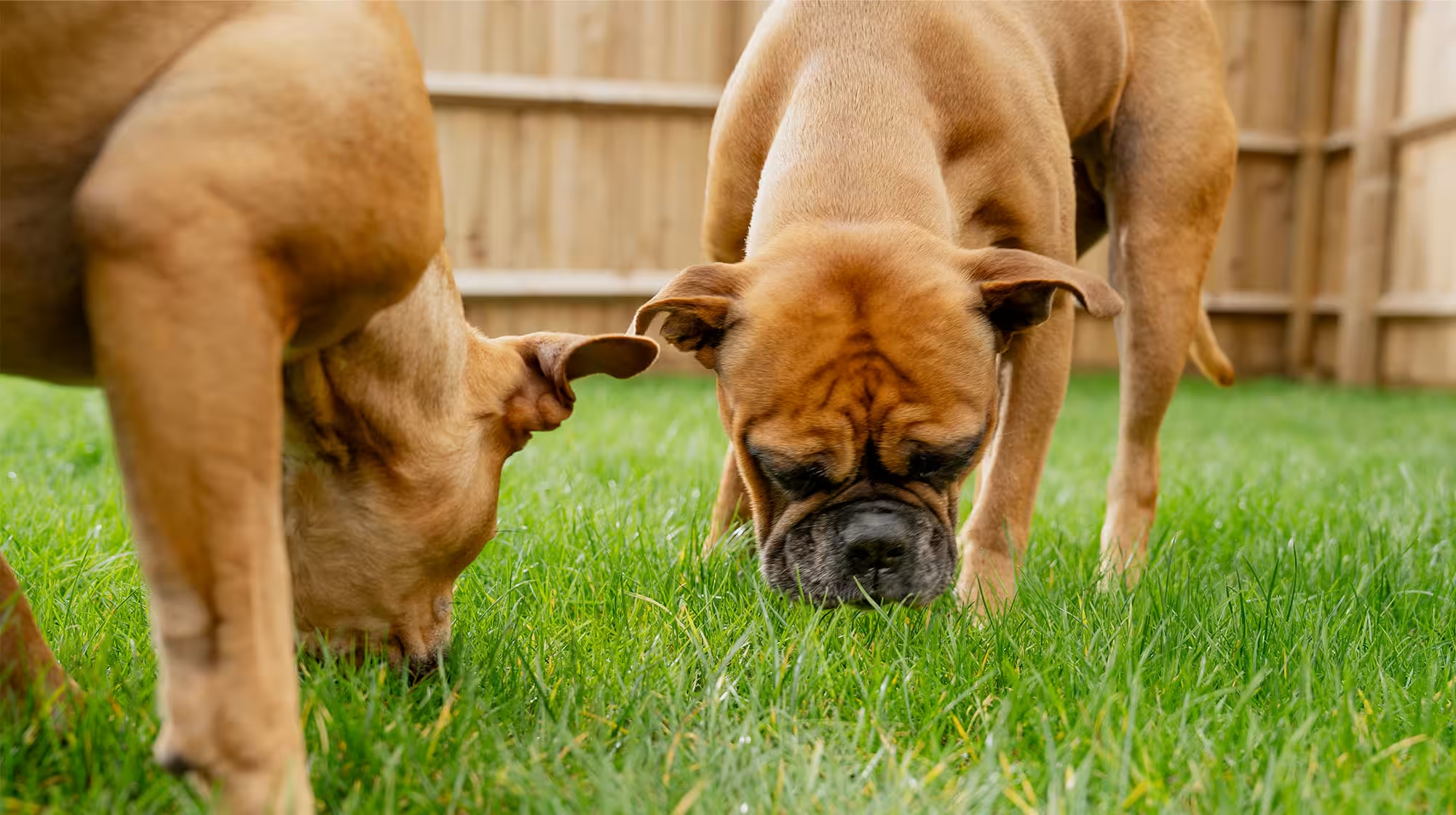
Fleas are the usual suspect when your dog is itching a lot, but they’re not always to blame.
Remember to keep up with your dog’s flea treatment, even if fleas aren’t the problem this time - if you can’t spot any fleas, the treatment is working!
If you’ve thoroughly checked your dog and can’t see any sign of fleas, there are a few other reasons why your pooch might be itchy:
Allergies
Your dog’s itching could be due to an allergic reaction.
Triggers can be anything from pollen or grass to the shampoo you use at bath time, or even to something they’re eating. Some dogs are even allergic to flea bites, making fleas extra nasty for them. A vet can help you identify this.
Atopy (atopic dermatitis)
Some dogs, prone to environmental allergies, are diagnosed with Atopy (atopic dermatitis). This means they chronically suffer from skin flare-ups and itchy periods, such as during spring when pollen count is high.
This might show as constant chewing and licking of their paws, rubbing their face with the paws or on the floor, constant itching of the ears, irritated dry skin, 'hot spots', and a change in their coat.
Insect stings or bites
Even without fleas, dogs can go mad itching an insect bite or nursing a sting, just like we do. Mosquitos, flies, ants, wasps, and bees can all cause a spot of intense itching as well as pain and swelling on your pooch’s skin.
Mites or other parasites
It’s not only fleas that like to munch on dogs, but mites and other parasites, too - such as ticks, harvest mites, or lice.
Carefully check your dog’s skin for signs of mites and other nasties, like small scabs and inflamed skin, patches of hair loss or thinning, crustiness and scaliness.
You might even see the bugs themselves (ticks, for instance, look like a small black insect embedded in the skin head first.
Dry skin
If your dog’s skin is too dry, it can cause itchiness, flakiness and discomfort.
Dry skin can be caused by everyday things like strong air conditioning, unsuitable dog shampoo, food allergies, or giving your pooch too many baths for their coat and skin type.
Be sure to check how often you should wash your dog depending on their breed and coat type.
Infection
Bacterial infections, or yeast infections (caused by an overgrowth of yeast), can cause your poor pooch to be intensely itchy.
Some dogs may get repeated ear infections due to yeast buildup, for example, or they may have ‘hot spots’ caused by bacteria.
Yeast infections often can be detected by a distinct, corn-like smell, inflamed skin, and even skin that feels thickened.
Bacterial infections can cause symptoms such as yellow or white-headed spots on the skin, oozing sores, hair loss, and a foul smell coming from the infected area.
In both instances, obsessively scratching, biting, and licking can make the irritation worse, so definitely take your pooch to the vet if you think they might have an infection.
Anxiety, stress or boredom
Some particularly antsy dogs will itch and bite themselves out of pure boredom!
Scratching, nibbling, and paw licking can also be a way of self-soothing, especially for dogs known to be quite anxious. That said, be sure to investigate if this licking becomes excessive, particularly paw licking, as it may point towards other conditions.
Imbalance of bacteria in the gut
An imbalance of gut bacteria is a common culprit of your dog's excessive itching and skin inflammation.
The ecosystem of bacteria that lives within your dog's gut is referred to as the gut microbiome, and it plays an integral part in their overall health and wellbeing, including their skin & coat health.
The particular presence of Lactobacillus, Bifidobacterium, and Bacillus help support their skin health, and manage inflammation.
When the levels of bacteria is unbalanced, (otherwise known as dysbiosis), this can lead to a weaker gut wall and overall immunity, or ‘leaky gut syndrome’. This allows high levels of more harmful bacteria to 'leak' through the gut wall and travel around the rest of the body, often resulting in increased inflammation of the skin.
Investigating whether their gut is to blame for their constant scratching starts with a Gut Health Test. This helps give an insight into those bacteria levels, and whether they have enough to support things like their skin & coat health, and what their diet and supplement intake should look like to get things back on track, and alleviate symptoms.
When to see a vet
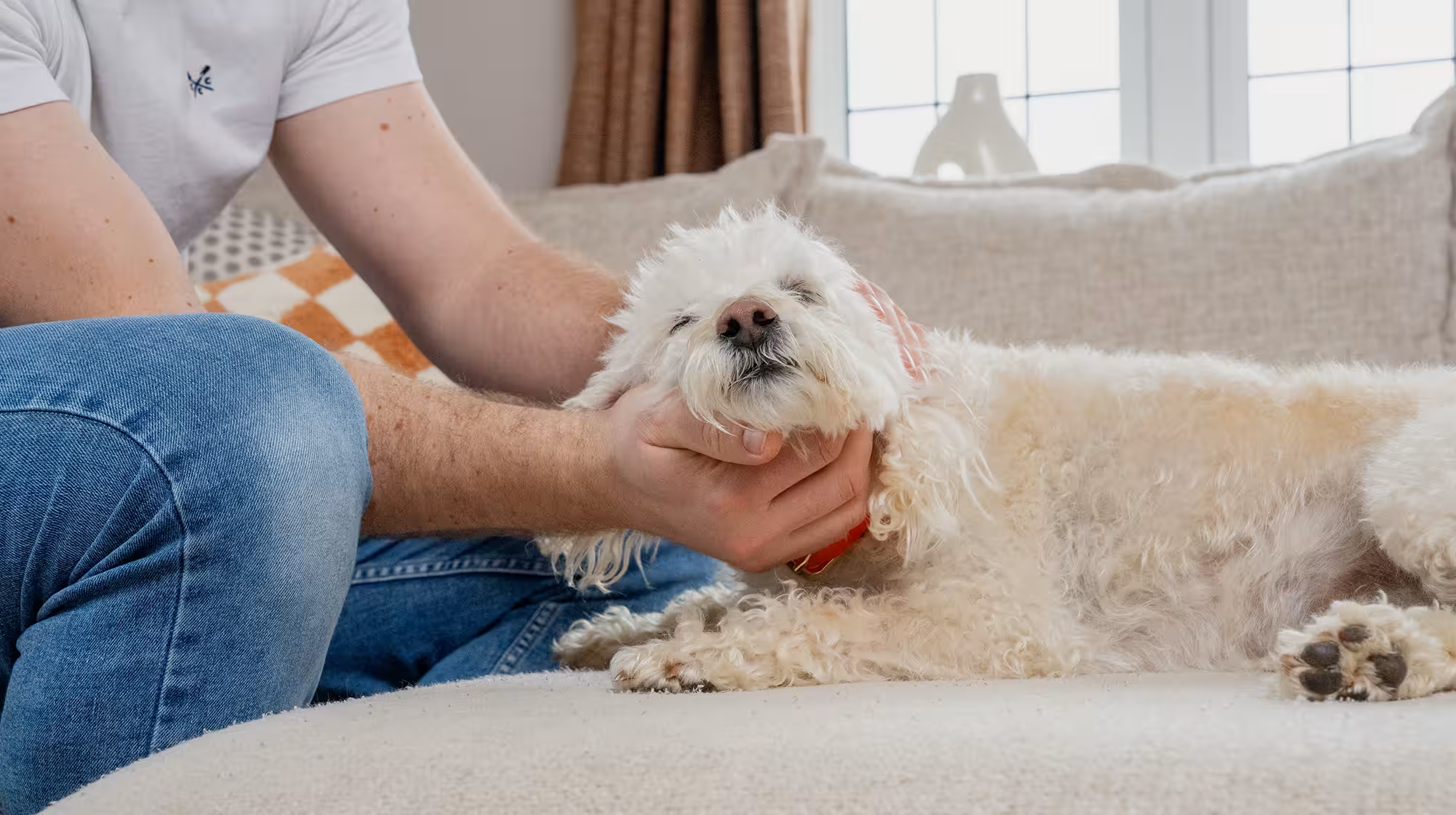
If itchiness seems to be driving your dog mad, a vet visit can help.
Look out for signs including:
Persistent itchiness
Distress, like if they’re vocal while scratching
Patches of hair loss
Swelling and redness
A foul smell coming from your dog’s skin
Bleeding
This kind of itching isn’t normal, and can probably be improved with proper diagnosis, treatment and lifestyle changes.
How will a vet treat my dog’s itching?
Your vet can diagnose any major skin issues, such as a bacterial or yeast infection, or contact dermatitis. They can examine your dog for parasites or insect bites, and consider whether they’re having an allergic reaction.
Depending on the cause, you might be given topical cream, anti-itch medicine, medicated shampoo, or antibiotics.
If your dog is prone to chronic itching, your vet can give advice on how to calm your dog by avoiding allergens and triggers, distracting them with toys or chews, and nourishing their coat and skin.
At-home Treatment & Prevention
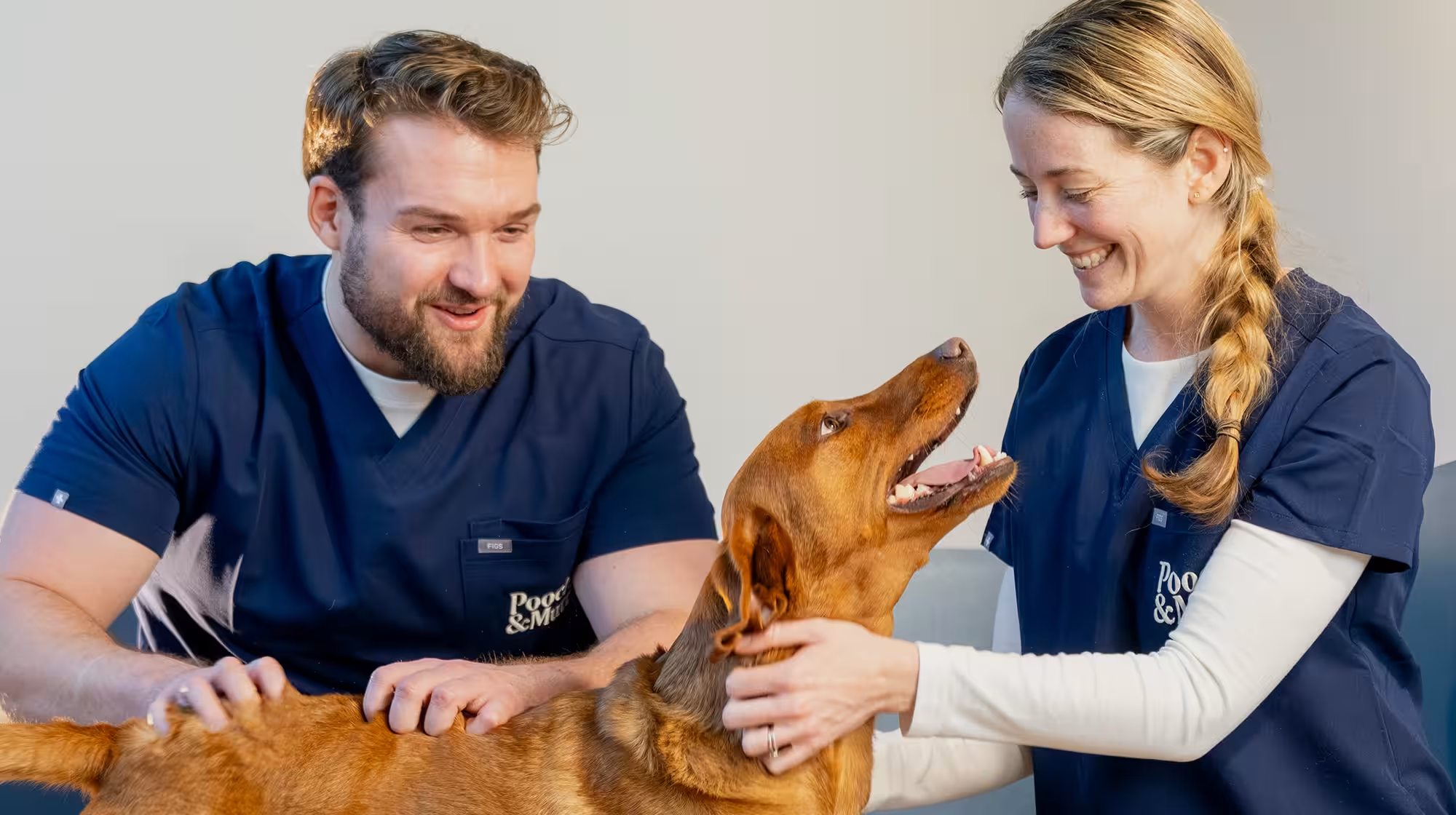
Once any serious health concerns have been ruled out by your vet, the following lifestyle changes can work wonders in lessening your pooch’s itchiness:
Distraction
If your dog has nothing else to do, they’re more likely to indulge in a scratching and nibbling session. Distracting them with puzzles, toys, play time, or a long-lasting dog chew is a great way to give them (and you!) a breather.
If your dog's itching has been put to a food allergy, be sure to be extra cautious with ingredients so that they're not worsening their itchiness.
Try a healthy, skin & coat-boosting diet
A well-balanced, healthy diet formulated for Skin & Coat health will be packed with skin-nourishing ingredients like Omega-3s, and whole proteins.
Supplements like Salmon Oil and Collagen can also boost the health and resilience of their skin barrier.
These foods ease irritation and reduce inflammation in the skin, helping your dog feel soothed and more relaxed.
Consider a hypoallergenic diet
Food allergies are another common cause of intense itchiness in dogs.
Chicken and Beef are two of the most common food allergies in dogs, and they're both very common in dog food.
Be sure to give your vet a visit if you suspect your dog has an allergy. If they have been diagnosed, it's time to revaluate their diet, perhaps focusing on a more hypoallergenic diet with novel proteins and simple recipes that help avoid inflammation and reactions.
Check your dog’s grooming routine and products
Your dog’s itching could stem from something as simple as bathing too much, or not enough, for their coat type. Having too many baths can strip the essential natural oils in their skin; not enough bathing allows time for itchy, irritating dirt to build up.
It’s a good idea to remind yourself of the ideal grooming schedule for your dog based on whether they’re curly, short or long-haired, or double-coated - and check that the shampoos and grooming products you use are suitable for them.
Keep your dog dry where possible
It’s tempting to let your dog dry off naturally after a rainy walk, a swim, or when they’re running around in post-bath euphoria! But a wet coat left too long can breed skin problems and yeast infections.
Give your pooch a proper towel down each time they’re wet to keep unwanted itchiness at bay.
Stay protected from fleas and parasites
Staying on top of fleas, mites and other parasites is a must for keeping your dog clear and comfortable in their own skin. Keep flea prevention treatment up to date in all your animals to keep them and your family safe from pesky parasites.
Try a Gut Health Test
A Gut Health Test can't diagnose allergies, but what it can do is give you crucial insight into your dog's gut, and the bacteria living within it.
It can assess what bacteria that live within their microbiome, and whether they're at healthy levels to efficiently support other areas of their body, like their skin & coat.
Being able to pinpoint potential imbalances, it can recommend you the exact supplements your dog needs to restore balance, alleviate symptoms, and get their health back on track.
What is the best dog food for itchy skin?
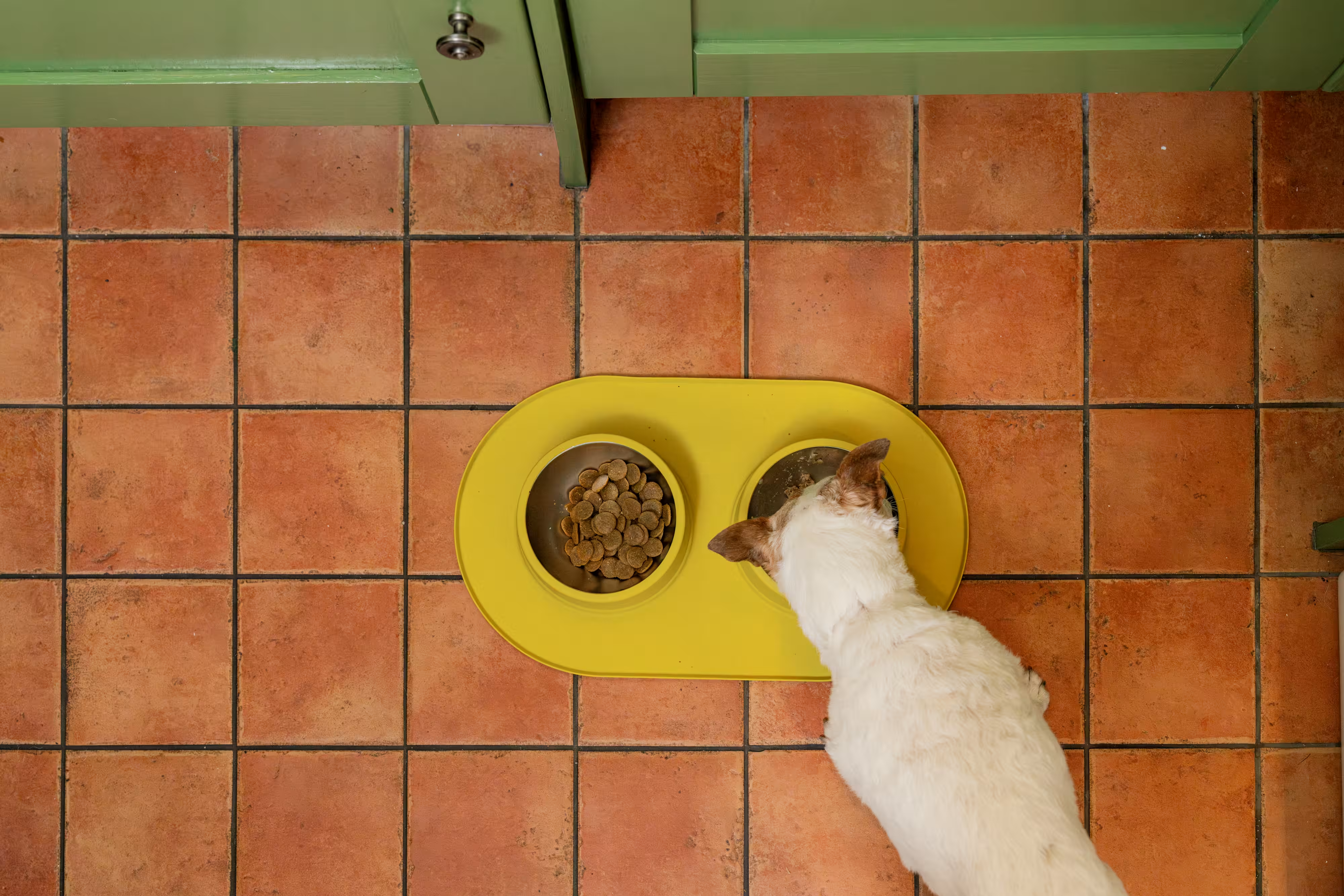
Put a stop to your dog’s itchiness with a healthy, well-balanced diet, packed with skin-nourishing nutrients that won’t trigger dryness or irritation.
Dog food with a novel protein, such as our Fresh Salmon & Insect recipe, contains proteins most dogs aren’t used to, therefore less likely to trigger a skin reaction. It’s great for dogs with stomach sensitivities or food allergies, and also contains extra skin and coat-supporting ingredients like Coconut Oil & Kelp.
Dog food with a simple recipe, such as our Single Protein Chicken Dry Food. Made with 50% Fresh Chicken, it’s made with simple, wholesome ingredients that won’t trigger a gentle or sensitive gut. Also containing Salmon Oil for a boost of skin-soothing Omega-3 and -6 fatty acids.
Dog food for Skin & Coat health is packed with ingredients which reduce inflammation and nourish your dog’s skin, such as Fresh Herring, Linseed, Collagen, and Glucosamine & Chondroitin.
Skin & Coat
Support healthy skin and a shiny coat with our Skin & Coat range. Carefully selected ingredients help ease itching, boost skin health, and provide a glossy coat — for the ultimate glow-up.
-

 from
fromCurrent price: £15.99
Skin & Coat Dry Food For Dogs -

 from
fromCurrent price: £3.99
Skin & Coat Postbiotic Meaty Treats -

 from
fromCurrent price: £47.99
The Skin & Coat Bundle -

 from
fromCurrent price: £11.49
Salmon Oil For Dogs -

 from
fromCurrent price: £10.99
Bionic Biotic Probiotic Powder For Dogs -

 from
fromCurrent price: £18.99
Gut-Skin Support Supplement
FAQs
How do I get my dog to stop itching and biting?
If your dog seems to be constantly scratching, nibbling, and biting their skin, the first step is finding the root cause.
Be sure to inspect your dog's skin for any fleas, mites, or ticks, and check for signs of redness, flakiness, hair loss, or in worse cases, oozing and bleeding.
If you can't find any source to their constant itching, but sure to check in with your vet for further investigation. In the meantime, you could try distracting your pooch with play, licky mats, and long-lasting chews to keep their mind occupied on something else.
How can I tell if my dog has mites?
Mites could be the culprit to your dog's excessive scratching, and there are various types of mites to look out for.
If your dog is suffering from ear mites, you'll find that a lot of their scratching is localised to their inner ear. You may also notice them shaking their head more, constantly tilting their head to one side, or coffee-ground like discharge.
Harvest mites can be caught whilst out and about on walks. Harvest mites are extremely small, often red or orange in colour, and can be found crawling in-between your dog's paws, on their legs, or on their belly.
If you spot any of the above signs, be sure to check in with your vet.
Why is my dog itchy and his hair falling out?
Constant itching and alopecia in dogs (fur loss) can be a symptom of a long list of things including:
Parasites like fleas and worms
Poor diet
Allergies, both environmental and from their food
Stress and anxiety
Bacterial or Yeast infections
And of course, poor gut health, which also could be exacerbating many of the listed symptoms, creating some what of a vicious circle for your poor, itchy pooch.
If you've ruled out poor gut health and you're dog is constantly itching, is losing their hair, and/or is suffering from digestive upset, be sure to double check with your vet.
Do parasites impact your dog's skin & coat health?
Yes, both external and internal parasites can lead to red, itchy and inflamed skin, and even hair loss.
External parasites like fleas, ticks, and mites cause extreme itching which then leads to sore, dry skin and even hair loss due to excessive itching.
Internal parasites like worms can lead to digestive issues and nutrient deficiencies which means their skin & coat aren't getting what they need to be at their best.
Should I bathe my dog if they're itching and licking themselves?
If your dog is constantly licking and itching, bathing them more won't be the answer.
It may be that bathing them too often is leading to skin irritation, as excessive bathing can strip their coat of natural oils and impact their skin health.
Constant itching and licking of the body or the paws requires some extra attention and investigation. It might be allergies, gut health issues, external parasites like fleas, ticks, or mites, or they have may have an injury.
Be sure to give your dog the once over for injuries, bleeding, or any parasites. If they're clear, be sure to assess their diet, and don't hesitate to check with a vet if you're concerned.
Does Collagen help itchy skin in dogs?
Yes! Collagen can help relieve itchy skin for dogs. Collagen boosts the health of the skin barrier; helping the skin hold moisture, strengthening its resilience and also adding and extra sparkle to their coat. All of which can help reduce itching and irritation.


