


Key Takeaways:
- Yeast infections happen when there’s a build-up of fungal yeast in your dog’s body.
- Food with a low glycemic index, high-quality proteins, healthy fats and probiotics can support dogs with yeast infections.
- Dog food with artificial preservatives, high fat and sugar can worsen the symptoms of a yeast infection
What are yeast infections in dogs?
Yeast infection is a broad term for when there’s a build-up of fungal yeast on part of your dog’s body. Sometimes called yeast dermatitis, your pooch is most likely to get it in warm, moist areas (known as hot spots) such as their paws, ears, genitals and skin folds.
There are lots of reasons why your pet could come down with a yeast infection:
A weak immune system because of an ongoing illness or older age.
Certain breeds are more likely to get these infections. For example, some bulldogs have more skin folds, which put them at higher risk.
An imbalance of bacteria.
Allergies to pollen, dust or certain foods.
Too many yeast-promoting foods in their diet.
Signs of a yeast infection in dogs
Signs of a yeast infection in dogs include:
Irritated, itchy or red skin in the affected areas.
Foul odours.
Black spots on the skin.
General fidgety behaviour, such as excessing licking and scratching.
Crusty, thickened or darkened areas of skin.
Greasy or oily coat and skin.
Thinning coat where they’ve over-scratched themselves.
Low mood.
How to treat a yeast infection in dogs
The main way a dog’s yeast infection will be treated is by applying antifungal creams and washing in medicated shampoos. Get advice from your vet on which options would be best. If your pet is particularly poorly, your vet might also give them tablets to take too. They’ll also help you work out and treat the causes of your dog’s infection to stop it coming back.
Making sure your dog has a healthy, balanced diet is also important. It’s one of the best home remedies to help your dog recover from a yeast infection.
There’s some evidence that certain foods can either soothe the skin or make it itchier.
For example, high amounts of grain, dairy and sugars can trigger infections or increase a dog’s discomfort.
A pooch’s diet also has a big impact on the health of their skin and coat, as well as their immune system. With 70% of a dog’s immune cells living in their gut, an imbalance in bacteria (microbiome) can lead to inflammation. This can increase the risk of yeast infections and make dogs itchier.
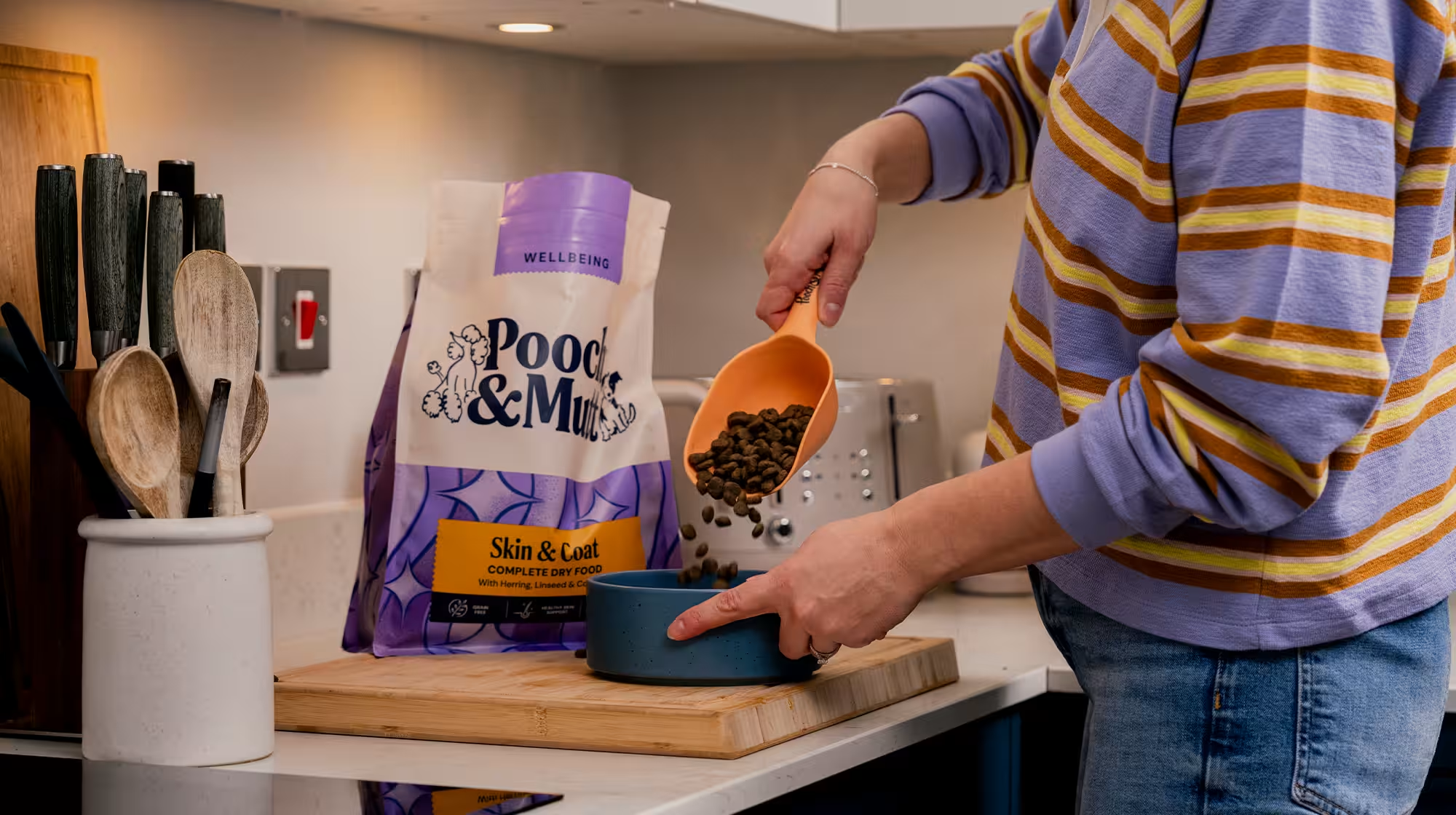
What should you feed a dog with a yeast infection?
Looking for dog food that includes certain ingredients can help your dog heal from a yeast infection more quickly. You might be tempted to give your dog a homemade diet of raw foods, but getting rid of bacteria and correctly balancing their nutrients can be tricky.
Instead, opting for quality, balanced pet food can help you manage your dog’s yeast infection without loads of effort.
Low glycemic index (GI) foods
Yeast feeds on sugar. So eating too much sugar or simple carbohydrates (high GI) can boost yeast growth and make your dog’s symptoms worse. White rice, bread, cereals and sweet foods are examples of high GI foods.
Low GI foods slowly release energy and don’t cause spikes in blood sugar. They include wholegrains and wholewheat products, non-starchy veggies (like spinach, broccoli and tomatoes) and legumes (like chickpeas, lentils and beans).
High-quality proteins
Packing lots of protein into your dog’s diet will keep their body and immune system strong. Lean options also help a pooch’s skin and coat glow and keep them full without feeding the yeast’s growth.
High protein foods are a must, but adding in alternatives like salmon, venison and trout is great for pooches who are allergy prone or have different tastes. It’ll also add healthy fats like omega-3 into their diet, which boosts immunity and eases inflammation.
Pre, pro, and postbiotics
Keeping a dog’s gut microbiome healthy and balanced helps their skin and coat recover more quickly from yeast infections. Giving your dog a daily pre-, pro- and postbiotic is a great, easy way to do this and support their wellbeing. Other supplements like salmon oil also help to bring back a pooch’s glow.
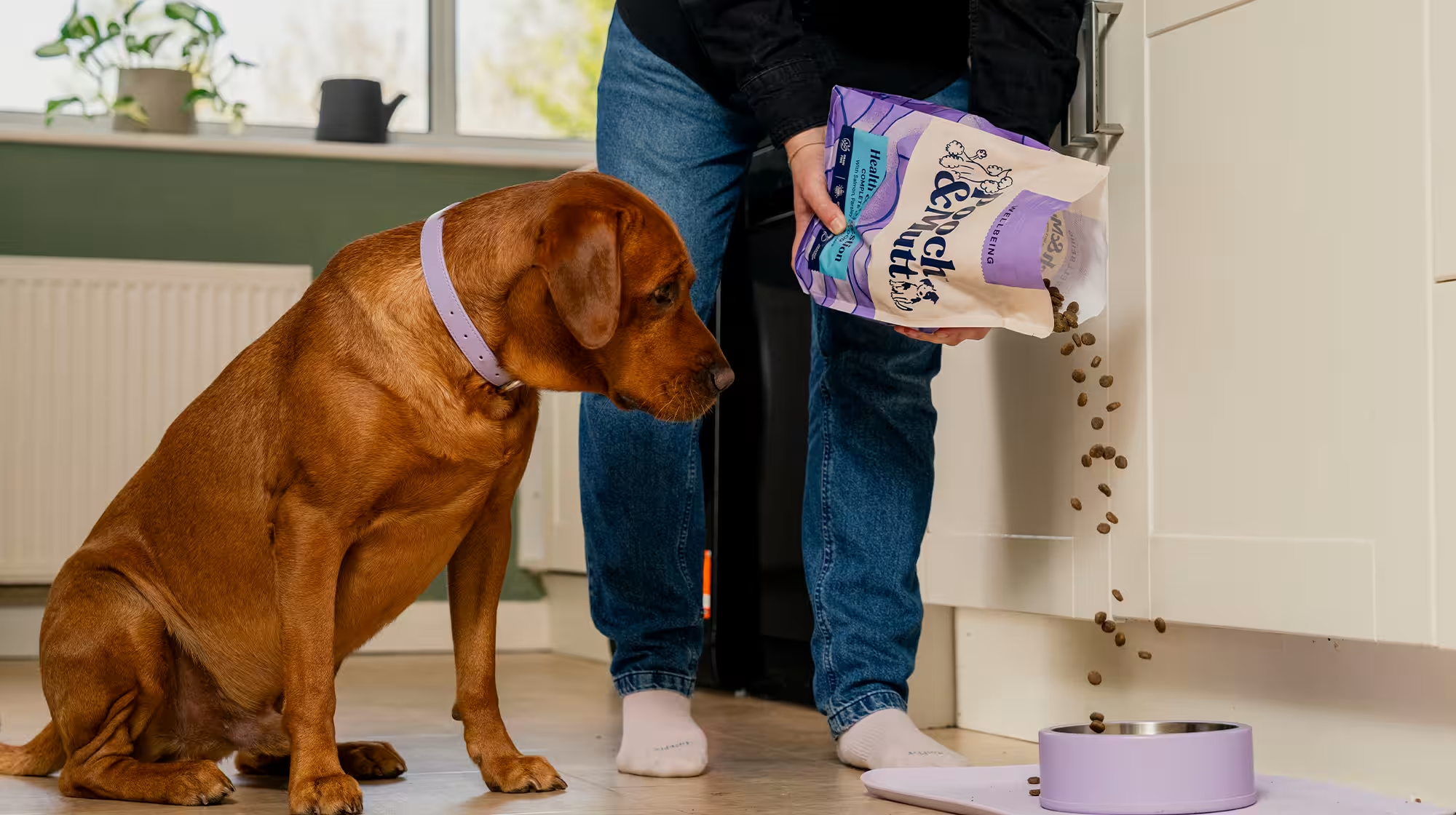
Dog food for a yeast infection
When your dog is itchy and irritable, the last thing they need is tummy problems. Hypoallergenic, grain-free foods made from nutritious ingredients help keep their digestion healthy, support their immune system and fight a yeast infection.
Skin & Coat is packed full of herring, collagen and probiotics to support healthy, comfortable skin.
Health & Digestion is full of lean, easy-to-digest ingredients that stop the build-up of troublesome yeast.
Sensitivity Dog Food for Allergies is made up of tasty, non-triggering foods for pooches with intolerances.
The worst dog food for yeast infections
Some foods can make the symptoms of yeast infections worse and should be avoided if your dog suffers from this problem.
High-fat and high-sugar foods
Fat and sugar fuel yeast overgrowth. They can also unbalance gut microbiomes and lower a dog’s immune system, making it harder for your dog’s body to protect itself. Cut out human leftovers and fatty or sugary treats, including cheese and certain meats. I know the puppy eyes are hard to resist, but remember it’s for their own good!
Allergens
Dogs can be sensitive to more foods than you might think. This includes grains, dairy products and even chicken! If your dog has a yeast infection, an allergic reaction can make their symptoms worse. Going for a grain-free, hypoallergenic dog food can help stop the scratching sooner.
Artificial ingredients
Preservatives, dyes and flavours are all artificial nasties that can unbalance a pet’s microbiome and make their yeast infection symptoms worse. These chemicals also aren’t great for their long-term health, so opting for all-natural foods is always best.
Prevention and aftercare
Supporting your dog’s health with a balanced diet, as well as getting the right treatment from a vet, will help your dog recover from a yeast infection and stop it coming back. Other ways you can help your pooch stay comfortable in their skin include:
A regular grooming routine that includes washing, hair trimming and brushing will stop yeast from building up and causing problems, this is particularly important if you have a dog with lots of skin folds or big ear flaps.
Drying a dog completely after they’ve been washed or in the water will stop moisture from getting trapped and starting yeast growth.
Getting any allergies or underlying conditions checked out by a vet, as this will keep your pooch’s risk low and their comfort high.
Skin & Coat
Support healthy skin and a shiny coat with our Skin & Coat range. Carefully selected ingredients help ease itching, boost skin health, and provide a glossy coat — for the ultimate glow-up.
-

 from
fromCurrent price: £15.99
Skin & Coat Dry Dog Food -

 from
fromCurrent price: £9.49
Original price:
£11.49Salmon Oil For Dogs -

 from
fromCurrent price: £3.99
Skin & Coat Postbiotic Meaty Treats -

 from
fromCurrent price: £18.99
Gut-Skin Support Supplement -

 from
fromCurrent price: £8.99
Original price:
£10.99Bionic Biotic Probiotic Powder For Dogs -

 from
fromCurrent price: £47.99
The Skin & Coat Bundle
FAQs
What happens if dog yeast infections go untreated?
Ignoring symptoms of a yeast infection won’t help your pooch as it won’t pass on its own - in fact, the problem could get significantly worse. If your dog’s infection is quite localised, the yeast may spread to other areas of the body and skin, leaving them in a lot of continual discomfort.
Overall, a long-term yeast infection can lower a dog’s immune system and leave them susceptible to catching other nasty illnesses. If you notice symptoms of a yeast infection, treating it and identifying the cause should be a priority.
What’s the difference between a yeast and fungal infection in dogs?
There are similarities, but a yeast infection is caused by an overgrowth of, most commonly, the Candida albicans fungus or the Malassezia Pachydermatis fungus. A fungal infection is a more general term and can be caused by all kinds of fungus.
When vets refer to a yeast infection, that usually means a yeast that is affecting the dog’s skin, paws and ears (and potentially groin, underarms and bum area). Contrastingly, a fungal infection can infect the internal organs and other parts of the inner body. Be sure a vet is the one identifying your dog’s particular issue - don’t try and guess on it yourself without professional opinion.
Can dogs get thrush?
Itchy, irritating thrush is a condition caused by yeast overgrowth that is very common for humans - and dogs get it mostly in the mouth and throat area. Your pooch might develop white spots on their tongue, throat and inner cheeks, and may drool or paw at their mouth in discomfort. Take them to a vet, and they’ll clear up the problem with an antifungal treatment, and hopefully give a diagnosis on what may have caused the thrush.
What are the benefits of feeding my dog anti-yeast dog food?
A dog’s body requires a delicate balance of bacteria in order to function harmoniously, just like ours - and when this balance is disrupted, it can lead to a build-up or overgrowth of yeast. Yeast overgrowth is responsible for the itchiness, irritation, and redness that many dogs experience in their ears, skin, and paws. Anti-yeast dog foods can help remedy that by supporting balance in a dog’s body, and boosting nutrition while avoiding yeast-promoting ingredients.
What is a limited ingredient diet, and how can it help with yeast infections?
If your dog’s yeast infection is caused by food, it’s a good idea to put them on a limited ingredient diet (sometimes called an exclusion diet). Not only will the stripping down of their diet to bland, gently digestible ingredients ease pressure on the body, it’s a nifty way of ‘detoxifying’ their digestive system so that slowly, you can reintroduce potential triggers and identify what causes their yeast infection. Take a look at our article on identifying a dog’s food allergy for more information.
This post was originally published in March 2024, but has been updated for comprehensiveness.


Hi, my dog has been on steroids for yeast infection in his ears and one paw clears then comes back what food would you recommend trying please
Hi there My 5 year old pug has possible yeast infection has a missing patch of skin on her leg which is a bit red does not seem to bother her but I just don’t want it to spread as it does not look nice🥹 I’ve read that going wheat free can help. She licks her paws as well but isn’t really a stratcher. What do you suggest? Thank you
Hi Gillian, Our Skin & Coat Dry Food may be a great option for your Beagle! It is Hypoallergenic, grain-free and perfect for dogs that have sensitive skin prone to dry or itchy skin. The main protein source is 47% herring, this is highly digestible and rich in essential-fatty acids supporting the skin barrier function and aid prevention of itching & scratching. If you would like any further recommendations or specific advise please do reach out to the team at pooch@poochandmutt.com where they will be more than happy to help :)
Hi Gale, Our Skin & Coat Dry Food may be a good option for your pooch as it is designed to support healthy skin and coat and contains ingredients to help reduce itching. This would of course depend on any specific allergies/intolerances however and if you would like any further advice, please do reach out to the team at pooch@poochandmutt.com
Hello, I have been having a few issues with my stuff at bullterrier recently she’s a three-year-old bitch and we’ve recently been to the vets about her skin and ears. A was taken from her ears and yeast was shown and she’s showing all the signs of having a yeast infection. I’m struggling to pinpoint a certain food that contains no yeast carbs or sugar. Is this something you can help with, please.
DO YOU SHIP TO THE USA? MY FRENCH BULLDOG HAS YEAST INFECTIONS IN BOTH EARS. SHES ON MEDS FROM THE VET RIGHT NOW BUT I WOULD LIKE TO TRY CHANGING HER FOOD SO HOPEFULLY HER EARS STAY CLEAR. WHAT WOULD YOU RECCOMEND?
Hi Ruby, Oh we are sorry to hear this! We do indeed have a range of foods which may be suitable and are ideal for those with skin concerns. For example, our Skin & Coat Dry Food. Please do feel free to reach out to the team at pooch@poochandmutt.com if you would like any further recommendations and specific advice :)
Hi Marie, Unfortunately we don't ship to the USA at the moment. I will however be sure to pass this valuable feedback on and hopefully we will have additional shipping options available in the near future. We do really apologise for any inconvenience caused!
Thank you I've got XL merle bulldog that has licking paws shaking of the head irrational skin lm to disappoint Ed that trying all these different remedies and over the counter not working help lol
Hi Tim, Oh I am sorry to hear this and do hope he is doing ok! There can be many causes for these symptoms and we would always advise consulting with your vet to help identify the root cause. Sometimes, these symptoms can be due to allergies and very often exclusion diets can be beneficial where everything is completely stripped back to help notice any ingredients that may exacerbate symptoms. Please do check out out blog posts 'Food Allergies In Dogs' and 'Skin Allergies In Dogs' where there is some further information you may also find helpful. Please do also feel free to reach out to the team at pooch@poochandmutt.com where we will be more than happy to provide some further specific advice and recommendations :)