


Key Takeaways:
- Acid reflux in dogs happens when stomach acid flows back into the oesophagus, causing discomfort and irritation.
- Common signs include regurgitation, lip licking, drooling, and reduced appetite, but symptoms can be easy to miss or be mistaken for other conditions.
- Most cases can be managed with diet changes and routine adjustments, but input from a vet is important if symptoms are persistent or severe.
We’ve all been there with acid reflux, or at least know someone who has…and unfortunately, it doesn’t just affect humans. If you’ve ever wondered whether your dog could be struggling with that dreaded post-meal heartburn, the answer is yes, they absolutely could be.
The tricky part is that dogs can’t tell us how they’re feeling, let alone grab an antacid from the cupboard. That means it’s down to us to spot the signs and get them feeling more comfortable.
This article covers everything you need to know about acid reflux in dogs, including what it is, the symptoms to look out for, common causes, treatment options, and how to help prevent it.
What is acid reflux in dogs?
Acid reflux in dogs is pretty much the same as it is in humans - it’s when stomach acid comes back up into the tube that connects the throat to the stomach (the oesophagus), causing that uncomfortable burning feeling we call heartburn.
Normally, a small valve keeps everything in the digestive system where it belongs, but if it doesn’t close properly, acid can leak back up into the oesophagus.
The problem is that the stomach is designed to handle acid, but the oesophagus isn’t. So when acid keeps coming into contact with it, it can cause irritation, inflammation, and discomfort.
For some dogs, this only happens occasionally - for example, after eating too quickly or having a rich meal. But in other cases, it can be a long-term health issue - and in these cases, the acid may start to damage the lining of the oesophagus.
That’s why it’s important to work out what’s causing it and manage it early.

Symptoms of acid reflux in dogs
You may notice your pooch bringing food or liquid back up after meals, but acid reflux is often tricky to spot.
Instead, you might notice signs of heartburn, such as:
Excessive drooling
Bad breath
Repeated lip licking or gulping
Fussiness with food or reduced appetite
Restlessness or discomfort after eating
In some severe cases, dogs may gradually lose weight or become reluctant to eat altogether because they’ve begun to associate eating with the irritation and pain from their heartburn.
Of course, these symptoms can overlap with other health conditions, so if your dog doesn’t seem quite themselves, it’s always best to check in with your vet.
How can I tell if my dog has acid reflux or is vomiting?
It’s not surprising that many dog owners have this concern. Acid reflux and vomiting are quite similar because in both cases, your dog is bringing their food back up. But actually, they’re much easier to tell apart than you may think.
The key difference is that dogs with reflux tend to regurgitate undigested food rather than vomit.
And telling apart undigested from digested food is exactly what you imagine: digested food is usually more liquid in form, whereas undigested food still closely resembles what your dog has recently eaten.
Another clue is how it happens.
Regurgitation is usually quite passive, meaning food seems to come back up without much effort or warning.
Vomiting, on the other hand, is more forceful and often comes with signs like retching, heaving, drooling, or pacing beforehand.
Additionally, the timing can help tell them apart, too.
Reflux and regurgitation often happen shortly after eating, whereas vomiting tends to occur later, once the food has already started being broken down in the stomach.
Acid Reflux | Vomiting |
Undigested food | Mushed up, digested food |
Passive | Forceful, with lots of retching and a more visceral reaction |
Usually happens shortly after eating | Can occur anytime |
If you’re ever unsure what your dog is experiencing, taking a short video can be really helpful for your vet, so they can see exactly what’s going on.
Causes
Everyday factors
In many dogs, acid reflux is triggered by everyday factors such as:
Eating too quickly
Having large or rich meals
Carrying excess weight. This is because acid’s more likely to be pushed back up into the oesophagus if the stomach becomes overly full or under pressure.
Feeding late at night or exercising too soon after eating can also make reflux more likely in some dogs.
And the simplest, but arguably most common… poor burp timing! The stomach opening relaxes slightly during a burp, and so burping on a full stomach can cause your dog’s dinner to come back up.
Health conditions
Reflux isn’t always just about routine or diet. Some dogs develop it due to underlying health issues such as:
Gastrointestinal disease
Food intolerances
Conditions that affect how the stomach empties
But how exactly do these conditions cause acid reflux?
When food and stomach contents move through the digestive system more slowly than they should, it can increase pressure in the stomach and make it more likely that acid flows back up into the oesophagus.
One example is a condition called Gastroparesis, where the stomach takes longer than usual to pass food into the small intestine. This can lead to bloating, discomfort, and an increased risk of reflux because the stomach stays fuller for longer.
In some cases, even without a specific diagnosed condition, if your pooch has a naturally sensitive stomach, they may be prone to slower digestion and, as a result, occasional reflux, especially after richer meals or larger portions.
Structural causes
Sometimes acid reflux in dogs is due to structural causes.
For example, a condition called a Hiatal Hernia can affect how the stomach and oesophagus sit in the body, making it easier for acid to travel upwards.
Additionally, some breeds are more prone to acid reflux due to their anatomy.
For example, those with flatter faces (smaller brachycephalic breeds), such as Bulldogs and Pugs, can be more at risk of digestive issues because of the way their airways and internal anatomy are shaped.
If your dog’s a brachycephalic breed - don’t panic. Not every flat-faced pooch will suffer from acid reflux. But it’s useful to know that they’re more susceptible, so you’re on the ball straight away if you notice any symptoms.
A long-term cycle
Some dogs struggling with long-term acid reflux can get stuck in a cycle of reflux-related damage.
This can happen when the acid from the reflux wears down the opening to the oesophagus, making it weaker and easier for food to come back up.
This is where the condition can become chronic, and stuck in a cycle of reflux, damage, more reflux, and more damage.
If your dog has recently had anaesthesia
Additionally, if your dog has recently had anaesthesia, they’re more prone to acid reflux.
This is because their muscles relax when they’re under anaesthetic - including the valve that normally helps keep stomach contents where they belong. This means acid or food can come back up the oesophagus more easily.
Because of this, some dogs may show signs of reflux or bring food back up shortly after a procedure, especially as they’re waking up or in the first couple of hours afterwards. It’s usually only temporary and settles once the anaesthetic has fully worn off.
Poor gut health
Acid reflux can also be a symptom of poor gut health.
This happens when there’s an imbalance in your dog’s gut microbiome (the community of bacteria that live in your dog’s gut).
And it’s much more common than you might think. Factors like their age, diet, environment, and more can all disrupt your dog’s microbiome - learn more about gut health in our article ‘Your dog's gut microbiome: Why balance matters’.
When this balance is disrupted (what we call ‘dysbiosis’), it can contribute to inflammation, changes in digestion, and countless other uncomfortable symptoms… including acid reflux. This is because the microbial imbalance impacts how the stomach moves and functions, making it more difficult to keep acid down.
When it comes to the link betwen acid reflux and your dog's gut health, Pooch & Mutt's Head of Microbiology, Dr Bushra, explains:
"Acid reflux is a common sign of an imbalance in the gut microbiome. We don’t test specifically for acid reflux, but the results from the Gut Health Test can give clues about it."
"Acid reflux is linked to how well a dog’s body digests food and produces bile acids, which are controlled by the metabolism part of the report, especially the Metabolic Energy, Gut Fuel, and Breath Odour scores."
"Two key bacteria, Peptacetobacter hiranonis and Blautia hansenii, help manage bile acid levels in the gut."
"Together, they should make up around 30% of a healthy microbiome. If they’re too low or unbalanced, bile acids can build up, which may lead to acid reflux or similar digestive issues."
"So, while the test doesn’t diagnose acid reflux directly, it helps us understand the gut balance and metabolism behind it, giving clues about why it’s happening and how to support it through diet and supplements."
How long does acid reflux last in dogs?
Mild cases of acid reflux usually settle within a few days on their own, especially if they were caused by something temporary like overeating, eating too quickly, or eating something they shouldn’t have.
However, dogs with recurring symptoms often need longer-term lifestyle or dietary changes. And, in some cases, medication is needed to help control their symptoms and reduce irritation in the oesophagus.
If your dog has been struggling with acid reflux for more than a week, or it happens regularly, it’s important to check in with a vet.
Untreated, it can lead to long-term damage to their oesophagus and stomach lining.
When to see a vet
If your dog has suffered from acid reflux as a one-off, this isn’t usually anything to worry about - but repeated episodes shouldn’t be ignored.
If acid reflux continues over time, it can start to irritate and damage the lining of the oesophagus, leading to inflammation, pain, and difficulty swallowing.
Getting treatment early is usually much easier to treat and far more comfortable for your dog than waiting for symptoms to progress.

Diagnosis
Diagnosing acid reflux usually starts with a detailed discussion with your vet about your dog’s symptoms, eating habits, and overall health history, followed by a physical examination.
Identifying triggers
The first stage of diagnosis is normally understanding patterns. For example, whether your dog’s symptoms tend to happen after meals, overnight, or after certain foods. This can help give your vet clues.
To speed things up, it can be really helpful to arrive at the appointment with a record of these patterns. You can prep this by writing down every time your dog’s acid reflux has happened and any potential triggers.
This is usually the vet’s first step, so having this prepared at your first appointment can help them diagnose your dog more quickly and get them feeling better faster.
Possible tests
From there, your vet may recommend dietary or lifestyle changes for your dog, or they may decide to do further tests to rule out any physical causes.
This can include blood tests or testing your dog’s stool to rule out infections, parasites, or organ-related issues, as well as imaging such as X-rays or ultrasound to look at the stomach and the surrounding digestive system.
If your dog’s been suffering from long-term acid reflux, your vet may recommend an endoscopy. This means putting a small camera down into your dog’s oesophagus and stomach while they’re under anaesthetic.
It allows them to take a good look inside your dog’s digestive system, where they can identify or rule out any signs of inflammation, ulcers, or structural problems such as a Hiatal Hernia, as we mentioned earlier.
Because the symptoms of acid reflux can overlap with many other gastrointestinal conditions, diagnosis is often a process of ruling things out and narrowing down possible causes rather than identifying a single clear trigger straight away.
Treatment
Treatment for acid reflux depends on the underlying cause and the severity of your dog’s symptoms.
Medication
In some cases, vets will prescribe:
Medication to reduce stomach acid and give the oesophagus time to heal.
Drugs that help the digestive system move food through more effectively, so it doesn’t sit in the stomach for too long.
Treating underlying conditions
Additionally, your vet might diagnose your dog with a health condition that’s causing their symptoms, like a food allergy or gastrointestinal disease.
If this happens, the focus will be on treating or managing it and then monitoring your dog to see if their acid reflux improves.
Gut health
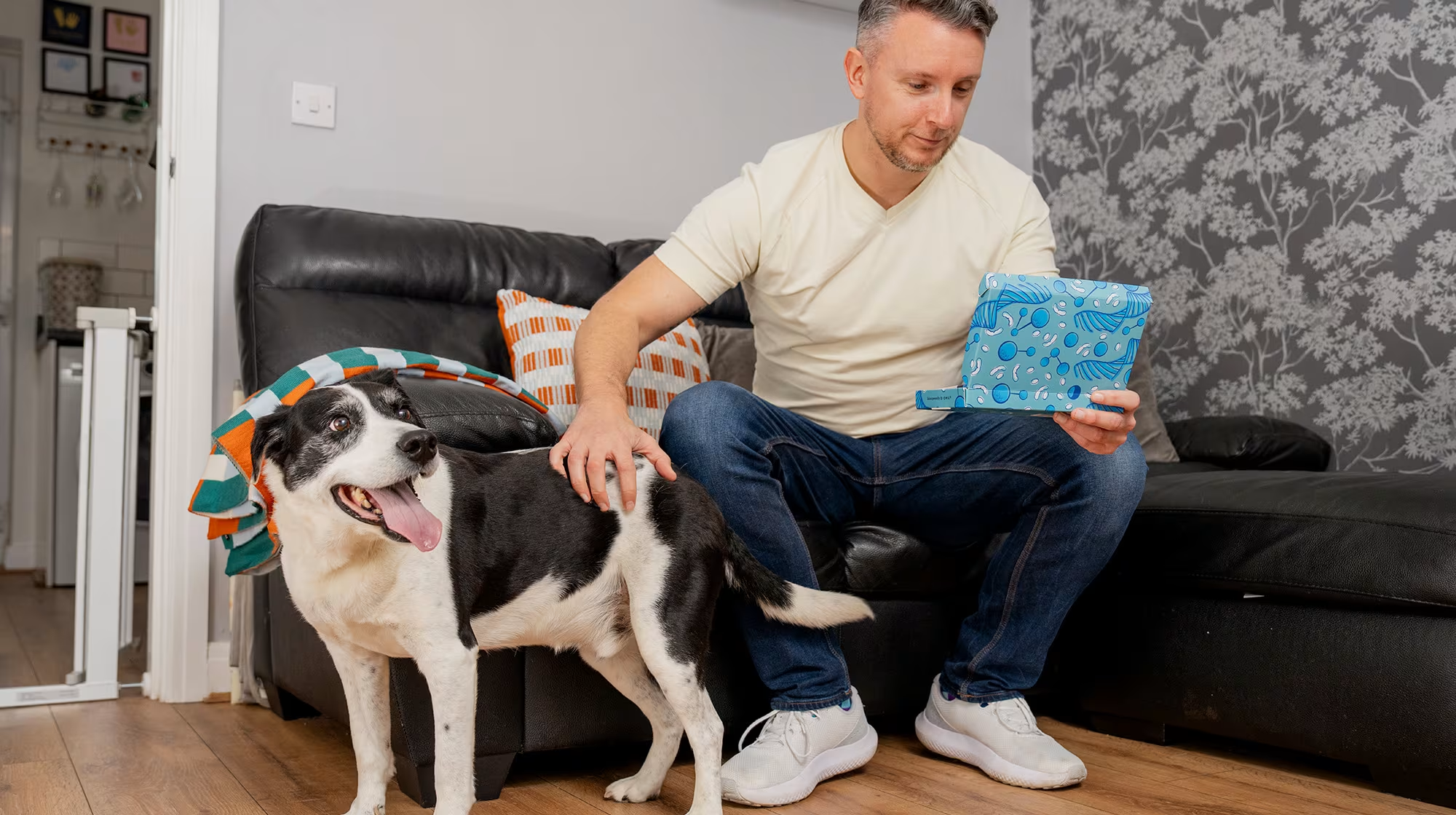
If you suspect your dog’s acid reflux might be caused by poor gut health, or you feel like you’ve tried everything and nothing is relieving their symptoms, a Gut Health Test might be the missing piece.
Our microbiologists will use a sample of your dog’s poop to analyse the bacteria in your dog’s gut and give you detailed insights into their unique microbiome.
Any signs of imbalance will be clearly displayed on your Gut Health Test report, as well as a personalised gut-restoration supplement plan tailored to your dog’s needs.
Management at home
In many cases, simple changes to their diet and routine can make all the difference to your dog’s symptoms.
Your vet might recommend that you:
Feed your dog smaller meals spread throughout the day, rather than one or two larger portions, along with a highly digestible, lower-fat diet.
Avoid rich treats, fatty foods, and sudden diet changes, as these can all trigger flare-ups.
Help your dog lose some weight with lifestyle changes or switching to a low-calorie dog food. Maintaining a healthy weight is important for dogs with acid reflux, as excess body fat can put extra pressure on the stomach.
Some owners also look into diets or supplements that support gut health, particularly if their dog has broader digestive sensitivities.
Prevention
Once you’ve found the right treatment for their reflux, it’s important to be mindful of habits that can prevent their symptoms from cropping back up.
Good habits to implement include:
Feeding a balanced, easily digestible diet
Avoiding overfeeding
Introducing new foods gradually
Avoiding walks and playtime straight after meals
Keeping your dog at a healthy weight
What’s the best diet for dogs with acid reflux?
Dogs with acid reflux generally do best on diets that are gentle on the digestive system.
That’s because easy-to-digest foods help the stomach empty more efficiently, which reduces the likelihood of acid flowing back into the oesophagus.
Our Health & Digestion range is ideal for dogs with acid reflux, or you can look out for easy-to-digest ingredients like:
Psyllium husk
Tripe
Fennel seeds
Sweet potatoes,
Apple
Parsley
Prebiotics
Postbiotics
Turkey
Lower-fat diets are often recommended too, as fatty foods can slow digestion and trigger symptoms in some dogs.
Here at Pooch and Mutt, we have a range of low-fat recipes to choose from, or you can look out for low-fat ingredients like:
Chicken
Turkey
Sweet potato
White fish
Fibre-rich veggies like green beans, broccoli, carrots, and pumpkin.
For dogs with ongoing digestive issues, vets might also suggest a gastrointestinal diet or a carefully chosen limited-ingredient food, like Insect protein.
What foods can trigger acid reflux in dogs?
Rich, fatty, and heavily processed foods are some of the most common triggers for acid reflux in dogs.
Fatty foods to avoid include:
Bacon and sausages. These should always be avoided as they often contain ingredients that are toxic to dogs like Onions and Garlic.
Fat trimmings
Dairy products
Fried food
Processed meats like salami and pepperoni
Avocado
Sudden changes in diet can also upset digestion and trigger reflux, so any new food should be introduced gradually over several days.
And of course, if your dog has any allergies or sensitivities, these could trigger acid reflux alongside other symptoms.
Digestion
Support sensitive stomachs with our Health & Digestion range. Gut-friendly ingredients aid digestion, nutrient absorption, and overall vitality — to nurture digestive health with ease.
-

 from
fromCurrent price: £8.49
Health & Digestion Dry Dog Food -

 from
fromCurrent price: £1.99
Health & Digestion Complete Wet Dog Food -

 from
fromCurrent price: £4.99
Health & Digestion Fish Hide Chews -

 from
fromCurrent price: £2.49
Fish, Potato & Pea Wet Dog Food -

 from
fromCurrent price: £5.99
Health & Digestion Beef Collagen Chews -

 from
fromCurrent price: £3.99
Health & Digestion Postbiotic Fish Treats -

 from
fromCurrent price: £64.99
The Health & Digestion Bundle -

 from
fromCurrent price: £5.99
Health & Digestion Bone Broth For Dogs -

 from
fromCurrent price: £3.99
Dental Postbiotic Meaty Treats -

 from
fromCurrent price: £3.99
Cheddar Cheese Postbiotic Treats -

 from
fromCurrent price: £19.99
Gastrointestinal Dry Dog Food
FAQs
What can be mistaken for acid reflux in dogs?
Stomach bugs, food intolerances, parasites, or general gastrointestinal disease can all cause similar symptoms to acid reflux, so it can be hard to identify.
If your dog’s symptoms are ongoing or you’re unsure, it’s always best to check in with your vet to rule out other causes.
What is a natural acid reducer for dogs?
There isn’t one natural acid reducer for dogs, but anti-inflammatory and low-fat ingredients can help ease your dog’s symptoms.
For example, ingredients like Ginger, Pumpkin, Fennel, Psyllium husk, and Prebiotics can all help support healthy digestion.
That said, if your dog’s suffering from reflux regularly, it’s important to speak to a vet, as some dogs will need medication or treatment for an underlying issue.
What dog breeds are prone to acid reflux?
Some breeds are more prone to acid reflux, particularly flat-faced (brachycephalic) dogs, where their anatomy can make digestion a little trickier.
This includes breeds such as Bulldog, French Bulldog, and Pug. Dogs who are overweight or have sensitive digestive systems may also be more likely to experience reflux.
That said, any dog can develop acid reflux, especially if they eat too quickly or have certain dietary triggers.
How can you tell if your dog has acid reflux?
Acid reflux in dogs often shows up as subtle signs rather than obvious sickness.
You might notice your pooch bringing up undigested food shortly after eating, along with symptoms like excessive drooling, lip licking, gulping, bad breath, or restlessness after meals.
Because these signs can overlap with other conditions, it’s always best to speak to your vet if symptoms keep happening or you’re unsure what’s normal for your dog.


