


Key Takeaways:
- New data reveals thousands of vet visits are linked to gut-related issues that could potentially be prevented or better managed with the right support, rather than requiring a costly vet visit.
- Your dog’s gut health can impact more than digestion, playing a role in areas like skin, immunity, behaviour, and overall wellbeing.
- Simple changes like the right nutrition, lifestyle habits, and targeted supplements can help support a happier, healthier gut, help alleviate symptoms, and cut out unnecessary vet bills.
Vet visits. We all know the drill. The stress, the worry… and the OUCH of the bill. Sound familiar?
But here’s the thing: what if some of those trips didn’t need to happen at all?
Analysed by our team of microbiologists, new data from UK pet insurance provider Waggel suggests that thousands of dogs are taken to the vet for gut-related issues that could often be prevented or better managed at home.
And even if your dog’s not prone to the obvious dodgy tum, it’s still worth paying attention.
Because gut health doesn’t just affect digestion - it can play a role in everything from behaviour and skin conditions to joint health.
In this article, we’ll break down the data and explore the most common gut-related issues that lead to a vet visit, along with simple ways they can be managed at home - potentially saving both you and your dog from an unnecessary trip to the vet (that’s gotta have BOTH of your ears pricking up).
What the data tells us
Waggel provided us with a full year's worth of claims for dogs' vet bills, which we handed over to our team vets and microbiologists for a full analysis. And the results are in.
Based on data from more than 200,000 insured dogs over the past year, the findings highlight just how common avoidable gut-related problems are in dogs.
For example, over 4,500 claims were linked to gut conditions that were identified as either:
Entirely preventable or manageable with the right diet and lifestyle.
These include some of the most common issues dog owners see, such as:
Gastroenteritis
Diarrhoea
Skin allergies
Gland infections
Constipation
And the cost adds up quickly.
And the cost adds up quickly.
More than £2.2 million was spent on gut-related vet treatments
A further £738,000 was linked to conditions that could potentially be managed at home
Of course, if you’re ever worried about your dog, a trip to the vet is always the right call.
When minor, these issues can often be prevented at home. But if your dog shows severe symptoms (for example, extreme lethargy, they haven’t eaten for 24 hours or more, or you can see clear signs of infection with the presence of blood or pus), they could signal serious illness or infection, and require urgent care.
This particular data however, does show just how powerful the right nutrition and early support can be for you and your pooch when managing extremely common but detrimental symptoms.
Whilst new price caps on how much can be charged are due to take effect, no pet owner wants to go through the stress of taking their pet for unnecessary procedures, whatever the price.
The most common preventable issues in dogs
The data revealed a clear pattern:
Many vet visits are driven by conditions stemming from poor gut health, where small, consistent diet and lifestyle changes could make a huge difference.
The most common preventable gut-related issues included:
Skin allergies (1469 claims)
Gastroenteritis (1189 claims)
Diarrhoea (896 claims)
In many cases, these can be supported through simple, everyday habits like:
Feeding a consistent, high-quality diet
Supporting hydration
Adding gut-friendly ingredients like Kefir, Omega-3s, and antioxidant-rich foods
These conditions aren’t usually fully treatable with a quick medication fix - they’re best treated by building a more balanced, resilient gut over time.
Could your dog have poor gut health?
When we talk about gut health, it’s easy to think of the obvious signs, like diarrhoea, constipation, vomiting, and bloating (and even these are often misdiagnosed as viruses or stomach bugs).
But your dog’s gut does a lot more than just digest food.
The gut microbiome (the community of bacteria living in the digestive system) also plays a key role in:
Skin health
Immune function
Behaviour
Weight management
Joint health
And more
Meaning gut issues don’t always look like gut issues - and some of your dog’s (we’ll say it) dreaded vet visits might actually be avoidable with gut health support.
As Dr Bushra Abu-Helil, our Head Microbiologist at Pooch & Mutt, explains:
“We now see clear links between the gut microbiome and common issues driving vet visits - from messy poos, vomiting and foul flatulence to behavioural changes, weight struggles, bad breath, skin and joint problems.”
How can I be sure it’s poor gut health?
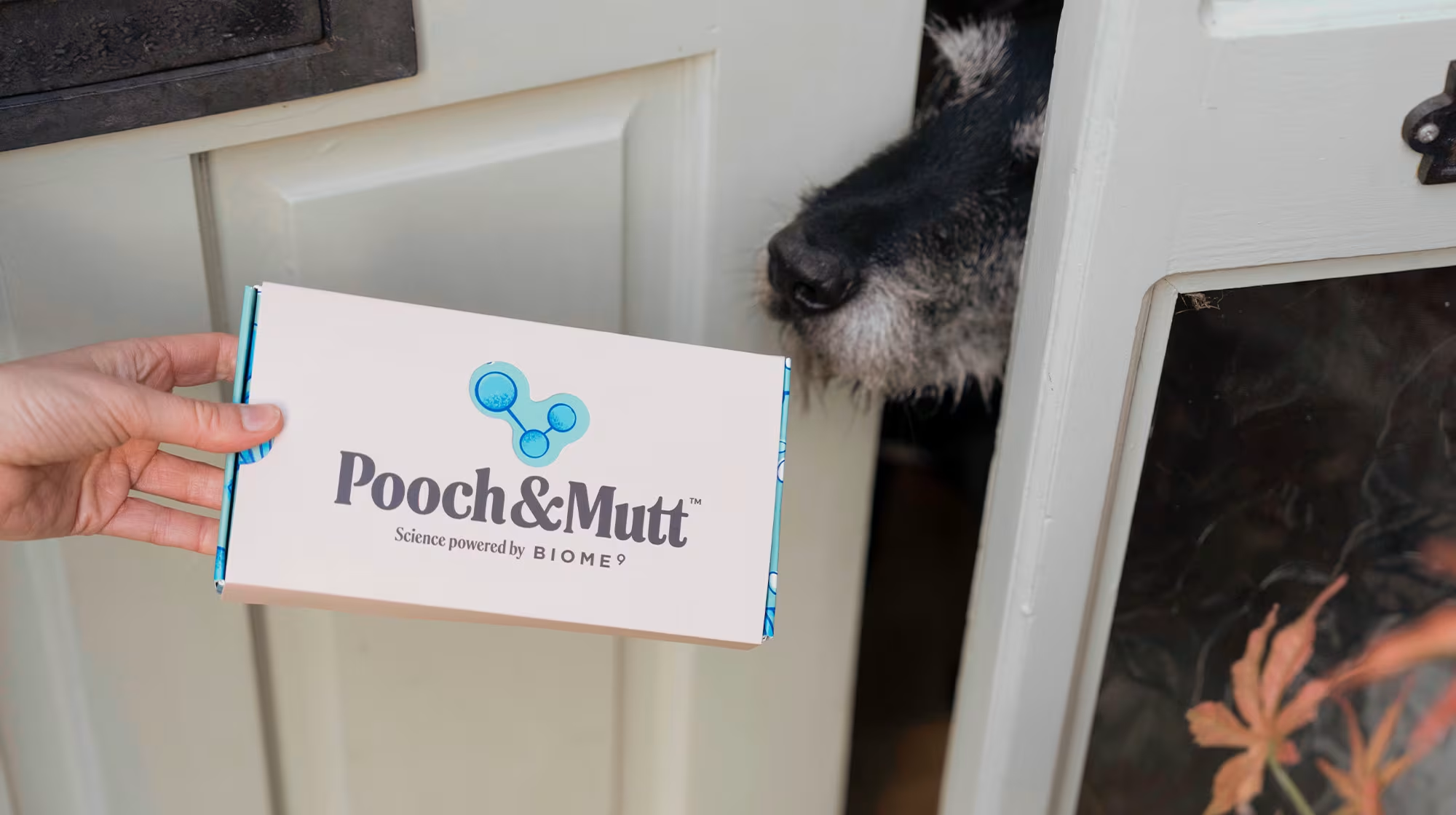
If you suspect your dog’s symptoms might be caused by poor gut health, the easiest way to check is with a Gut Health Test Kit.
With a Pooch & Mutt test kit, a sample of your dog’s poop is sent to our lab, and our team of microbiologists will test it and send you a full report and treatment plan.
Think about it: make a one-off purchase on a test that identifies the root of your dog’s symptoms and gives you a personalised supplement plan to restore their microbiome to provide a targeted and strategic first step, OR repeat vet visits (and bills) with countless courses of medication - treating but masking the actual problem… only for it to crop back up again?
When prevention isn’t possible, management matters
Not every condition can be avoided completely, but many can be better managed with the right support.
The data identified a further 938 claims for conditions such as:
Pancreatitis
Atopic Dermatitis
Inflammatory Bowel Disease
These aren’t always preventable, but with the right diet, supplementation and lifestyle support, it’s often possible to:
Reduce flare-ups
Improve day-to-day comfort
Lower the need for repeat vet visits
How can I prevent or manage at home?
As Dr Bushra says, “These issues often build gradually and aren’t recognised as gut-related - but the encouraging part is that many are preventable or manageable with the right approach.”
So what exactly could this look like? With the help of our microbiologists, we’ve put together a management guide based on the most common conditions in the data.
How to help reduce vet trips by preventing conditions
Condition | Support |
Skin allergies | - Consistent high-quality diet inc. Omega-3s and antioxidant-rich foods - Increased hydration - Gentle diet inc. Pumpkin or Kefir - Regular feeding times |
Gastroenteritis | - Increased hydration - Gentle diet inc. Pumpkin or Kefir - Regular feeding times |
Diarrhoea | - Increase soluble fibre intake inc. Apples - Natural additions, e.g. Kefir, Yoghurt |
Pruritus (itching) | - Regular grooming - Omega-3 and antioxidant-rich foods, e.g. Blueberries |
Anal gland infection | - Regular exercise. |
Dermatitis | - Omega-3 and antioxidant-rich foods, e.g. Blueberries |
Constipation | - Increased hydration through water and bone broth for dogs - Regular exercise |
Hot spots | - Maintain coat hygiene and regular grooming |
Allergic dermatitis | - An anti-inflammatory diet, e.g. Oily fish, Blueberries. |
Malabsorption | - Small, frequent nutrient-dense meals. - Increased hydration through water and bone broth for dogs. |
Seborrhoea | - Regular grooming - Fatty acids and nutritional support supplements |
How to help reduce vet trips by managing conditions
Condition | Management |
Pancreatitis | - Avoid giving table scraps |
Atopic Dermatitis | - Omega-3 and antioxidant-rich foods, e.g. Blueberries. - Long-term skin and immunity support supplements |
Inflammatory Bowel Disease | - Personalised nutrition (via Gut Health Testing). |
Pododermatitis | - Behavioural enrichment, e.g. chewing to reduce licking. - Cleaning their paws post-walk |
Protein-Losing Enteropathy | - Multivitamin supplements |
Gastric Ulcers | - Small, frequent meals - Routine to reduce stress |
By taking a proactive approach - through nutrition, supplements, and lifestyle - you can help support your dog’s gut before small issues turn into bigger ones.
That could mean: fewer vet visits, lower costs, and a happier, healthier dog - a win for everyone, right?
The best place to start is with a Gut Health Test Kit - you’ll receive a full analysis of your dog’s unique microbiome, with results within 4 weeks.
All you need to do is send a sample of your dog’s poop- our microbiologists test this, and then send you back a full Gut Health Report, highlighting where your dog’s lacking in bacteria.
Plus (the best bit), you’ll also receive a personalised gut-restoring Supplement Plan, tailored to your dog’s microbiome needs - meaning you support their gut health with confidence.


Gut Health Test
Get your results in 4 weeks*, with our quick and easy, at-home Gut Health Test for dogs. One simple poo sample, analysed by our microbiologists, and you’ll get personalised recommendations to help your dog thrive.
*Results delivered within 4 weeks of our lab receiving your sample.
Please note, discount codes can't be redeemed on this item.
-
91% of customers saw improved gut health
-
Science backed gut health insights
-
Online report including key health indicators
Original price: £69.99
Current price: £34.99
Methodology:
Waggel analysed 12 months of anonymised claims data from over 200,000 pets, with relevant gut, skin, and diet-related conditions.
The data was reviewed by Waggel vet Aimee Warner and Pooch & Mutt Head Microbiologist Dr Bushra Abu-Helil.
Conditions were classified as either ‘potentially preventable’ or ‘manageable’ through diet, lifestyle, hydration, fibre, grooming or targeted gut and skin support.
Claims costs were calculated using the total value of relevant claims submitted during the analysis period.
This post was originally published in June 2026, but has been updated for comprehensiveness.


