


Key Takeaways:
- Dogs have a thin coat and lots of nerve endings on their tummies, so they love the feeling of a good belly rub. Rubbing your dog’s belly releases neurotransmitters – including oxytocin and endorphins that literally trigger feelings of love and happiness. These help reduce stress, boost mood and support overall wellbeing.
- The belly is a vulnerable part of a dog’s body, so when they expose their tummy to you, it can mean they trust you completely. However, it’s important to assess other signs, as it can mean a dog is telling you to back off.
- Dogs exposing their belly can also provide a way to assess the health of their skin without causing them discomfort. You can look out for redness, irritation, hyperpigmentation, or anything else out of the ordinary that may indicate underlying health conditions.
Why do dogs love belly rubs? Well, the main reasons are simple: they trust you, and it feels good!
However, not all dogs may be hinting for more, and instead are telling you to back off.
In this article, we’ll get into the biological reasons why dogs are famously rolling onto their backs for a good belly rub in the presence of humans they trust. Plus, we explore how to tell the difference between when they’re begging for more or telling you they’re not comfortable.
Reasons why dogs like belly rubs
We know how ‘chosen’ we feel when a dog rolls onto their back for a belly rub - it’s a true sign of affection for a pooch. But why is rolling onto their back and exposing their belly their immediate reaction when you go in for some love?
Their bellies are sensitive. There are so many nerve endings in your pooch’s tum, and their coat is very thin on their belly, meaning any petting there will feel ticklish and sensitive. They also can’t reach it themselves, so it feels great that you can!
It releases endorphins. Belly rubs release feel-good hormones from the pituitary gland and hypothalamus, such as Oxytocin, as well as endorphins. Both help reduce stress, boost your dog’s mood and their overall wellbeing! Learn more about how much your dog’s mood is impacted by their health, and vice versa, in our article ‘How your dog's gut health could be causing them stress and anxiety’.
It strengthens your bond. When your pooch feels happy during a belly rub, the oxytocin released in their body helps them feel more connected to you.
It’s a sign of trust and affection. The belly is a vulnerable spot, so when a pooch rolls onto their back around you, or especially falls asleep on their back, it means they feel totally safe in your presence. This positive experience also provides a great time for you to assess and check their belly skin without being invasive or making them feel uncomfortable. Due to the lack of hair, it's easy to spot anything out of the ordinary when it comes to your dog’s skin health. So, you take this time to spot any redness, irritation, dark spots and hyperpigmentation, or anything out of the ordinary that may point towards underlying health conditions. This’ll help you to take action quicker and keep on top of their health.
 Health
Why do dogs expose their belly/roll onto their back?
Dogs rolling onto their backs isn’t only a way to ask for belly rubs - it’s a call-back to their canine ancestry.
As the belly is a vulnerable part of the body for a dog, wild dogs would roll onto their backs to show a human or another animal that they mean no harm to them and that they are not a threat. Basically, it’s a sign of submission.
You’ve probably seen your pooch do this, even today - they will roll onto their back when they are among other dogs they see as dominant, to show that they are non-threatening.
It’s a way of saying, ‘I give in! I am friendly and safe.’ They sometimes do it to diffuse tension if playtime is getting a little rough.
What does it mean when a dog lets you rub their belly?
When a dog shows you their belly, it will usually have a more affectionate meaning than when it shows its belly to other dogs.
Firstly, they love the feeling of a belly rub! It’s a sensitive and vulnerable part of their body that they can’t really reach to scratch themselves. Secondly, it’s an invitation to bond with you, to relax, and a way of telling you they trust you completely.
However, this isn’t always the case.
Sometimes, a pooch exposes their belly as a sign for you to back away, as they might roll over when they’re feeling threatened. There are nuances to this, so try to read the dog’s body language to tell the difference between the two.
Signs your dog is telling you to back off
Dogs don’t only show their bellies to get belly rubs, but to say ‘I feel insecure, please leave me alone’.
To recognise whether your dog is exposing their belly to tell you to back off, look out for the following examples of body language they may also be displaying:
Their body is tense
Their ears are pinned back
Their eyes are fiercely locked and showing the whites of their eyes
This also applies if they’re growling, snarling, or bearing their teeth
If your dog is displaying any of these signs, be sure to leave them alone and wait for them to come to you.
Signs your dog is happy to have their belly rubbed
You’ll know when a pooch is on their back to invite a belly rub when it’s alongside the following body language:
Their body will be somewhat limp and loose
They’ll have a relaxed mouth, and maybe look like they’re smiling
Their eyes will be closed or gazing
Their tail might wag, if they’re positioned slightly to the side
You’ll be able to approach to tickle their belly and it’ll be clear if they like it. During the belly scratch, it’s common for one of their legs to kick gently, as if you’ve got just the right spot!
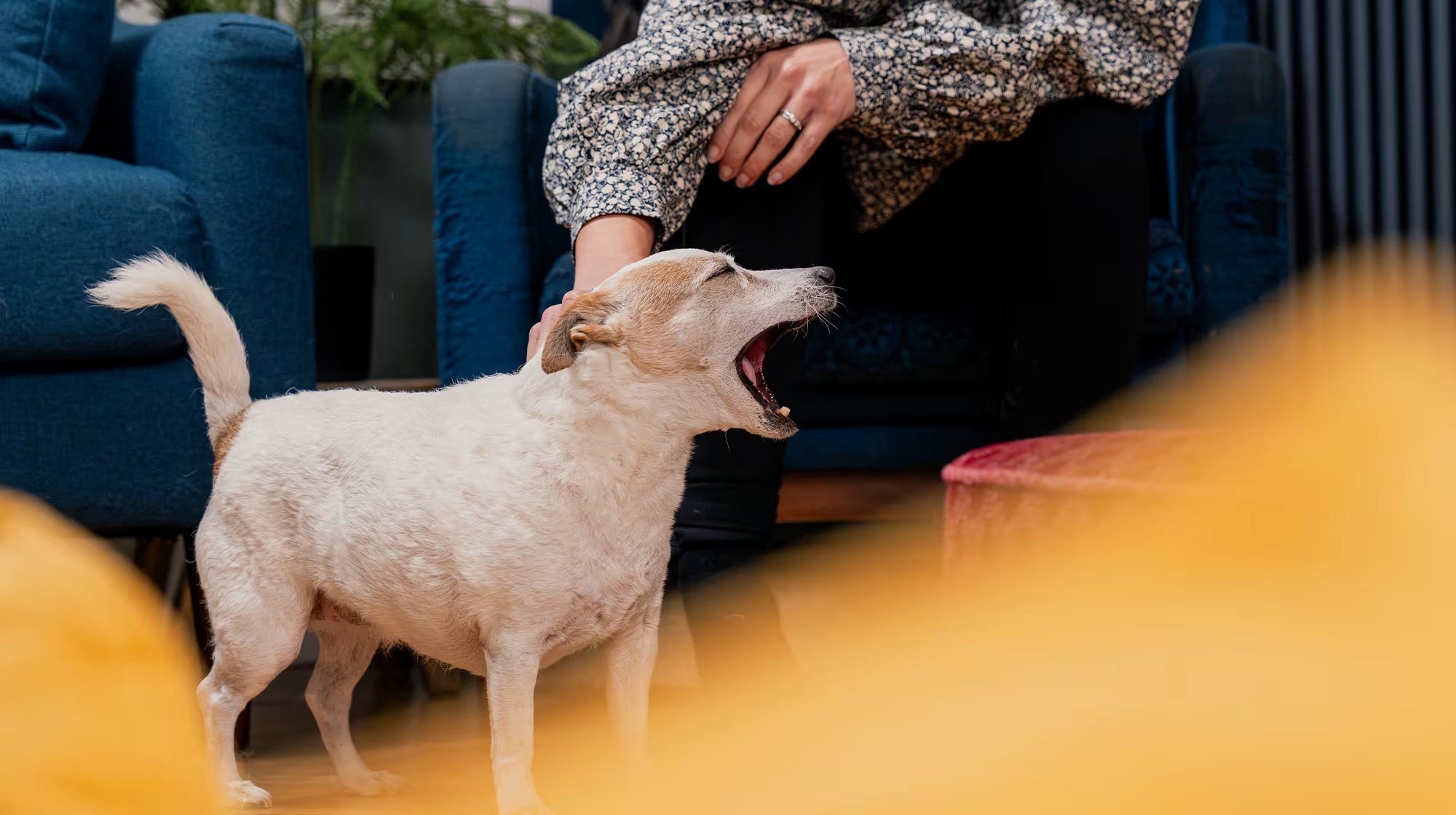
Do all dogs like belly rubs?
Lots of dogs love a belly rub; but not every dog will want you to scratch their belly, as it’s a trusting activity they might reserve for the special people in their life.
Other dogs might simply tolerate it - you’ll be able to tell they aren’t keen, as they’ll seem tense during the belly rub and will soon move away from you.
Some dogs, such as those with a history of mistreatment, might not like to have their belly touched at all.
It’s all about getting to know the individual dog, reading their body language, and taking their lead, without forcing any sort of interaction with them.
FAQs
Do dogs trust you if they let you rub their belly?
Yes, when a dog offers you their belly it’s a sign of trust and affection. If they roll over onto their backs when you’re near them, and they seem happy and relaxed, that’s often an invitation.
Do belly rubs actually make your dog happy?
This depends on each individual dog, as not every dog likes having their belly rubbed. For those who do like belly rubs, it’s because it feels good on their sensitive tummies, and the action even releases endorphins to make them feel very relaxed, happy and bonded to you.
Why does a dog's leg move when you fuss one particular spot?
It’s so adorable when a dog kicks their leg when you scratch their belly in one place, and it's very common.
It’s actually a reflex action dogs have; the nerves in certain parts of their tummy are linked to the spinal cord, which simultaneously sends a ‘jerk’ response to the leg.
It’s similar to when humans have their kick reflex tested with a light tap in the knee. At other times, during a belly rub, they might be kicking on purpose just to be playful.
Which dog breeds love belly rubs?
Any dog can love a belly rub if they trust you enough - then again, any dog can dislike belly rubs, too, so try to read what each individual dog likes.
However, it does tend to be the more affectionate and loyal breeds that can’t get enough of belly rubs. This includes Golden Retrievers, Staffordshire Bull Terriers, Shih Tzus, Cavalier King Charles Spaniels, Labradors, Boxers, French Bulldogs, Maltese, Bichons Frisés, Beagles, Pugs, Border Collies, Cocker Spaniels, and many more.


