


Key Takeaways:
- Your dog might cough for all sorts of reasons; from inhaling dust, to eating too quickly, or as a symptom of canine flu, or a more serious health issue.
- Your vet can tell you whether your pooch’s cough is benign or a sign of something more serious - so take note of how the cough sounds, how long it lasts, and what seems to trigger it, so you can share with them.
- To prevent your dog from getting a cough, you could try switching up their diet, topping up their parasite medication, or making changes to their home environment.
If your pooch is regularly coughing or gagging, it could be for a wide range of reasons - from a simple tickle in their throat to an allergy, digestive issues, or something more tricky going on under the surface.
In this article, we’ll go into the many reasons your dog might cough, when a cough is an emergency, and the small ways you can prevent your dog from getting a cough as often.
Reasons your dog might be coughing
Reverse sneezing
Reverse sneezing in dogs can be mistaken for a cough, as it’s just as sudden!
Reverse sneezing is actually a common reflex of the throat caused by excitement, dust in their throat, or even just pulling too hard on the lead.
Allergies or irritants
This might cause your pooch to cough as their throat tickles.
Throat irritation can be caused by things like dust, strong scents or sprays, or even allergies to things like pollen or grass seeds. Food allergies can also cause coughs due to internal irritation.
Neck or throat discomfort
This can cause coughing, perhaps from a tight collar or uncomfortable lead, or because your pooch has to wear a cone after treatment. They might simply be sore from barking too much, or even swallowing water the wrong way!
Something is stuck in their throat
Your dog might have swallowed or inhaled something and got it stuck, like grass seeds, or a piece of bone or tough meat - causing them to cough to dislodge it. If this is the case, be sure to take them to a vet immediately.
Kennel cough
Kennel cough is a common, flu-like illness and very contagious, so dogs can pick it up when around other dogs.
It can often have a hacking quality, or it might sound soft but end with a ‘gagging’ sound.
Chronic Bronchitis
Chronic Bronchitis is a long-term, dry cough that comes from inflammation of your dog’s airway. It’s more common in older, small-breed dogs, and can get worse with exercise, over-excitement, or if your dog has been exposed to smoky air or other irritants.
Collapsing Trachea
This can cause your pooch to make a ‘honking’ sound, due to parts of their windpipe flattening. Again, this is common in small and toy breeds (like Yorkies), so it’s usually hereditary.
BOAS (Brachycephalic Obstructive Airway Syndrome)
This is a condition of dogs with flat faces, like Pugs, Shih Tzus, and Bulldogs. They usually have issues breathing and might cough and snort as a symptom.
Acid reflux or Esophagitis
This can cause hiccups or coughing in your pooch, caused by things like dietary triggers, eating too fast, dysbiosis or perhaps an underlying health condition.
Dysbiosis
This is the name given to an imbalance of bacteria that lives within the gut (or their gut microbiome).
With the gut microbiome having a huge influence on their overall health, when things aren’t balanced, it can lead to a whole list of symptoms, including those that can lead to coughing.
Specifically, dysbiosis can lead to inflammation around the body, including the lungs and oesophagus, which can trigger mucus build-up and aforementioned acid reflux. Finding out whether dysbiosis is worsening their coughing starts with a Gut Health Test.
Pneumonia
This leads to fluid building up in your dog’s lungs, making it hard for them to breathe without coughing, which is often chesty and phlegmy. Usually there are other symptoms like low appetite, lethargy and a fever.
Flu (canine influenza)
This affects dogs in a similar way to humans - causing coughs, sniffles and a runny nose. It’s also very contagious. The cough might be soft and dry, and persist for a few weeks.
Lungworm & Heartworm
Lungworm affects your dog’s lungs and heart. Lungworm is more common in the UK, and symptoms include soft coughing and breathing issues in your pooch, as well as extreme tiredness.
Laryngeal Paralysis
This is nerve failure that attacks a dog’s airways, causing breathing problems, coughing and gagging. Their bark may also be weaker and quieter. It’s more common in larger breed dogs as they age, like Golden Retrievers or Labradors.
Tumours & Cancer
Tumours and growths in the lungs or throat can lead to your dog coughing, retching, and having difficulty breathing.
If it’s cancer, you might notice other symptoms like weight loss, lethargy, and generally seeming ‘low’, and the cough may get deeper over time.
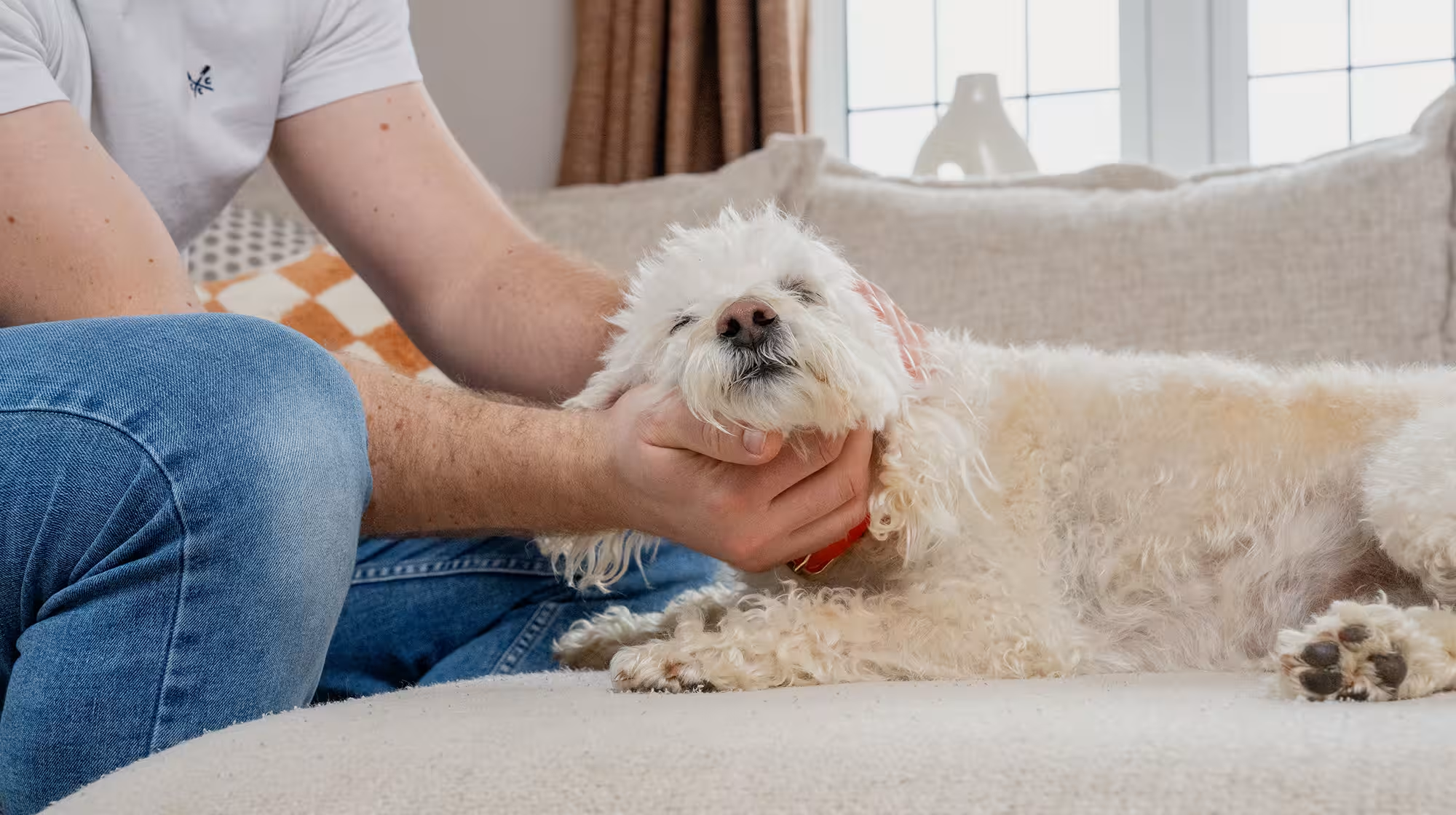
Diagnosing coughs in dogs
With such an array of causes for coughs in dogs, there are also different types of cough to keep an eye (and ear) out for.
What does dog coughing sound like?
A dog’s cough can sound different depending on what’s causing it, its severity, and how long it has lasted (a cough might sound different at the start of an illness than at the end, just like with humans).
A cough can have a wet, phlegmy sound, or it can be dry and muffled.
Sometimes it’s sudden, almost like a sneeze; others might seem like your dog is ‘hacking up’ something or gagging.
Coughs due to illnesses or health conditions are usually persistent and last a while.
Short-term coughing that’s sudden and over quickly is likely caused by a trigger, like an allergy.
Is my dog coughing or choking?
Sometimes dogs cough as if they’re retching, or gagging, as though something is stuck in their throat, but this isn’t always the cause.
Kennel cough, for example, sounds like a dry cough that usually ends with a ‘hacking up’ sound.
Things like dust or grass seeds can cause gagging-style coughs, and dogs with tracheal collapse (common in Toy breeds) make a honking noise, which could also be mistaken for choking.
If your pooch is choking due to something they’ve swallowed, it’s usually more acute and sudden than a cough.
Your pooch might gag or retch repeatedly and also paw at their mouth in distress. If they’re choking on food, it might come on suddenly during or after eating - and they might make themselves sick trying to get it out.
If you suspect your dog is choking, treat it as an emergency and contact your vet straight away.
When to see a vet
If you spot any of the following in your dog, go to the vet as an emergency:
Your dog appears to be choking
They’ve coughed up bile, or mucus with blood in it
They’re gagging persistently, to the point of discomfort
They seem to have difficulty breathing
You’ve noticed other symptoms like vomiting, weight loss, lethargy, or loss of appetite
In other cases, if your dog has been coughing for 1-2 days or more, then is the time for a vet visit. Make a note of how often your pooch coughs, whether there seems to be a trigger for it, what they’ve been eating, and the sound/quality of the cough.
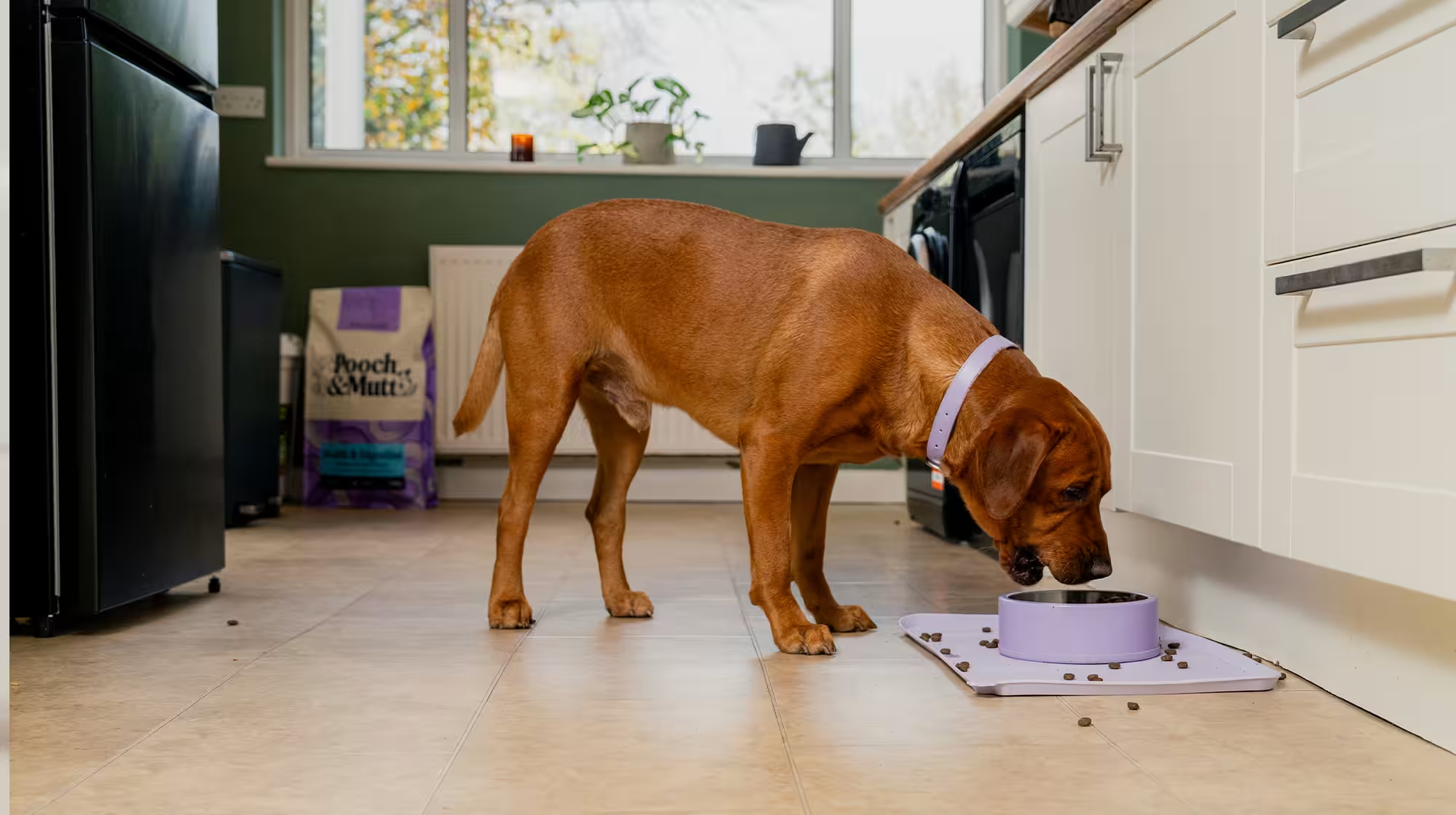
Treatment
Your vet can assess exactly what kind of cough your dog is dealing with, get you the right treatment (such as medication or a dietary change) and more importantly, carry out tests to rule out any serious health concerns.
But if your dog’s cough has been diagnosed as minor and only lasts for a short spell - perhaps due to common flu, dust in the house, or eating too fast, for instance - there are some easy ways to treat and prevent this kind of cough at home.
Treating your dog’s coughing at home
Let your dog rest. If they’re feeling low energy while suffering from a cough, let your pooch relax until they’ve fully recovered. Going on adventurous walks or getting them overexcited can worsen the cough - so it’s best they chill for a while so you can take care of them.
Encourage drinking. Your dog’s cough will clear faster if they’re well hydrated. Keep drinking spots topped up with fresh water throughout the house so they can help themselves.
Moisten dry food. If you have a dry food-fuelled dog, try moistening their meals with water or warm bone broth for dogs. The softer food will be gentler on their throat when they swallow, and it’ll taste juicier, too.
Encourage slow eating if that’s an issue for your dog, perhaps with small portions more often, or with a slow-feeder dog bowl or lick mat.
Try a humid environment. Some dogs find steamy air relaxes their throat; try sitting them in a bathroom after you’ve run a shower to see if that helps.
Loosen their collar, or switch it out. A tight or irritating collar can agitate a dog’s cough - try a looser or more comfortable collar, or have them wear just a harness as an alternative until they’re recovered and back to their old self.

Preventing coughing in dogs
Sometimes there’s no way to stop a cough in its tracks; however, with a few lifestyle tweaks, you can reduce the chance of your pooch getting a cough too often.
Switch up your dog’s diet. A healthy, balanced diet for dogs full of lean proteins and no junk ingredients can help keep things settled in your dog’s digestive system, help restore their gut microbiome, boost their immunity against coughing sicknesses, and help maintain a healthy weight. This can make a real difference, as carrying extra pounds can put pressure on your dog’s airways.
Could your pooch have a food allergy? An allergy or intolerance can cause inflammation in your dog’s airways, so it’s worth looking into what they eat. Your vet can help you figure out whether a dietary change could help, focusing on more simple, novel ingredients, or hypoallergenic dog food. More common signs of food allergy would include itchy skin, runny stool, and bloating.
Worming medication can keep parasitic infections at bay that can cause nasty, long-term coughing in your pooch. Double-check your dog’s worming meds are fully comprehensive, so you know they’re as protected as they can be. It’s good to remember that Lungworm medicine is not available over the counter and needs to be prescribed. Your vet may prescribe Nexgard Spectra, Milbemax and Advocate.
Top up your dog’s vaccinations, especially if they spend a lot of time mixing with other dogs (even just in the park!). These precautions can protect your pooch from getting a common coughing illness, like Kennel Cough. It’s key to remember that this is not a 'core' vaccine, so you usually need to request it separately to the regular annual vaccines.
Be aware of strong smells. This includes incense, scented candles, hair spray and air fresheners, which might set off a cough in your pooch. Keep a low-scent environment if you think this could be the cause, and open your windows to circulate some fresh air for them.
Get a comfortable collar or harness. If your dog has a sensitive neck and throat area, make sure they’re as comfortable as possible with a soft, malleable collar, or preferably a body harness that doesn’t pull on the throat.
Hypoallergenic Range
-

 from
fromCurrent price: £15.99
Skin & Coat Dry Dog Food -

 from
fromCurrent price: £3.99
Skin & Coat Postbiotic Meaty Treats -

 from
fromCurrent price: £47.99
The Skin & Coat Bundle -

 from
fromCurrent price: £2.49
Fish, Potato & Pea Wet Dog Food -

 from
fromCurrent price: £9.49
Original price:
£11.49Salmon Oil For Dogs -

 from
fromCurrent price: £8.49
Health & Digestion Dry Dog Food -

 from
fromCurrent price: £1.99
Health & Digestion Complete Wet Dog Food
FAQs
When should I worry about my dog coughing?
Dogs can cough for a multitude of reasons, ranging from minor to more serious.
If your dog's cough is persistent, lasting for over 24-48 hours, be sure to check with your vet.
If your dog's coughing seems sudden, and that they're struggling to breathe, be sure to get them to a vet immediately, as they may have something stuck in their throat.
Why is my dog coughing like there is something in their throat?
Certain cough-causing conditions, like Kennel Cough can make it seem like your dog has something stuck in their throat, often causing a 'hacking' sound. If this is the case, be sure to check in with your vet.
They could also actually have something stuck in their throat, so if they seem uncomfortable, are pawing at their mouth or most concerningly, are struggling to breathe, this can be an emergency and you should get them seen to immediately.
Why does my dog have a cough but is acting normal?
This could indicate coughing induced by an irritated throat, where they may have been barking too much, have a tight collar or have eaten too quickly.
It could also indicate allergies, whether that be from environmental allergies like dust and pollen, or food allergies. Chicken, Beef and Diary are some of the most common allergies in dogs. If your dog is also incessantly itching and has persistent digestive upset alongside a cough, be sure to check in with your vet to investigate potential allergies.
How long should a dog cough before a vet?
If your dog has a persistent, steady cough for longer than 7 days, be sure to contact your vet.
If your dog is coughing alongside other concerning symptoms like lethargy, fever, reduced appetite, and if they're struggling to breathe, be sure to see a vet immediately.


