


Key Takeaways:
- Swollen lymph nodes will feel like firm, moveable lumps just underneath your dog’s skin.
- You’ll most likely feel them under your dog’s jaw or behind their knees
- There are lots of reasons your dog’s lymph nodes might swell up, ranging from minor to more serious. These can include infections, to autoimmune disease, injuries, and cancer.
If you stroke your dog and all of a sudden find a lump, it’s understandable that you’d be worried.
Lumps around the neck, chest and parts of the leg could be swollen or enlarged lymph nodes.
Although these are always worth getting checked out by a vet (particularly if your dog has other symptoms like fatigue or a loss of appetite) there are a range of potential causes, stemming from minor and treatable, to more serious conditions.
Either way, swollen lymph nodes are usually a sign that they’re not feeling 100%. Knowing what your dog’s nodes feel like when they’re healthy can help you spot changes and get the right treatment quickly. Here we’ll explain what to look out for and the next steps to take.
Where are lymph nodes on dogs?
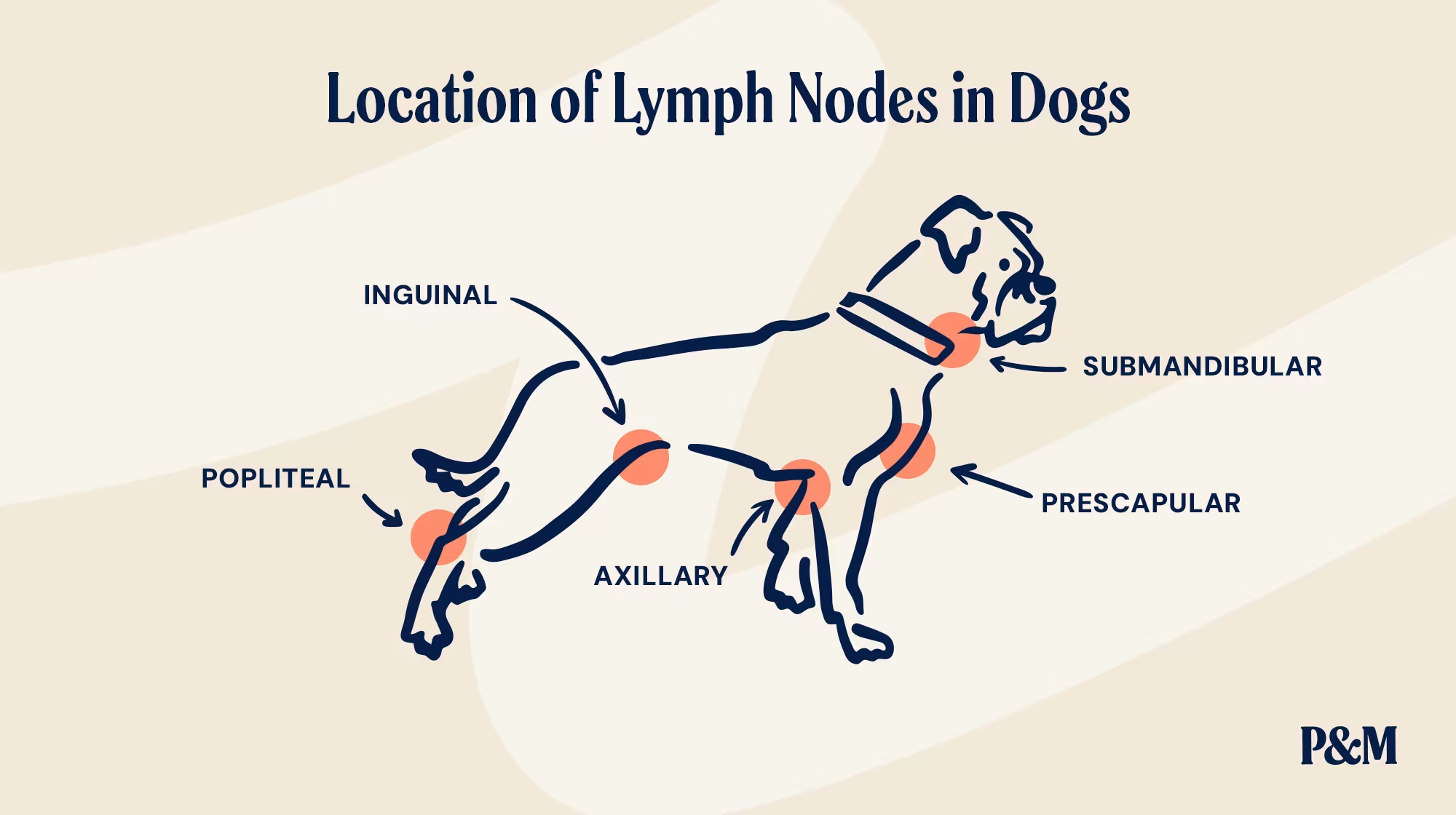
Lymph nodes in dogs are firm, rubbery glands located just under their skin.
Part of the lymphatic system (which gets rid of toxins and waste from the body) they’re most easily found around the chin (submandibular), on the chest (prescapular), in the groin area (inguinal) and in the armpits and behind the knees (axillary and popliteal).
What do swollen lymph nodes feel like in dogs?
As your pooch tries to fight illness or infection, their lymphatic system can respond, causing their lymph nodes to swell to a noticeable size (up to ten times their normal size!).
They’ll be firm and smooth to the touch, with some movement as you feel around. Your dog might experience some pain or discomfort as you move them, so be prepared for some winces and whines, or just a case of the grumps.
When your dog is back to their healthy, bouncy selves and their lymph glands are a normal size, you might struggle to feel them. Occasionally having a feel around these areas so you know what ‘normal’ is for your pooch will help you spot any changes or problems quickly. That way, you can get them the treatment they need asap.
Reasons your dog’s lymph nodes are swollen that aren’t cancer
The lymphatic system is central to supporting your dog’s immunity. So if they’re swollen, it’s a sign that their body is trying to fight off some sort of illness.
This doesn’t always mean cancer (lymphoma), although that can be one of the potential causes.
In fact, there are lots of reasons why your dog’s lymph nodes might be swollen.
Infections
If your pooch has an infected lymph node or a general infection, then this could be the reason for swelling. Bacterial, fungal or viral infections can all cause swollen lymph nodes. This is because the white blood cells (lymphocytes) in these glands are working overtime to fight the illness.
If this is the cause, it’s likely that your pooch will have other symptoms like low energy, less of an appetite or mild nausea.
Diseases
Tick-borne, autoimmune and even dental diseases can lead to swollen lymph nodes.
Again, this is usually because the body is fighting the illness.
Lyme disease and arthritis can be some of the most common causes of swelling. Often the location helps give a clue as to what the issue is. For example, a dental abscess causes submandibular lymph node swelling.
Allergies
Pollen, grass, or grains are just a few allergens that can cause a reaction and inflammation in a dog, causing their lymph nodes to swell in response. Usually, it’s only a severe reaction that causes the glands to become inflamed, so look out for other symptoms like itchy skin, sneezing and swollen, red eyes.
Parasites
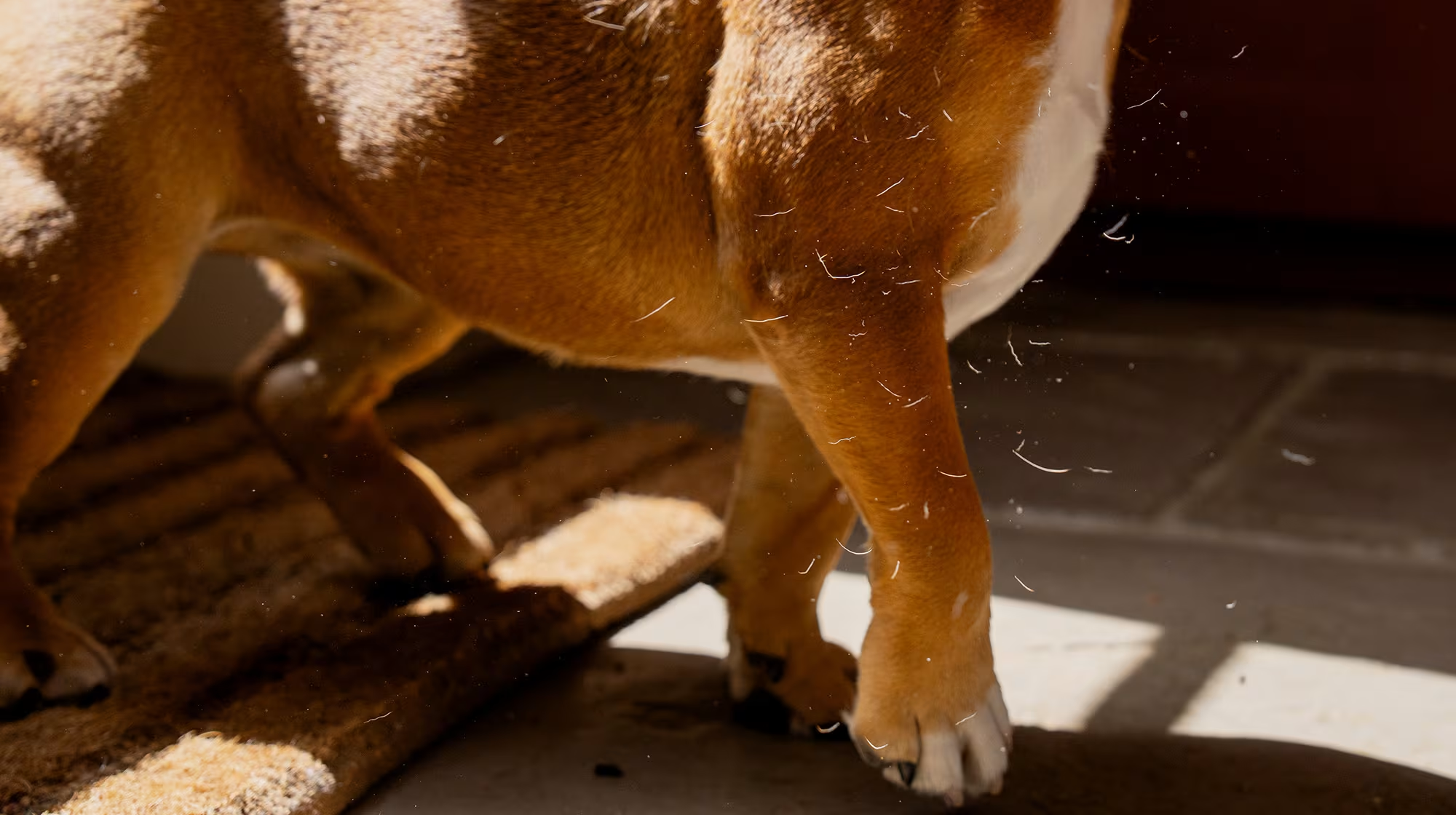
Fleas, mites and lice can all be picked up by your dog and start to irritate their bodies. The intense itching can lead to skin infections, which may cause swollen lymph nodes. In some cases, you might see fleas or mites on their skin, or notice increased itching. If you spot any of these symptoms, then you should get treatment from a vet asap.
Injury or trauma
If your dog has had an abscess, bite or other injury near a lymph node, it can lead to localised swelling. If they’ve had some trauma in the chest, neck or legs, it’s worth getting double-checked by a vet.
When do swollen lymph nodes mean lymphoma in dogs?
Whilst swollen lymph nodes commonly point to more minor and treatable conditions, they can unfortunately also point towards cancer. More specifically, lymphoma.
Swollen lymph nodes are just one symptom of lymphoma. This is a cancer of the white blood cells found in these glands. Because these cells move to all parts of the body, the cancer can quickly spread from the lymph nodes into the bones, organs and skin.
This can lead a dog to have other symptoms such as:
More frequently drinking and weeing
Vomiting and diarrhoea
Yellow or pale gums
Breathing problems
Weight loss
Skin ulcers or fur loss
Lethargy
Lymphoma is a difficult condition that can be treated with chemotherapy, radiation, surgery or medication. This can help extend your dog’s quality of life, and many dogs go into remission.
When to see a vet
If your dog’s lymph nodes are swollen or they show other signs of being unwell, it’s best to get them checked by a vet.
That way they can figure out what’s causing the problem and give them the right treatment.
Leaving your pooch without treatment for their lymph nodes could lead them to become more sick, so it’s important that you get them seen as soon as possible.
Diagnosis
Often, swollen lymph nodes are a sign of another underlying illness, rather than a diagnosis in itself.
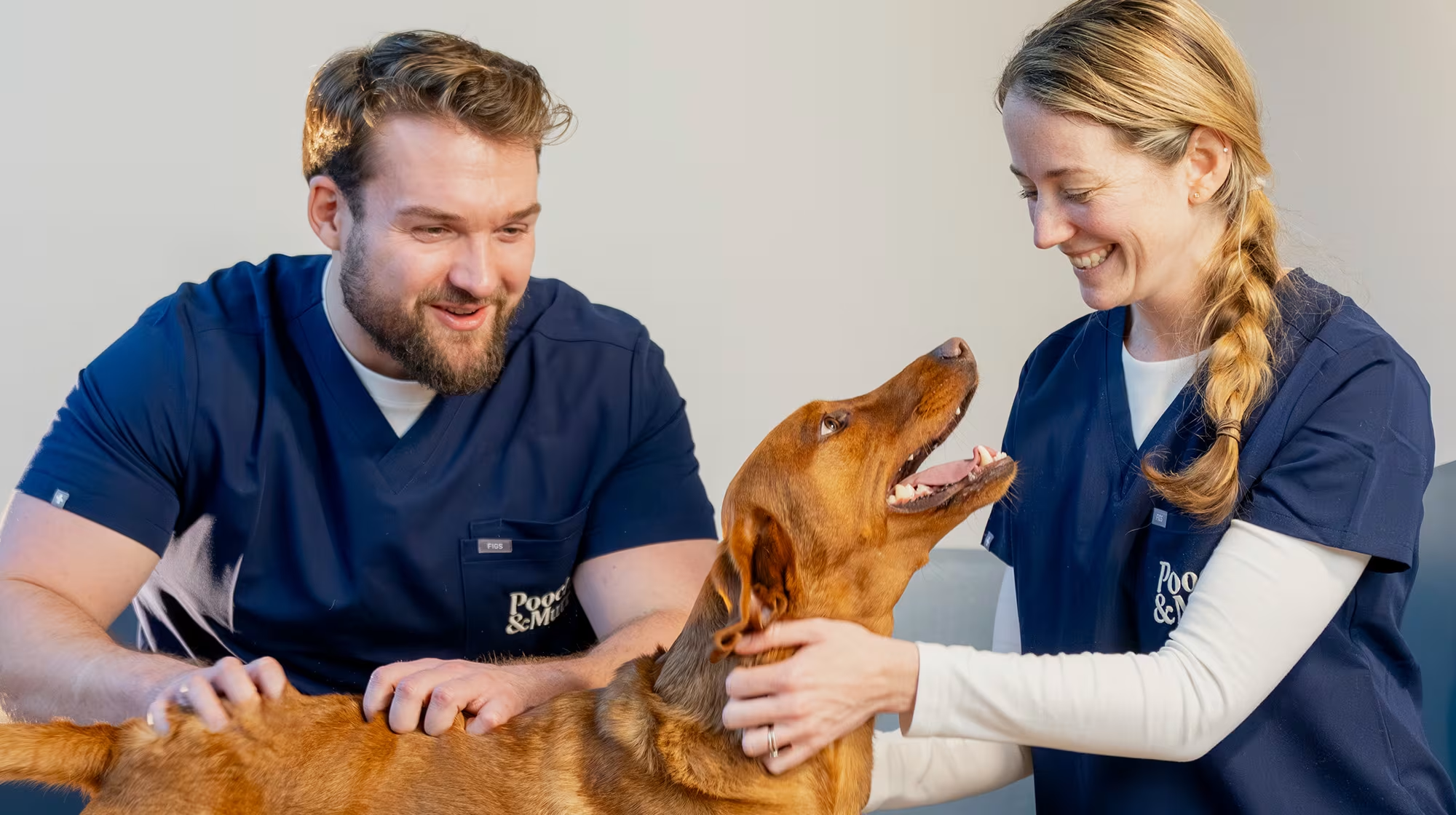
To work out the cause, your vet will have a good look at your dog, including feeling their lymph nodes. They’ll also run general health checks and ask you about your dog’s health history and any symptoms they’ve been having.
They may take a sample of cells from inside the lymph node using a small needle, which is called a fine needle aspirate (FNA).
This helps your vet rule out any cancer or infections. Based on your pooch’s symptoms, they might also do blood or urine tests to check that their white blood cell count is normal and their organs are running as they should be.
If needed, they might rebook your pooch in for a biopsy, X-ray or ultrasound. Again this is just to check that there is nothing unexpected in terms of their shape and size, and to assess the whole body for any other issues.
Treatment
The treatment your dog gets will depend on the cause of their swollen lymph nodes.
It’s likely to involve some form of medication such as anti-inflammatories or antibiotics. How ill your pooch is will also affect the length of their treatment.
In many cases, they will likely need lots of rest and to take a course of tablets for a few days. But there could be a longer treatment plan if your dog is seriously unwell.
If your dog is diagnosed with lymphoma, your vet will discuss the options to help keep them comfortable and extend their quality of life as long as possible.
Prevention & aftercare
In addition to vet treatment recommended by your vet, the best way to help prevent your dog from developing enlarged lymph nodes is to do everything you can to support their immune system.
This will help their lymphatic system stay healthy, boost their recovery from future illnesses and help stop them getting further gland problems.
To do this, it’s best to make sure your pooch has a complete, balanced diet and has regular exercise according to their breed and size.
Finding wet or dry foods made from quality, nutritious ingredients, including anti-inflammatories like Oily Fish and leafy greens, will help keep your dog in tip-top shape, helping to support their immune system, and their ability to bounce back from infection. It’ll also stop them from getting overweight, which is a major risk factor for many issues.
Of course, it is also important to have regular vet checks and to keep them up to date with their vaccinations and their parasite prevention.
As well as their diet, gut health plays a huge part in helping your dog thrive and fighting fit.
Having good gut health and a balanced microbiome will also help set your dog up for a healthy, happy life. It doesn’t just help keep bugs that can cause swollen lymph nodes at bay, but also keeps their gut fit and healthy, so it’s prepared to help them bounce back faster from illnesses and treatments like antibiotics or parasite medication.
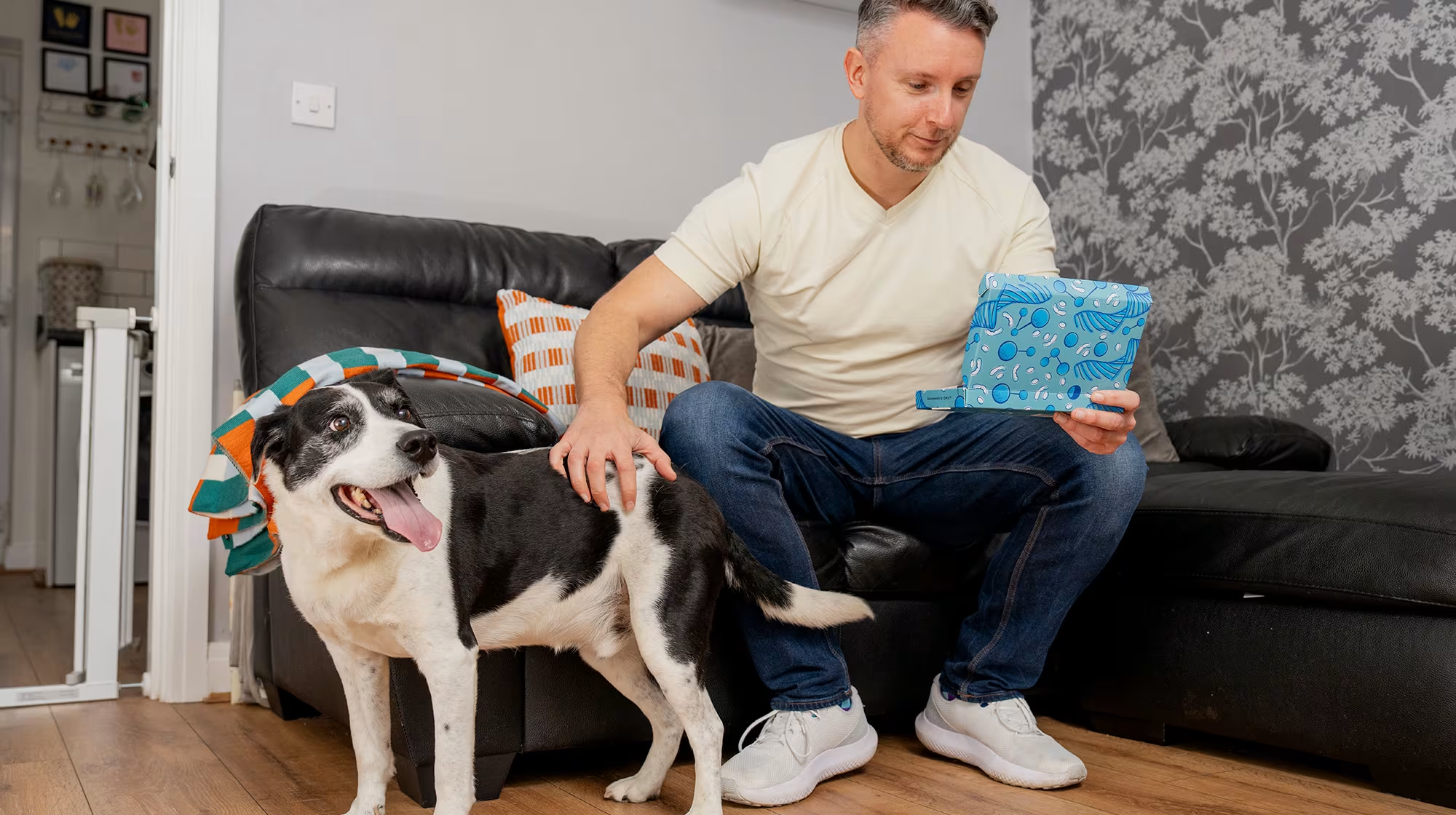
By taking a Gut Health Test and understanding how healthy your dog’s gut is and giving them a balanced diet with the right supplements, you can help them be their happy, bouncy selves for as long as possible.


Gut Health Test
Get your results in 4 weeks*, with our quick and easy, at-home Gut Health Test for dogs. One simple poo sample, analysed by our microbiologists, and you’ll get personalised recommendations to help your dog thrive.
*Results delivered within 4 weeks of our lab receiving your sample.
Please note, discount codes can't be redeemed on this item.
-
91% of customers saw improved gut health
-
Science backed gut health insights
-
Online report including key health indicators
Original price: £69.99
Current price: £34.99
FAQs
Should I be worried if my dog's lymph nodes are swollen?
If your dog’s lymph nodes are swollen or they show other clear signs of infection, then you shouldn’t panic, but do try to get them seen by a vet as soon as possible. This will help you find the underlying cause and get the right treatment so they feel better as soon as possible.
What are the warning signs of lymphoma in dogs?
Swollen lymph nodes are just one sign of lymphoma in dogs. They are likely to have other symptoms like a low appetite, fatigue, weight loss and pale or yellow gums.
How long does lymph node swelling last in dogs?
If your dog is suffering from an infection, disease or allergic reaction that’s causing lymph node swelling, then this should start to go down once they start getting treatment. They should get back to their normal size between two to four weeks after this.
Can lymph nodes be enlarged but not be cancer?
Yes, lymph nodes can be enlarged because of an infection, allergic reaction or autoimmune disease. It’s not always a sign that your dog has cancer. A vet will work out what’s causing the issue and give your pooch the best treatment.


