


Key Takeaways:
- A diet that’s tailored to support those with liver disease is called a hepatic diet.
- Hepatic dog food is low protein, easily digestible, low in copper, high in zinc, and highly tasty to adapt to appeal to low appetites.
- For dogs with liver disease, you should avoid generic commercial dog food and raw food for dogs.
- Pooch & Mutt offer a Hepatic Dry Dog Food in their Veterinary range, specifically developed for dogs with liver disease.
Lack of appetite is a common symptom of liver disease in dogs and can be anxiety-inducing for a dog owner, who, of course, wants them to eat for their health. If your pooch has a liver that’s somewhat dysfunctional, sourcing the most beneficial food for them - and making sure they want to eat it - is an essential part of their ongoing treatment.
In this article, we’ll go through the attributes you’ll need to look for when planning the best diet for your liver-strained pooch, and go over some key foods they should and shouldn’t eat in order to stay fit and well.
What food should a dog with liver disease eat?
Just as in humans, the liver is important to a dog’s internal function. It helps digest food, filter toxins and regulate the blood. There are lots of contributors to liver disease in dogs, and if you’re not sure if your dog has it, you can read more about its symptoms and causes here. A diet that’s tailored to support a damaged liver is called a hepatic diet. A hepatic diet contains easily digestible ingredients and a clever balance of food groups that will nourish your dog, and their liver, while putting as little pressure on the organ as possible.

What is the best dog food for liver disease?
So when your dog has liver disease or other problems regarding their liver, you’ll want to find a high-quality hepatic dog food for their regular meals. But what exactly does this mean, and what should you look for when sourcing this food?
Usually, a hepatic dog food has:
Low protein. Unlike regular dog food, an effective dog food for liver disease won’t contain high levels of protein, as processing protein presents a challenge for a damaged or struggling liver. The protein that's present will come from gently digestible ingredients such as cod, peas or eggs. Occasionally, meat such as chicken or ostrich may be used, but red meat should be avoided.
Easily digestible. Everything in a hepatic dog food should be as gentle as possible for a dog’s body to digest.
Low levels of copper. In some instances, copper build-up can cause the liver to dysfunction. For this reason, hepatic food avoids high levels of copper.
High zinc content. Zinc helps to further counteract any copper build-up in the liver.
Delicious flavours. As dogs with liver function have a decreased appetite, it’s important for their food to taste irresistible.


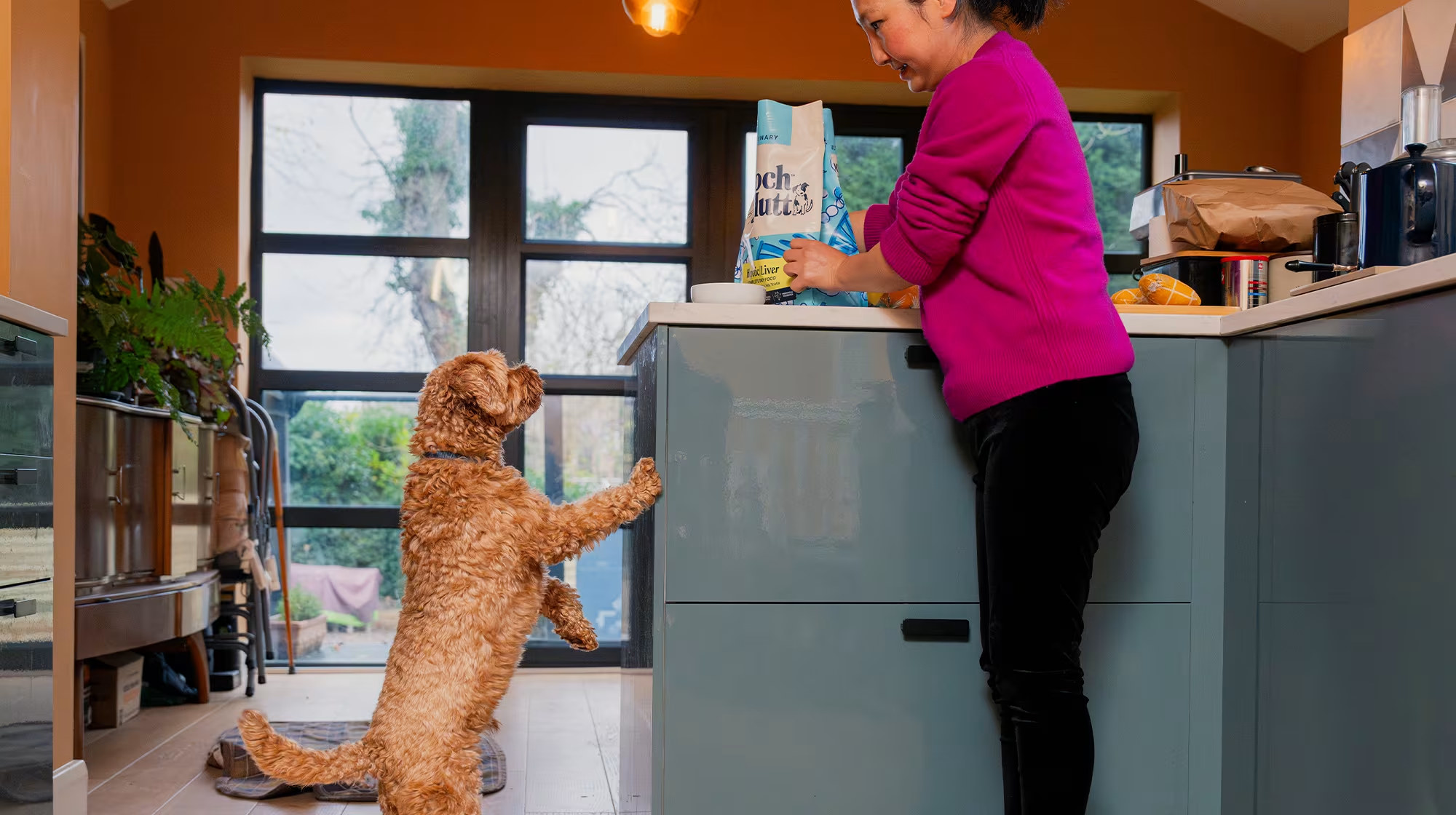
Hepatic Dry Dog Food
This Hepatic dog food is a grain-free, vet-approved recipe to support liver function in cases of liver disease, or chronic liver insufficiency. It contains gentle ingredients known to be kind and gentle on your dog's liver.
-
Veterinary Dog Food
-
Low Copper & High Zinc
-
Low Animal Protein
Current price: £19.99
Is low-protein dog food good for liver disease?
Though protein-heavy food is usually recommended for dogs of standard health, for dogs with liver dysfunction, it tends to be the opposite. The liver works especially hard to process protein, so reducing the amount it has to work with means your dog’s body isn’t being put under stress that it can’t handle.
Protein is still an essential food group, however, so dog food for liver disease will usually derive protein from small amounts of fish, eggs or peas as an alternative to red meat or offal.

What food can I give my dog with liver disease?
So exactly what kind of food should you go for that supports a liver-friendly, hepatic diet for dogs?
It’s important to avoid cheap commercial dog food if your pooch has special dietary needs for liver function, as it often contains preservatives, sugars and filler ingredients that serve no value to your dog’s liver. Commercial dog foods have to pass certain standards to be deemed a complete and balanced diet, but most cheap brands simply won’t have a suitable option for your pooch’s niche requirements.
If you’re a fan of homemade or raw food for dogs (sometimes called the BARF diet) things can be tricky, as preparing a hepatic diet can be more time-consuming and harder to balance than choosing a high-quality, ready-made dog food. Some dog owners like to know exactly what’s in their dog’s meals, however, so if you’d like to stick to homemade or raw food, chat to a pet nutritionist first to ensure you get meals exactly right.
If your dog has liver issues, going for a premium-quality, specialist dog food that comes recommended by vets is the best way to go. The right food should be an integral part of your dog’s treatment - boosting their energy and protecting them from sickness, stomach upsets and any low mood that might come from their liver problems. It should also be extra appetising so that your dog is enticed to eat it, even when they don’t feel hungry.
For dogs with liver issues who also have a grain allergy or who prefer a grain-free diet, Pooch & Mutt offers a vet-recommended, specialist dog food for liver disease that contains zero grain. Our Veterinary Food for Liver Disease uses the specifications of a hepatic diet for healthy liver function and is entirely grain-free. What’s more, unlike other prescription hepatic foods, we’ve boosted flavour by adding delicious chicken skin and salmon oil - the perfect amount of succulent fats to make it irresistible to dogs who may have gone off their food. To top it off, we’ve added milk thistle - its nutrients are excellent for liver function.
Can my dog eat hepatic dog food for liver disease?
If your vet has instructed that your pooch eat hepatic dog food, then a premium specialist hepatic food such as our Pooch & Mutt Vet range should be fine, but chat it over with your vet first to be sure.
Hepatic dog food is usually prescribed for dogs with the following conditions:
Chronic liver (hepatic) insufficiency
Portosystemic shunt (PSS)
Hepatic encephalopathy
Convalescence following intoxication
If your dog doesn’t have liver problems, do not feed them hepatic dog food as it doesn’t contain the right balance of ingredients to support a standard dog diet and they could become unwell.
Are blueberries good for dogs with liver disease?
Not only are blueberries deemed a ‘superfood’ for humans, in moderation they are packed full of benefits for dogs too - and are even recommended for boosting liver function in dogs. Blueberries contain anthocyanins - clever antioxidants that protect the liver from oxidative stress; and also Vitamin K, which is especially good for liver health.
Is peanut butter good for dogs with liver disease?
Peanut butter is generally safe to give your dog, however unprocessed peanut butter is not recommended for liver disease and it's always best to check the packaging for any harmful substances.
Unprocessed peanut butter contains aflatoxins which is a cancer-causing mycotoxin that often targets the liver.
The FDA (US Food and Drug Administration) warns that acute, prolonged exposure to aflatoxins “inhibit the normal functions of the liver, including carbohydrate and lipid metabolism and protein synthesis.”
Finally, any peanut butter brand that contains Xylitol - an artificial sweetener that is fine for humans, but toxic to dogs - should definitely be avoided, as Xylitol has also been reported to contribute to liver failure.
If your dog is craving peanut butter, our dental sticks are a great option for those with hepatic disease as they're low in protein too.


Dental Stick Bundle For Dogs
A bite-and-bright bundle for pooches & mutts. A taster pack of dental sticks with unique flavours and functions to support strong teeth, healthy gums, and reduce plaque - making dental care tasty and easy.
-
Save up to 5%
-
1 x Peanut Butter Dental Sticks
-
1 x Calming Dental Sticks
-
1 x Spirulina & Mint Dental Sticks
Current price: £11.49
Are bananas good for dogs with liver disease?
Bananas sometimes get a bad rep for being relatively high fat and high sugar, but they’re high in B vitamins and a safe snack for dogs with liver disease when given in moderation.
Are eggs good for dogs with liver disease?
Eggs are one of the best sources of protein for dogs with liver disease. As they’re nutrient-rich and gentle on digestion, eggs are a tasty alternative to meat protein sources (especially red meat) as part of a hepatic diet.
Are sweet potatoes good for dogs with liver disease?
Yummy sweet potatoes are packed with B vitamins which help support liver function, so it’s a great food option for a dog with liver disease. It’s also rich in starch and a good source of complex carbohydrates.
What foods should dogs with liver disease avoid?
There’s lots of reasons dogs develop liver disease, and this can dictate what foods they should and shouldn’t eat. Some dogs have liver dysfunction due to copper build-up, for instance, so need to avoid foods rich in copper - but for other dogs, this may not be the case. Always talk to your vet to get specific recommendations over the needs of your pooch.
Usually, dogs with liver disease are recommended to avoid:
Foods high in copper or salt, such as lamb, duck, pork and offal
Red meats high in protein, such as beef
Dog food containing meat meal, preservatives, artificial ingredients and high sugar
Table scraps and leftovers from your plate
Xylitol, the artificial sweetener (this should always be avoided by all dogs)
If your pooch has a poor liver, you may be nervous over whether they’re eating the best food for their condition, especially as dogs with liver dysfunction suffer from a suppressed appetite.
With the right specialist dog food, however, you needn’t worry - as they’ll be getting the exact right balance of food groups and nutrients to support their liver’s needs and boost their health and wellbeing overall.
Pooch & Mutt’s Veterinary Range has been developed for a variety of specific health conditions in dogs - including our Hepatic/Liver Veterinary Food which contains all the active ingredients and specifications of a prescription dog food on a tasty, grain-free base. With added chicken skin and salmon oil, your pooch will be licking the bowl clean every mealtime.
If you're worried your pooch might be suffering with liver problems, take a look at our blog post all about liver disease in dogs.
This post was originally published in May 2023, but has been updated for comprehensiveness.


My dog has livet damage and he is only 9 years of age. He has been vomitting alot and i just found out that his liver is not normally
Hi Rachel, I am so sorry to hear this and do hope your pooch is doing ok! Our Hepatic Dry Food may be a suitable choice here if a hepatic diet or protein restriction has been advised by your vet for your dogs liver damage. We would however advise seeking further guidance from your vet and consulting beforehand, particularly if your dog has been vomiting in order to rule out any other concerns, and to avoid any further upset if changing food.
Do you do taster packets? I have the fussiest dog known to man and have had to throw away so many bags of food because she won't eat them
Hi Ree, We don't currently offer sample packs, however we do have smaller bags of dry food or individual cartons of wet food all of which are ideal for trying before buying larger sizes. Please do feel free to reach out to the team at pooch@poochandmutt.com also if you would like any further advice or guidance :)
My 9 year old Labrador has just been diagnosed with Copper Storage Disease... My vet has recommended 2 Hepatic Brands to swap onto... I was doing some research and came across Pooch and Mutt Hepatic ... My vet hasn't recommended it... Why would this be? I need very low copper... Could you tell my how many grams in a kilogramme Pooch and Mutt Hepatic contains.
Hi Jo, I am sorry to hear this and do hope your pooch is doing ok! Our Hepatic Dry Food contains 0.278mg copper per 100kcal which works out at 10.08mg copper per kg. Our Hepatic Dry Food provides all of the active ingredients and specifications of a prescription dog food, with the unique benefit of a high-quality, grain-free base. The recipe is high in zinc to help remove excess copper stores from the liver and it contains many nutritional ingredients including milk thistle which plays a key part in improving liver function. This may be an ideal choice, but we would always advise consulting with your vet beforehand :)
Is your Hepatic/Liver food suitable for dogs with historical bladder stones (both Calcium oxalates and Salica)? My dog has recently been ill with a liver problem but is on the mend although with still high levels of enzymes which is why she needs liver friendly food. She was previously on Hill's U/D dry food which has stopped her developing bladder stones, but this is now not suitable. Please advise if your food would be suitable for both stones (oxalates & silica) and liver. Thank you.
Hi Mayli, our Hepatic/Liver recipe is designed specifically to support dogs with liver-related conditions, but it is not a urinary or stone-management diet. Because your dog has a history of both calcium oxalate and silica bladder stones, it’s really important to make sure her diet also supports those needs, and unfortunately, our Hepatic Dry Food, and a urinary diet can have quite different nutritional requirements. In a situation like this, it’s best to speak with your primary vet, as they’ll be able to advise which dietary need should take priority based on your dog’s medical history and current condition. Wishing your pooch a speedy recovery :)
Hi my 13 yr old dog as elevated ATL and bile acid she as had an abdominal US that shows a nothing seen with the liver my vet recommended samylin for support. I currently cook homemade boiled chicken or Turkey , fish with sweet potatoes and veggies, they both also have dried food as snack would this hepatic food be suitable instead of the current kibble ? Thanks
Hi Julie, If liver disease hasn't been confirmed , we generally wouldn't recommend starting a hepatic diet (and it seems your vet is happy to continue with regular food and supplements). Have they discussed repeating bloodwork in a few weeks to see if levels are coming down? This may be a good next step. If you do need further guidance and recommendations, do just reach out to the team at pooch@poochandmutt.com :)