


Key Takeaways:
- Switching your dog over to a brand new food takes a gradual and strategic approach over a period of up to 8 days.
- This should follow a schedule of: Feeding a portion consisting of 75% old food, and 25% new on days 1 & 2. Then 50/50 on days 3 & 4. This would then change to 75% new food, and 25% old food on days 5 & 6. Then, eventually feeding them just their new food by day 7 & 8.
- This gradual approach is required in order to give your dog's gut time to adjust, and so you can monitor any adverse reactions, making them minor and manageable. Common reactions to look out for include runny poos, vomiting, itching, and refusing to eat.
When it comes to your dog’s diet, it’s never one size fits all. And it’s completely normal for their diet to ebb, flow, and change.
Whether they’re growing from puppy to adult, or you’ve found a brand that better suits your dog’s needs, there’ll inevitably come a time when you’ll be introducing them to a new diet.
But changing your dog’s diet shouldn’t happen overnight. Making the switch takes time, patience, and a strategic approach; all in aid of a healthy pooch and a happy tum.
So, what’s the secret formula to safely and efficiently switch your dog’s food?
We’ve got everything you need to know here!
Changing your dog’s food: Step-by-step
Introducing your dog to a new food isn’t just a case of scrapping their old diet and dishing up their new one. It requires time and a strategic approach to ensure their gut has enough time to adapt, and so you can monitor any emerging symptoms.
The first thing you’ll want to do when changing your dog’s food is make sure you’re feeding them the right amount.
How much you feed your dog will depend on their level of activity, breed, age, and whether they’re overweight or underweight.
Our general guidelines for feeding your dog dry food include:
Dog Size | Amount per day |
TOY DOGS (0-5kg) | 30-105 g/day |
SMALL DOGS (5-10kg) | 105-175 g/day |
MEDIUM DOGS (10-25kg) | 175-350 g/day |
LARGE DOGS (25-50kg) | 350g-590 g/day |
GIANT DOGS (50kg +) | 590 g/day |
For wet food:
Dog size | Amount per day |
TOY DOGS (0-5kg) | Up to 1 1/4 packs/day |
SMALL DOGS (5-10kg) | 1 1/4 - 2 packs/day |
MEDIUM DOGS (10-25kg) | 2 - 4 packs/day |
LARGE DOGS (25-50kg) | 2 3/4 - 4 2/3 packs/day |
GIANT DOGS (50kg +) | 4 2/3 packs/day |
You’ll also find feeding guidelines on each product page on our website, and on the back of packaging, which will be more accurate for the exact food you’re feeding.
For a more detailed insight into how much you should feed your dog, as well as what diet might be best for them, try our Find Your Food Quiz .
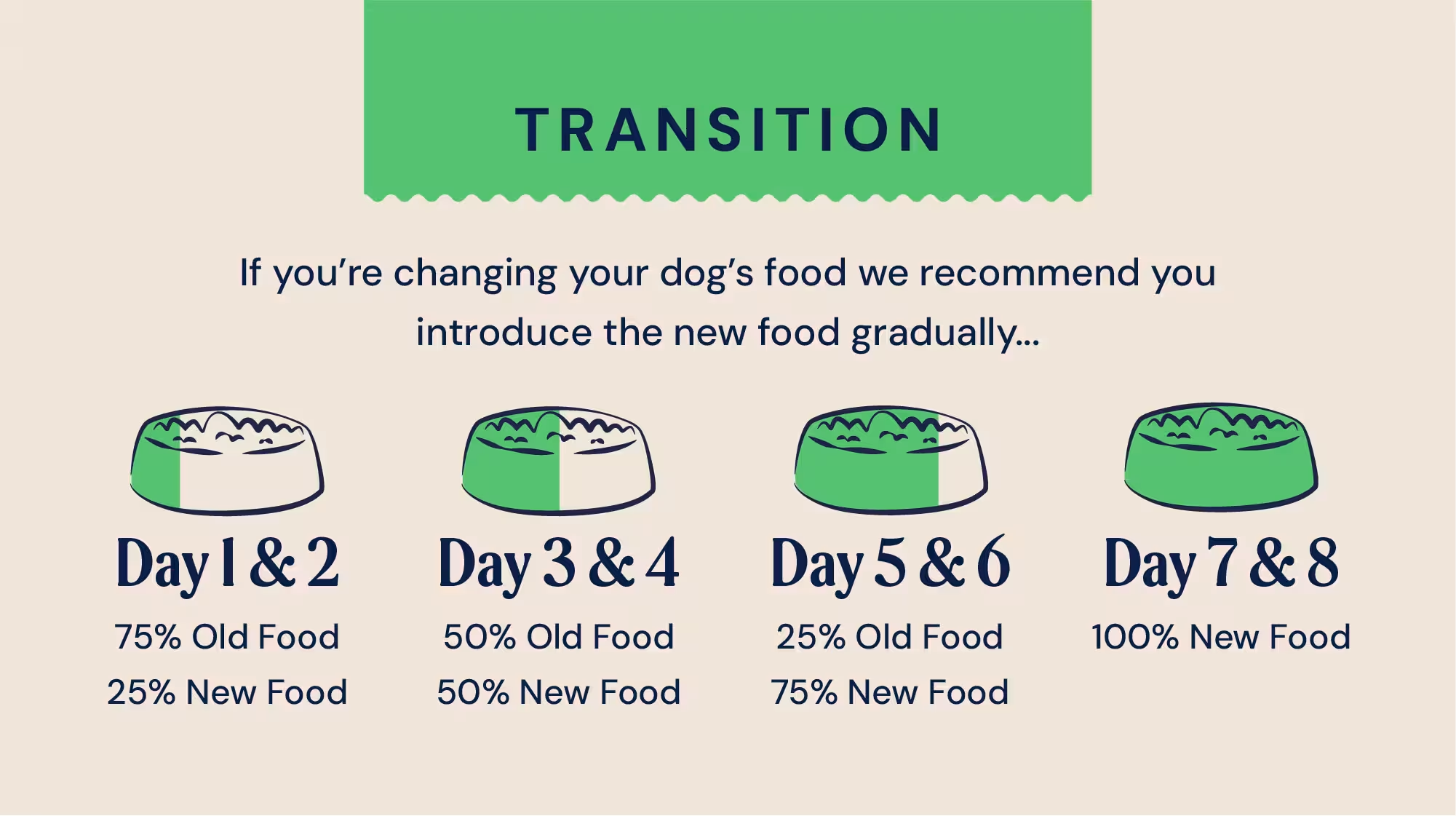
Overall, transitioning your dog to a new food should take place over 8 days - mixing their old food with their new, until their old food has been completely replaced. Here’s what this might look like:
The first couple of days: Days 1 & 2
Measure out their regular food with the amount they require for their size, weight, and needs, removing at least a quarter of the portion. Replace this with their new food.
After mealtimes, keep a close eye to see if your dog has any ‘out of the ordinary’ reactions or side effects. Take particular notice of their next poop (checking its colour and consistency), as well as any other signs of discomfort.
Days 3 & 4
If, within those few days, your dog seems happy and healthy and hasn’t had any signs of illness, you can continue with the gradual switch.
This time, split their regular food and new food 50/50 by measuring out half a portion of their regular food and replacing the other half with their new food
Keep monitoring your pooch after feeding and over the next few days, still looking out for any signs of reaction.
Day 5 & 6
Again, if all things are looking good, and your dog’s still looking happy and healthy, you can continue with the switch.
This time, you can feed them a bowl that’s made up of ¾ of their new food and ¼ of their old food.
Even though they’re now eating a diet that consists mostly of their new food, you should still carry on monitoring them.
The last couple of days: Day 7 & 8
Now we’re coming up to the last couple of days of the transition, you can give your dog a meal that consists of just their new food.
You can now consider your dog officially switched over to their new diet, but still make sure to keep a close eye on them, especially in those first few weeks.
If they start to develop any issues or show clear signs of digestive discomfort, be sure to contact your vet. Especially if this consists of blood in their stools, vomiting, or diarrhoea.
How do you transition a puppy onto a new food?
Puppies, no matter their breed, are notorious for having sensitive stomachs. That’s mainly because they’re still developing!
So, it’s really important when changing their food that you follow the same slow and gradual approach.
For puppies, some changes in their stools may be inevitable, but keep the same close eye (if not closer) on their health during the switch. And visit your vet if anything seems out of the ordinary.
See our full guide on how to safely change your puppy's food .
Why do you have to change your dog’s food gradually?
There are many reasons why it’s advised to gradually transition your dog to their new diet.
Firstly, gradually switching your dog’s food gives their gut time to adjust.
Your dog’s gut is teeming with bacteria, and this little ecosystem’s responsible for the smooth functioning of many important bodily processes, including digestion. Their diet is a huge contributor to the balance of these bacteria and the health of their gut.
As their gut becomes accustomed to one diet , suddenly changing it to another can cause the balance of bacteria to tip. This can cause adverse reactions such as inflammation, diarrhoea, vomiting, and a loss of appetite.
Switching them over gradually gives their gut, and the bacteria that live within it, plenty of time to adjust to the new ingredients.
Secondly, it allows time for you to monitor your dog - checking for any signs of allergies or digestive issues. Giving the new food bit-by-bit, means that if any adverse reactions happen, they’re minor and manageable. With ANY signs of allergies or intolerances, be sure to contact your vet.
Signs to look out for when monitoring your dog on a new diet
When keeping a close eye on your dog during a diet transition, you’re mainly looking out for any signs of allergic reactions or digestive disruption.
This can include:
Sudden itching
Skin & coat changes
Runny poos or constipation
Vomiting
Stomach gurgling
Smelly farts
Loss of appetite or refusing food
Lethargy
If any of these symptoms take hold during their diet switch, be sure to inform your vet and consider further investigation into what diet would be best for them.

When might you need to change your dog’s diet?
When it comes to feeding our dogs, there are plenty of caveats that would lead to assessing their entire diet:
Their age. Puppies will be on a specialised puppy food that caters to their growing and developing bodies. When they reach adulthood, they’ll need to be transitioned onto adult dog food. The same goes for when they reach senior age (which, depending on their breed, is typically over 7 years old). Then, they’ll need to change to a dog food tailored to supporting senior dogs.
They’re new to your home. When you bring home a new puppy or rescue dog, they’ll have been on their own diet in their previous home. More often than not, new dog owners will want to change this diet to something they prefer. Your new dog should come with a bag of their current diet, so you can apply this gradual approach.
A new diagnosis. Whether it’s a newly discovered allergy, a kidney issue that requires a renal diet, or liver issues that require a hepatic diet, this gradual switch will still apply. Especially so we don’t run the risk of worsening existing symptoms.
Weight issues. As well as managing their portions, switching your dog to a low-fat or satiety diet (a diet that helps them feel fuller for longer) can help them shed a few pounds if they’re overweight.
Financial reasons. Food varies in price depending on the type and quality, and it’s generally advised to feed the best you can comfortably afford. If you’re switching dog food brands, it’s still important to do so gradually.
Signs your dog needs a new diet
There are also a number of physical signs to watch out for that may indicate your dog’s in need of a new diet.
While all health issues can’t always be solved by switching their food, the following symptoms can often be helped by trying a new diet for your dog:
Digestive issues like constipation, diarrhoea, vomiting, stomach gurgling, and grass eating.
Weight gain or weight loss
Allergy symptoms including itchy, dry, and irritated skin, hair loss, paw-licking, and nibbling.
Low energy
Lack of appetite
If after successfully switching their food, their symptoms persist, be sure to check in with your vet.
While we’re often quick to look straight to their diet when our dogs have digestive upset, there’s a long list of reasons for sudden runny poos and vomiting .
From eating something they shouldn’t, to an underlying health condition, it’s important to investigate the root cause so you can explore the right treatment.
Another culprit could be their gut health .
Housing a delicate and rich balance of bacteria, this thriving little ecosystem is responsible for supporting their overall health and wellbeing. And needs to be rich, varied, and balanced to do so efficiently.
Having a direct link to their digestive health, immunity, skin & coat health , and even behaviour , it’s important to make sure their gut, as well as their diet, is in check.
Preventing and solving issues with their gut health or microbiome can be tricky, but it’s made easier when you know where to start!
Conducting a Gut Health Test for your dog is the perfect first step towards perfecting your dog’s gut health, and knowing what diet’s best suited for them and their needs.
Explore more about your dog’s gut health and our Pooch & Mutt Gut Health Test .
If you have any other questions or queries about transitioning your dog or puppy to a new food, be sure to reach out to our expert team at pooch@poochandmutt.com


Gut Health Test
Get your results in 4 weeks, with our quick and easy, at-home Gut Health Test for dogs. One simple poo sample, analysed by our microbiologists, and you’ll get personalised recommendations to help your dog thrive.
*This item is excluded from all discount codes.
-
81% saw an improvement in their dog's health
-
Science backed gut health insights
-
Online report including key health indicators
Current price: £69.99
Gut Health Test
FAQs
How do I switch my dog’s food from dry to wet food?
Switching your dog from dry to wet food, or vice versa, can be approached in the same way - by gradually introducing their new food with their old, until only their new one remains.
You can follow the same schedule:
Starting with feeding a portion consisting of ¾ old food, and ¼ new on days 1 & 2.
Then 50/50 on days 3 & 4.
This would then change to ¾ new food, and ¼ old food on days 5 & 6,
Then, eventually feeding them just their new food by day 7 & 8.
If you’re looking to feed them a mix of wet and dry, be sure to take a look at their feeding requirements according to their weight and age, and split accordingly.
How long will it take for my dog to adjust to their new food?
When using the gradual approach of switching over your dog’s food, they should adjust well within the given time frame of 8 days. But every dog’s different, and depending on their current health or pre-existing medical conditions, it could take up to 10-14 days. That said, if your dog begins to show concerning symptoms within this time frame, especially those that indicate digestive discomfort, be sure to seek advice from your vet.
What happens if I suddenly change my dog's food?
Changing your dog’s food suddenly, instead of gradually over time, doesn’t allow their gut, particularly the bacteria that live within it, to adjust. This can lead to a bacterial imbalance, inflammation, and then digestive issues like runny poos, vomiting, grass eating, smelly farts, and a lack of appetite. Plus, it makes it difficult to distinguish any symptoms of allergies and intolerances, and whether they’re linked to their new food.


