


Key Takeaways:
-Bacteria inside their gut, such as Bacteroides and Lactobacillus, help utilise or encourage the production of neurotransmitters. These communicate signals to the rest of the body, telling it what to do or how the host is feeling. This includes Serotonin, the 'happy' hormone. 90% of your dog's serotonin is actually produced in the gut.
- This direct link between your dog’s gut and their mood, behaviour, and overall brain function is often referred to as the gut-brain axis, and the gut can contribute to stress & anxiety even without a specific trigger.
- To rule out dysbiosis as a cause or contributor to stress and anxiety in dogs, you can conduct a Gut Health Test.
Stress and anxiety are extremely common in dogs and can sometimes be a short-term problem, or something that affects your dog as a puppy as well as later in life. Stress and anxiety in dogs can impact their life in many ways, particularly in terms of the symptoms and signs it tends to bring to the surface.
While the root of their issues can often be clear, it can also seem to come from nowhere, or be a struggle to get control of.
Well, did you know that your dog’s gut microbiome and their gut health could be a big contributor to feelings of stress and anxiety? Read on to explore how and why your dog’s gut impacts their mood and behaviour, signs and symptoms of stress and anxiety, and how to go about soothing your dog.
How does gut health impact your dog’s mood and behaviour?
If we take a peek into your dog’s gut, you’ll find that it’s teeming with life!
Within your dog’s gut lives their gut microbiome. This is a little ecosystem of bacteria and fungi that play a crucial role in the smooth functioning of many of the main processes within the body, including brain function and behaviour.
 Gut Health
Some of the bacteria inside their microbiome, such as Bacteroides and Lactobacillus, help utilise or encourage the production of neurotransmitters.
These are ‘carrier pigeons’ in the brain that communicate signals to the rest of the body, telling it what to do or how the host is feeling.
One example of a neurotransmitter is Serotonin, which is predominantly produced in the gut. As well as sending signals from your dog’s brain to the rest of their body, it also acts as a hormone which, in the case of Serotonin, helps them feel happy, calm and relaxed.
To successfully produce important chemicals like Serotonin, the bacteria living in your dog’s gut microbiome should be rich and balanced.
This is bacteria that is rich, and of varying species, but all in equal proportion to each other. When a certain bacteria is lacking, or has the opportunity to overgrow, this knocks the microbiome’s diversity and balance.
This means the processes the bacteria support, can’t do so, causing adverse effects around your dog’s body, including the disruption of producing these important neurotransmitters.
When the production of your dog’s neurotransmitters is disrupted, they are left with an underproduction of these happy hormones. This only leaves room for more impactful feelings like anxiety and irritability.
On top of this, an unbalanced microbiome (dysbiosis), also leads to a number of symptoms around the body that can cause pain and discomfort.
Dogs with hidden pain, like that inside the gut, can become stressed, anxious, and even sometimes aggressive.
What gut bacteria helps the production of serotonin?
Studies have shown that approximately 90% of serotonin produced by your dog's body is made within the gut, specifically supported by the likes of Bacteroides and Lactobacillus. (1)
This makes the balance of the gut microbiome crucial for a not just a healthy pooch, but a happy one!
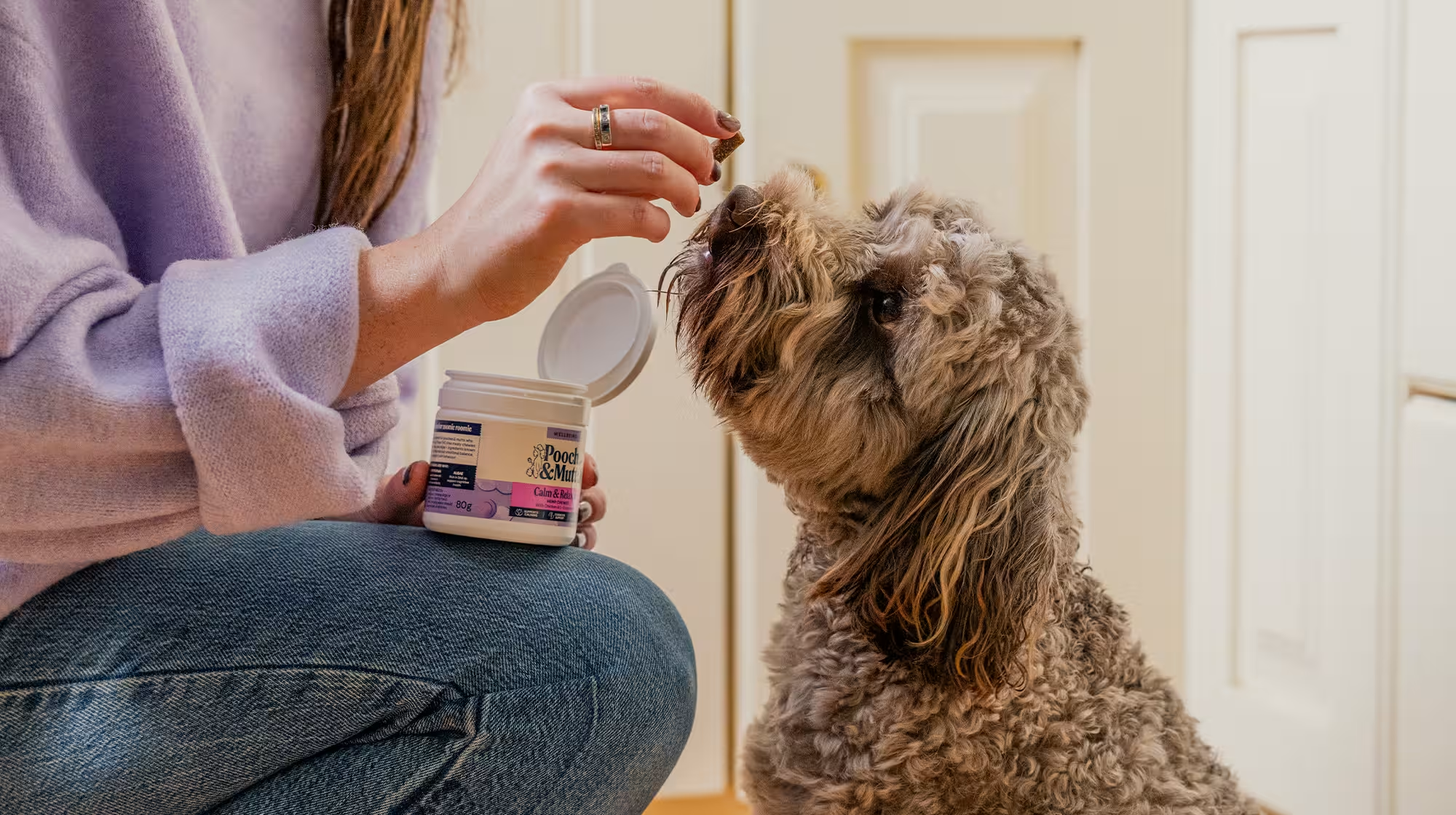
What is the gut-brain axis?
This direct link between your dog’s gut and their mood, behaviour, and overall brain function is often referred to as the gut-brain axis. This highlights the communication between the two - and how they constantly impact each other in a somewhat ‘cause and effect’ cycle.
For example, it’s common knowledge that when you first bring your puppy home at 8 weeks, their poops will change. Where they might have been normal and firm whilst they resided with their mother and litter mates, they may suddenly appear runny as soon as they come home with you.
This can be put down to going from their mother’s milk to food, or a change in food altogether. It can also be down to the gut-brain axis.
The change in environment and location, as well as being taken away from familiar surroundings, not only impacts their microbial diversity but often causes stress and anxiety, and vice versa. This then impacts their gut health and the state of their poops.
How do you know if your dog has dysbiosis?
Whilst dysbiosis can manifest as a long list of symptoms, the only way to indicate or rule out dysbiosis in dogs is with a Gut Health Test.
The gut health testing process here at Pooch & Mutt starts by testing a sample of their poo. Testing their poo gives us an insight into what bacteria are living, or what should be living, in the gut.
The analysis is then pulled together into a Gut Health Test Report that outlines the health of their microbiome, their gut. We also provide a completely tailored diet and gut supplement plan, backed by science, to help them get things back on track.
Signs and symptoms of stress and anxiety in dogs
As dog owners, keeping them happy is our main priority. And since they can’t directly tell us if their gut’s causing them problems - if their microbiome is unbalanced, or even if they’re struggling with feelings of stress and anxiety, we have to look out for the signs. So, what are some common signs of stress and anxiety in dogs?
Body language. Dogs experiencing stress and anxiety will display that tells us that they’re feeling particularly uncomfortable and on guard. Certain body language you should look out for includes excessive panting, pinned back ears, a tucked tail, shaking, and showing the whites of their eyes.
Excessive barking and whining. Dogs who are stressed and anxious will whine and bark more than usual. The barking isn’t regular, attention-grabbing barking, but more erratic, loud, and constant.
Destructive behaviour. Stress and anxiety in dogs can sometimes manifest themselves as destructive behaviour. This may include chewing, ripping, and gnawing at toys - or other things they shouldn’t.
Heightened aggression. Stressed and anxious dogs will be more on guard and protective of their space. This may make them growl, snap, and display aggression.
Issues with digestion and poos. And of course, as we’ve already explored, gut issues and runny poos are also other symptoms of stress and anxiety in dogs. Stress and anxiety can impact your dog’s microbiome and thus their gut health, and vice versa.
What are other causes of stress and anxiety in dogs?
Whilst dysbiosis is a common contributor to long-term stress and anxiety in dogs, it can be caused or exacerbated by other factors.
Other things that can trigger stress and anxiety in dogs include:
Changes in the environment, like moving house
Traumatic events
Changes in routine, like owners going back to work, or family going back to school
Separation anxiety
Sudden, loud noises
Strangers or other dogs
Breed and genetics
How to treat stress and anxiety in dogs
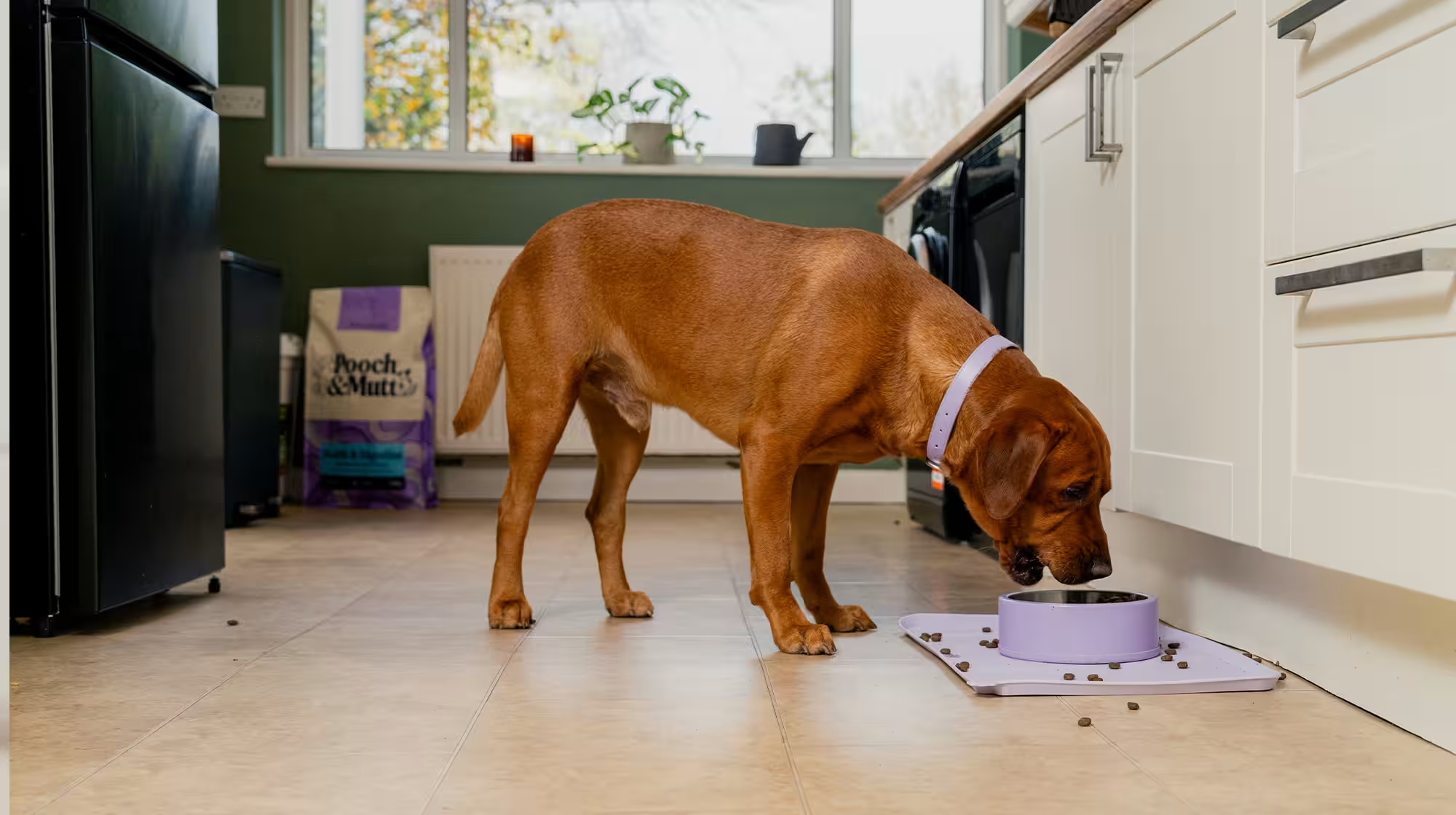
Whilst perfecting and adapting their diet to help get their microbiome back on track is step one after a dysbiosis diagnosis, there are many other things you can do to tackle external causes of stress and anxiety in dogs - to help them feel calmer and confident.
Desensitisation and socialisation training. This could be working with a training professional to help find the direct cause and tackle stress and anxiety.
Calming supplements & dietary changes. There are certain dog-safe ingredients Here at Pooch & Mutt, we cater to every kind of pooch. For those struggling with stress, anxiety and hyperactivity, full of naturally calming ingredients, can help bring them down a notch and get them feeling calmer and happier. Plus, fish is known to be excellent for brain function, so is the perfect addition for supporting the Gut-Brain axis.
Adapting their lifestyle and creating positive experiences. Being a good dog owner means getting to know your dog and knowing how they tick. Alongside training and supplements, you can adapt their lifestyle to allow them to be more in control of the situation, and set a precedent by creating positive experiences where they can win.
What natural superfoods help anxiety in dogs?
Diet plays such a huge role in your dog's overall health and wellbeing, and not just for filling rumbly tums and fuelling energy. As we've seen, it's directly linked to their gut health, including their neurological health too.
Where there are certain foods that specifically target their gut health, there's a couple that can help do wonders for reducing their levels of stress and anxiety, and upping the calm.
Naturally calming foods for dogs include:
Turkey and Chicken naturally contains L-tryptophan, an amino acid that's essential in the production of seortonin. This is why Turkey remains as one of our Calming Range's main ingredient, especially for our Calm & Relaxed wet and dry food.
Chamomile, Lavender, and Valerian Root are all herbs known for their relaxing properties. They're also a natural sedative, meaning it can help your pooch to fully chill. But don't worry, it's not enough to knock them out, just enough to increase their levels of zen.
Hemp is derived from the Cannabis sativa plant, but doesn't make your dog 'high'. Instead, it's loved for being nutrient rich and great for gut health, which of course then promotes their neurological health. CBD derived from hemp also has calming effects, and is a common reach for times of heightened anxiety for dogs, like fireworks night. Explore all the benefits of hemp here!
Pumpkin & Sweet Potato are often recommended for dogs with sensitive tums as they're very easy to digest. Being so easy to digest, they're great for maintaining blood sugar levels. Spikes in blood sugar have been known to contribute to hyperactivity, and increased levels of anxiety.
As always with introducing new foods, be sure to contact your vet first and introduce it slowly and gradually.
Calming Range
-

 from
fromCurrent price: £8.49
Calm & Relaxed Dry Food -

 from
fromCurrent price: £1.99
Calm & Relaxed Complete Wet Food -

 from
fromCurrent price: £3.99
Calming Dental Sticks For Dogs -

 from
fromCurrent price: £3.99
Calming Postbiotic Meaty Treats -

 from
fromCurrent price: £4.99
Calming Fish Hide Chews -

 from
fromCurrent price: £5.99
Calm & Relaxed Bone Broth -

 from
fromCurrent price: £19.99
Hemp Chewies -

 from
fromCurrent price: £41.49
The Calm & Relaxed Bundle
A Gut Health Test for your dog is the first step in truly getting to know more about your dog’s gut health, and helping their overall wellbeing.
Find out more about Pooch & Mutt’s Gut Health Test and what exactly it can do for your dog. Any questions, whether about their gut health or how to perfect their diet, reach out to our expert Pooch & Mutt team.
References:
(1) Frontiers in Veterinary Science -The Role of the Canine Gut Microbiome and Metabolome in Health and Gastrointestinal Disease
FAQs
Can gut issues cause anxiety in dogs?
Gut issues hold a significant weight in the development of things like anxiety.
90% of their serotonin, the hormone that helps create feelings of happiness, are produced within the gut. So if their gut health isn't great, whether that's down to their microbiome or physical gut health, they're not in the best state to produce the serotonin they need to feel good! This leaves room for more feelings of stress and anxiety.
Whilst anxiety can be caused by many things, some environmental, tackling their gut health could be a great first step into bettering their mental health.
How do I restore my dog's gut health naturally?
The best way to restore your dog's gut health naturally is through an adapted diet and targeted supplements.
There are plenty of natural, dog-safe superfoods out there, some that are full of natural Probiotics and Prebiotics, that help benefit their gut health.
Kefir, in particular, is rich in live probiotic cultures and is gold dust for restoring balance to their gut. Healthy fruits, vegetables, and high quality, lean protein is also good for providing the right nutrients, and maintaining good gut health.
Or, you can focus on providing dog food that utilises many of these superfoods, and specifically targets healthy digestion and gut health. This might look like dog foods with simple recipes, aimed at helping gastrointestinal or sensitivity issues, or dog food that is simply high-quality and complete.
To further target their gut health, you could add everyday, gut health supplements alongside their diet. These provide concentrated doses of natural ingredients that are known to specifically affect and improve their gut health.
For diet and supplements to efficiently restore your dog's gut health, it's best to start with a Gut Health Test. This will show exactly what their gut bacteria needs to get back on track, so you can pick their supplements strategically, and based on what they actually need.
What is the best dog food for gut health?
While there is not one specific food that can be recommended to every dog, Pooch & Mutt manufactures a whole host of gut-healthy diets. Some great options include their Health & Digestion, Sensitivity, and Gastrointestinal Foods. If you’re looking for a treat, the fish probiotic treats are a lovely option. Plus, lots of fruits and veggies out there act as natural, gut-supporting superfoods.
How to reduce gut inflammation in dogs naturally?
Restoring your dog's gut health, and reducing inflammation that comes with it, starts with a complete, healthy diet. The right natural superfoods, vitamins, minerals, and pre and probiotics help not only balance their gut microbiome, but helps get the gut fighting fit. This will help strengthen and heal their gut lining, reduce leaky gut syndrome, and of course, help reduce inflammation.
Alongside diet, supplements and gut healthy foods can be great, concentrated add ons that particularly focus on bettering their gut health and getting them on the road to recovery. A dollop of Kefir for example, alongside their food, can work wonders for their gut health, thanks to it being rich in live cultures. But as always, before feeding your dog something new, speak to your vet first and introduce it to them gradually over time.
What’s the best thing for a dog's gut health?
The easiest way to help perfect your dog’s gut health is through diet, supplements and gut health superfoods.
Natural, high-quality ingredients, as well as pre, pro, and postbiotics, can not only help reverse microbial imbalance, but help relieve pesky symptoms they just can’t seem to kick (like constant itching). However, it’s important to remember that any diet changes you make should be done slowly and gradually. A sudden change in your dog’s diet could actually make things worse.
When it comes to supplements, we always recommend basing them on your dog’s individual needs.
For example, dogs with a gut imbalance may not have the right level of bacteria in their gut to absorb the right vitamins, nutrients, and minerals from supplements. So all that goodness they should provide will pass right through their system and come out as waste (yep, their poop!).
This would make the other best action a Gut Health Test for your dog, as it helps to identify exactly what they need to set them on the right track.
This post was originally published in July 2025, but has been updated for comprehensiveness.


