


Key Takeaways:
- Yes, everything from the weather, climate, flora, and fauna that a dog will experience in each country, city, and environment, as well as the critters they come across and even the household they live in can impact their gut health. This is thanks to the different types and levels of bacteria that they pick up as they go about their lives.
- The people they live with, how many people they live with, whether they live with children or other pets will also have an impact on the bacteria in their gut.
- The ecosystem of bacteria in your dog's gut (their microbiome) is the epicentre of the overall health and wellness. When it's delicate balance is knocked by environmental factors, it can cause a long list of symptoms. This makes investigating their gut health the best first step in getting their health back on track.
Did you know the ecosystem of bacteria that lives in your dog's gut (their microbiome) supports the majority of your dog’s main bodily processes, including the ones that help keep them alive and kicking?
This makes maintaining the health and state of their gut microbiome an absolute imperative when caring for your dog. The health of your dog and their gut microbiome relies on the balance and diversity of the bacteria that live within it.
Unfortunately, this balance is delicate and can be knocked by a long list of factors, many of which are out of our control. One surprising factor that can impact the diversity of your dog’s gut microbiome is actually where they live - from the part of the world they're in, right down to their home.
With guidance from our Head of Microbiology, Dr Bushra Abu-Helil we've delved into exactly how your dog’s environment impacts their microbiome, how you can investigate whether your dog is suffering from a bacterial imbalance, and what you can do to kick off their journey to great gut health.
How does your dog’s environment impact their gut?
So, where your dog lives actually impacts something like their gut, and the bacteria that live within it? Yes! Not only does the part of the world you live in affect your dog’s gut, but their environment, their home life, and their lifestyle too.
For example: If we were to test the ecosystem of gut bacteria (the microbiome) of two dogs that shared the same breed, weight, size and lifestyle, but one lived in Australia and one lived in the UK, their results would look extremely different!
The weather, climate, flora, and fauna the dog will experience in each country will differ, as well as the critters they come across and the poop, tracks and carcasses they leave behind.
As the dog goes for walks, runs on the beach, and generally goes about their daily life, they’ll pick up different bacteria, meaning, in effect, their microbial diversity will differ.
And it may be that a dog who lives in Australia has better microbial diversity than one that lives in the UK, or vice versa. But it even goes further than that!
If there were two dogs of the same breed that both lived in the UK, but one lived in the city and one lived in the country, they’d also have different levels of exposure to various types of bacteria.
For instance, the dog who lives more rurally may come across bacteria that live in sheep poo or natural streams of water. This is going to make for a different microbial community than the dog that lives in the city.
Even the change of the seasons can have a impact on their gut health throughout the year. Dr Bushra states:
"In the winter dogs tend to have the lowest resilience and we see a gradual improvement as we head to warmer months with summer seeing some of the highest diversity scores. We believe this to be the case for two reasons. One, in the winter dogs naturally have a slightly weaker immune system meaning they need a lot more support from their microbiome. And two, there's a lot more microbial environmental exposure in summer as people tend to take their dogs on longer, different walks, and even on holiday! Also, there's more wildlife visiting gardens (e.g. migratory birds, animals not hibernating) that shed bacteria that the dogs can then pick up, enriching their own internal ecosystem!"
But before you start packing up your life to move to the outback or cancelling that holiday to better your dog’s health, the first step towards helping your dog’s microbiome and gut is investigating their bacterial diversity - finding out how to adapt and help get things back on track.

How does your dog’s home and lifestyle impact their gut?
It isn’t just the country or city in which your dog lives, but also who they live with inside the home.
If your dog lives with other dogs or other pets, this will also impact the diversity of bacteria living in their gut microbiome, due to the bacteria that they pass to each other. The same can be said for whether they live with a fuller household or with children.
Not only who they live with, but also how they live, will also impact their bacterial community. A dog who lives a more active lifestyle and spends more time outside will have more exposure to different bacteria than one that prefers to stay at home. The same can be said for dogs who often visit the groomers or day care. The list goes on! Even you can have an impact on your dog's gut health and microbiome. Dr Bushra tells us that the longer we live with our pooches, the more we have in common when it comes to our gut microbiomes! (1) This is thanks to the constant transfer of data that comes from sharing a home or sleeping in the same bed as them. Whilst this can mean the sharing of beneficial bacteria, it can also mean that our own gut health issues can also be passed to our dogs. For example, if someone in their house suffers from antibiotic resistance, where the bacteria in their gut as adapted to fight back on the effects of antibiotics, this can then spread to your dog. Meaning, when they come to have antibiotics to fight infection, they might not work as well.
In summary, we can never assume our dog’s gut microbiome and gut health wouldn’t benefit from intervention, whether they’re displaying symptoms or not.
What is a dog's gut health so important?
In a nutshell, the microscopic ecosystem of bacteria that lives within their gut, (their gut microbiome) holds a lot of responsibility for not only the health of their gut, but their overall health and wellness.
When their gut microbiome is healthy, it can efficiently work its magic and keep your pooch at the top of their game. When it's not, it can cause all kinds of trouble.
In a healthy microbiome, the bacteria are of varying species but are in equal proportion to each other.
They work hard to support the function and strength of key processes within your dog’s body, such as:
Digestion, including the breaking down of food and the absorption of key nutrients, vitamins, and minerals
Immunity
Overall gut health
Skin and coat health
Joint and mobility health
Heart health
Brain function and behaviour
When the bacterial diversity of your dog’s gut microbiome is rich and balanced, it can efficiently support the smooth functioning of these processes and contribute to the optimal health, wellbeing and longevity of your dog.
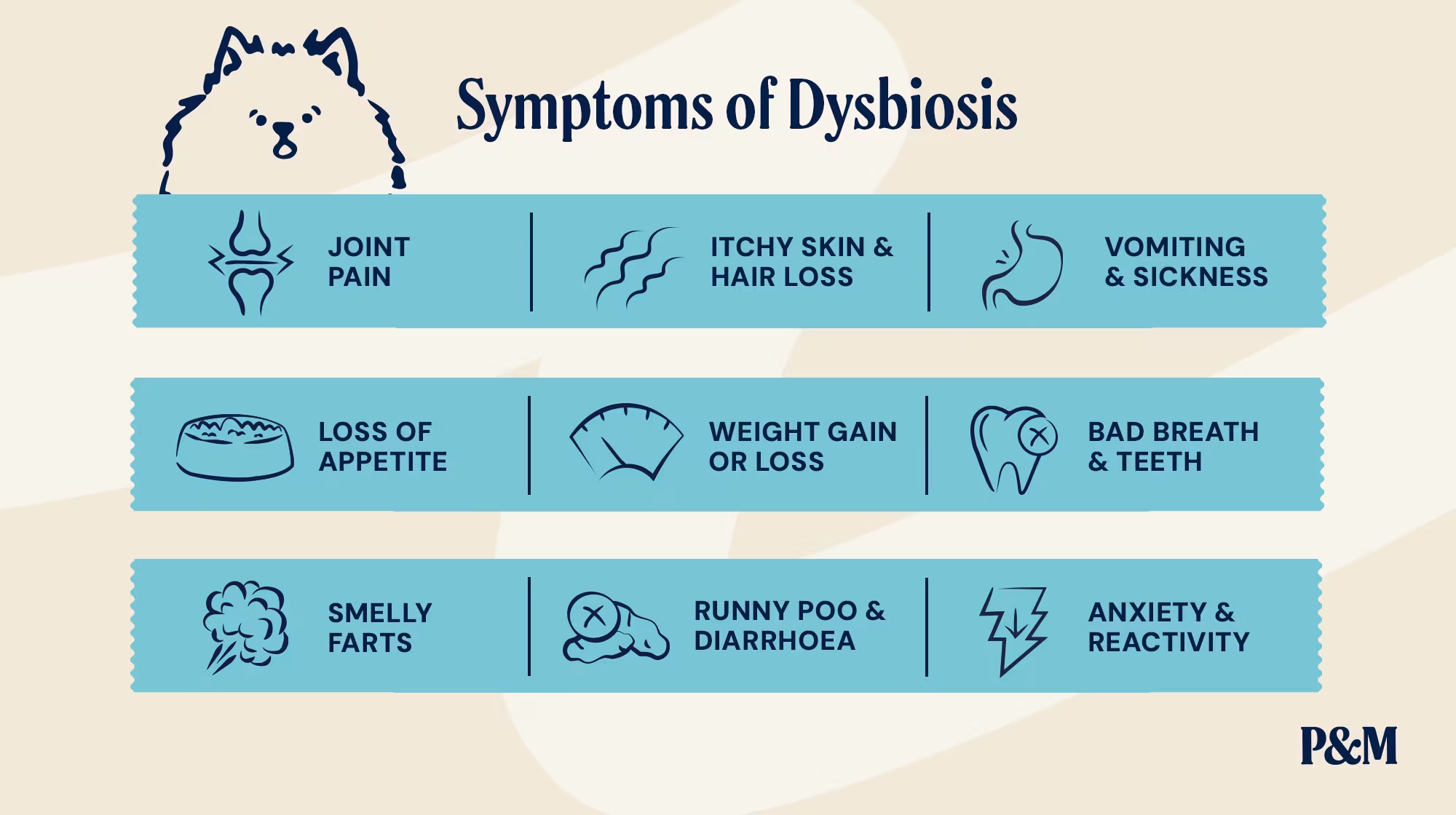
When it’s unbalanced, or in other words, suffering from dysbiosis, this means these processes are disrupted, and can lead to inflammation of the gut, the rest of the body and a long list of symptoms and health issues. These can include:
Diarrhoea
Vomiting
Lack of appetite
Weight struggles
Behaviour struggles
Joint issues
Hair loss and skin irritation
Just to name a few. And sometimes, to make things even more confusing, dysbiosis won’t trigger any symptoms at all!
What are the other impacting factors on your dog’s gut?
Your dog’s environment and lifestyle aren’t the only factors that can impact the diversity of the microbiome, and potentially lead to an imbalance (dysbiosis).
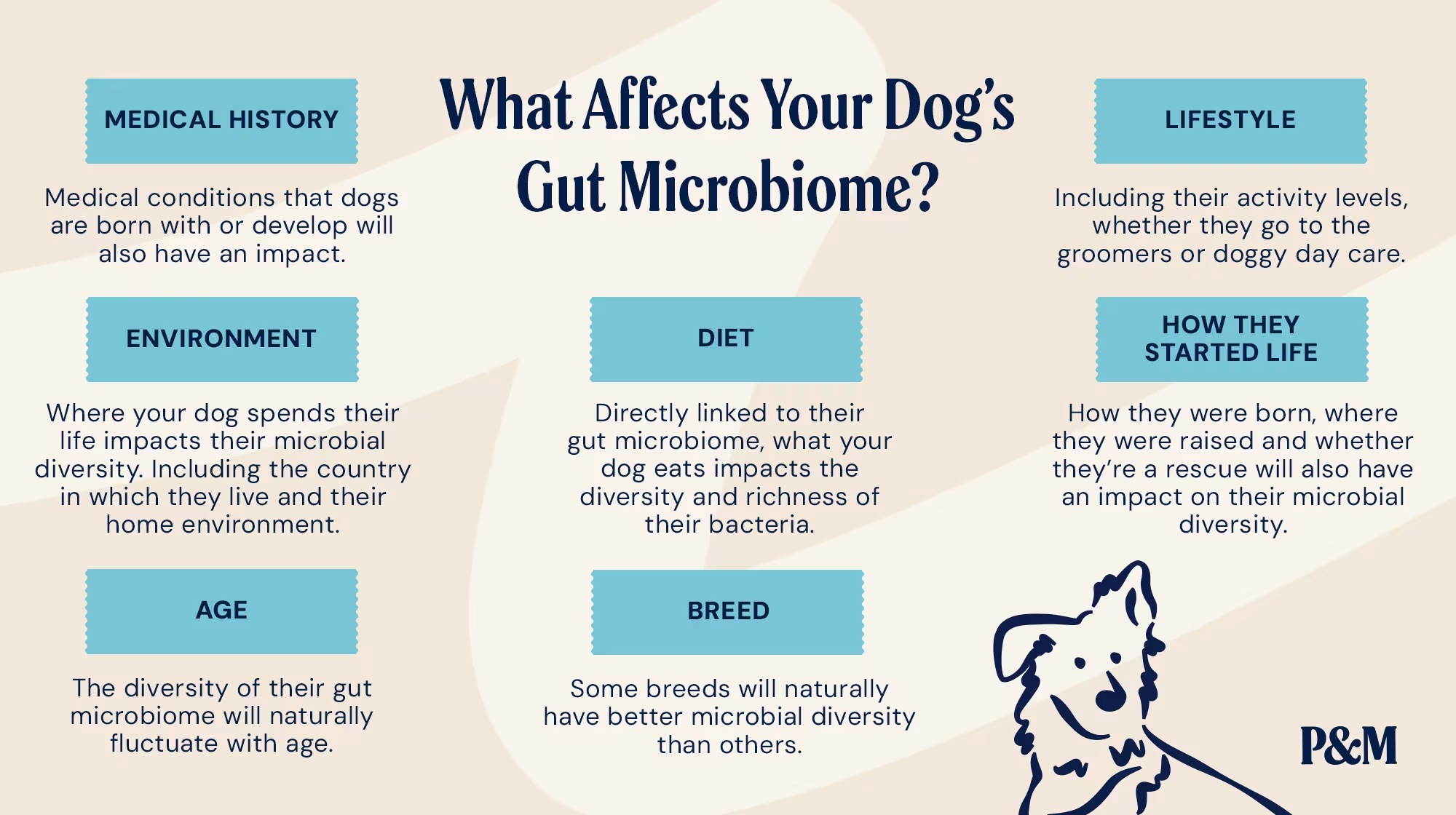
Other impacting factors include:
Their start in life. The development of their microbiome starts from birth and how they were brought into the world. Also, the time they spent with their mother or where they came from (adopted from overseas or rescued) impacts their microbial diversity and can impact them in later life.
Their age. The diversity of their microbiome naturally fluctuates as the dog ages. As they reach senior age, the diversity will naturally decline. This makes paying particular attention to your senior dog’s gut health and microbiome very important for their health and wellbeing.
Their medical history. If your dog has, or does, suffer from a medical condition, this also can impact their microbial diversity. This is especially the case if they’ve experienced bacterial infections or their immune system has had to work overtime to fight off harmful bacteria. Intestinal worms and parasites can also knock their gut, and would benefit from a post-treatment plan, to get them back on track.
Their medication. Medication and treatment can also impact your dog’s microbiome, particularly antibiotics. Where antibiotics do help to fight off harmful bacteria, they kill off the beneficial stuff too. With that in mind, dogs who are, or have been, on antibiotics would benefit from extra help via Gut Health Supplements.
Learn more about the effects of antibiotics in our article 'How antibiotics affect your dog's gut health'.
How do you know if your dog has dysbiosis?
Dysbiosis can lead to a number of symptoms that can urge you to investigate your dog’s gut health, but often dogs won’t show any symptoms at all. With so many internal and external factors that have the potential to knock everything off balance, every dog would benefit from an exploration of their gut microbiome.
The best way to view the health of your dog’s gut microbiome is with a Gut Health Test. And this is where Pooch and Mutt can help!
Backed by science, a Pooch & Mutt Gut Health Test starts with us sending you everything you need to collect a poo sample from your dog, and then post it to our lab.
Then, armed with information about your pooch like age, breed, medical history, environment and lifestyle, we can gain an insight into the bacteria living inside the microbiome, and how it impacts your dog’s overall health. With this, we can provide a completely tailored diet and scientifically-proven supplement plan, so you can help your dog target problem areas and get them back on track!


Gut Health Test
Get your results in 4 weeks, with our quick and easy, at-home Gut Health Test for dogs. One simple poo sample, analysed by our microbiologists, and you’ll get personalised recommendations to help your dog thrive.
*Discount codes can't be redeemed on this item.
-
91% of customers saw improved gut health
-
Science backed gut health insights
-
Online report including key health indicators
Original price: £69.99
Current price: £34.99
How is dysbiosis treated?
The best way to treat dysbiosis and the symptoms it causes is by adapting your dog’s diet and, additionally, gut-supporting supplements. Our range of Gut Health Supplements contains natural ingredients that support overall wellbeing, as well as vitamins, minerals, and a range of pre, pro, and postbiotics that work to support and encourage balanced microbial diversity and great gut health.
You can find out whether your dog is suffering from dysbiosis in just a matter of weeks with a Gut Health Test. By accessing your tailored diet and supplement plan, you're cutting out the guesswork, multiple vet trips, and are taking the right steps in getting your dog feeling like their best self again. Explore more about the gut microbiome and gut health, and in the meantime, reach out to our expert team with any questions.
References:
(1) PubMed Central: Cohabiting family members share microbiota with one another and with their dogs
This post was originally published in August 2025, but has been updated for comprehensiveness.


