


Key Takeaways:
- An unbalanced microbiome is referred to as dysbiosis, and means that the delicate balance of bacteria within their gut microbiome has become unbalanced. This means the functions in which the gut microbiome is responsible for can't function as it should.
- Dysbiosis can show itself as a number of symptoms including loose stools, loss of appetite, skin irritation and allergy symptoms, smelly farts, or can have no symptoms at all.
- The best way to rule out dysbiosis as a root cause of your dog's symptoms is to perform a Gut Health Test for your dog.
The ecosystem of bacteria that live within your dog's gut (or the gut microbiome) is known to be the epicentre of your dog’s body, having an impact on many crucial processes in the body, your dog’s gut health and their overall health and wellbeing.
A healthy dog’s gut microbiome is rich and balanced - this means the bacterial ecosystem that lives within the gut is full of bacteria of varying species, that are all in proportion to each other. In other words, not one bacterium has become overgrown, and each species can play its role and allow bodily processes to function as they should.
However, when the balance is knocked off course, or in a state of dysbiosis, the bacteria are not able to properly support these functions, leading to a number of common, yet detrimental, symptoms for your dog. That said, sometimes a dog who has an unbalanced gut microbiome can have no symptoms at all!
Alongside our Head of Microbiology, Dr Bushra Schuitemaker, we've explore how to tell if our dog’s gut microbiome is healthy or not, and how we know when the time is to intervene and prevent any further symptoms and damage.
What is dysbiosis?
Dysbiosis is scientific name given to an imbalance of bacteria within the gut microbiome.
This is where certain species and bacterium are lacking or have overgrown, tipping the balance one way.
As Dr Bushra's analogy states, a healthy microbiome is like a forest rich with trees, trees that are varying in species but in equal proportion.
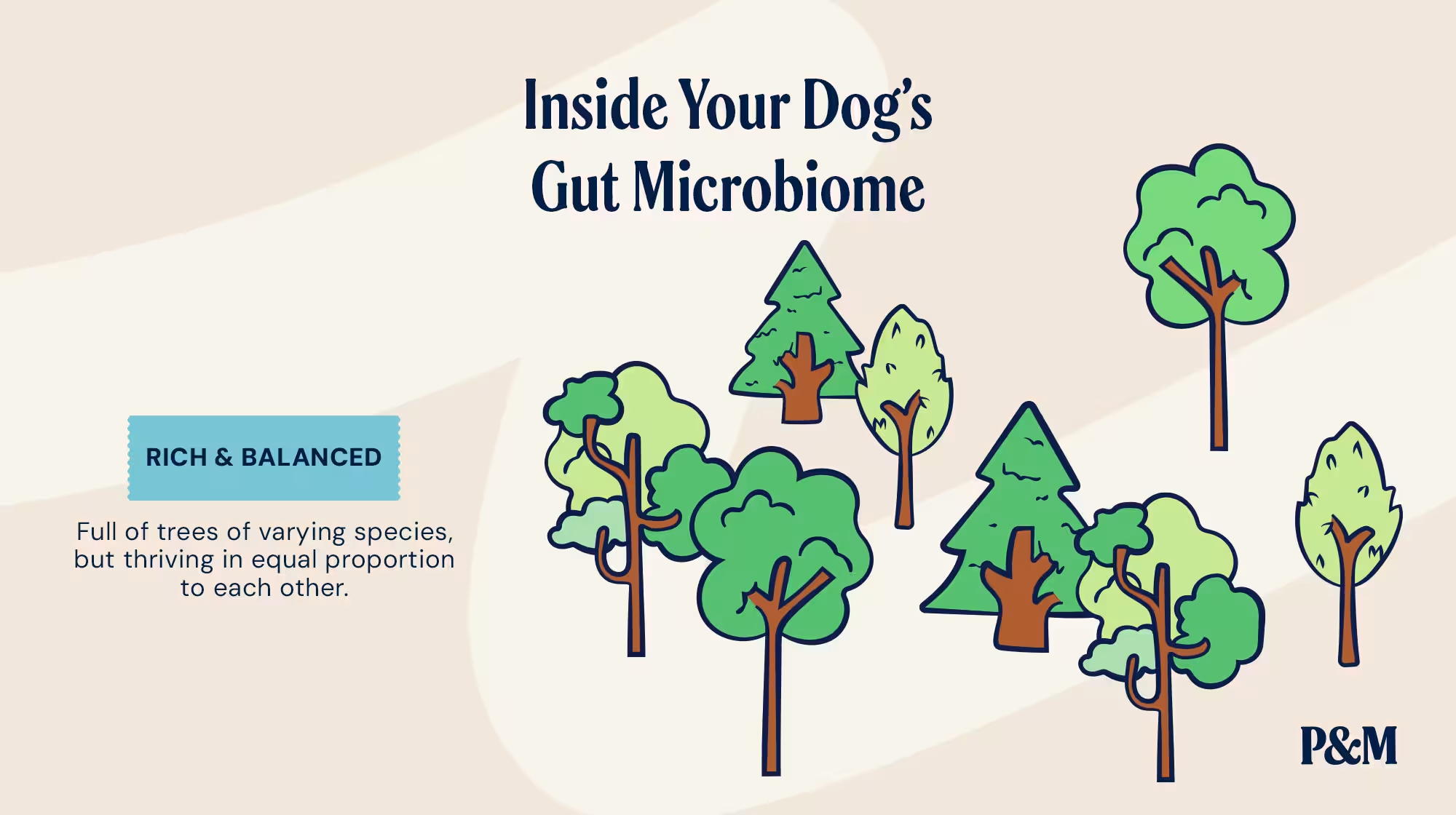
If there's suddenly more Oak trees than Fir and Sycamore Trees, then the equilibrium is knocked!
In order for the gut microbiome to successfully support the body, it needs to be rich, varied, and balanced. Anything outside of this, means it can't support the body, and its functions, as it should, and leaves space for pesky symptoms to develop.
What are the signs and symptoms of dysbiosis in dogs?
Many of the common symptoms of an unbalanced gut microbiome, or dysbiosis, are what dog owners often recognise as common ailments that most dogs will suffer from at some point. This is often done without even considering that their gut may be to blame. When the gut microbiome is knocked out of balance, your dog can suffer from the following:
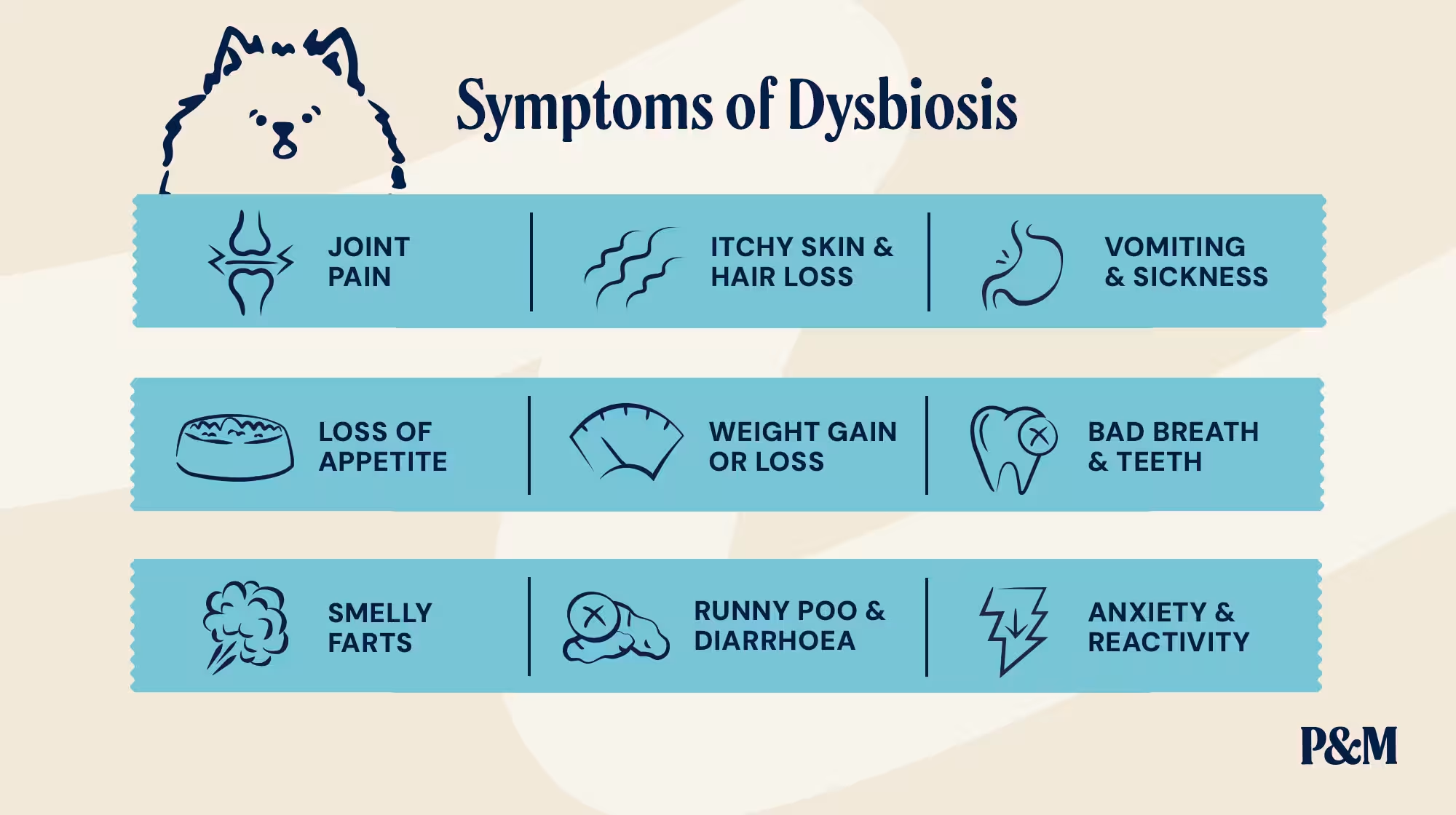
Runny poos and diarrhoea
General bad gut health
Loss of appetite
Skin irritation and allergy symptoms
Hair loss
Bad breath
Smelly farts
Weight loss or weight gain
Joint pain
Changes in behaviour or nervousness, anxiety, and reactivity
These symptoms aren’t always a result of dysbiosis, and can instead be signs of underlying health conditions. Investigating your dog’s gut health and microbiome is the only way to diagnose dysbiosis and properly tailor the next steps. If you’re worried about any of these persistent symptoms, be sure to contact your vet.
How do you find out if symptoms are caused by dysbiosis?
The best way to investigate your dog’s microbiome, and in turn their gut health, is to conduct a dog Gut Health Test.
A Gut Health Test for your dog includes testing a sample of their poop, to get a snapshot of the bacteria that lives in their gut.
Not only that - their breed, age, lifestyle, diet and medical history are taken into account to get an accurate representation of their microbiome and gut health. It also helps you get a look at what your dog needs in their diet to get them back on track.
My dog doesn’t have any symptoms - could they still have dysbiosis?
Yes absolutely.
Dogs who have an unbalanced microbiome don’t always display symptoms.
Since it’s tucked away inside your dog, an unbalanced gut microbiome can often go overlooked, especially when your dog otherwise seems happy and healthy!
But with so many factors able to impact the gut microbiome, many of which are natural and out of our control, as dog owners, we can never assume that everything’s working as it should.
How can my dog have an unhealthy microbiome without symptoms?
We can change their diet and even some aspects of their lifestyle, but many of the other factors, including those to do with the host, and external and environmental considerations, we can’t. And often, these are the ones that weigh in the most.
What factors can impact the balance of my dog’s gut microbiome?
Just some of the impacting factors that can affect the diversity of your dog’s gut microbiome include:
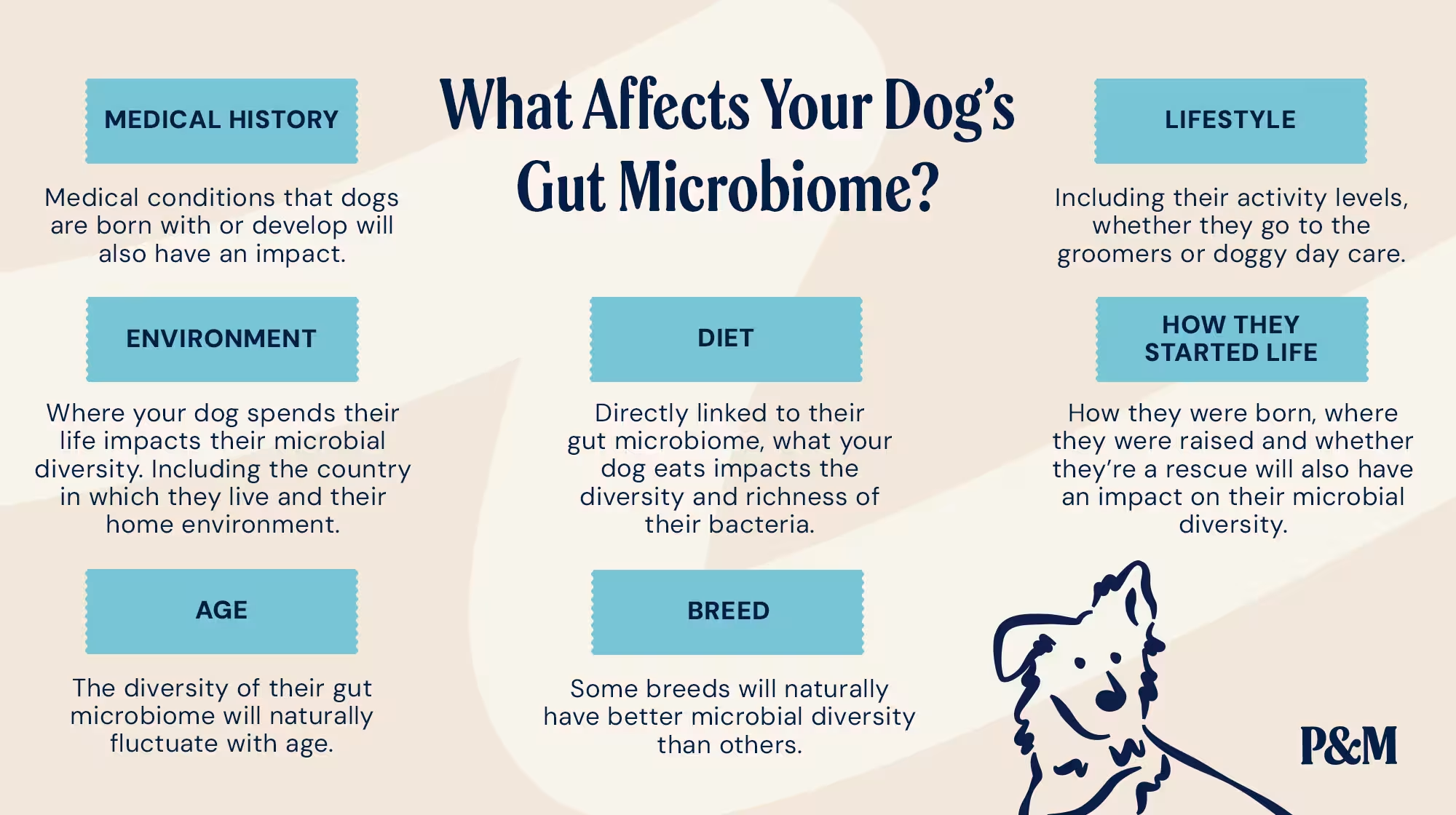
Age. The diversity and health of your dog’s gut microbiome change naturally as they grow. Even the gut microbiome of a healthy dog will naturally decline as they get older. A puppy’s microbiome is going to look very different to that of an adult or senior dog, and this needs to be taken into account when looking at diet and approach.
Breed. Some breeds will sometimes have better or worse microbial diversity than others due to how they’ve evolved, meaning each breed will require a different approach to achieve balance. For example, spitz-breeds (Akita, Husky, etc.) have evolved on high-protein diets, so their bodies are better at digesting protein but not fibre. This means they would benefit from more fibre-degrading bacteria, as their bodies can already do a pretty decent job at degrading protein.
Medical history. Medical conditions that dogs are born with or develop as they grow will also impact their microbiome diversity. Obesity, or if they’ve been on a course of antibiotics, for example. Particularly, if dogs previously had Giardia, this can have a long-lasting effect on their gut health and microbiome.
Their start in life. The birthing process and how your dog started their life can also impact their microbiome. This means whether your dog was a rescue, a street dog from overseas, or even born via caesarean section can impact their microbiome diversity and impact them later in life.
Genetic history. Dogs get a lot of their microbiota from their mothers, and whether good or bad, it’s passed onto them. Plus, any issues their parents may have, whether that’s health or behavioural concerns, can be inherited by the litter.
Environment & lifestyle. Where your dog lives and how they live also impact the diversity of their microbiome. Depending on whether you live in a rural area or in the suburbs, live with other dogs or even small children, it will impact their microbiome diversity.
Dr Bushra tells us:
Studies have also shown that a dog’s microbial diversity can even change according to the season. For example, in summer, we generally see slightly higher richness in dog microbiomes. This could be down to a multitude of reasons, including better weather leading to more varied walks, and a better chance of being exposed to different bacteria.
Plus, in the summer, there is a different variety of birds, insects and animals on the prowl, which also leaves opportunities for your dog to come into contact with different bacteria.
With so many factors able to infiltrate your dog’s gut microbiome’s diversity, there are many opportunities for dysbiosis to take hold, and for inflammation and worsened symptoms to follow. With all that said, prevention and maintenance are key when it comes to looking after your dog’s health.
Even if your dog isn’t showing symptoms now, they might later down the line. So, tailoring their diet and making sure it’s benefiting their needs is crucial in helping them live a long and happy life.
Case study: Pablo the Cockapoo’s Gut Health Test
Pablo is an adult Cockapoo who took part in a Gut Health Test. Before taking the test, we asked Pablo’s owner what he thought the test would highlight.
Pablo’s owner said:
“I really don’t think Pablo’s gut health report will show anything unexpected. Pablo doesn’t, and has never really had any issues with his poo or skin - and is more or less completely healthy. I assume the gut health test report will reflect the same, especially since I’ve not been concerned about symptoms and his gut health as of yet!”
When Pablo’s report came back, his owner was able to read his InvisibleHealth Score. This takes into account the dog’s individual characteristics and declared existing health conditions, combining them with the retrieved level of microbiome diversity.
Despite not showing any concerning symptoms, Pablo’s Invisible Health Score was low, and it was discovered his gut wasn’t performing as it should to support Pablo’s overall health and wellbeing.
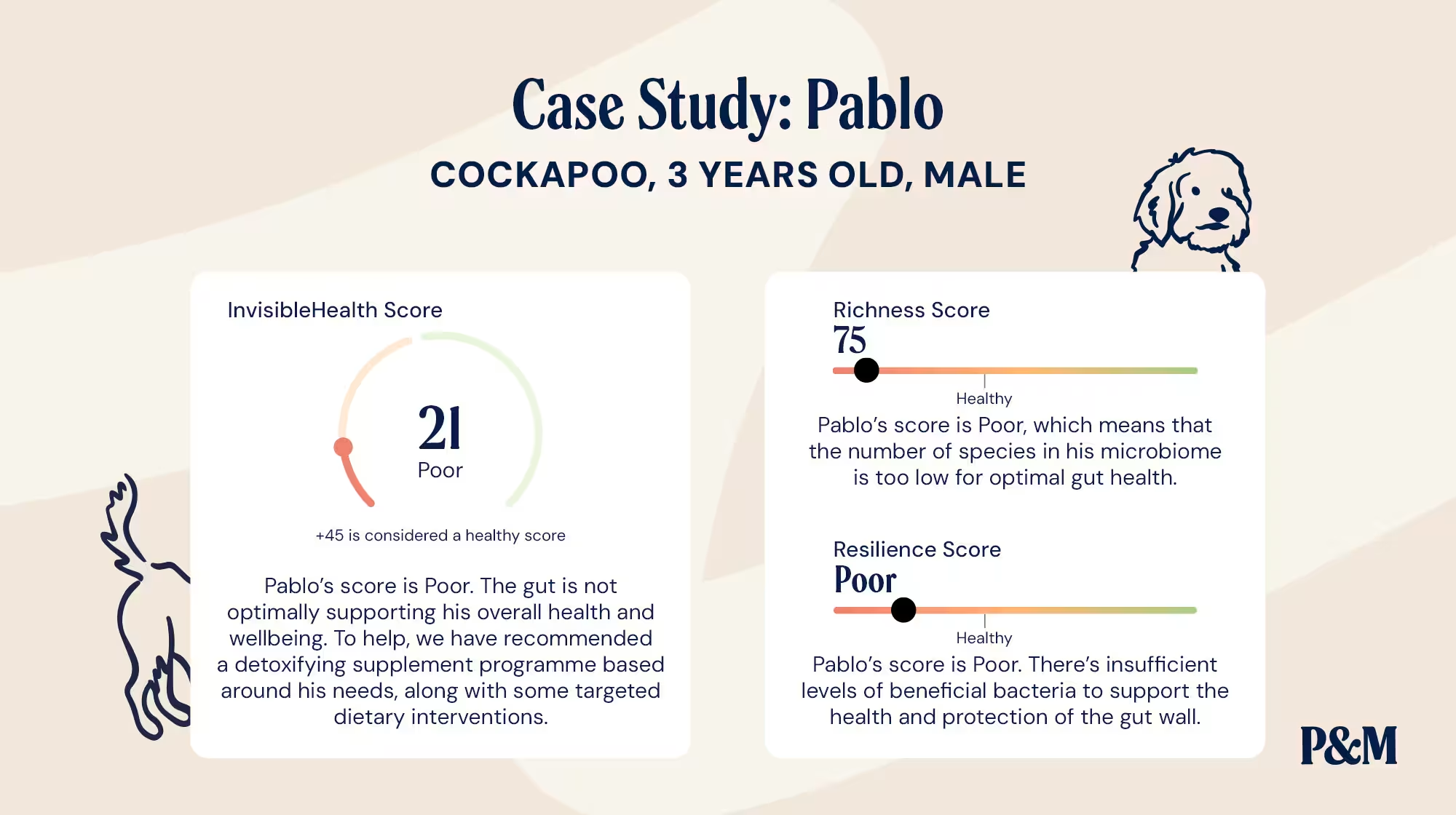
In particular, it found the richness of Pablo’s gut microbiome was slightly lower than average.
This means the variety of bacterial species wasn’t where it should be, and there was possibly an overgrowth of certain bacteria. Alongside that, his resilience was low, meaning his gut was lacking the bacteria needed to protect his gut, support its function, and bounce back after illness or meds.
Due to the imbalance of Pablo’s gut microbiome, some of the other vital functions like the digestion of carbohydrates, fibre, fats, and protein, as well as vitamin and mineral absorption, were impacted and flagged.
This indicates that whilst Pablo has no symptoms now, this may cause problems later down the line.
For more Gut Health case studies, explore Benson's story.
Your dog has dysbiosis: What are the next steps?
If you’ve recently discovered that your dog’s gut microbiome isn’t performing as it should and potentially impacting their health, there’s no time like the present to take action. And the best way to do so is through their diet.
A Gut Health Test will reveal what your dog needs in their diet to improve their health, and get their gut microbiome back on track. Not only can you do this through their food and added natural, dog-friendly superfoods, but also through a course of supplements that will clear out, rebuild and balance their gut microbiome diversity. Basically starting from scratch and rebuilding from the ground up.
Here at Pooch & Mutt, not only do we offer a comprehensive dog Gut Health Test, but a course of supplements strictly tailored to your dog’s results. These, alongside their diet, will help get their microbiome and gut health back on course.
Keeping your dog happy and healthy from the inside out starts with their diet! Pooch & Mutt prioritise using natural and functional ingredients and supplements that are suited to your dog’s needs.
A dog Gut Health Test is the first step towards knowing exactly what that diet should be like, helping your dog truly live their best life. Want to know more? Contact our expert Pooch & Mutt team with any questions or queries, or find out more about gut health and what we can do to help.


Gut Health Test
Get your results in 4 weeks, with our quick and easy, at-home Gut Health Test for dogs. One simple poo sample, analysed by our microbiologists, and you’ll get personalised recommendations to help your dog thrive.
*Discount codes can't be redeemed on this item.
-
91% of customers saw improved gut health
-
Science backed gut health insights
-
Online report including key health indicators
Current price: £48.99
Original price: £69.99
Gut Health Test
FAQs
How to cure dysbiosis in dogs?
Curing dysbiosis on dogs means helping restore balance to the bacteria within the gut microbiome identified by a Gut Health Test Kit for dogs.
The best way to help restore balance to their gut, and help alleviate the symptoms that come with it, is to adapt their diet to specifically target their gut health. This means focusing on a complete, healthy diet full of high quality, lean proteins, and natural superfoods, as well as lots of pre, pro, and postbiotics.
For extra support, introducing everyday gut health supplements add a dose of goodness that particularly focuses on restoring balance to the gut, feeding beneficial bacteria, and help alleviate pesky symptoms caused by dysbiosis.
How long does it take to correct dysbiosis?
This will differ dog to dog, depending on things like their breed, age, or even the severity of their imbalance. But, after conducting a Gut Health Test and adapting their diet and actioning their recommended supplement plan, we recommend to assess the effects in 6 months. This gives your dog's gut time to adjust, settle, and thrive.
This is where we would recommend retesting your dog's gut health to see what different their supplements and adapted diet have made, and map out their next steps.
How do I restore my dog's gut health naturally?
The best way to restore your dog's gut health naturally is through an adapted diet and targeted supplements.
There are plenty of natural, dog-safe superfoods out there, some that are full of natural Probiotics and Prebiotics, that help benefit their gut health.
Kefir, in particular, is rich in live probiotic cultures and is gold dust for restoring balance to their gut. Healthy fruits, vegetables, and high quality, lean protein is also good for providing the right nutrients, and maintaining good gut health.
Or, you can focus on providing dog food that utilises many of these superfoods, and specifically targets healthy digestion and gut health. This might look like dog foods with simple recipes, aimed at helping gastrointestinal or sensitivity issues, or dog food that is simply high-quality and complete.
To further target their gut health, you could add everyday, gut health supplements alongside their diet. These provide concentrated doses of natural ingredients that are known to specifically affect and improve their gut health.
For diet and supplements to efficiently restore your dog's gut health, it's best to start with a Gut Health Test. This will show exactly what their gut bacteria needs to get back on track, so you can pick their supplements strategically, and based on what they actually need.
What supplements should I give my dog?
This depends on what you think your dog needs. For an overall health boost, supplements such as Salmon Oil improve brain function, mobility, skin and coat health; while a boost of probiotics restores ‘friendly’ bacteria to the gut, something that lots of dogs would benefit from. For specific issues, there are more targeted supplements - such as hemp extract for anxious dogs, or glucosamine for dogs with old bones or aching joints. In any case, have a chat with your vet before introducing a new vitamin or supplement into your dog’s diet - you don’t want to overfeed a vitamin they may already be getting in their regular food.
This post was originally published in July 2025, but has been updated for comprehensiveness.


