


Key Takeaways:
- A fishy smell coming from your dog can point to a few potential health issues, including dental problems, anal gland issues, or perhaps a yeast infection.
- If your dog’s diet contains a lot of fish, the fishy smell is probably a side effect, and there’s no need to worry.
- If a strong fishy smell comes on suddenly, there’s discharge or blood present, and/or your dog seems unwell, call your vet right away.
We all know our dogs can get smelly, but when the stink is fishy, should you be concerned?
A fishy smell might be completely normal, or it might stem from a few potential health concerns.
Basically, if something smells fishy, it’s a good idea to get to the root of it with some help from your vet.
Let’s get into the reasons why your pooch might smell of fish, along with symptoms, treatment, and ways to prevent each problem.
Anal gland issues & disease
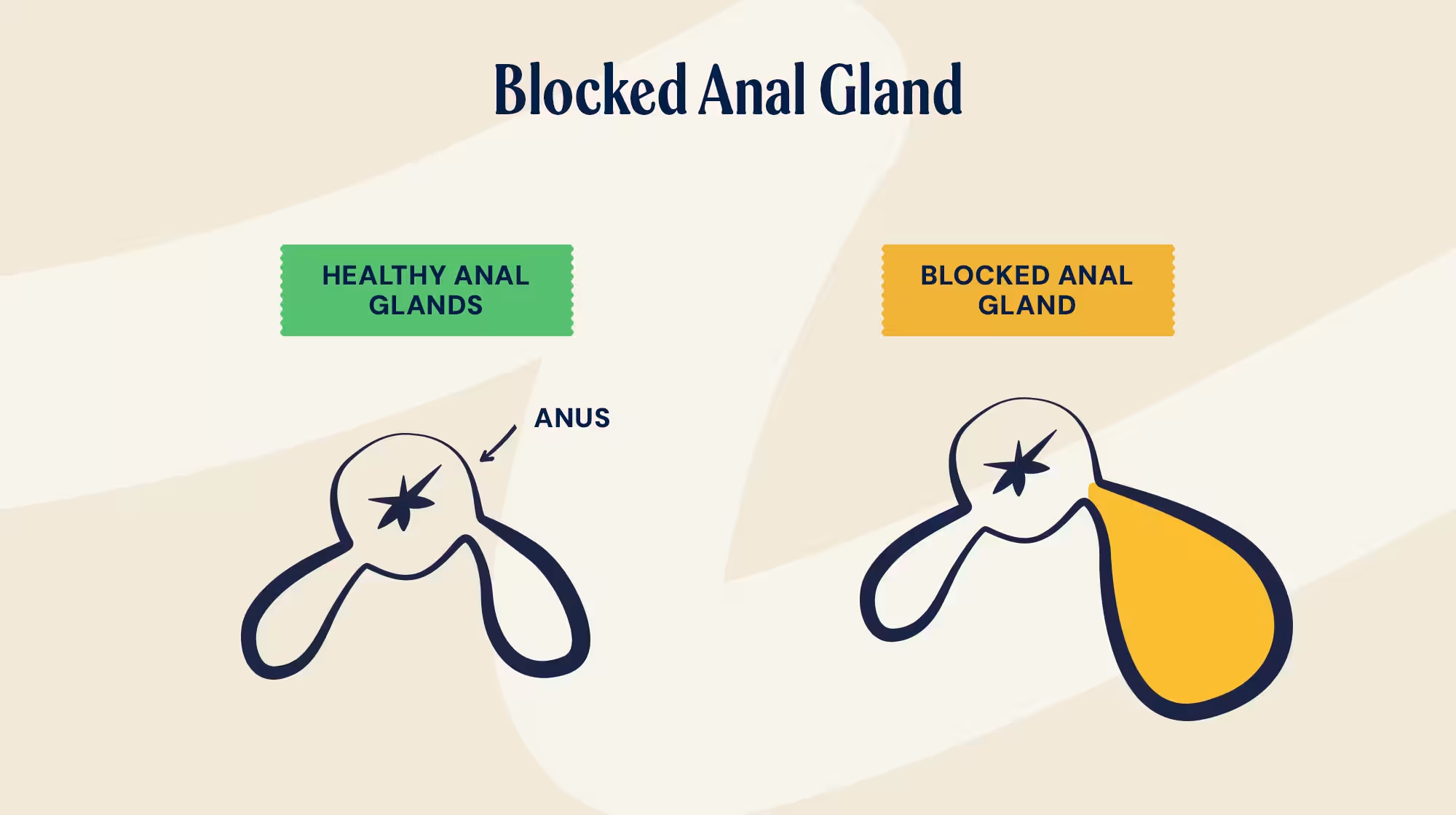
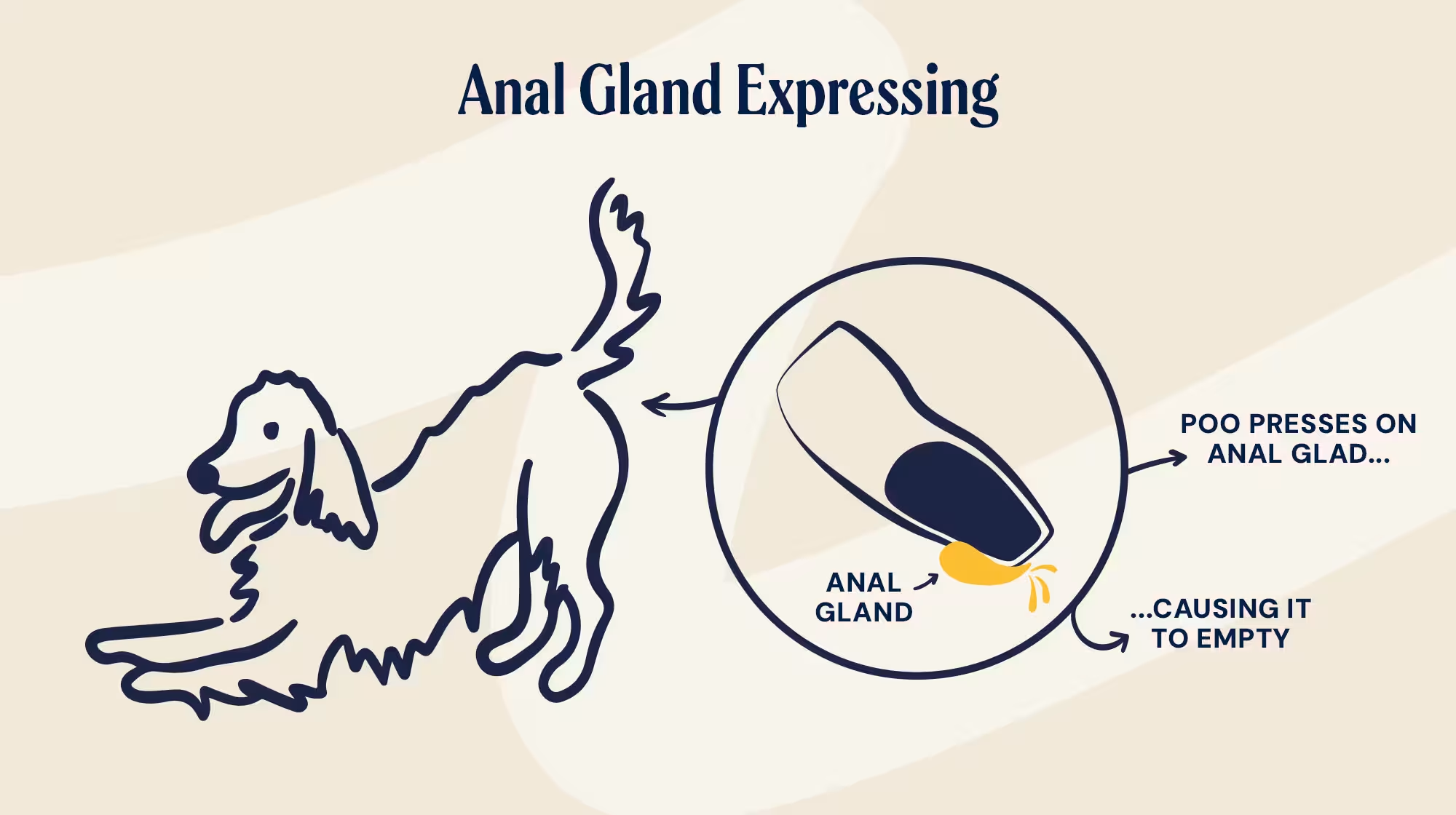
If the fishy smell is coming from your dog’s rear end, it could be that their anal glands aren’t emptying properly. These small sacs tend to secrete naturally each time your dog poops, but if they’re full or blocked, it can start to whiff.
Symptoms
For a dog suffering from anal gland problems , you might notice:
Increased ‘scooting’
Scratching, nibbling, and licking their rear end
Suddenly sitting down during walks or play
Anus appears to be red and puffy
Treatment
The best treatment for anal gland issues in dogs is getting them checked and emptied by a vet. This procedure consists of squeezing their anal area until the liquid is expressed. In cases where there's infection a vet might also prescribe antibiotics if they’re packed or infected.
Get in touch with your vet if you suspect this is the cause of the fishy smell.
Prevention
Normally, their anal glands express naturally when they poop. This makes ensuring healthy, firm poops is crucial, and this can be done via their diet. A balanced diet with enough fibre, protein, and gut-friendly ingredients is the most effective way of preventing full anal glands in dogs. Chat with your groomer or vet to know they’re always being checked.
Yeast infections
A yeast infection can cause a fishy pong from your pooch, especially when concentrated in places where bacteria can gather and cause irritation. This includes the paws, or deep folds in their skin.
Symptoms
If a yeast infection is at play, along with a strong fishy or ‘popcorn’ type odour, you might notice:
Constant itching and scratching
Flaky, reddened or a rash
Hair thinning in some places
Treatment
If your dog is displaying these symptoms, and they don’t seem to be subsiding, be sure to book a trip to the vet.
A vet might take a swab or scrape your pooch’s skin to test whether they have a yeast infection.
If a yeast infection is the issue, they might prescribe a medicated shampoo or suggest an elimination diet so you can hone in on a potential food allergy.
If your pooch does have a yeast infection, check out our guide ‘ Finding the best food for yeast infections in dogs ’ to map out their road to recovery.
Prevention
Yeast infections in dogs are preventable and completely curable. So, there are a couple of things you can do to ensure your dog’s skin remains healthy, and fish odour-free!
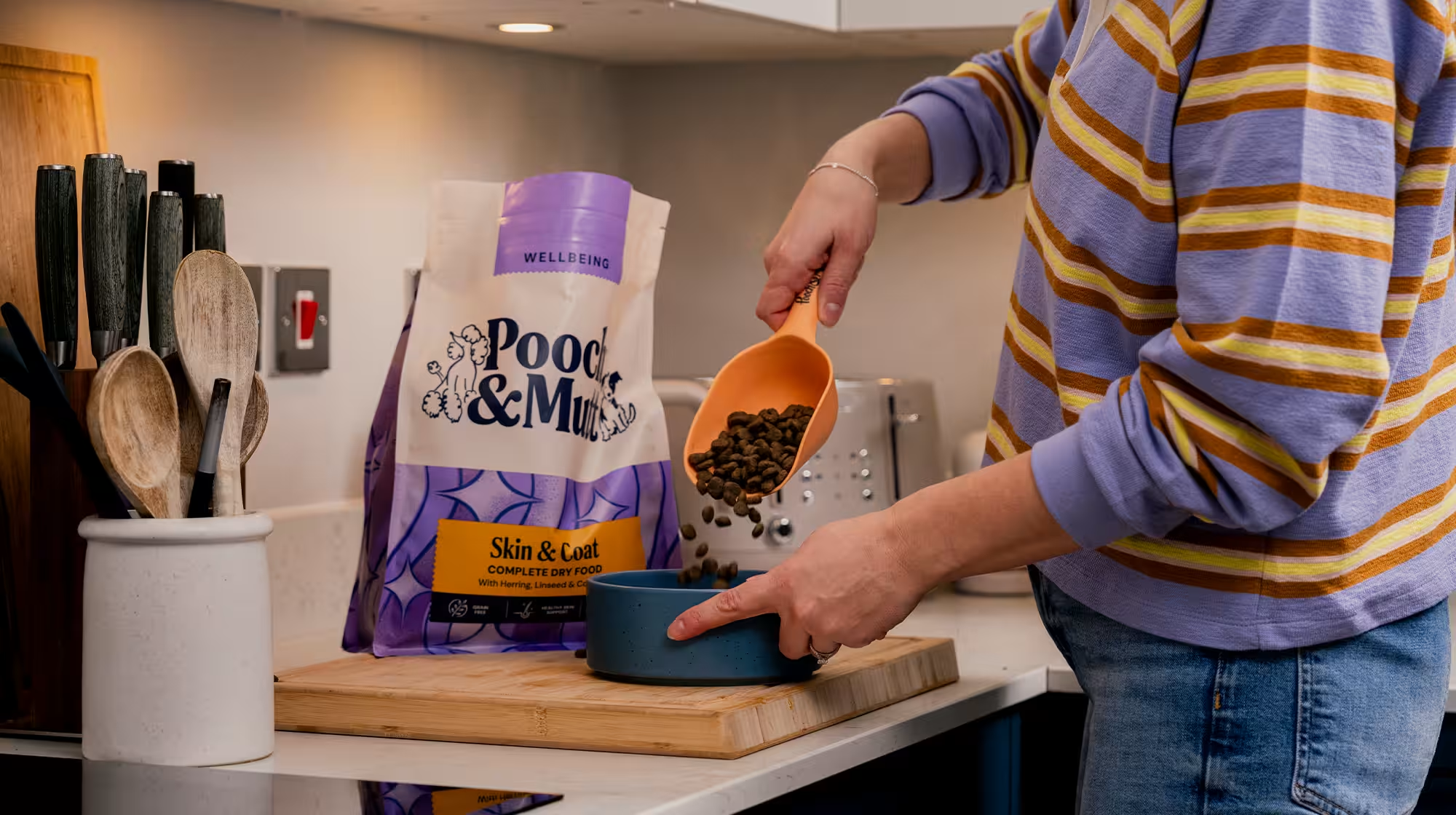
Try switching your dog’s food if your dog gets skin flare-ups. Some opt to switch their dog to a grain-free dog food or a specialist dog food for skin and coat health.
Regular grooming, according to their coat length, can help keep bacteria at bay.
Keeping skin and eyes dry after baths or walks.
Keeping a close eye on their skin health to look our for any changes.
Dental issues
A root infection, abscesses on the gums, a build-up of tartar, or other symptoms of periodontal disease can all cause your dog's breath to smell fishy.
Symptoms
Think your dog's dental health is to blame for their fishy odour? Well, with infections and abscesses can come serious tooth and gum ache, so be sure to look out for these other symptoms that may indicate dental issues:
Pawing at their mouth and face
Chewing only on one side and having trouble eating in general
Excessive drooling
When you look in your dog’s mouth, you may see swollen or reddened gums, or visible tartar
Despite these common symptoms, Vet Linda advises:
"Some dogs hide signs of oral pain well and may have no other signs of dental issues other than their bad breath, even with advanced dental disease."
This makes keeping up with their oral health crucial.
Treatment
Take your dog to a vet for a dental check-up, as the vet can examine their mouth for signs of periodontal disease, give their teeth a proper cleaning, and prescribe treatment for any dental infections.
Prevention
Regularly brushing your dog’s teeth and booking in dental check-ups can help keep your dog’s mouth healthy and their breath (relatively!) fresh.
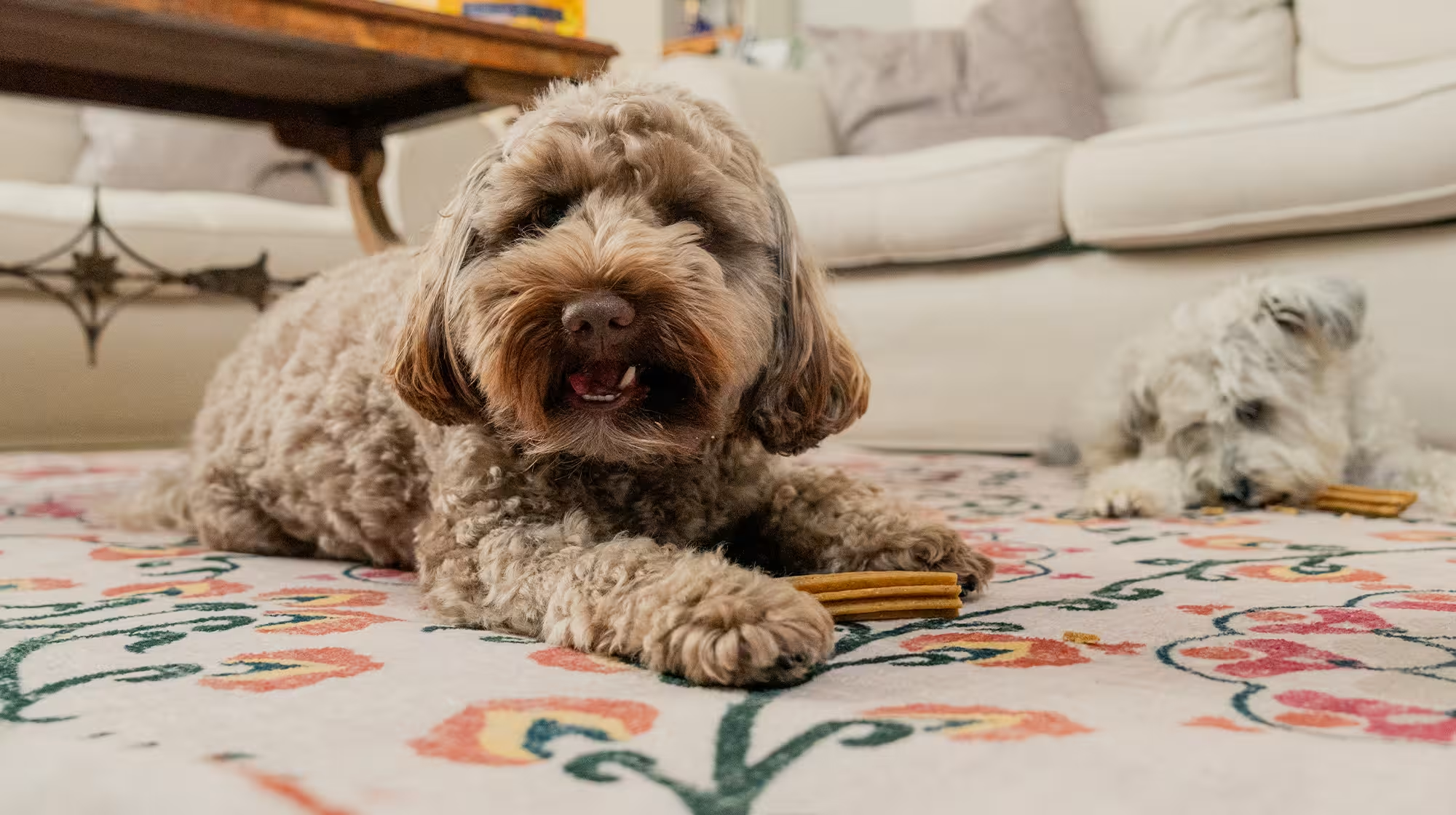
As a complement to tooth brushing, healthy dental sticks are a great choice. The chewing helps stimulate saliva production, which contributes to breaking down food, and also releases endorphins. Plus, the jagged shape helps get into all their nooks and crannies, and can help scrape off plaque.
Of course, a healthy, balanced diet that’s low on sugary treats is super important, too.
UTIs or vaginal infection
If it smells particularly fishy around your dog’s private parts, they may be suffering from a UTI, or a vaginal yeast infection (if it’s a female dog).
Symptoms
If your dog has a UTI, as well as an odour they may show symptoms, such as:
Peeing more frequently
Seemingly in pain when they pee, i.e whimpering, straining, and stooping but nothing coming out
Suddenly peeing in the house
Blood in their urine
Increased licking of their genital area
Be sure to check with your vet if you spot any of these symptoms.
If your female dog has a vaginal infection (vaginitis), alongside an odour, she may show symptoms like:
Discharge coming from their vulva that can either be white, yellow, or bloody
Vulva looks red, swollen, and inflamed
Peeing more frequently
Increased licking of their vulva
Increased scooting
These symptoms also require a vet visit, so be sure to give them a call if you notice any of these rapidly developing.
Treatment
Both a UTI or vaginal infection in dogs should be seen and treated by a vet.
For a UTI, vets may prescribe antibiotics to help clear the infection, and then an anti-inflammatory to help soothe itching.
For a vaginal infection, that too is often treated with antibiotics and an anti-inflammatory, but also a recommended cleaning regiment for the infected area. Vaginal infection is also common in female puppies, but this often clears up without intervention after their first season or heat cycle.
Prevention
When it comes to helping prevent UTIs, a healthy diet and good hydration can keep them at bay, as well as taking your dog out for regular toilet breaks, so they’re rarely holding it in.
Cranberries are dog-safe and great for their urinary health , and opting for wet dog food also helps increase their moisture intake. Maintaining great gut health is also key here, ensuring they have everything they need to fight off infection and inflammation.
This requires dog-safe food that’s full of pre, pro, and postbiotics, making Kefir a great dog-safe addition to their diet when looking to support their gut.
For vaginal infections, maintaining good hygiene is key to prevention. Quickly getting your pooch completely dry after they get wet, especially around their genitals, also helps reduce the chance of infection.
Also, avoid using shampoo and conditioner not made for dogs, as it’s not formulated for a dog’s delicate skin, and can lead to irritation and infection.

A fish-heavy diet
If your pooch eats a lot of fish such as Salmon, Cod or Herring, or fish-based supplements like Salmon Oil for Dogs , their face and mouth might start to smell subtly fishy.
It’s not really an issue if your pooch eats a lot of fishy food. It’s just another instalment of the less glam side of dog parent life!
If you’d like to reduce the fish breath, you can help matters by giving them a minty dental stick, making sure they drink a lot of water, and keeping on top of wiping their mouth when they drool or after they’ve eaten.
Preventing fishy breath in dogs
If your pooch eats a lot of fish without a medical reason, it might help to vary their diet with other whole proteins for dogs, such as Turkey, Chicken or Lamb.
If a fish diet is best but you’d like to reduce the fish breath, you can help matters by giving them a minty dental stick, making sure they drink a lot of water, and keeping on top of wiping their mouth when they drool or after they’ve eaten.
If they have dietary requirements that mean fish is easier for them to digest, or they take fish oil supplements for health reasons, don’t worry too much about preventing the fish smell. It may be something you’ll have to get used to in the name of your pooch’s good health!
When to worry
There are times when a fishy smell could point towards infection. This is when immediate intervention is needed to avoid it worsening and leading to other issues.
So, if your dog’s fishy smell is accompanied by some of the following symptoms, be sure to check in with your vet.
A fish smell that comes around suddenly, and is very potent, could mean something has burst, and you’re getting the odour of the fluids.
Whatever has burst might emit a strong-smelling discharge, pus, or even blood that might come from their ears, gums, skin, genitals or rear end.
If your pooch seems unwell, i.e. they’re lethargic, seem in pain, or have been sick, this could also point to an infection.
Why not try...
-

 from
fromCurrent price: £64.99
The Health & Digestion Bundle -

 from
fromCurrent price: £18.99
Fibre Support Supplement -

 from
fromCurrent price: £35.99
Gut and Skin Itch Essentials -

 from
fromCurrent price: £19.99
Gastrointestinal Dry Dog Food -

 from
fromCurrent price: £8.99
Adult Complete Superfood -

 from
fromCurrent price: £11.49
Dental Stick Bundle For Dogs -

 from
fromCurrent price: £15.99
Dental Powder For Dogs


