


If you’re an allergy sufferer, or you’re not keen on vacuuming, there are a few dog breeds that barely shed their coats - including Border Terriers, Poodles and Whippets. With a minimally shedding dog, you won’t often see dog hairs all over the sofa and carpets, and dog owners with allergies can reduce the chance of coughing and sneezing all day. But which dog breeds don’t shed their coats? Does a low-shedding dog mean less grooming? Read on for a full list of dog breeds in the UK that don’t shed, and to get more information about coat care for a low-shedding dog.
Top UK dog breeds that don’t shed
Let’s get into the most common UK dog breeds that don’t shed. We’ve separated them into small, medium and large-sized dog breeds, but some (such as different-sized Poodles and Schnauzers) can feature under every heading!
Small dog breeds that don’t shed
Border Terrier
Border Terriers have a wiry, brown-grey coat which barely sheds, as dead hairs come out when they’re hand-stripped. These pint-sized dogs are very energetic and love walking, but don’t need extensive grooming, making them a great choice for a low-maintenance pooch.
Poodle (Toy, Miniature, Standard)
All sizes of Poodle are so low-shedding that they’re close to being hypoallergenic. Their curly coat is tight to the body, so hair barely falls out. However, they do require regular brushing and trimming to maintain their curls' softness and appearance.
Welsh Terrier
Welshies have a wiry coat, usually sandy-brown in colour with a black or grizzle saddle. Their coats are curly, soft and don't shed much; but if they aren’t groomed regularly, old hairs will get trapped in the curls and potentially fall out. It’d be great if you could brush a Welsh Terrier once a week, and keep on top of grooming to keep them clean and pristine.
Yorkshire Terrier
Yorkies can grow long, luscious coats that barely shed, but it’s good to brush them regularly. Though they’re low-shedding, they aren’t exactly low maintenance, especially if they’re show dogs. Keeping their coat short in a ‘puppy-cut’ makes it easier to maintain.
Bichon Frise
Bichon Frises have a ‘cloud-like’ double coat that needs regular brushing, especially if you want it to stay fluffy! But they don’t drop a lot of hair, as they get trapped within the coat instead.
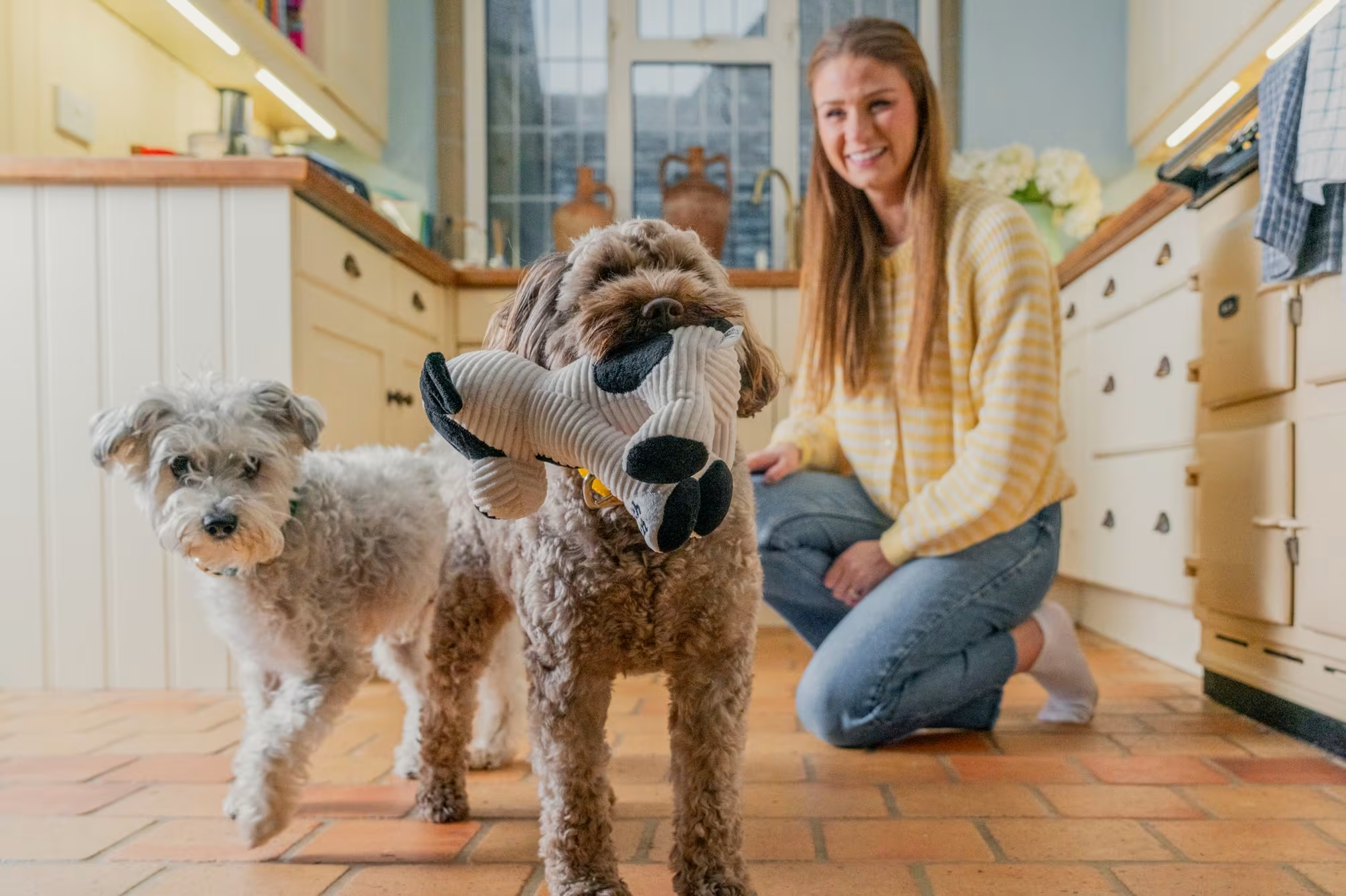
Medium dog breeds that don’t shed
Schnauzer (Miniature, Standard, Giant)
With their wiry coats, usually in a grey or black shade, all sizes of Schnauzer are low-shedding. Again the coat traps dead hairs, so you won’t find fuzzy clumps of hair and dander around the house.
Whippet
Whippets have a very fine, thin coat that comes close to the body, and barely any undercoat. This means they barely shed, and they don’t need much grooming. If you’re looking for them to be the envy of all on your next walkies, weekly brushing can keep these slender pooches looking shiny and healthy.
Kerry Blue Terrier
These lovable dogs are a medium-sized breed, and have a beautiful bluish-grey, curly coat. Kerry Blue Terriers don’t shed much at all, but you can brush them once a week to keep the wool-like curls lovely and soft.
Portuguese Water Dog
This dog is relatively rare in the UK, but has a medium curly, low-shedding coat. This makes it ideal for most allergy sufferers. However, we’d say regular grooming is needed to keep their lovely coats fluffy and in good condition.
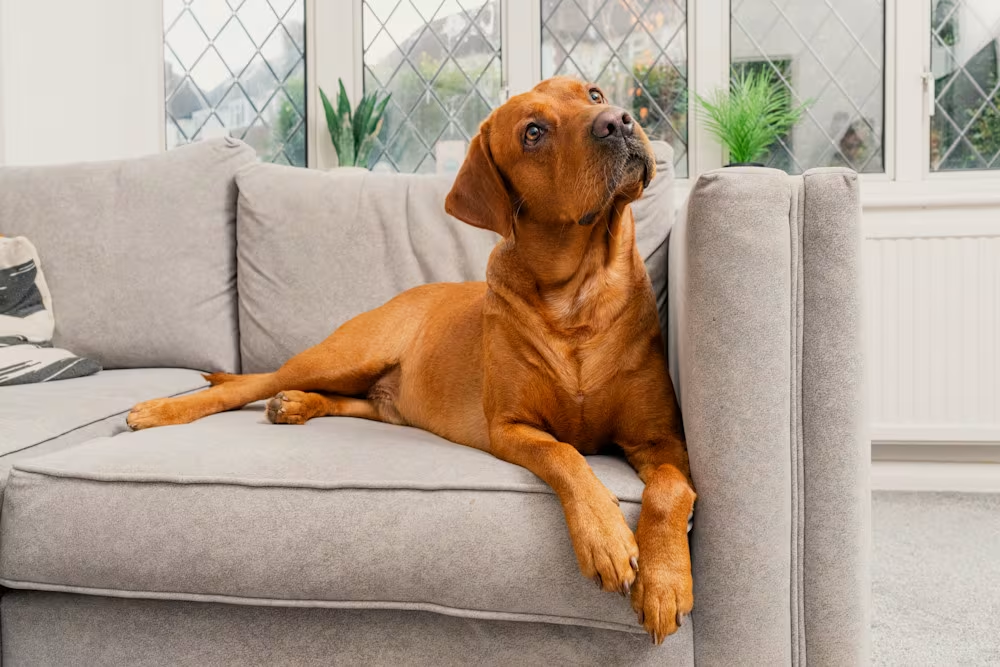
Large dog breeds that don’t shed
Afghan Hound
Though they’re renowned for long hair, Afghans are surprisingly not big shedders. This doesn’t mean they are low maintenance, however, as Afghans call for a lot of combing and brushing to maintain that sleek look.
Irish Water Spaniel
This medium-large dog breed is the tallest of all the spaniels, with a marvellous curly coat that barely sheds. Allergy sufferers shouldn’t get much of a reaction to an Irish Water Spaniel, but the tight curls call for regular grooming to stay in good condition.
Do low-shedding dogs still need a lot of grooming?
It’s easy to mistake low-shedding for low-maintenance, but that doesn’t apply for every pooch. In fact, some breeds need more grooming precisely because they hold onto their hair so well! Let’s get into some common questions about shedding and coat care for dogs.
Why do dogs shed their coats?
Dogs shed or ‘moult’ for the same reason we do - to get rid of excess or dead hair that falls out as the seasons change. Most dogs have a seasonal ‘blow coat’ that sheds in spring and autumn to adjust to the warmer or colder weather. Shedding helps regulate temperature, keep the skin healthy and makes room for a newer, healthier coat to grow through. So whilst you might be picking dog hairs off your sleeve in the office, it’s normal part of dog parent life.
Are there any dog breeds that don’t shed hair?
All dogs shed some hair, but for some breeds, their coat quality is either so fine, wiry or tightly curled that they don’t really drop hair at all. Coat dander still comes out through brushing, and dead hairs get caught up in a thick coat and eventually fall out. However, they don’t lose their hair regularly in the way some other breeds do.
Are all non-shedding dog breeds hypoallergenic?
No dog is completely hypoallergenic - it’s important to note that all dogs can trigger some allergy sufferers (it depends on the severity of the allergy). Often, low-shedding dogs are referred to as ‘hypoallergenic’ because a low-shedding coat means there is less chance of tufts of hair around the house, which can trigger sneezes and discomfort in someone with an allergy.
What dog breeds need the least grooming?
There are some low-shedding dog breeds which don’t need much grooming - such as Border Terriers, Whippets, Greyhounds, Chihuahuas or Basenjis. It’s good to remember though that all dogs need some level of coat maintenance in order to stay clean, comfortable and healthy!
Which dogs shed more often?
Generally, dogs with a double coat, such as Huskies, Labrador Retrievers, Golden Retrievers and German Shepherds, shed heavily. Especially in the summer where they tend to shed more in order to keep cool. During shedding periods, you’ll often spot clumps of hair on furniture and around the house. Other dogs without a double coat that shed a lot include Border Collies and Cocker Spaniels.
What’s the best dog food for coat health?
Making sure your pooch has the right nutrition is one of the most powerful ways of keeping their coat soft and shiny, and their skin healthy.
Oily fish such as Salmon or herring is packed full of omega-3 and -6 fatty acids, which give skin and coat a major boost. Oily fish is often used in dog food for skin and coat health, or why not drizzle some Salmon Oil for Dogs on your pooch’s food?
High quality whole proteins like Salmon or Chicken, or novel proteins such as Herring mentioned above, help make up the building blocks of your pooch’s skin, muscles and hair.
Gut-nourishing foods go a long way in also nourishing your dog’s coat and skin. Our Gut & Skin Essentials supplement contains nifty ingredients such as Quercetin, Apple Cider Vinegar and Sugar Beet Fibre to simultaneously fuel digestion and coat health.
Vitamins and supplements for dogs such as Collagen, Biotin, Zinc or Vitamin E are also big protectors of coat and skin.
Skin & Coat Range
-

 from
fromCurrent price: £15.99
Skin & Coat Dry Dog Food -

 from
fromCurrent price: £3.99
Skin & Coat Postbiotic Meaty Treats -

 from
fromCurrent price: £47.99
The Skin & Coat Bundle -

 from
fromOriginal price:
£11.49Current price: £9.49
Salmon Oil For Dogs -

 from
fromOriginal price:
£10.99Current price: £8.99
Bionic Biotic Probiotic Powder For Dogs -

 from
fromCurrent price: £18.99
Gut-Skin Support Supplement
This post was originally published in January 2026, but has been updated for comprehensiveness.


